Navigating the Paradox: High Markets, High Rates, and the Confusing Economic Reality of Late 2026
September 30, 2026
By Ben Carlson
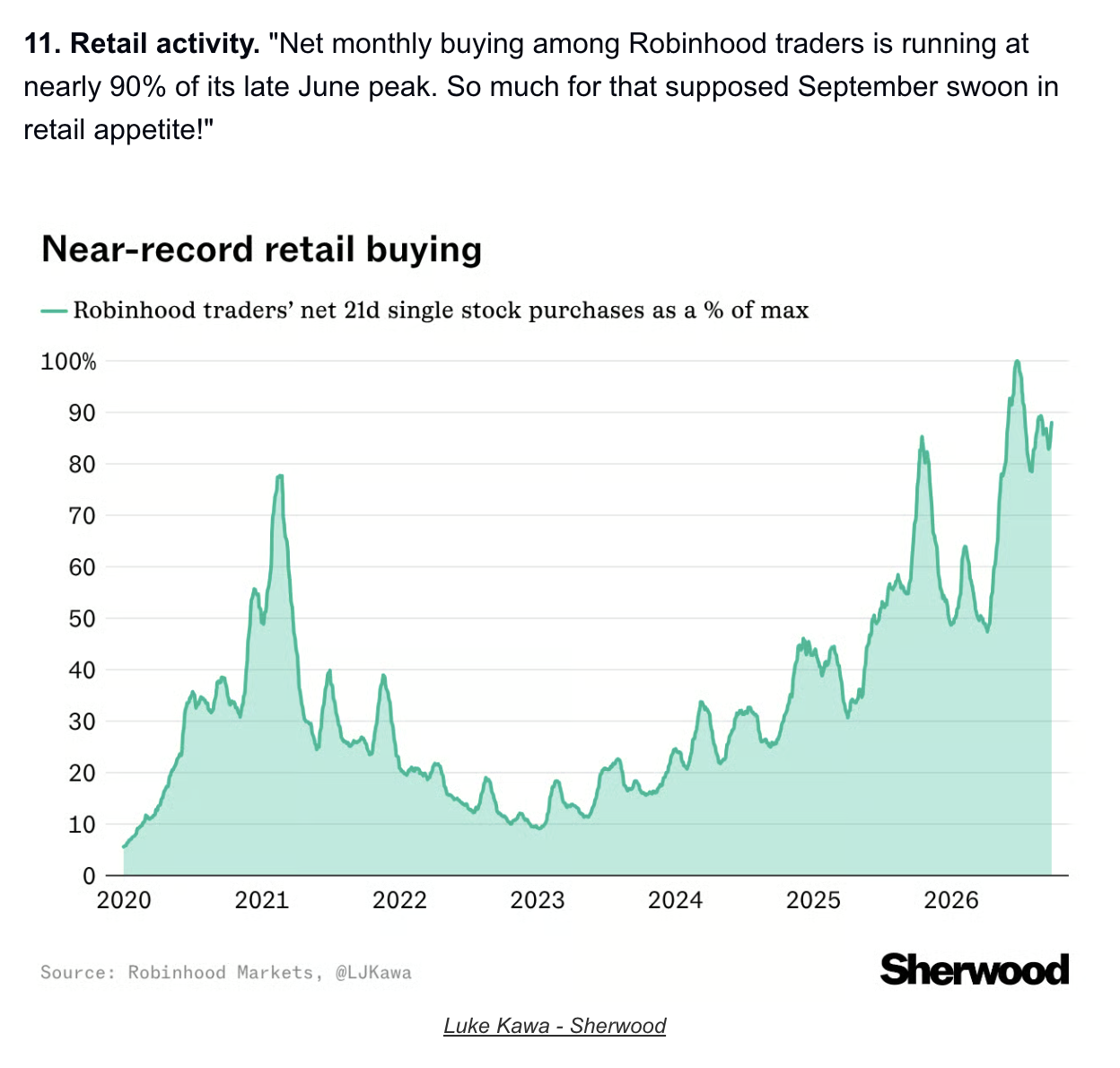
As the third quarter of 2026 draws to a close, financial markets and everyday consumers find themselves trapped in a dizzying macroeconomic paradox. On one hand, major stock indices hover near all-time highs, propelled by resilient household balance sheets and a robust wealth effect. On the other hand, the average American is navigating a punishing landscape defined by sticky inflation, elevated borrowing costs, and historically depressed consumer sentiment.

This juxtaposition of surging asset prices and widespread economic anxiety forms the backdrop of the latest Animal Spirits podcast discussion. Hosted by financial analysts dissecting the strange crosscurrents of modern finance, the late-September data reveals a complex ecosystem where traditional financial rules seem perpetually bent.
Main Facts: The 2026 Economic Paradox
The current macroeconomic environment can be summarized by a startling divergence between Wall Street and Main Street. Key metrics highlight a snapshot of the U.S. economy in late September 2026:
- Mortgage Rates: Hovering stubbornly around 7%, locking many prospective buyers out of the housing market.
- Unemployment Rate: Remaining remarkably resilient at 4%, signaling continued labor market strength.
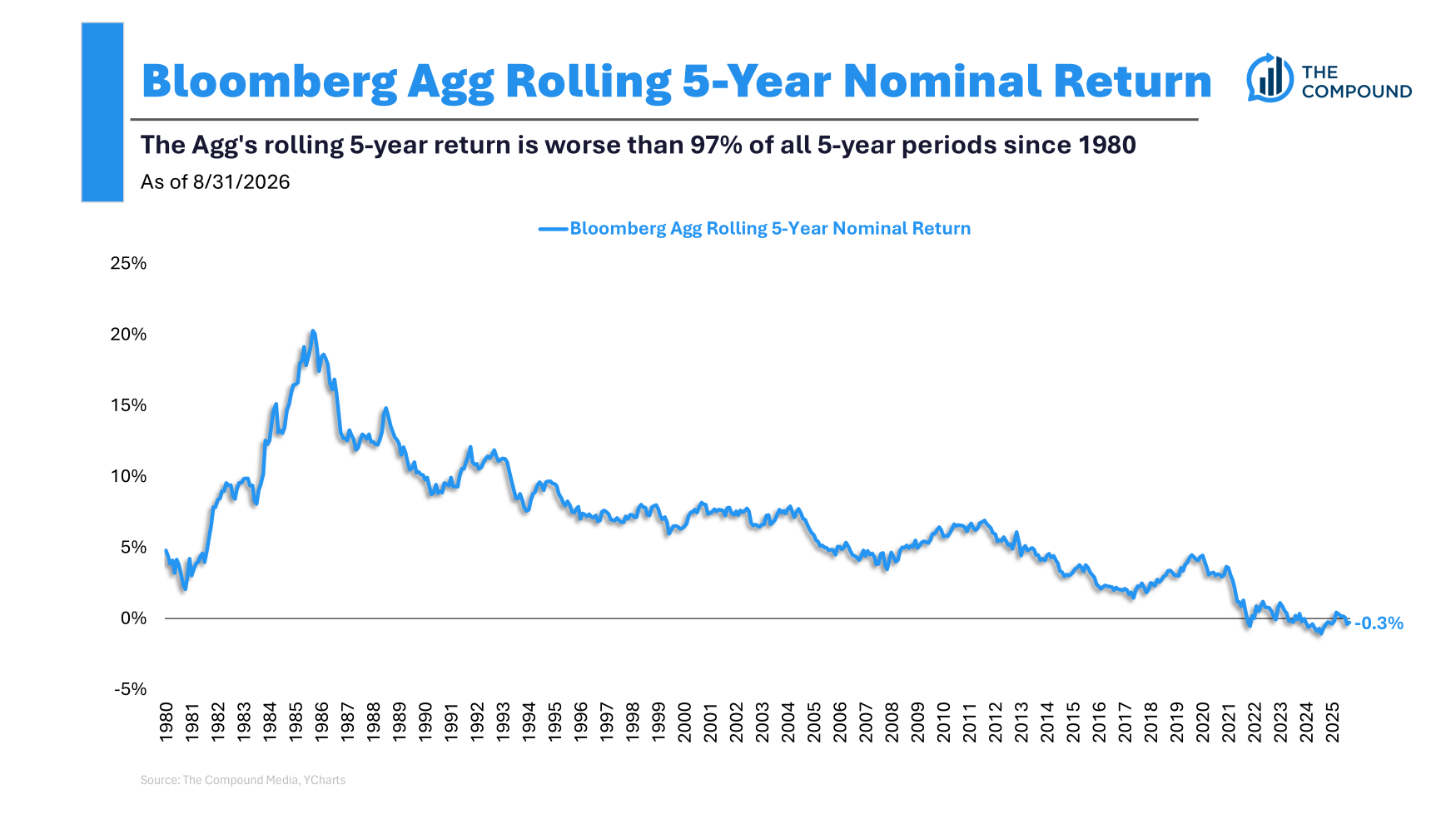
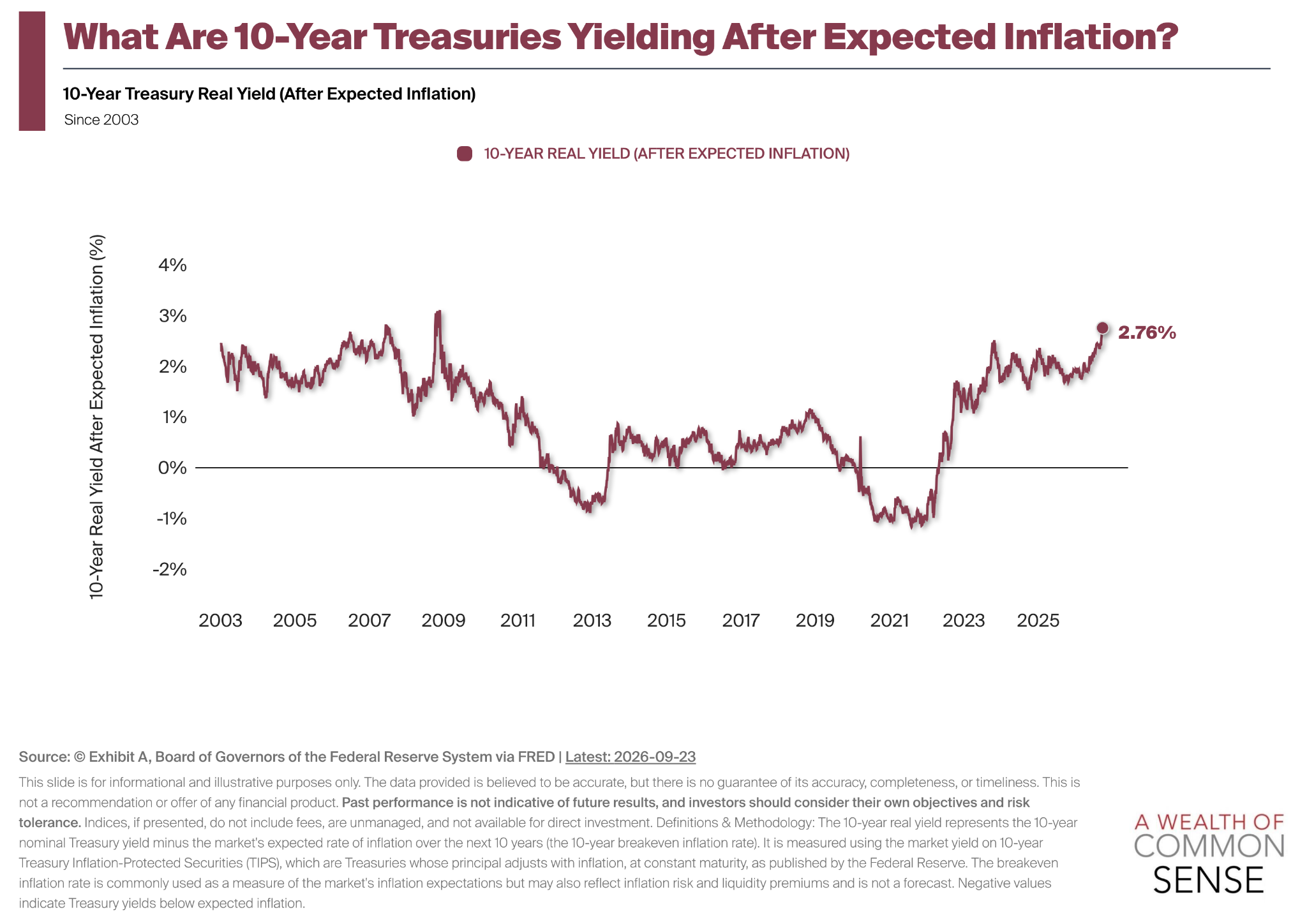
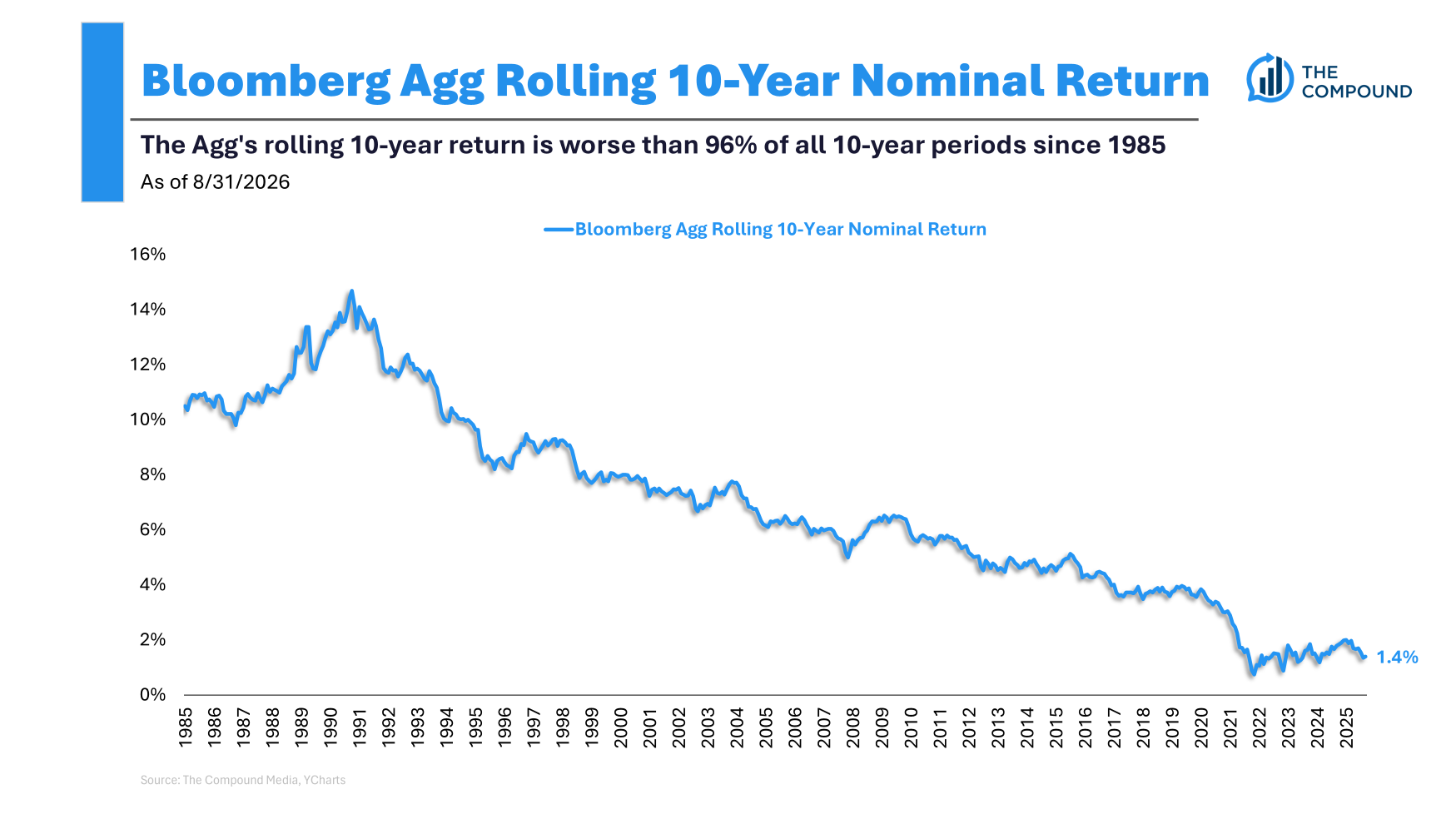
- Bond and Cash Yields: Ten-year Treasury yields sitting near 5%, with cash yields offering a safe 4%, providing savers with attractive alternative income streams for the first time in over a decade.
- Commodities: Oil prices testing $100 a barrel, pushing national average gasoline prices toward $5 a gallon.
- Inflation: Stubbornly persistent at 3.4%, remaining above the Federal Reserve’s long-term target.
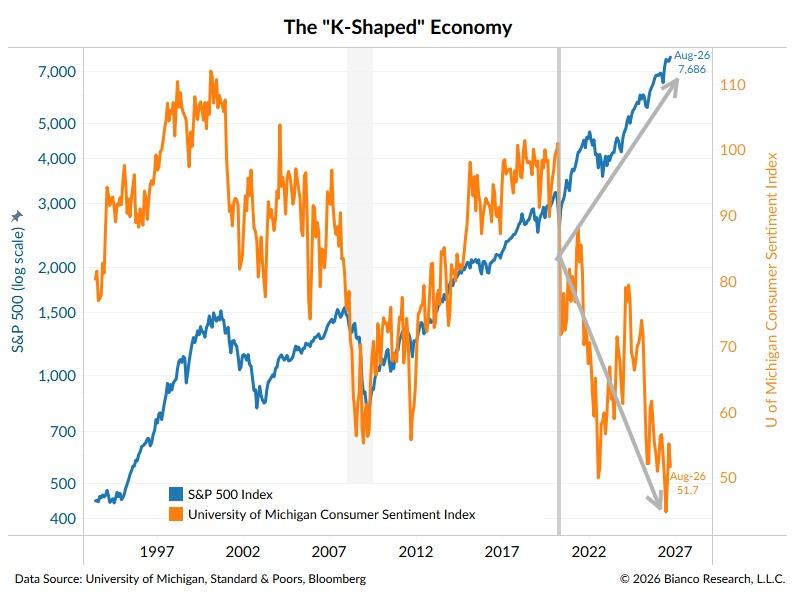
- The Stock Market vs. Sentiment Spread: While the S&P 500 challenges record highs, consumer sentiment metrics wallow near historic lows, driven by cost-of-living fatigue.
Despite these headwinds, overall household wealth has hit record marks. Surging equity portfolios pushed total household assets past 10 times total liabilities by the second quarter of 2026, creating a powerful wealth buffer that continues to support consumer spending despite high everyday costs.
Chronology of Market Events: Q3 2026
The trajectory leading into late September showcased a fascinating tug-of-war between speculative exuberance, structural liquidity shifts, and real estate stabilization:
Early to Mid-September 2026
- Prediction Markets and Margin Trading: Platforms continued to capture mainstream institutional attention. Notably, regulatory filings introduced margin capabilities on long-dated prediction markets (excluding sports and culture), marking a significant step toward institutional financialization of alternative forecasting.
- Alternative Asset Redemptions: Private credit giants, including Apollo and Morgan Stanley, faced heavy redemption pressures for the third consecutive quarter. With investors attempting to pull out more capital than funds could readily distribute, both firms maintained strict 5% redemption caps, renewing debates over liquidity mismatches in private market vehicles.
- The Housing Market Pivot: Contrary to fears of runaway perpetual rent growth, data released in late September revealed that the national median rent sat at $1,390 in August 2026—almost precisely back on the slow, steady pre-pandemic growth trajectory that averaged a 2.7% annualized increase since 2017.
Late September 2026
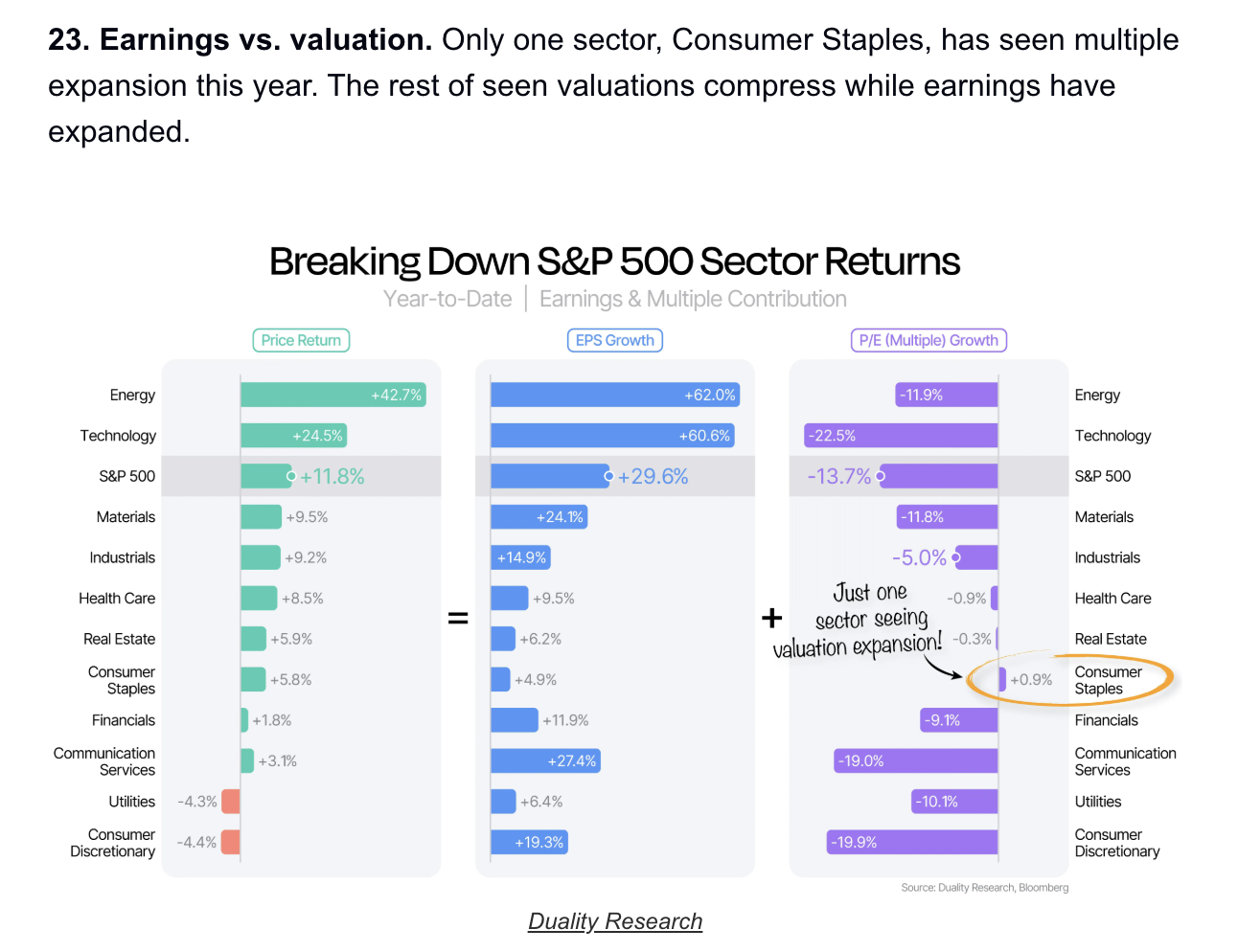
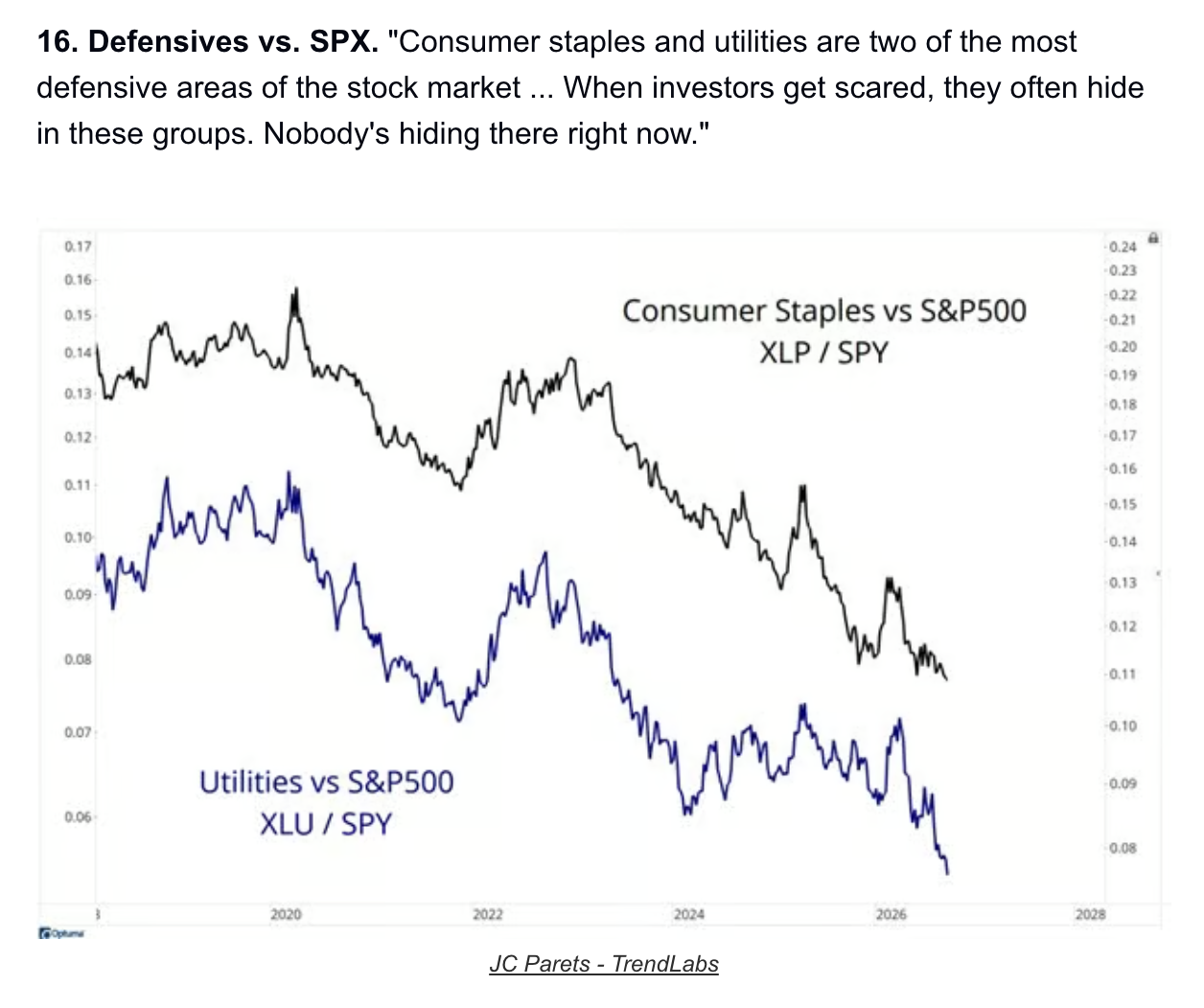
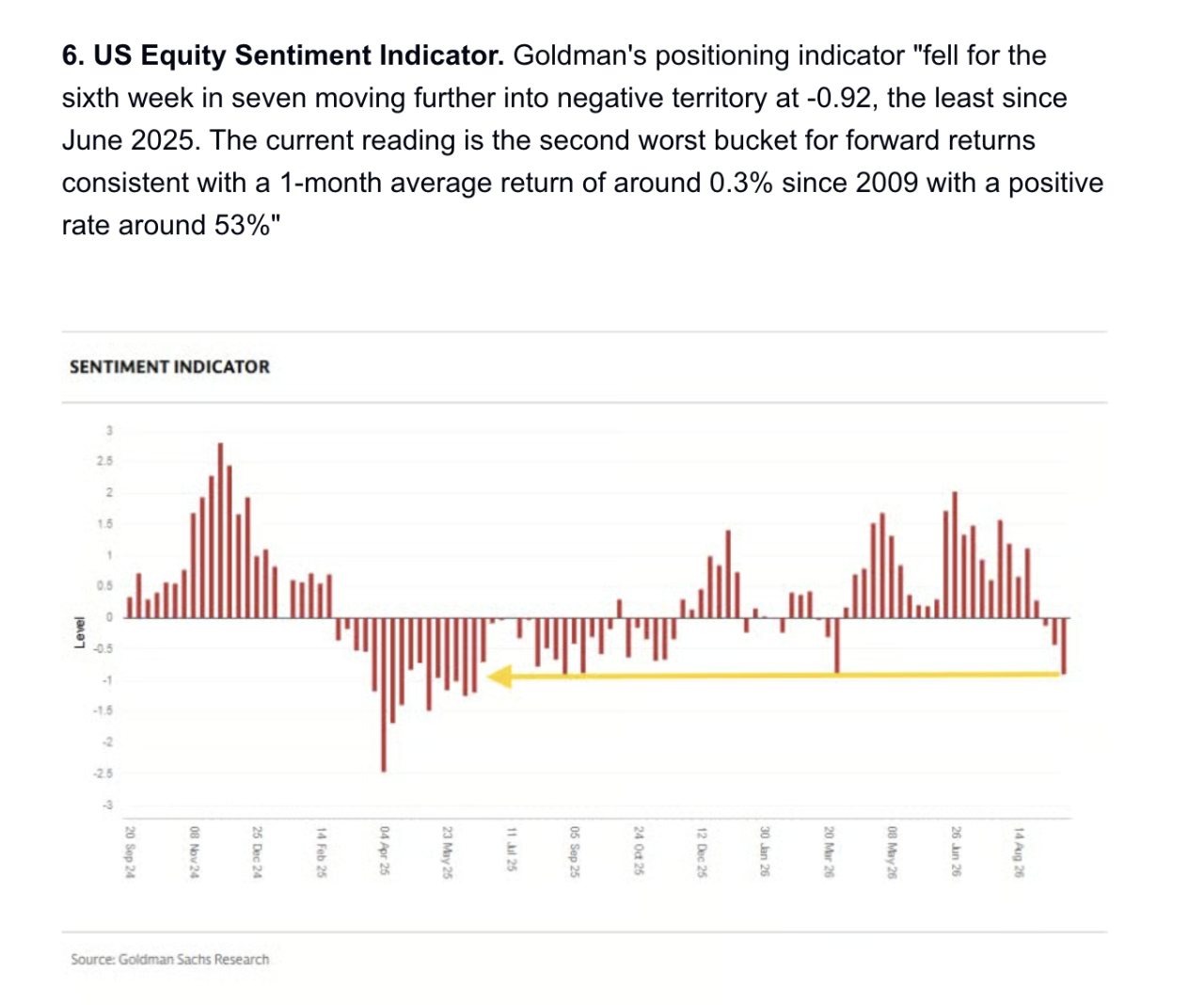
- Market Breadth Anomalies: Analysts highlighted a unique dynamic in the S&P 500 ($SPY). While the index hugged within 1% of record highs, more than 70% of its underlying constituent stocks traded at least 10% below their own respective highs. Furthermore, a spike in new 52-week lows was overwhelmingly concentrated in defensive sectors—specifically Utilities, Staples, and Real Estate—signaling underlying internal strain beneath headline index gains.
- Policy Proposals: In Washington, lawmakers stepped up proposals to alleviate the affordability crisis. Senator Jeff Merkley introduced a federal matching program offering a 5-to-1 match for first-time homebuyers saving for a down payment, attempting to address youth homeownership lockouts.
Supporting Data & Market Metrics
An analysis of market internals reveals structural shifts across equities, real estate, and consumer finance:
+-----------------------------------+-----------------------+
| Economic Indicator                | Late 2026 Value       |
+-----------------------------------+-----------------------+
| S&P 500 Proximity to All-Time High| Within 1%             |
| Stocks >10% Below Own Highs       | >70% of Index         |
| National Median Rent (August)     | $1,390                |
| Household Asset-to-Liability Ratio| >10x                  |
| 30-Year Fixed Mortgage Rate       | ~7.0%                 |
| Headline Inflation Rate           | 3.4%                  |
+-----------------------------------+-----------------------+
The S&P 500 Breadth Puzzle
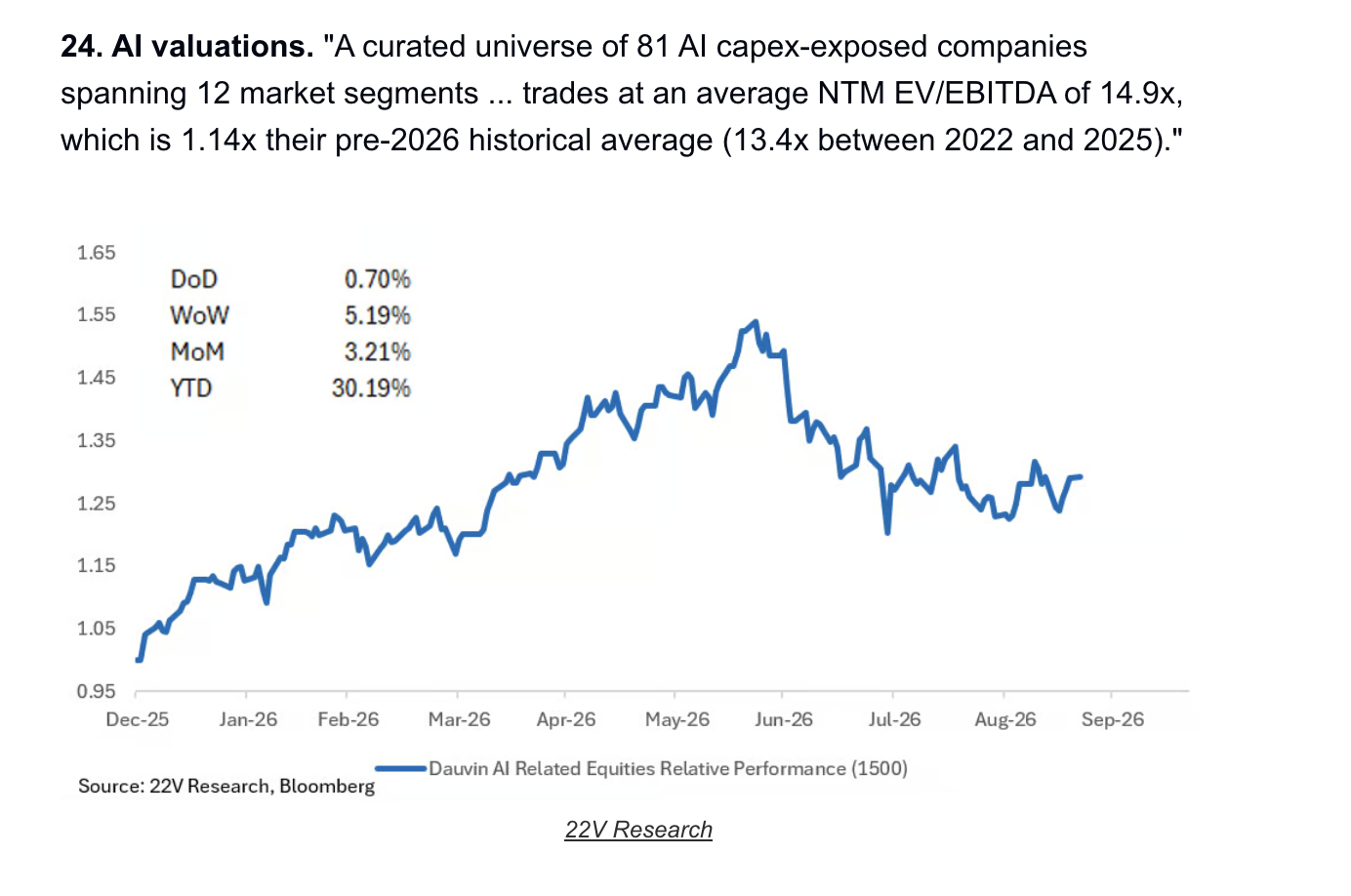
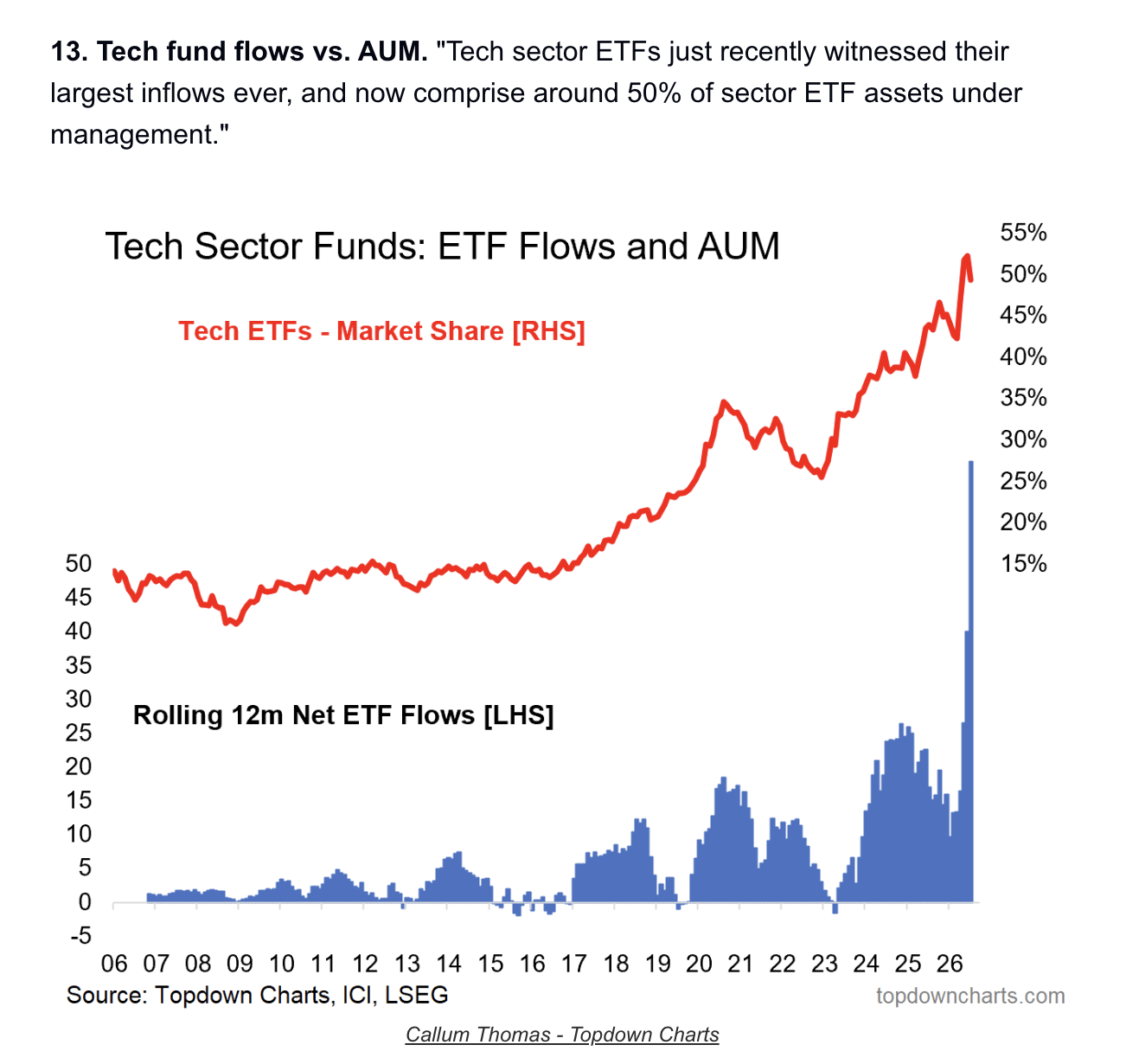
Historical analogues tracked by quantitative researchers indicate that instances where the S&P 500 trades near all-time highs while over 70% of individual equities languish 10% below their peaks are remarkably rare. This narrow leadership—driven primarily by mega-cap technology and select growth sectors—has masked underlying weakness in broader market breadth, creating a bifurcated index where top-heavy gains skew the overall economic health perceived by passive investors.
Private Credit Liquidity Pressures
The repeat capping of redemptions at 5% by major private credit managers underscores a structural tension in semi-liquid alternative assets. While retail and institutional investors chase yields exceeding traditional fixed income, the underlying assets (private loans, corporate debt) lack secondary market liquidity, forcing managers to pull structural tripwires to prevent forced liquidations.
Official Responses and Policy Debates
As housing affordability and cost-of-living metrics dominate public discourse, policymakers and financial regulators are under increasing pressure to act.
- Legislative Interventions: Proposals like Senator Merkley’s 5-to-1 savings match for first-time homebuyers highlight a growing legislative focus on demand-side assistance. However, critics argue that injecting federal subsidies into a structurally undersupplied housing market risks exacerbating home price inflation rather than solving core inventory shortages.
- Regulatory Scrutiny on Alternative Assets: With private wealth platforms capping redemptions for three straight quarters, securities regulators are monitoring systemic risk disclosures. The expansion of margin trading into prediction markets also signals an era where regulators must rapidly adapt to decentralized financial instruments blending gaming, speculation, and traditional derivatives.
- Monetary Policy Dilemma: The Federal Reserve remains cornered between sticky 3.4% inflation, oil prices testing $100, and a resilient labor market. Despite widespread consumer complaints regarding 7% mortgages and high gas prices, the economy’s refusal to enter a traditional recession has kept policymakers cautious about cutting rates too aggressively.
Implications: What This Means for Investors
The late-September 2026 data landscape leaves market participants with several vital takeaways:
- Beware Headline Bias: A surging S&P 500 does not mean all ships are rising. With 70% of constituent stocks lagging significantly, active stock selection and risk management are more critical than ever. Concentration risk in mega-cap equities remains a silent vulnerability for unhedged portfolios.
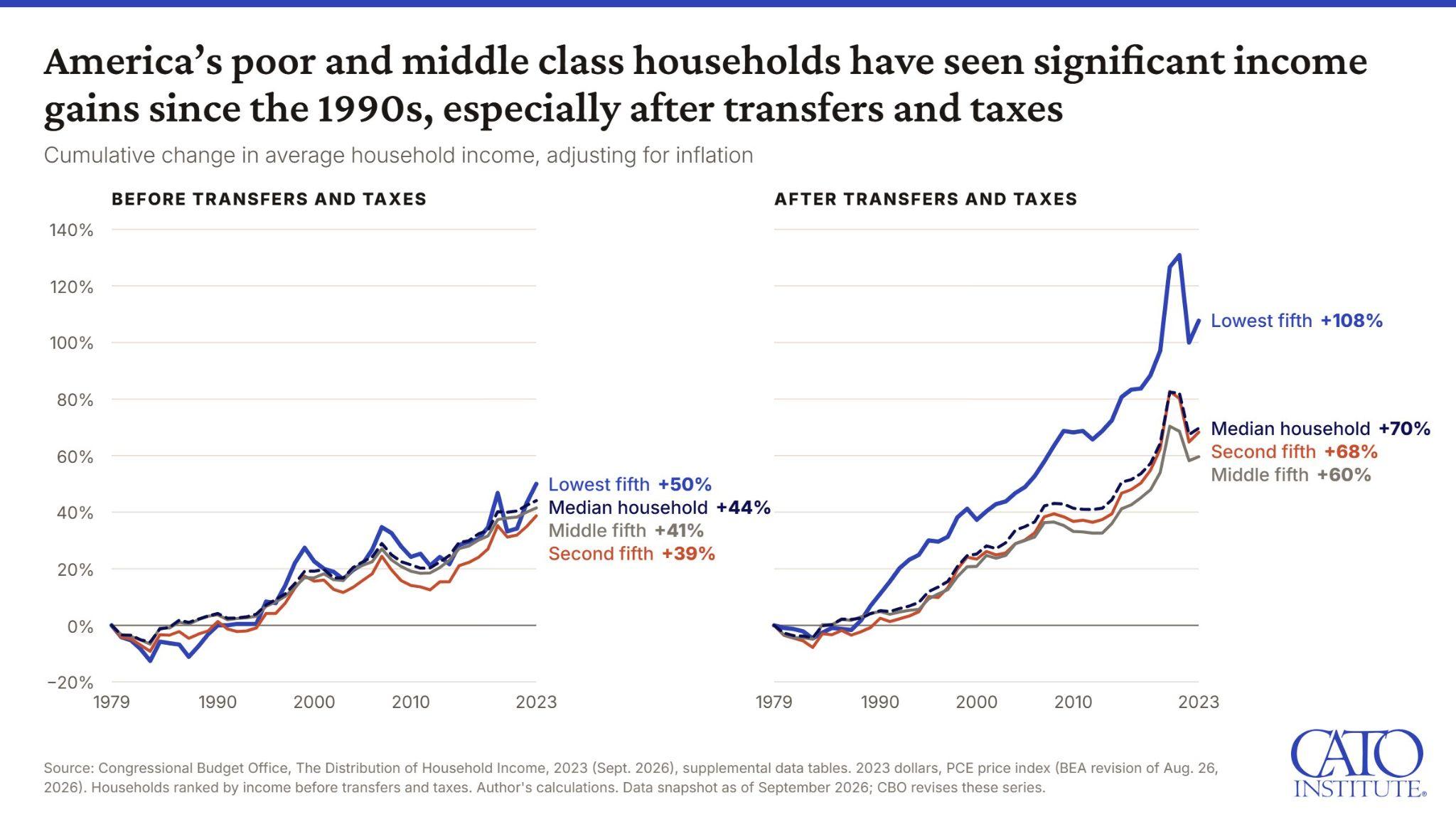
- The Wealth Effect is Real, But Unequal: While aggregate household balance sheets look pristine with assets exceeding liabilities by tenfold, this wealth is heavily concentrated among equity and real estate owners. Renters and younger demographics facing 7% mortgages and high gasoline costs continue to experience a vastly different economic reality, explaining the persistent gap in consumer sentiment.
- Proceed with Caution in Alternative Credit: The recurring redemption caps in private market funds serve as a warning sign. Investors allocating capital to semi-liquid credit or private equity must carefully evaluate their own liquidity horizons, ensuring they are not caught in structures where capital cannot be retrieved during a market downturn.
As financial markets navigate the final stretch of 2026, the overarching lesson is clear: navigating economic paradoxes requires looking past headline indices to examine the structural plumbing of liquidity, consumer debt, and market breadth.
Disclaimer: Nothing in this article constitutes investment advice, performance data, or any recommendation that any particular security, portfolio of securities, transaction, or investment strategy is suitable for any specific person. Investing in speculative securities involves the risk of loss.