IRS Launches Aggressive Recruitment Drive Amidst Staffing Crisis and Industry Pressure
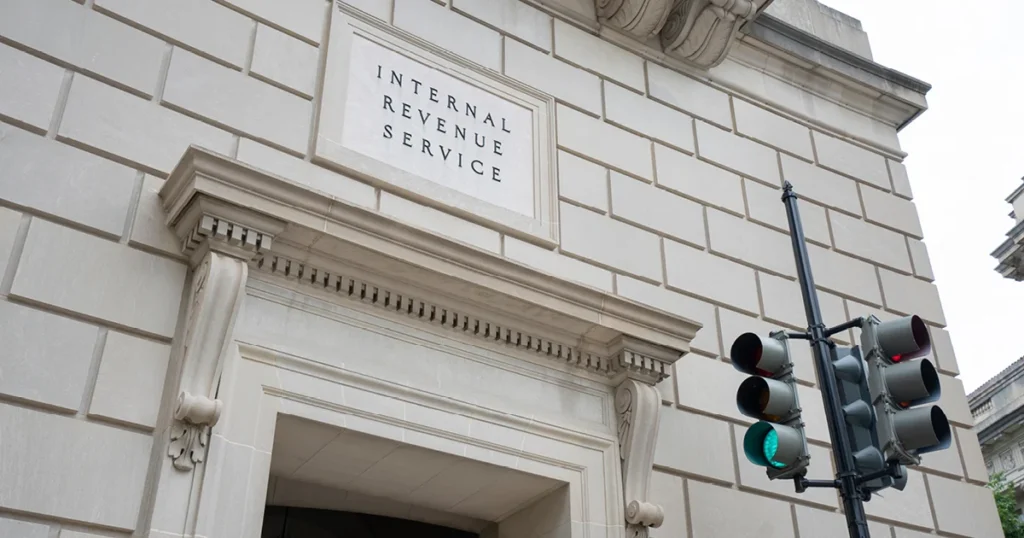
In a strategic bid to bolster its depleted ranks and alleviate chronic bottlenecks in taxpayer support, the Internal Revenue Service (IRS) has initiated a series of nationwide, in-person hiring events. This recruitment push, which targets essential seasonal roles, comes at a critical juncture for the agency, which has grappled with a significant contraction of its workforce over the past eighteen months.
Industry leaders, including the American Institute of CPAs (AICPA), have cautiously welcomed the move, viewing it as a tangible sign that the agency is acknowledging the systemic "pain points" that have hindered tax professionals and taxpayers alike.
The Scope of the Recruitment Initiative
The IRS is currently holding in-person hiring sessions in six major metropolitan hubs, including Kansas City, Jacksonville, Fla.; Covington, Ky.; Ogden, Utah; and Austin, Texas. These events, which began in mid-June and are scheduled to run through mid-July, represent a streamlined approach to talent acquisition.
The agency is primarily seeking to fill positions for clerks, contact representatives—often referred to as customer service representatives—and tax-examining technicians. According to official IRS guidance, interested candidates are encouraged to submit applications via the federal portal, USAJOBS, prior to attending the events. In an effort to accelerate the hiring timeline, agency officials are empowered to make on-the-spot job offers to qualified applicants, even those without prior professional tax experience.
Chronology of a Workforce in Flux
The current recruitment drive follows a period of profound organizational instability. The trajectory of the IRS workforce has been a subject of intense scrutiny from both congressional oversight committees and private-sector advocacy groups.
- January 2025: The IRS reported a total workforce of approximately 102,000 employees. At the time, tax professionals were already expressing concerns regarding the agency’s capacity to handle the upcoming filing season.
- March 2025: During testimony before the House Ways and Means Committee, IRS leadership maintained a stance of cautious optimism regarding staffing levels. Despite the brewing concerns from the professional community, agency leadership expressed comfort with the headcount at that time.
- December 2025: Data revealed a sharp contraction. The agency’s workforce plummeted to 74,000—a staggering 27% reduction in less than a year.
- May 2026: The IRS began signaling a change in strategy by announcing openings for team case leads within the Independent Office of Appeals, hinting at a broader need for specialized personnel.
- June 2026: The current series of nationwide, in-person hiring events was launched to directly address the frontline service gaps.
Supporting Data: The Cost of Attrition
The 27% drop in the IRS workforce documented by National Taxpayer Advocate Erin Collins serves as the primary catalyst for the current crisis. When the workforce drops by over 28,000 people in under a year, the ripple effects are felt across the entire American financial ecosystem.
Tax examiners, who are at the heart of this hiring surge, perform the "heavy lifting" of the agency: they analyze processing discrepancies, adjust complex taxpayer accounts, and manage inquiries regarding the intricate preparation of various tax returns and schedules. Without a sufficient number of examiners, backlogs accumulate, interest and penalties accrue for taxpayers, and the agency’s ability to conduct meaningful oversight is severely compromised.
Similarly, contact representatives act as the primary bridge between the agency and the public. Their role requires proficiency in navigating vast, computer-based IRS systems to provide real-time assistance. As the workforce dwindled, call wait times surged, leaving CPAs and taxpayers in a state of professional frustration.
Official Responses and Strategic Rationale
The initiative has received guarded praise from professional organizations. During the AICPA ENGAGE conference, AICPA Chair Jan Lewis, CPA, CGMA, addressed the situation directly. "What we need to say is that we do hear you," Lewis remarked, highlighting the persistent dialogue between the accounting profession and federal regulators. "We know the challenge is there, and we are hopeful. We think the IRS definitely wants to work with us… the best part of that is that we heard last week the IRS is now actually hiring to try to get new customer service representatives that will help us in some of our pain with reaching the IRS."
From the agency’s perspective, the hiring events are framed as a modernization of the public service experience. IRS leadership, including CEO Frank J. Bisignano, has emphasized that these roles are not merely administrative but are essential to the agency’s mandate. "These hiring events are an important step in strengthening our workforce and improving the taxpayer experience," Bisignano stated in a recent press release. "We are looking for individuals who want to make a meaningful impact while building a rewarding career in public service."
Implications for Tax Professionals and Taxpayers
The immediate implication of this hiring drive is a potential stabilization of taxpayer services. However, the long-term outlook remains complex.
1. Reducing the Administrative Burden
For CPAs and tax preparers, the primary benefit of an influx of trained customer service representatives is the mitigation of "dead time." When a professional spends hours on hold to resolve a simple administrative error on a client’s return, that cost is ultimately passed on to the taxpayer. By bolstering the frontline staff, the IRS is essentially attempting to lower the administrative cost of compliance for the entire nation.
2. The Training Challenge
While on-the-spot hiring is a bold step, it introduces a significant challenge: training. Tax law is notoriously complex, and the systems used by the IRS are legacy-heavy and require significant onboarding time. The agency’s willingness to hire those without prior tax experience suggests an internal commitment to a robust, accelerated training curriculum. The success of this hiring initiative will depend as much on the agency’s ability to train these new hires as it does on its ability to recruit them.
3. Institutional Knowledge and Morale
The massive turnover in 2025 likely resulted in a significant loss of institutional knowledge. As the agency pivots back to a growth phase, it faces the challenge of integrating a large cohort of new employees while rebuilding the internal culture that was likely strained during the period of layoffs.
4. Congressional Oversight
The discrepancy between the agency’s March 2025 assessment—where leadership felt "good" about staffing—and the subsequent realization of a 27% loss suggests that the IRS may have been caught off guard by the speed of attrition. Moving forward, the House Ways and Means Committee and other oversight bodies will likely demand more granular data on retention rates and training efficacy to ensure that this current hiring wave does not suffer from the same volatility as the previous year.
Conclusion
The IRS’s current recruitment campaign is a necessary correction to a period of unprecedented workforce contraction. By decentralizing its hiring process and bringing the application experience to the local level, the agency is attempting to modernize its approach to human capital management.
While the AICPA and the broader tax community have expressed optimism, the true measure of this initiative will be found in the coming months. If the agency can successfully recruit, train, and retain these new customer service representatives and tax examiners, it may finally be able to stem the tide of frustration that has defined the recent tax seasons. For now, the profession waits to see if these efforts will translate into shorter hold times, faster resolution of account issues, and a more responsive IRS for the American taxpayer.