The End of an Era: Navigating the Landscape of Mint Alternatives
For nearly two decades, Mint stood as the undisputed titan of personal finance. Launched in 2007, it revolutionized the industry by offering a free, automated way for millions of users to track spending, categorize transactions, and gain a bird’s-eye view of their financial health. However, in a move that signaled a massive shift in the fintech sector, Intuit—which acquired Mint in 2009—officially shuttered the service.
For the millions of users who relied on Mint to manage their household budgets, the closure was not merely an inconvenience; it was a disruption of their financial infrastructure. With the service now offline, the hunt for a worthy successor has become a top priority for personal finance enthusiasts. Having spent years testing, auditing, and living with these platforms, I have compiled a comprehensive guide to the best alternatives currently available.
A Chronology: From Innovation to Acquisition to Obsolescence
To understand why the loss of Mint is so significant, one must look at its trajectory:
- 2007: Mint.com launches, introducing the concept of "aggregation" to the masses. It provided a secure, read-only interface that pulled data from disparate bank accounts into one cohesive dashboard.
- 2009: Recognizing its potential, Intuit (the parent company of TurboTax and QuickBooks) acquires Mint for approximately $170 million.
- 2010–2020: Mint solidifies its position as the market leader, adding credit score tracking, investment monitoring, and custom budgeting tools.
- 2023–2024: Intuit announces the sunsetting of Mint.com, directing users toward Credit Karma—a platform that focuses more on credit monitoring and product recommendations than granular budgeting.
- 2025–Present: The "Post-Mint" era begins, with a surge of independent and enterprise-level competitors vying for the loyalty of the displaced user base.
The Top Contenders: A Detailed Analysis
Choosing a replacement depends largely on your personal financial philosophy—whether you prefer a hands-off automated approach or a deep-dive, manual-entry system.
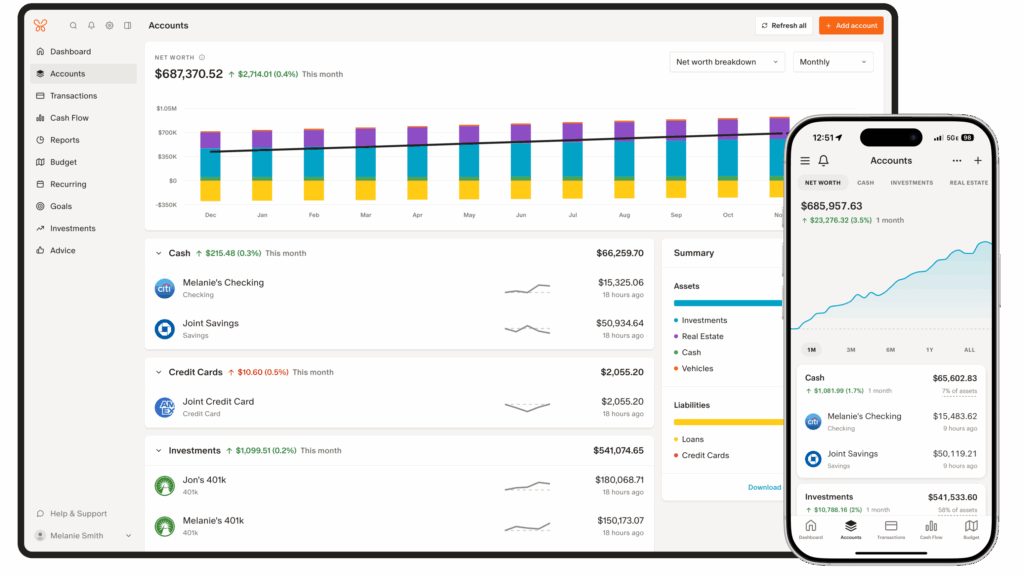
1. Monarch Money: The Premium All-Rounder
After extensive testing, Monarch Money has emerged as the premier choice for most users, particularly those who previously enjoyed the depth of Mint.
Why it stands out:
Monarch is built by former members of the original Mint team, and it shows. It offers a seamless transition with robust data import tools, allowing users to pull their transaction history from Mint. Its "Flex Budgeting" feature is a game-changer, allowing users to adjust budget caps for fluctuating expenses without breaking their overall financial plan.
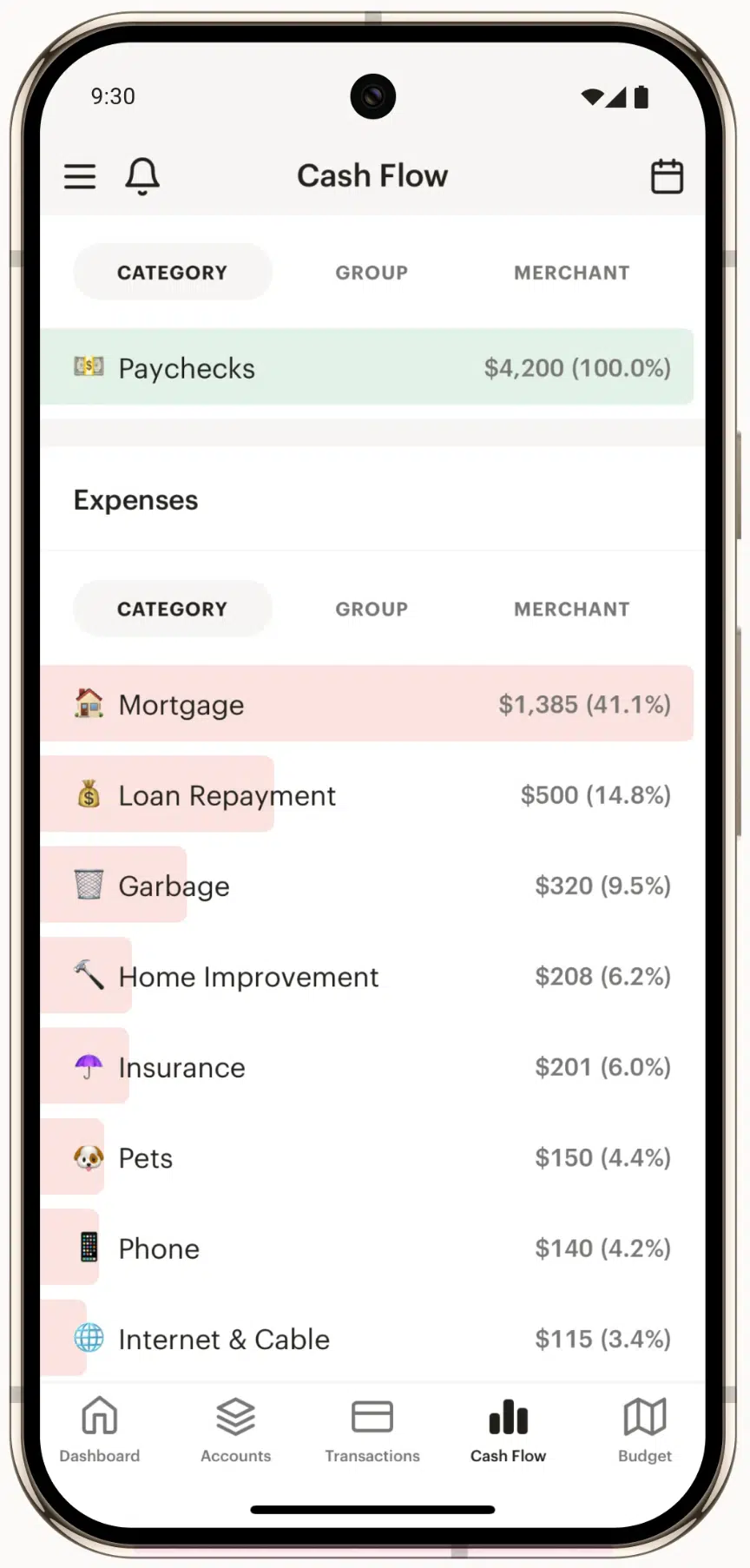
- Key Features: Subscription management, collaborative tools for couples, comprehensive investment tracking, and a clean, ad-free interface.
- Pricing: While it operates on a subscription model ($8.33/month, billed annually), the quality of the user experience and the absence of data-selling incentives make it a superior investment for your peace of mind.
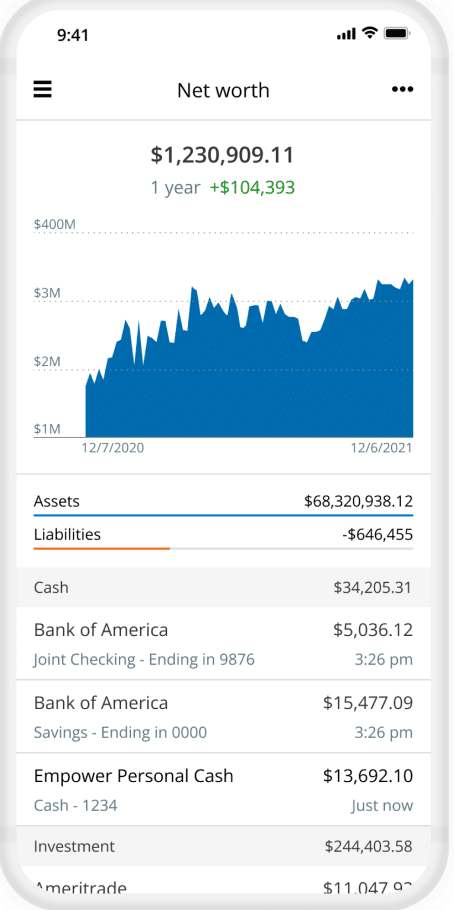
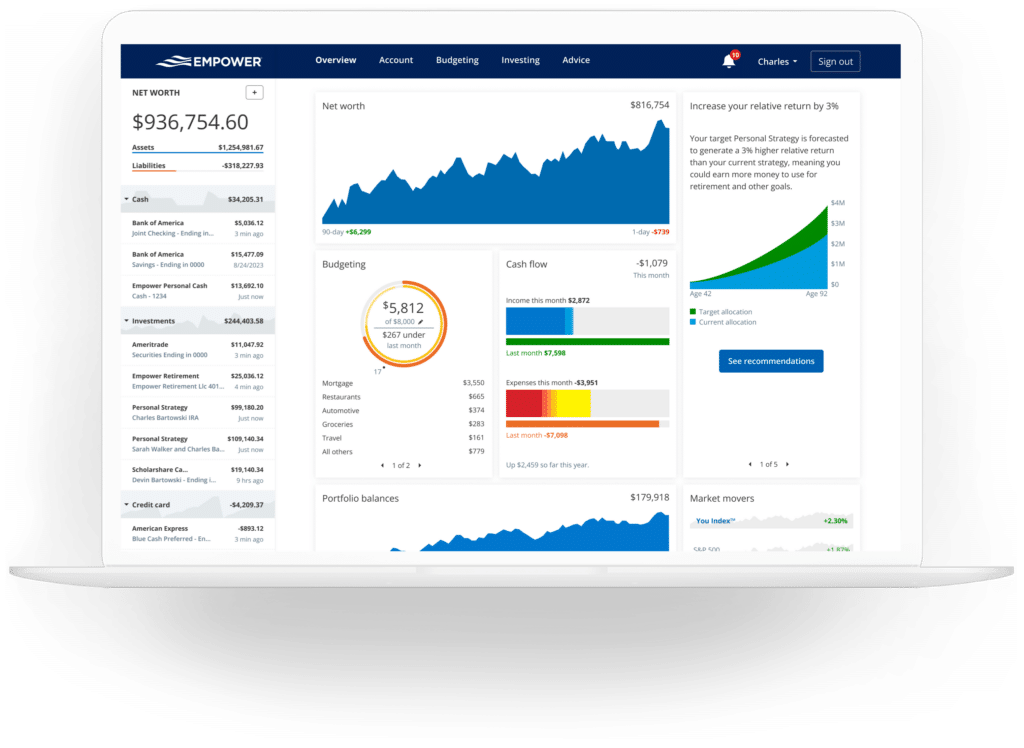
2. Empower: The Best Free Alternative
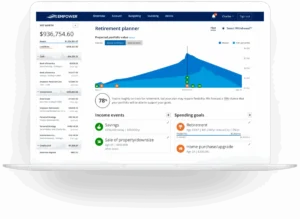
If your primary concern is maintaining a free service that mirrors Mint’s legacy of investment tracking, Empower (formerly Personal Capital) remains the gold standard.
Why it stands out:
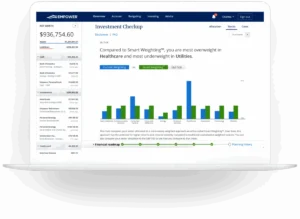
Empower isn’t just a budget tracker; it is a full-featured wealth management platform. While its budgeting tools are less granular than Monarch’s, its ability to analyze portfolio asset allocation and identify hidden investment fees is unmatched in the free tier.
- Key Features: Real-time net worth tracking, retirement planning simulations, and an exceptionally secure dashboard that pulls in everything from credit cards to 401(k) accounts.
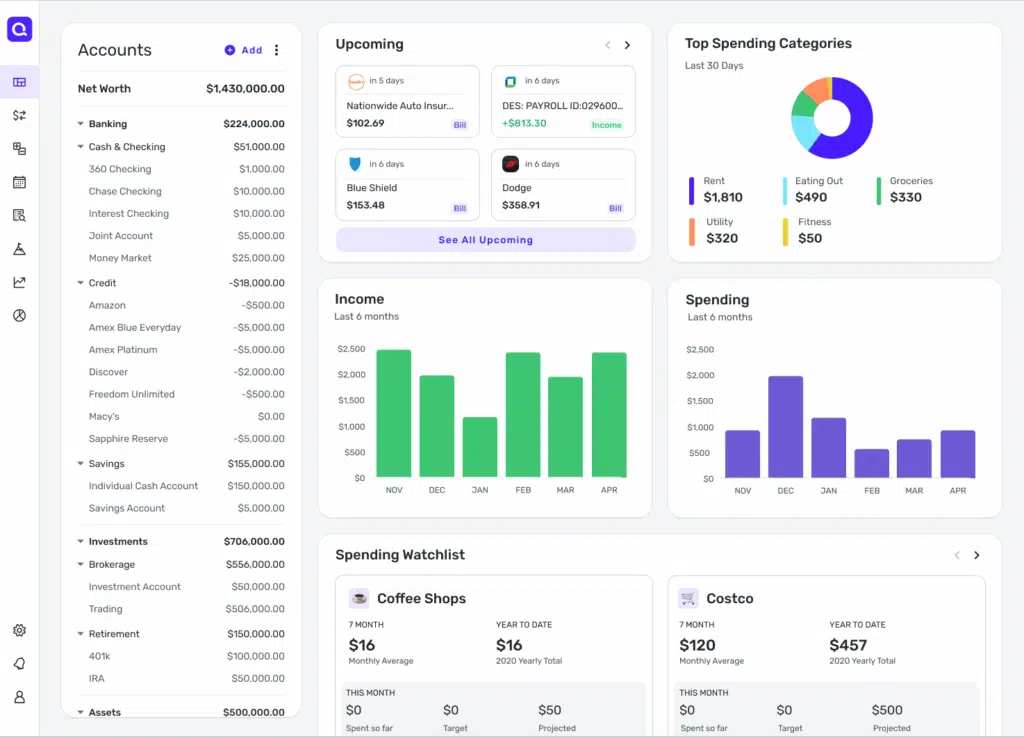
3. Quicken Simplifi: The Smartphone Specialist
For the user who lives entirely on their phone, Quicken Simplifi provides a streamlined, mobile-first experience that prioritizes automation.

Why it stands out:
Simplifi was designed from the ground up for the modern mobile user. It excels at "Spending Plans," which automatically calculate your remaining "safe-to-spend" balance after accounting for bills and savings goals. It removes the clutter often found in older desktop-based financial software.
4. Rocket Money: The Budgeting Optimizer
Rocket Money has gained massive popularity for its ability to identify and cancel unwanted subscriptions—a major pain point for the modern consumer.
Why it stands out:
If your financial goal is strictly to reign in spending, Rocket Money’s interface is arguably the most intuitive. It offers a "pay-what-you-want" model for its premium features, making it accessible while providing professional-grade tools like credit monitoring and net worth reporting.
5. Origin: The Financial Wellness Powerhouse
Origin is for the user who wants to move beyond simple budgeting and into holistic financial planning.
Why it stands out:
Origin integrates AI to answer complex financial questions. Instead of just showing you a chart, it acts as a digital advisor. It includes features like tax software, trust-building tools, and access to Certified Financial Planners (CFPs). It is, without a doubt, the most comprehensive solution on this list.
6. Tiller Money: The Spreadsheet Enthusiast’s Dream
For those who prefer total control, Tiller is unique. It doesn’t use a proprietary app; it pipes your financial data directly into a Google Sheet or Excel file.
Why it stands out:
There is no "learning curve" if you are already comfortable with spreadsheets, but the power it gives you is infinite. You can build your own custom reports, pivot tables, and visualizations. It is the antithesis of the "black box" budgeting apps.
7. You Need A Budget (YNAB): The Zero-Based Budgeting King
YNAB is less of an app and more of a philosophy. It forces you to give "every dollar a job."
Why it stands out:
It is incredibly effective at changing spending habits. However, it is not an investment tracker. If you want to stop living paycheck to paycheck, YNAB is the gold standard. If you want to monitor your stock portfolio growth, look elsewhere.
Implications for the Consumer
The collapse of Mint signifies a broader trend in personal finance: the shift from "free" ad-supported tools to "premium" user-supported services. For years, the trade-off for free budgeting was the presence of credit card advertisements and data mining. Today’s market leaders, such as Monarch and Tiller, prioritize data privacy and feature-rich user experiences over third-party marketing.
Comparison Matrix
| App | Best For | Price Model |
|---|---|---|
| Monarch | Couples & Depth | Subscription |
| Empower | Investment Tracking | Free |
| Simplifi | Mobile Users | Subscription |
| Rocket | Subscription Mgmt | Freemium |
| Origin | Holistic Planning | Premium |
| Tiller | Spreadsheet Lovers | Annual Fee |
| YNAB | Behavioral Change | Subscription |
Frequently Asked Questions (FAQs)
Q: Can I really move my history from Mint to these new apps?
A: Yes. Most of these platforms have built-in importers that accept CSV files. While you may have to do some manual re-categorization, the process is generally straightforward.
Q: Is it safe to link my bank accounts to these apps?
A: All the apps listed use bank-level encryption (typically 256-bit AES) and read-only access. They do not have the authority to move money out of your accounts.
Q: Why would I pay for a budgeting app when I can use a spreadsheet?
A: While a spreadsheet is free, automated apps save hours of time each week by syncing with your banks. For most, the monthly cost of a few dollars is a fair price for the time saved and the improved accuracy of their financial data.
Final Thoughts: The Path Forward
The closure of Mint was a wake-up call for the financial community. We are no longer in the early, experimental days of fintech; we are in a mature market where users demand privacy, deep data analysis, and reliable automation. Whether you choose the high-tech guidance of Origin, the spreadsheet precision of Tiller, or the user-friendly interface of Monarch, the most important step is simply to keep tracking. Your financial future depends on the visibility you maintain over your accounts today. Choose the tool that fits your lifestyle, migrate your data, and regain control of your financial narrative.