Beyond the Spreadsheet: The Definitive Guide to Modern Net Worth Tracking
In the landscape of personal finance, your net worth—the simple difference between your assets and your liabilities—remains the single most accurate "north star" for your long-term financial health. While a rudimentary spreadsheet can provide a snapshot of your current situation, the modern era of financial technology has transformed net worth tracking from a static calculation into a dynamic, automated, and deeply analytical process.
Today’s leading platforms do far more than arithmetic; they integrate with your global financial footprint to provide real-time data on investments, retirement accounts, real estate valuations, and even cryptocurrency holdings. For those looking to move beyond manual entry and into the realm of intelligent financial oversight, we have evaluated the top tools available today.
Main Facts: Why Automate Your Net Worth?
Historically, managing one’s wealth required tedious manual updates. You would log into a bank website, copy a balance, log into an investment portal, and repeat the process for credit cards and loans. This friction often leads to abandonment; people stop tracking their finances because the effort outweighs the insight.
Modern net worth trackers solve this by utilizing secure API integrations—often provided by third-party services like Plaid or Finicity—to pull data automatically. When you link your accounts, these tools create a "digital twin" of your financial life.
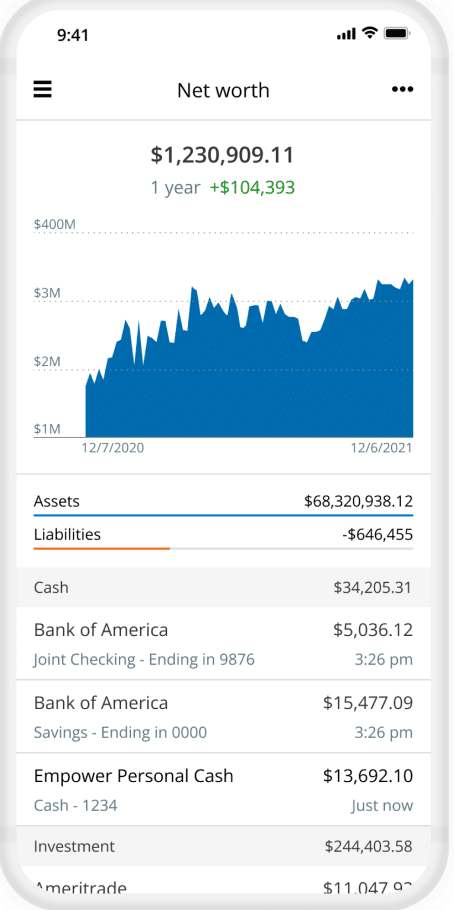
Key features of top-tier trackers include:
- Automated Syncing: Real-time updates of balances across dozens of institutions.
- Asset Valuation: Integration with platforms like Zillow to estimate home values or vehicle databases for car valuations.
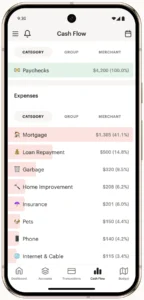
- Performance Analytics: Visualization of asset allocation, investment fees, and historical growth trends.
- Security: Most platforms utilize bank-level AES-256 encryption, ensuring that your read-only data is stored with the same rigor as the institutions holding your money.
Chronology and Evolution of Financial Tracking
The evolution of these tools follows the broader trajectory of the Fintech revolution. A decade ago, tools like Mint (which has since been shuttered) dominated the market, focusing primarily on budgeting and expense categorization. As the "FIRE" (Financial Independence, Retire Early) movement gained momentum, the focus shifted from mere penny-pinching to comprehensive wealth management.
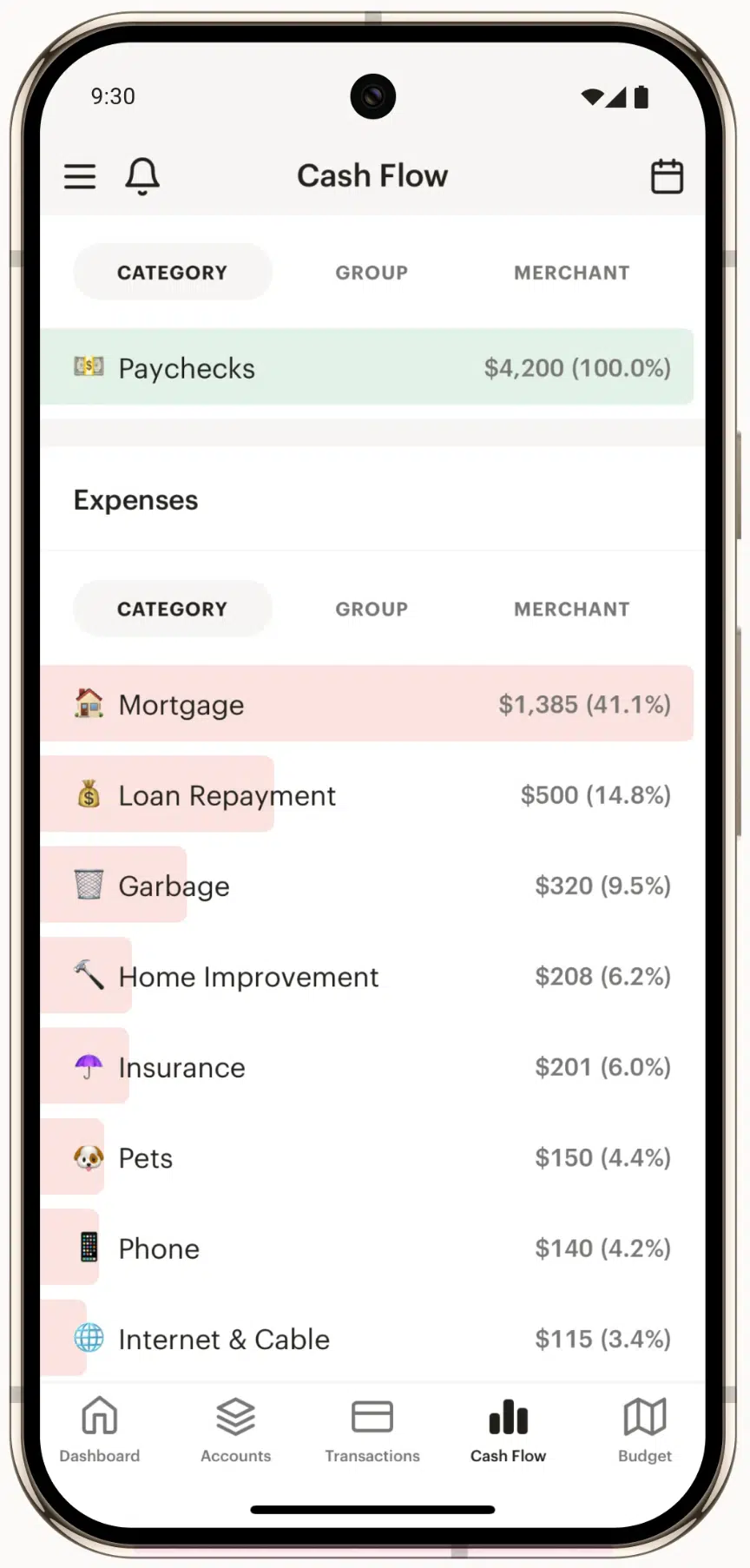
- The Spreadsheet Era: Users relied on Excel or Google Sheets. It was customizable but prone to human error and high maintenance.
- The Aggregator Era (2010–2018): Mint and early versions of Personal Capital introduced the concept of "one-click" viewing for disparate accounts.
- The Holistic Era (2019–Present): Apps like Monarch, Kubera, and Empower have moved toward "Financial OS" models. These platforms now include AI-driven insights, subscription management, and granular investment analysis, moving the user from passive monitoring to active financial management.
Supporting Data: Top Picks for 2025
1. Empower (Formerly Personal Capital) – The Editor’s Choice
Empower remains the gold standard for those who prioritize investment oversight. By offering a free, high-powered dashboard, it stands as the most accessible tool for high-net-worth individuals and novice savers alike.
- Best For: Investment management and fee analysis.
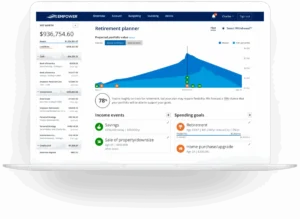
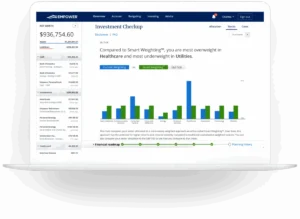
- The Advantage: It includes an "Asset Allocation Inspector" and a "Retirement Planner" that runs Monte Carlo simulations to predict your success probability.
- Verdict: If your primary goal is to optimize your portfolio and visualize your progress toward retirement, no other free tool competes.
2. Monarch Money – The All-Rounder
Monarch has surged in popularity due to its intuitive design and robust, user-centric feature set. It is arguably the most "polished" budgeting and net worth app on the market.
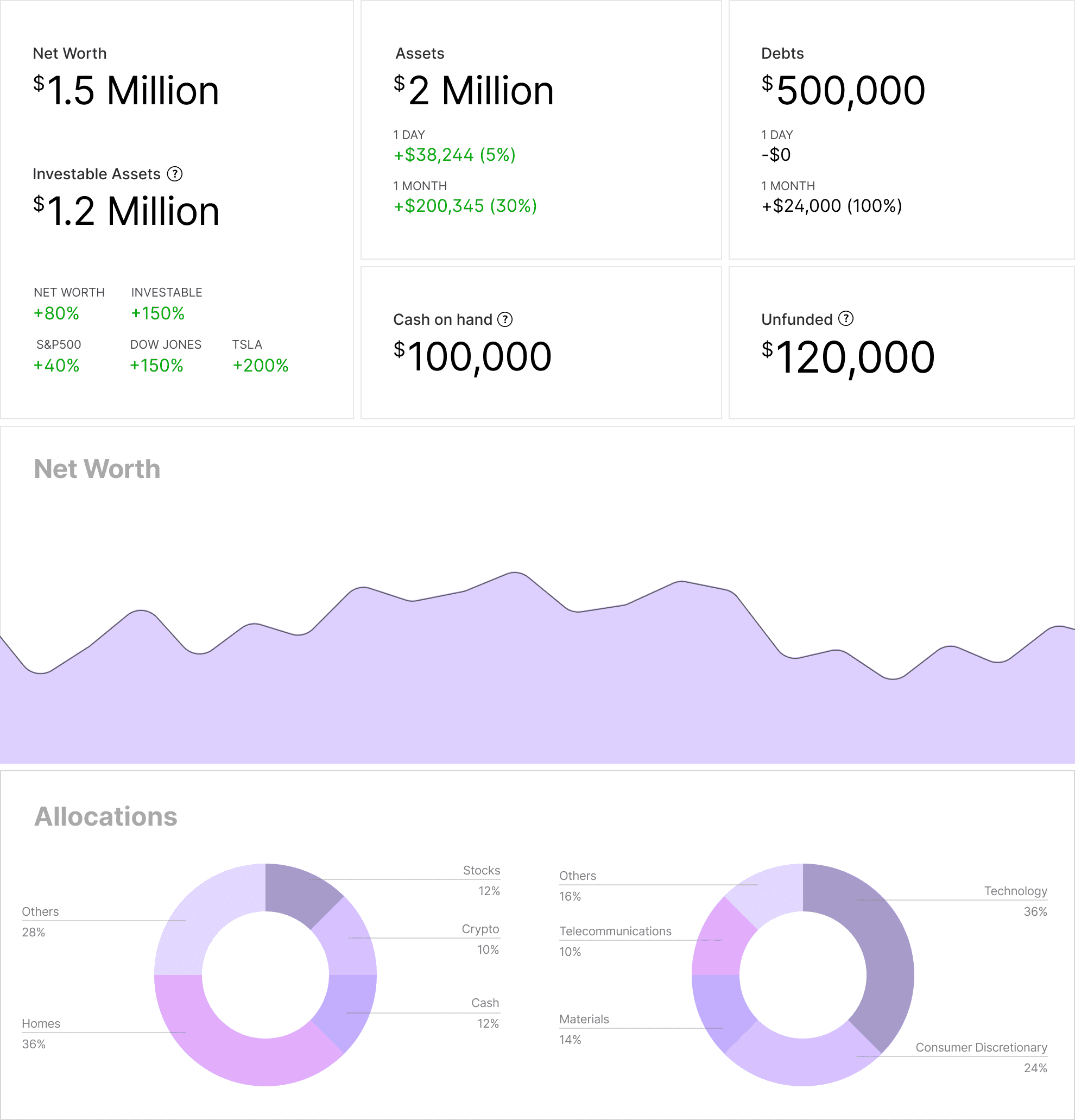
- Best For: Budgeting, subscription management, and collaborative household finance.
- Innovative Features: The newly integrated AI assistant allows users to query their financial data naturally (e.g., "How much did I spend on groceries this month?"), and a receipt scanner that automates categorization.
- Verdict: Ideal for couples or individuals who want a premium, ad-free experience that balances net worth tracking with strict budgeting.
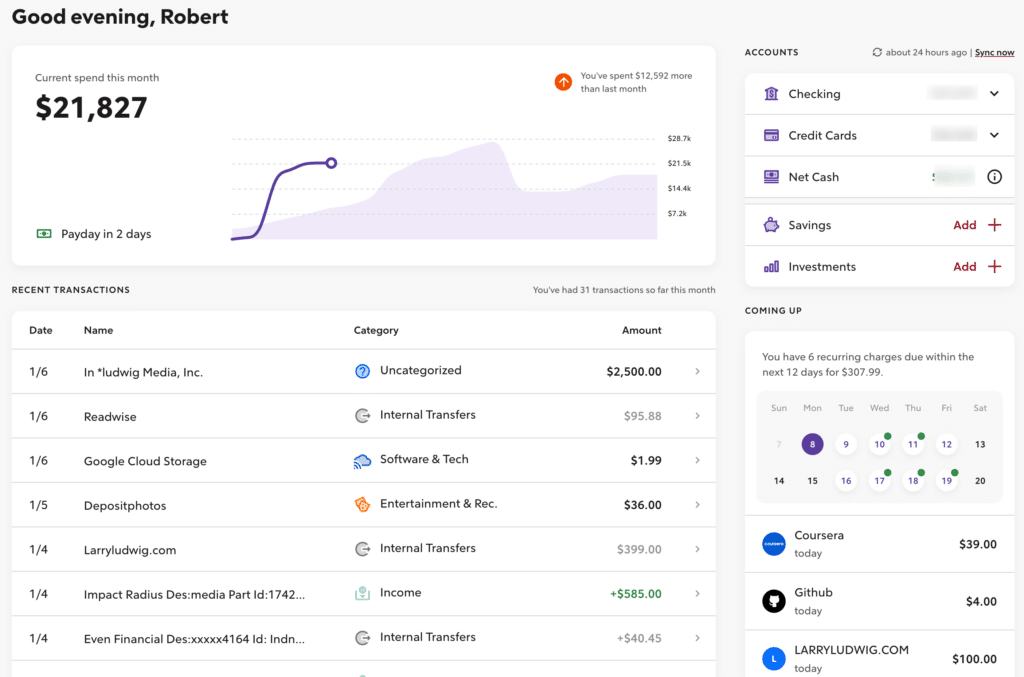
3. Rocket Money – The Subscription Slayer
While often marketed as a budget app, Rocket Money’s ability to track net worth is surprisingly capable, making it an excellent "all-in-one" for the average consumer.
- Best For: Managing recurring costs and simplifying the dashboard experience.
- Verdict: If you are looking to trim the "fat" from your budget while keeping an eye on your growing assets, Rocket Money is the most user-friendly entry point.
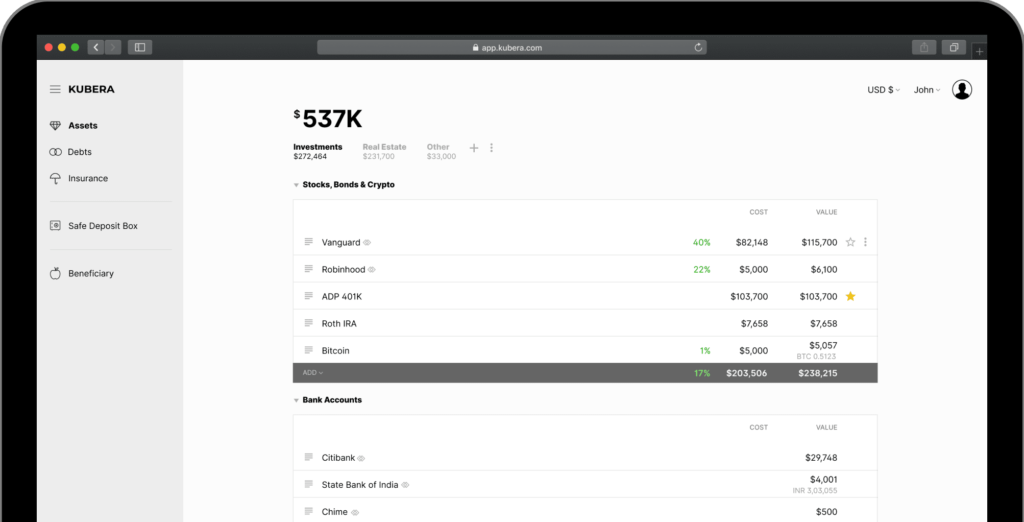
4. Kubera – The Advanced Tracker
For those who have complex portfolios—including crypto, domain names, and diverse real estate—Kubera offers a level of customization that others lack.
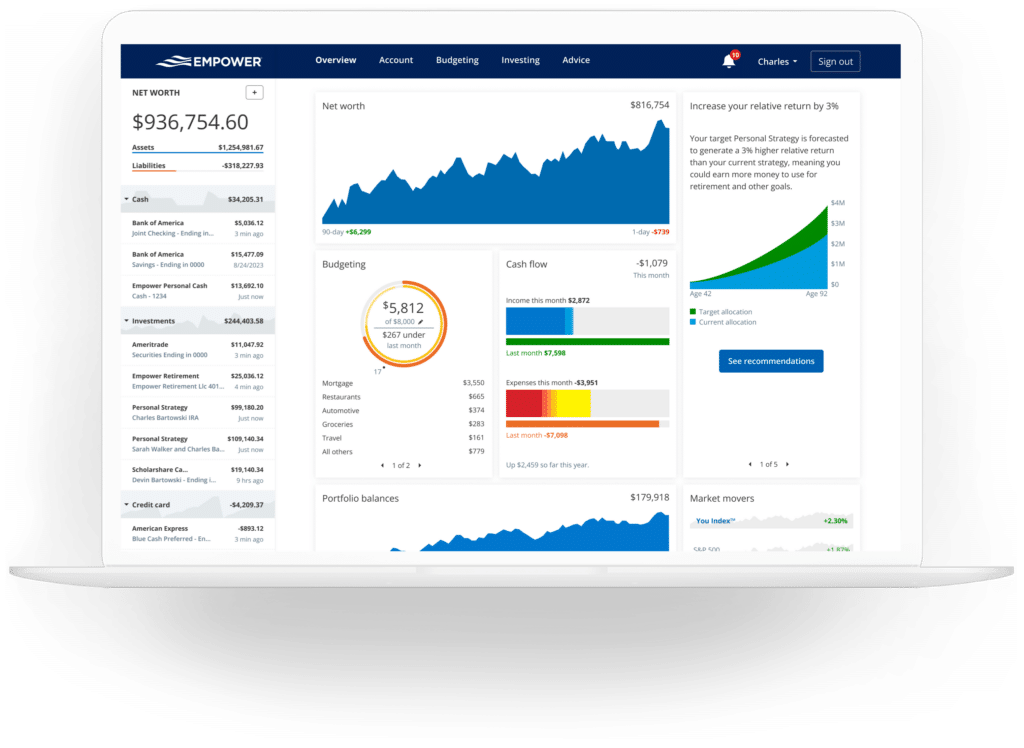
- Best For: High-net-worth individuals with diverse, non-traditional assets.
- The Advantage: Unlike competitors that focus on banking, Kubera functions as a "digital vault," allowing users to store important documents and track assets that don’t have traditional bank feeds.
- Verdict: While it carries a $250 annual price tag, the level of control and the clean, ad-free interface make it the preferred choice for sophisticated investors.
5. Simplifi by Quicken
A lightweight, modern alternative to the classic Quicken desktop software, Simplifi is designed for the mobile-first generation.
- Best For: Users who want a fast, reliable, and aesthetically pleasing interface.
- Verdict: It strikes a perfect balance between the complexity of traditional accounting software and the simplicity of modern apps.
6. Tiller – The Spreadsheet Powerhouse
For the "spreadsheet purist," Tiller is not an app, but a service. It feeds your real-world financial data directly into Google Sheets or Microsoft Excel.
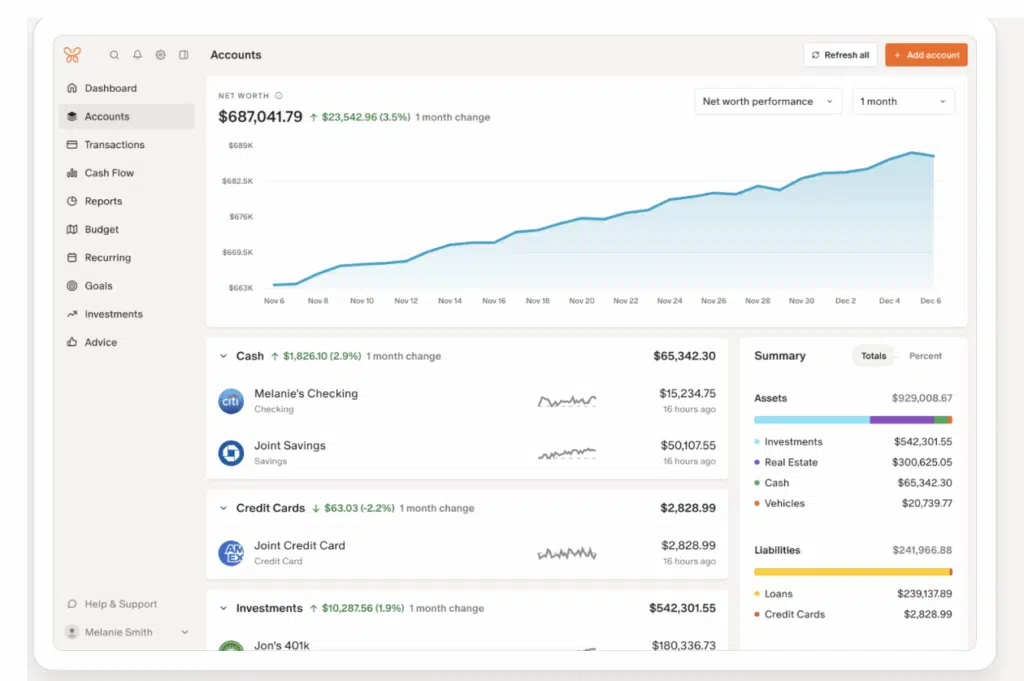
- Best For: Power users who want total control over their data and custom reporting.
- Verdict: If you find the UI of traditional apps too limiting, Tiller is the ultimate solution. You own the data, you own the formulas, and you own the visualization.
Implications of Using These Tools
The adoption of an automated net worth tracker has profound psychological and financial implications.
The "Net Worth Effect": When a user begins tracking their net worth, they often experience a behavioral shift. Seeing your debt decrease and your assets grow creates a positive feedback loop. This encourages consistent saving and discourages impulsive spending, as the impact on the "big picture" is immediately visible.
Risk Management: By centralizing your accounts, you gain a high-level view of your exposure. For instance, an asset allocation tool might reveal that you are over-weighted in a single sector, such as technology, or that your cash reserves are sitting in an account with poor interest rates. These insights allow for proactive rebalancing.
The Privacy Trade-off: While these services utilize high-level encryption, users must remain vigilant. Sharing read-only credentials with a third-party aggregator requires a baseline level of trust. It is recommended that users enable Multi-Factor Authentication (MFA) on all financial accounts linked to these services to provide an extra layer of security.
Final Thoughts: Taking Control
Tracking your net worth is the foundation of financial independence. Whether you choose the sophisticated investment analysis of Empower, the collaborative budgeting power of Monarch Money, or the spreadsheet-level control of Tiller, the most important step is simply starting.
Technology has removed the excuses. You no longer need to spend hours calculating your wealth by hand. By automating the data collection, you free up your mental energy to focus on what actually matters: your financial strategy, your goals, and your future. Choose the tool that aligns with your personality—whether you are a "set-it-and-forget-it" investor or a "hands-on" spreadsheet architect—and start measuring your progress today. You cannot manage what you do not measure, and with these tools, measurement has never been easier.