Navigating the Paradox: High Growth, Surging Inflation, and the Great Market Disconnect
September 27, 2026
By Ben Carlson
1. Main Facts: The Great Economic Paradox
These are unprecedented and deeply contradictory times for the global economy and domestic financial markets. We are currently living through a macro-economic paradox that defies traditional financial textbooks, pitting robust structural growth against stubborn inflationary pressures and depressed consumer sentiment.
At the center of this strange landscape is a series of stark financial realities:
- Mortgage Rates: Home loan costs have officially pushed back over the 7% threshold, severely dampening the housing market.
- Employment: The national unemployment rate remains remarkably resilient at just 4%.
- Yields: Fixed-income investors are enjoying a rare windfall, with high-quality bonds yielding 5% and cash equivalents offering 4%—rates that have accelerated upward at a staggering clip.
- Commodities: Consumers continue to absorb the shock of $100-per-barrel oil and $5-per-gallon gasoline.
- Inflation & Monetary Policy: Headline inflation sits stubbornly at 3.4%, remaining well above the Federal Reserve’s coveted 2% target, prompting the central bank to resume rate hikes.
- Equities: Despite all these headwinds, the stock market is hovering near all-time highs.
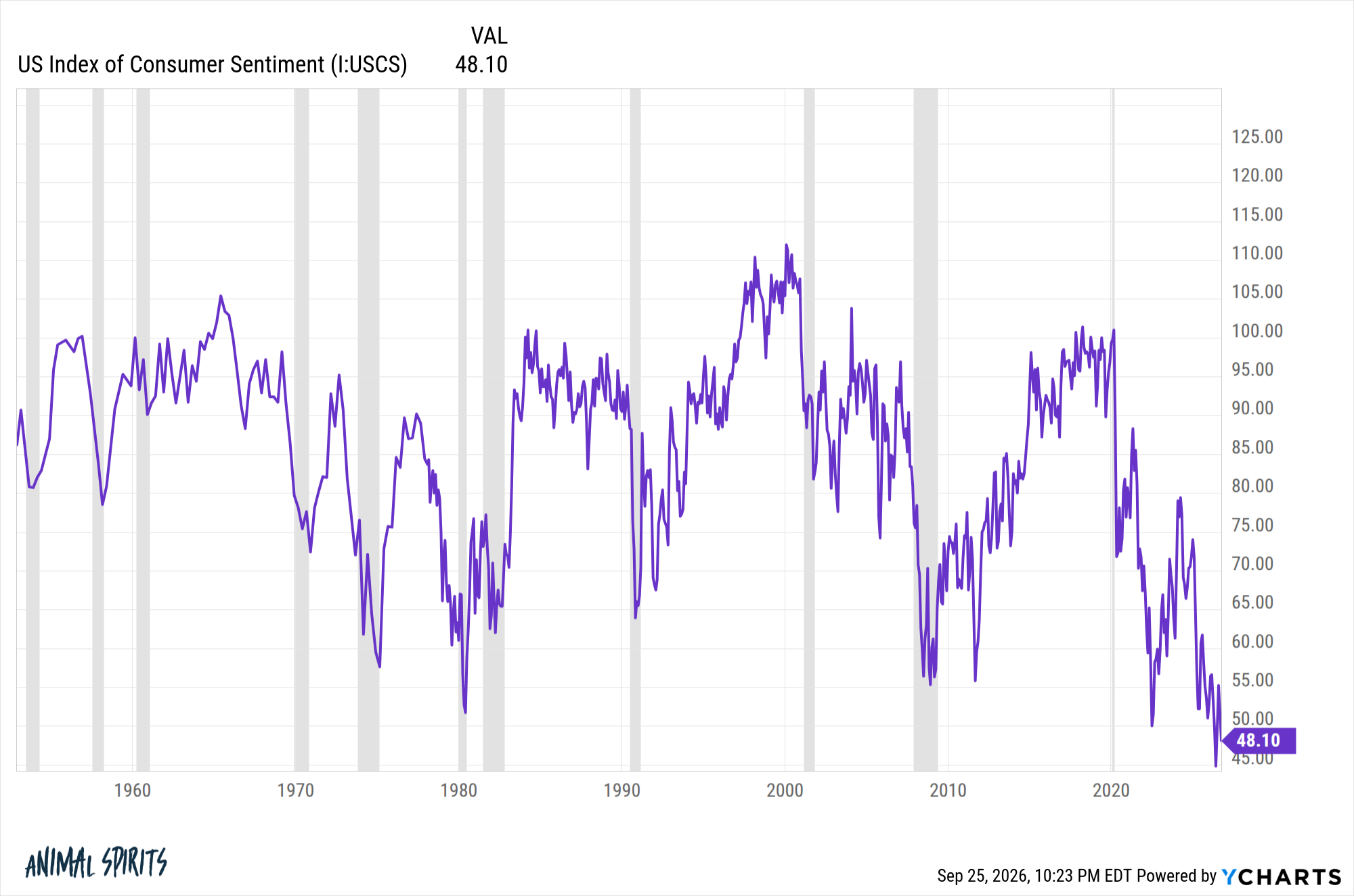
- The Sentiment Gap: Consumer sentiment remains depressed near historic lows, creating a massive psychological disconnect between hard economic output and public perception.
2. Chronology: The Journey from Pandemic Stimulus to 2026 Extremes
To understand how we arrived at this precarious juncture, it is vital to trace the historical timeline of monetary policy and market behavior over the past six years:
- March 2020 (The Covid Shock): In the immediate panic of the pandemic, central banks drove interest rates to historical floors. Treasury yields plummeted across all maturities, and fixed-income assets offered virtually zero return. Finance theory dictated that risk assets should face a protracted period of repricing.
- 2020–2021 (The Stimulus Era): Unprecedented fiscal stimulus flooded the domestic economy. Concurrently, a historic technology bull market took shape, supercharged by remote-work demand and hyper-growth tech companies.
- 2022 (The Great Rate Reset): As inflation roared back, the Federal Reserve embarked on one of the most aggressive tightening cycles in modern history. The 10-year Treasury yield, which bottomed near 0.5% in March 2020, began a relentless climb, breaking past 4% and eventually pressing toward 5.2%. This rapid escalation triggered a painful bear market in equities in 2022 and absolutely devastated long-duration bonds.
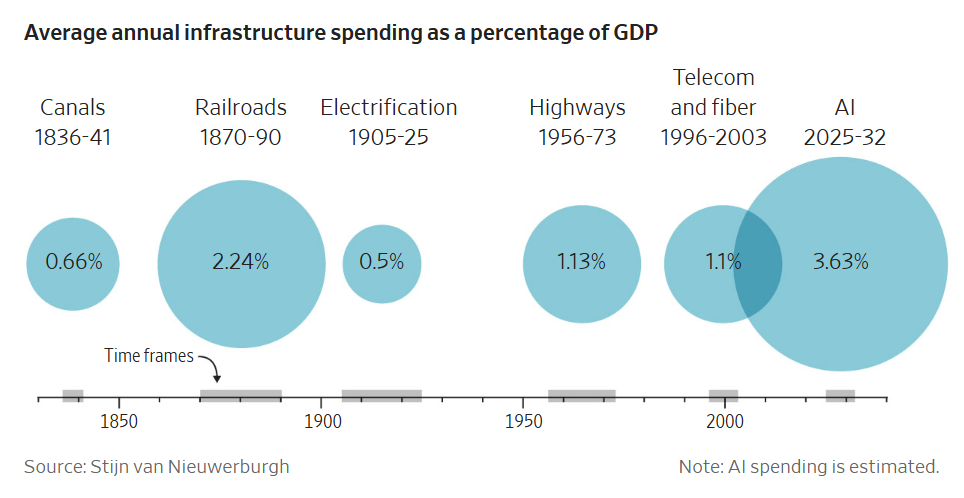
- 2023–2025 (The AI Boom and Labor Resilience): Rather than rolling over into a deep recession as many predicted, the economy found an unexpected engine: artificial intelligence. Hyperscaler capital expenditure exploded into what The Wall Street Journal has termed one of the biggest economic bets in U.S. history. Meanwhile, the labor market defied gravity, with unemployment staying low and wage growth accelerating.
- September 2026 (Current State): Inflation remains sticky at 3.4% due to ongoing geopolitical conflicts and massive structural capex. The Fed has resumed rate hikes to cool an economy that refuses to slow down, leaving investors and consumers alike trying to make sense of a completely rewritten rulebook.
3. Supporting Data: Growth, Labor, and Market Anomalies
The narrative of economic strength is backed by hard data points that continue to surprise economists and forecasters alike.
GDP Growth Defies Gravity
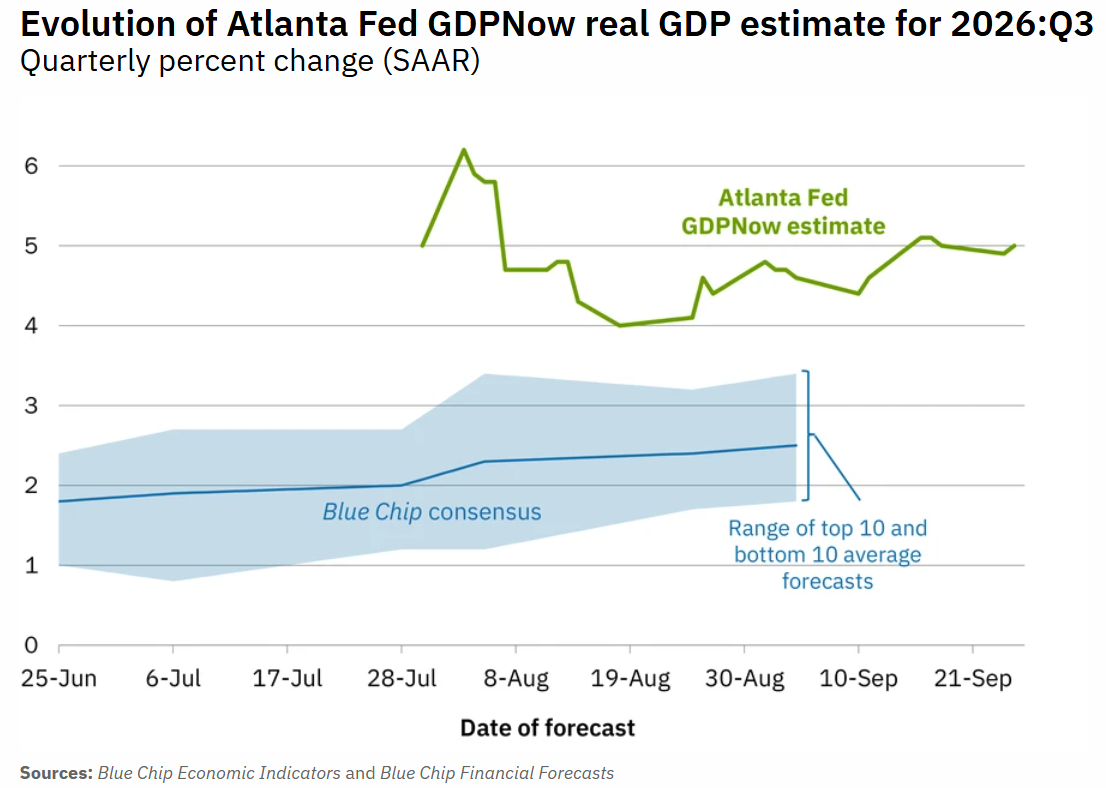
According to the Atlanta Fed’s GDPNow model, real (inflation-adjusted) Gross Domestic Product growth for the third quarter is forecasted at an astounding 5%. While econometric models are always subject to revision, the sheer velocity of economic output flies in the face of warnings from professional forecasters who have spent years predicting an imminent downturn.
A Robust, Defiant Labor Market
Job market metrics show surprising structural strength. Over the trailing 12-month period:
- Initial unemployment claims have dropped by 12%.
- Continuing claims have decreased by 11%.
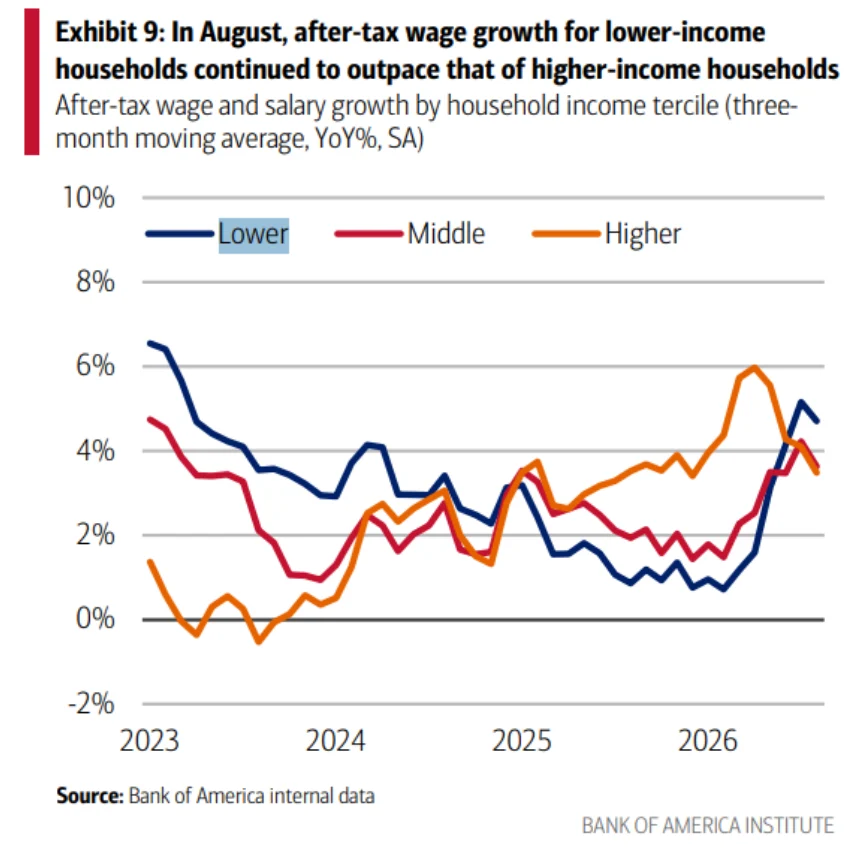
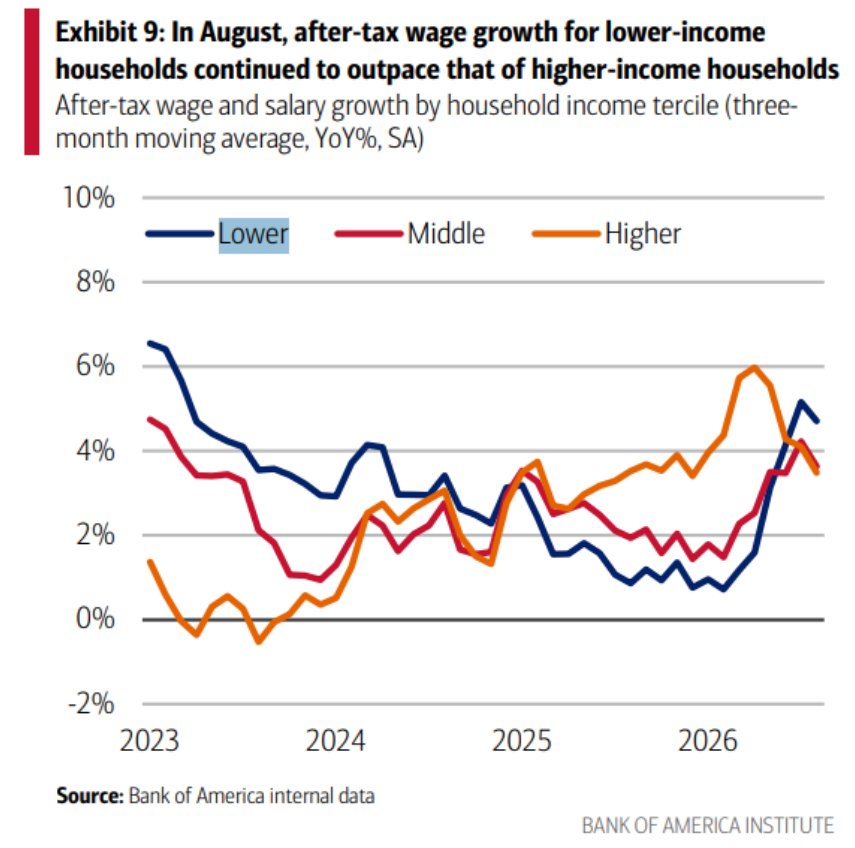
- Wage growth is actively accelerating specifically for lower- and middle-class workers.
This labor market tightening is occurring despite widespread anxiety over automation and artificial intelligence displacing human workers—a fear that has yet to manifest in headline employment figures.
The Great Divergence: Stocks vs. Long Bonds
Classical finance theory teaches that rising interest rates should penalize risk assets. Higher discount rates reduce the present value of future corporate cash flows, spelling doom for equities—particularly long-duration growth stocks.
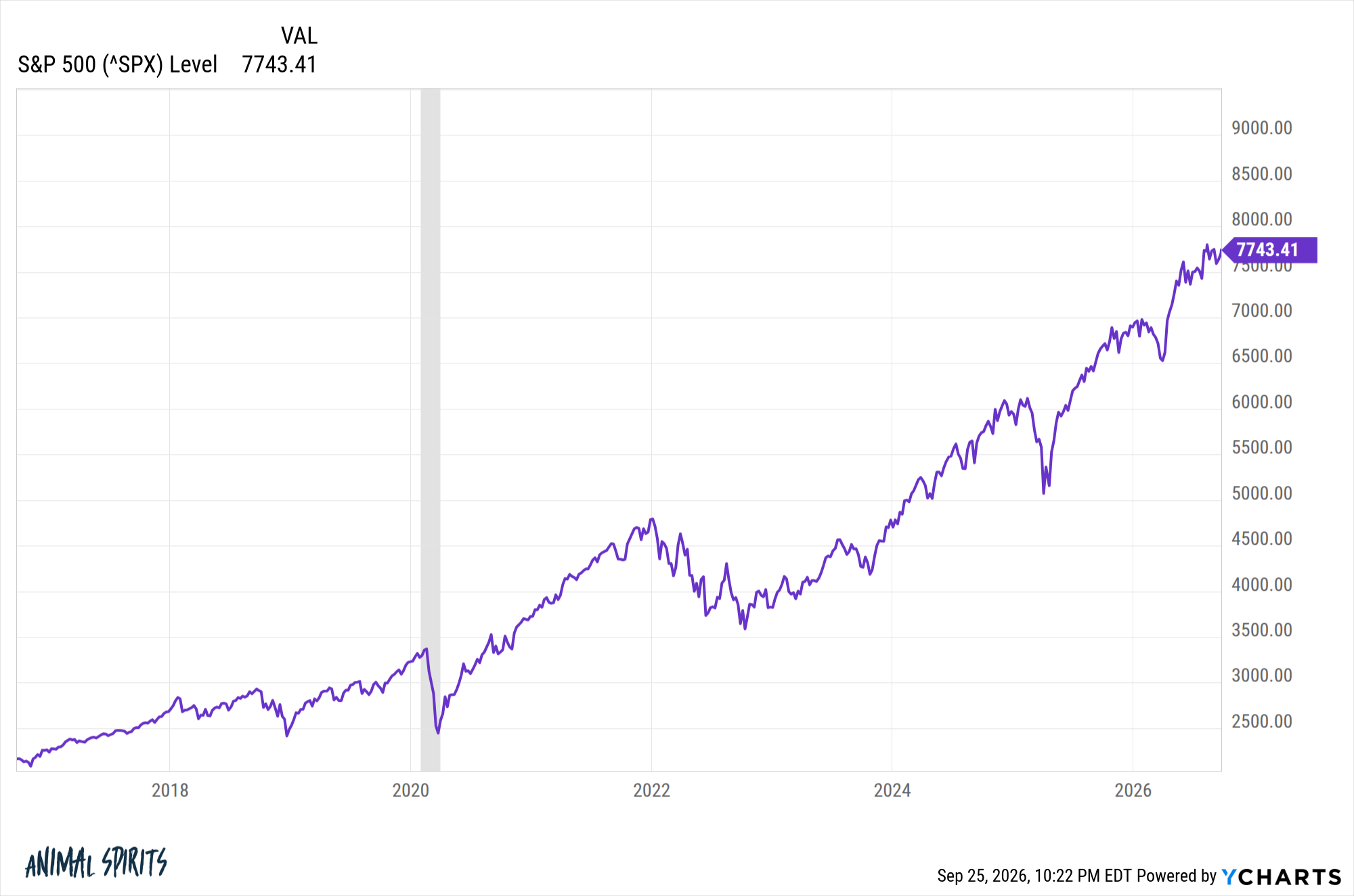
Yet, market reality ignored the textbook. Measured from the absolute bottom of the 10-year Treasury yield on March 9, 2020 (0.5%), to the current environment where yields have pushed past 5%, the S&P 500 has delivered a staggering 210% total return (roughly 18.8% annualized). Even after factoring in a 4% average annual inflation rate over that period, equity investors have enjoyed a real return of nearly 15% annualized.
Conversely, long-term government bonds have suffered tremendously. Fixed-income securities like long-duration Treasuries are enduring a historic lost decade, proving that traditional safe-haven assets can carry devastating opportunity costs during inflationary regime shifts.
4. Official Responses and Institutional Perspectives
Financial regulators, central bankers, and industry analysts are grappling with tools that appear increasingly mismatched against modern economic drivers.
The Federal Reserve’s Dilemma
Federal Reserve officials find themselves boxed into a corner. With economic growth running hot at 5% and inflation lingering above target at 3.4%, traditional monetary policy dictates further tightening. However, Chairman Jerome Powell and the Federal Open Market Committee (FOMC) face limitations regarding what higher short-term rates can actually achieve.
Raising the federal funds rate does little to directly resolve geopolitical supply shocks—such as regional conflicts impacting energy corridors that drive oil prices to $100 and gasoline to $5. Furthermore, central bankers admit uncertainty regarding how high borrowing costs must go before they can meaningfully impact corporate technology spending.
Corporate Titans and the AI Capex Gamble
Corporate America—specifically mega-cap technology firms—is engaged in a multi-billion-dollar infrastructure buildout centered on artificial intelligence data centers, semiconductors, and power grids. Analysts note that these capital expenditures are largely funded by massive corporate balance sheets and free cash flow rather than traditional commercial bank lending. Consequently, standard interest rate hikes are struggling to put the brakes on the AI investment boom.
As market historian and author Ben Carlson notes, "Raising short-term interest rates isn’t going to stop geopolitical conflicts to bring energy prices back down, nor is it clear how much it will slow hyperscaler spending on AI."
5. Implications: Living with Confusion as the New Normal
What does this complex mosaic mean for everyday consumers, corporate leaders, and long-term investors?
For the Everyday Consumer
The disconnect between macroeconomic metrics and lived experience is palpable. While aggregate wage growth is strong and the employment rate is low, the cumulative effects of high inflation, 7% mortgages, and expensive fuel have severely eroded purchasing power confidence. Consumers feel poorer even as the national economic engine roars ahead, explaining why consumer sentiment languishes near historic lows despite a booming stock market and low unemployment.
For Investors and Portfolio Management
The traditional 60/40 portfolio—long considered the bedrock of prudent asset allocation—has been forced to evolve. The old correlation assumptions between stocks and bonds broke down during the 2022 inflationary spike, and they remain fractured today.
Investors can no longer rely on low-yield environments or passive defensive plays. With cash yielding 4% and high-quality bonds paying 5%, fixed income finally offers a legitimate alternative to equities. However, the staggering returns of the tech-driven S&P 500 demonstrate that abandoning growth assets entirely carries its own heavy penalty.
The Ultimate Takeaway
As legendary investor Charlie Munger famously observed:
"If you’re not confused, you don’t understand what’s going on."
In 2026, confusion is no longer an anomaly—it is the baseline reality of the modern economic landscape. Policymakers are wielding twentieth-century tools against twenty-first-century technological and geopolitical forces. Until these structural imbalances resolve themselves, markets will likely continue to defy conventional wisdom, proving that while economic theories can be taught in classrooms, the real-world market marches to the beat of its own drum.