The Great Debate: Choosing Between S&P 500 and Total Stock Market Index Funds
For decades, individual investors have wrestled with a seemingly complex dilemma: Should they anchor their portfolios in the S&P 500 or opt for the broader coverage of a total stock market index fund? This is the "VOO vs. VTI" question—or, for those using mutual funds, "VFIAX vs. VTSAX."
With over 30 years of personal investing experience and nearly two decades of financial writing, I have found that this question often causes unnecessary anxiety. While the nuances of portfolio construction can be technical, the practical answer for the vast majority of investors is remarkably simple. Whether you choose the S&P 500 or the total stock market, you are selecting a high-quality, low-cost vehicle for capturing the growth of U.S. equities.
Main Facts: Understanding the Building Blocks
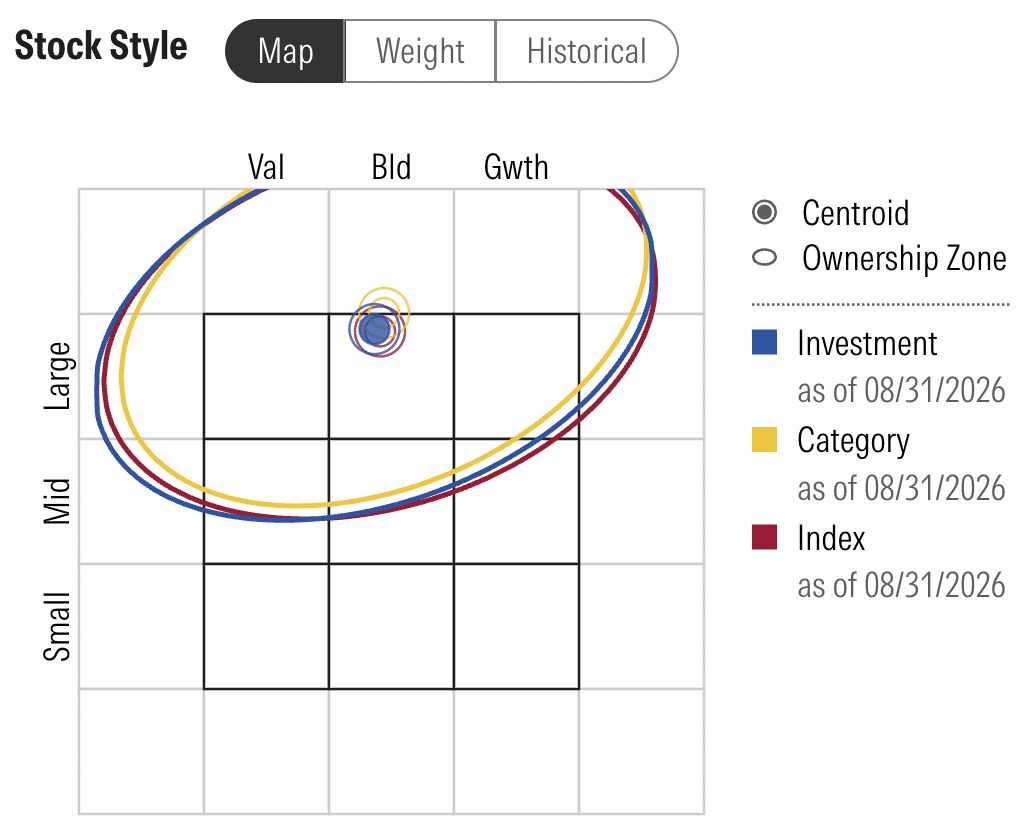
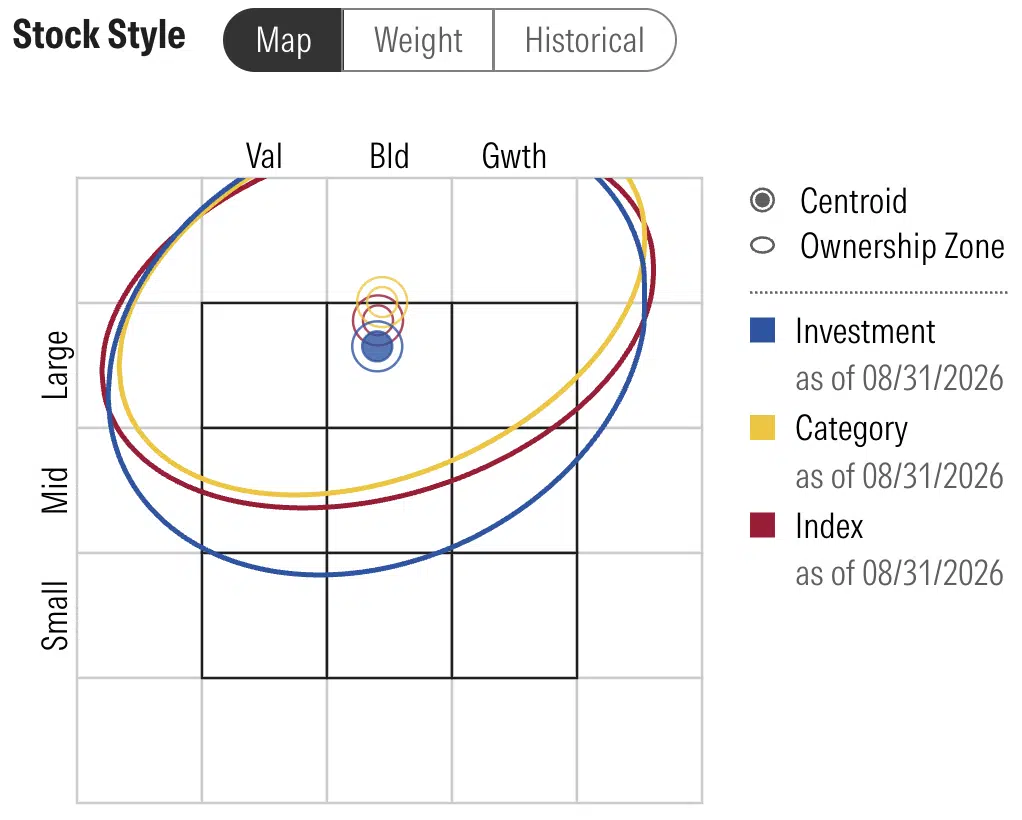
To understand the difference, we must first define the indexes. The S&P 500 tracks 500 of the largest, most established companies in the United States, effectively serving as a barometer for the "blue-chip" segment of the economy. In contrast, a total stock market index—such as the one tracked by the Vanguard Total Stock Market ETF (VTI)—is designed to capture the performance of the entire investable U.S. equity market. This includes not only the 500 large-cap companies but also mid-cap and small-cap stocks, totaling thousands of individual companies.
Both options share critical characteristics that make them favorites among passive investors:
- Low Cost: Both VOO and VTI carry an expense ratio of just 0.03%, meaning investors pay only $3 annually for every $10,000 invested.
- Accessibility: As ETFs, they lack the minimum purchase requirements often associated with traditional mutual funds, making them ideal for both seasoned investors and beginners.
- Scale: Each fund manages over $1 trillion in assets, providing immense liquidity and stability.
Chronology and Evolution of the Funds
The rise of these funds represents a shift in modern finance toward low-cost, passive indexing. While the S&P 500 has been the standard benchmark for institutional and individual performance since its expansion in 1957, the total stock market index gained traction as investors sought a "one-stop-shop" for domestic equity exposure.
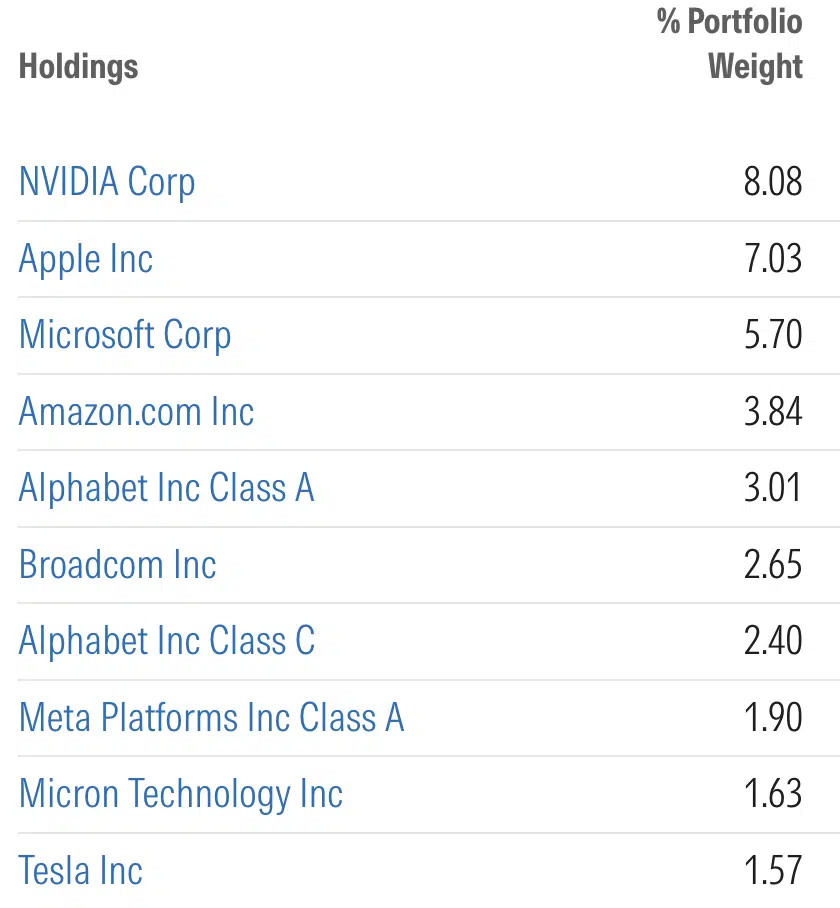
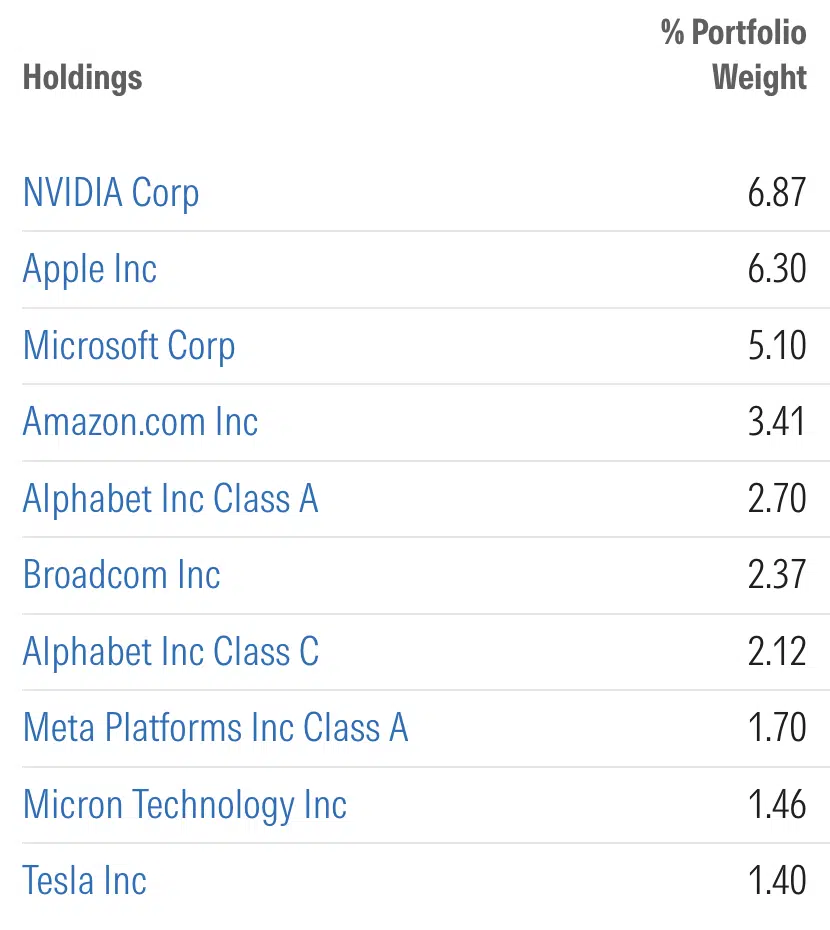
Over the last four years alone, we have seen a dramatic shift in market concentration. As of late 2026, the top 10 holdings of both the S&P 500 and the total stock market index have become increasingly dominant. In 2021, these top 10 companies accounted for approximately 26% of the S&P 500 and 21% of the total market. Today, those figures have risen to roughly 38% and 33%, respectively. This evolution is driven by the meteoric rise of "megacap" technology companies, which now exert a massive influence on the trajectory of both indexes.
Supporting Data: Performance and Volatility
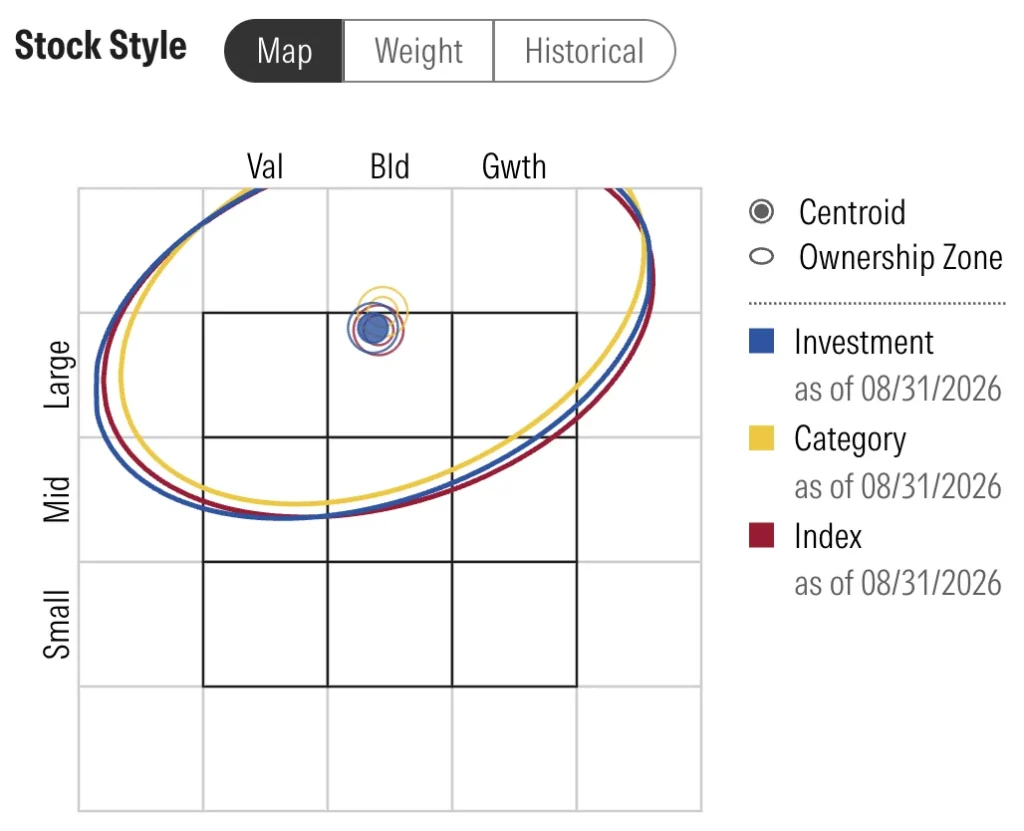
Critics often wonder if the inclusion of small and mid-cap stocks in a total stock market fund provides a "growth premium" or extra volatility compared to the S&P 500. Historical data, however, paints a picture of surprising uniformity.
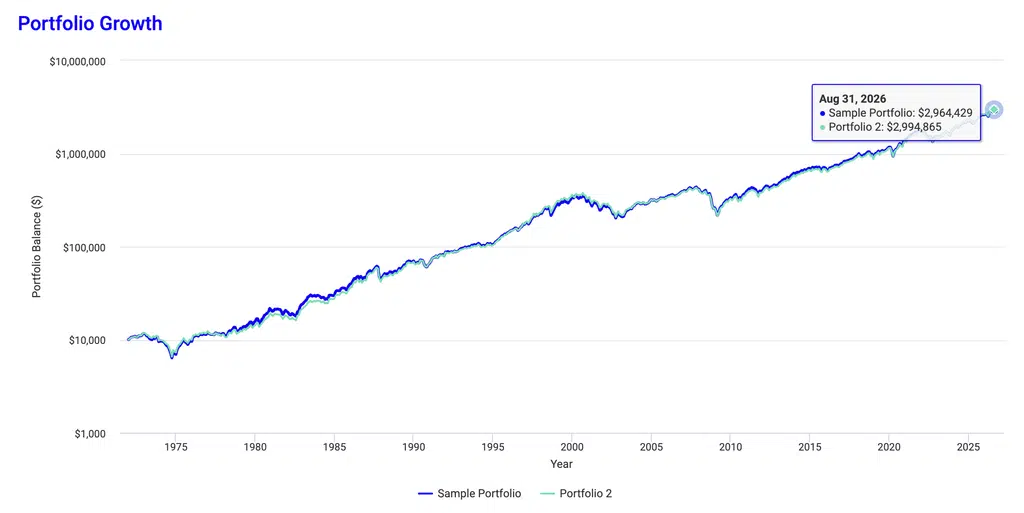
When examining the compound annual growth rate (CAGR) of these asset classes going back to 1972, the results are nearly indistinguishable. In most long-term simulations, the S&P 500 and the total stock market move in lockstep. While there are periods where small-cap stocks outperform large-caps—and vice versa—the long-term annualized returns often differ by only a few basis points.
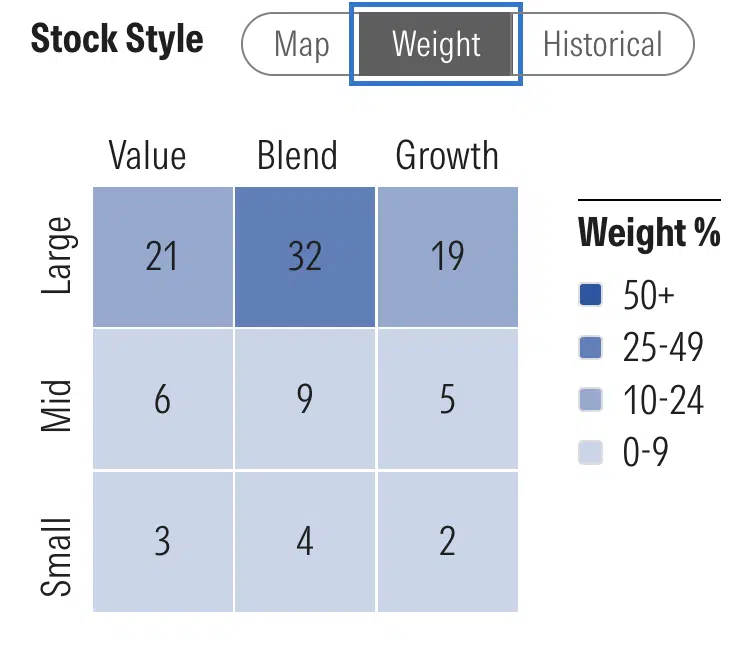
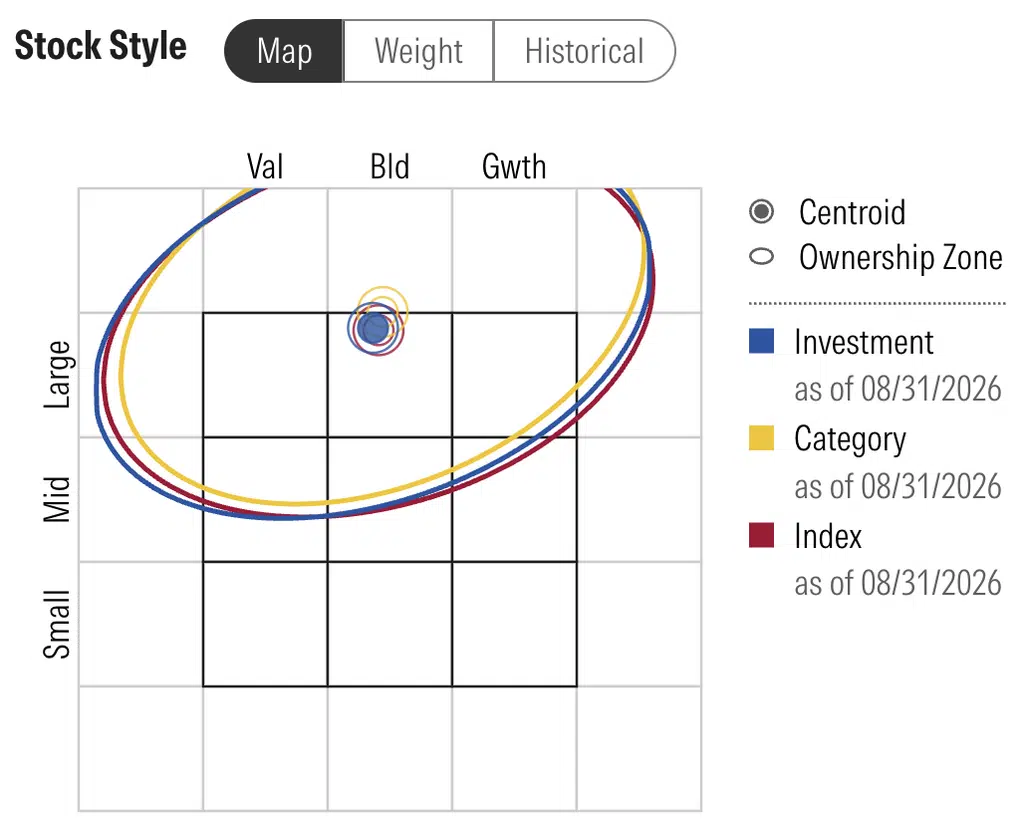
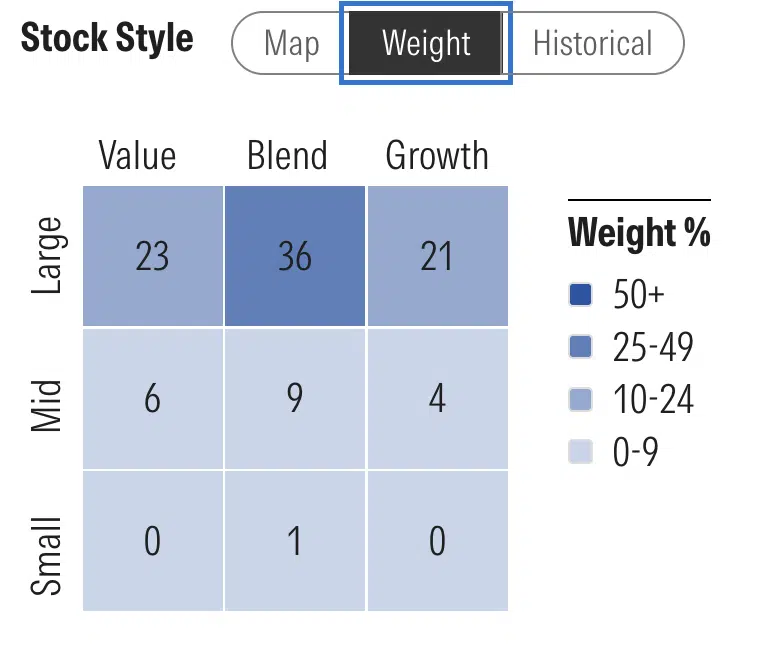
Volatility, measured by standard deviation, is also strikingly similar. Because the S&P 500 is so heavily weighted toward large-cap companies, and because those same companies make up the vast majority of the total stock market’s value, the two funds are highly correlated. If you own the S&P 500, you are already capturing the vast majority of the market’s movement; adding small-cap exposure through a total market fund simply provides a slightly different "slice" of the same pie.
Official Perspectives and Market Mechanics
To understand why these funds perform so similarly, one must understand "market-cap weighting." In these indexes, a company’s influence is determined by its total market value. A company like NVIDIA—currently the most valuable in the world—commands a higher percentage of the fund than a smaller, lower-cap firm.
Because both the S&P 500 and the total stock market index use this weighting method, they share the same top-heavy structure. When the top 10 companies in the U.S. economy rally, both funds rise. When they decline, both funds fall. The "total" market index simply captures the thousands of smaller companies that the S&P 500 ignores, but because these smaller firms represent a relatively small percentage of the total market capitalization, they do not shift the needle significantly for the overall fund’s performance.
Implications for Your Portfolio
How should an investor choose? The decision typically comes down to three factors:
1. The Constraints of Your Retirement Plan
Often, you do not have a choice. Many 401(k) and 403(b) plans offer an S&P 500 fund as a core holding but do not provide a total stock market index option. If your workplace plan only offers an S&P 500 fund, do not hesitate to use it. It is a world-class investment vehicle, and the "missing" exposure to small-cap stocks is not a significant enough factor to warrant abandoning your retirement strategy.
2. The Case for Simplicity
If you are managing your own IRA or taxable brokerage account, simplicity is a virtue. If your goal is to hold the entire U.S. market in a single ticker, VTI is the obvious choice. It provides the broadest possible exposure with the least amount of maintenance. By using a total stock market fund, you effectively "set it and forget it," knowing that you own every publicly traded company in the U.S.
3. The Case for Control
Conversely, some investors prefer to "slice and dice" their portfolios. If you prefer to manually allocate percentages to large-cap, mid-cap, and small-cap stocks—perhaps to overweight smaller companies in hopes of capturing a specific market premium—the S&P 500 is a better tool. It provides a clean, large-cap foundation, leaving you to add specific small-cap or international funds to complete your desired asset allocation.
Final Thoughts: The "Good Enough" Reality
The most important takeaway for any investor is that you are choosing between two excellent options. The divergence between these two funds is minimal, and for the long-term investor, it is almost entirely academic. Whether you prioritize the absolute simplicity of a total market fund or the institutional familiarity of the S&P 500, you are making a move that puts you ahead of the majority of investors who chase high-fee, actively managed funds.
Ultimately, your success will not be determined by whether you chose VOO or VTI, but by your savings rate, your consistency, and your ability to keep your investment costs low. Regardless of which path you choose, utilize tracking tools—such as the free dashboards provided by firms like Empower—to monitor your total asset allocation. This ensures that you have a holistic view of your wealth, allowing you to see how these funds interact with your other assets, such as international stocks, bonds, or real estate.
Do not let the "VOO vs. VTI" debate paralyze you. Pick one, stay the course, and focus your energy on the variables that truly matter: increasing your income, minimizing your expenses, and staying invested for the long haul.