The End of an Era: Navigating the Landscape After Mint’s Shutdown
For nearly two decades, Mint stood as the undisputed pioneer of personal finance management. Launched in 2007, it democratized financial tracking, offering millions of users a free, intuitive dashboard to aggregate bank accounts, monitor spending, and visualize net worth. However, the financial technology landscape shifted dramatically when Intuit, which acquired Mint in 2009, officially shuttered Mint.com. For the millions of users who relied on the platform to balance their budgets and track their financial health, the shutdown was not merely a software update—it was a forced migration.
Today, the market for budgeting software has evolved into a sophisticated ecosystem of specialized tools. Whether you are a casual spender, a dedicated investor, or a spreadsheet enthusiast, finding a successor to Mint requires understanding which features truly matter to your financial goals.
A Brief Chronology of Mint’s Rise and Fall
- 2007: Mint launches as a revolutionary, free web-based application, simplifying personal finance by allowing users to pull data from disparate bank accounts into a single, cohesive interface.
- 2009: Intuit, the financial software giant behind TurboTax and QuickBooks, acquires Mint for approximately $170 million, solidifying its dominance in the consumer finance space.
- 2010s: Throughout the decade, Mint remains the industry standard, introducing mobile applications and refining its categorization algorithms.
- 2023–2024: Intuit announces the sunsetting of Mint, redirecting resources toward Credit Karma, a platform focused more on financial products and credit monitoring than comprehensive budgeting.
- The Post-Mint Era: A wave of innovation emerges, with independent developers and established financial firms vying to capture the former Mint user base through premium features and modernized interfaces.
Assessing the Alternatives: The Top Contenders
Choosing a replacement for Mint is a personal decision that depends heavily on your financial philosophy. Below are the seven best alternatives, evaluated based on their utility, user experience, and feature sets.
1. Monarch Money: The Best All-Around Solution
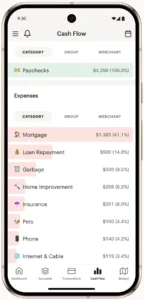
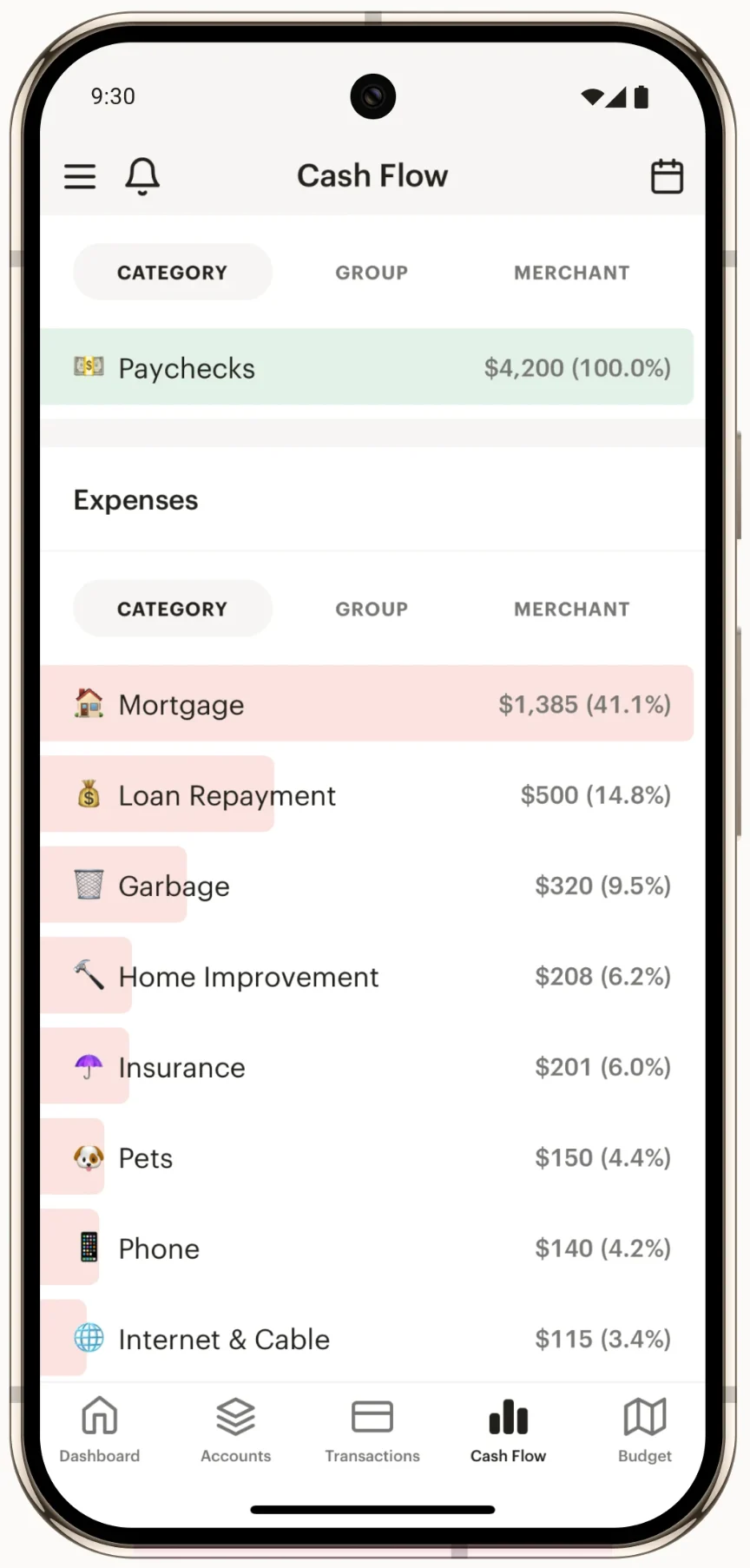
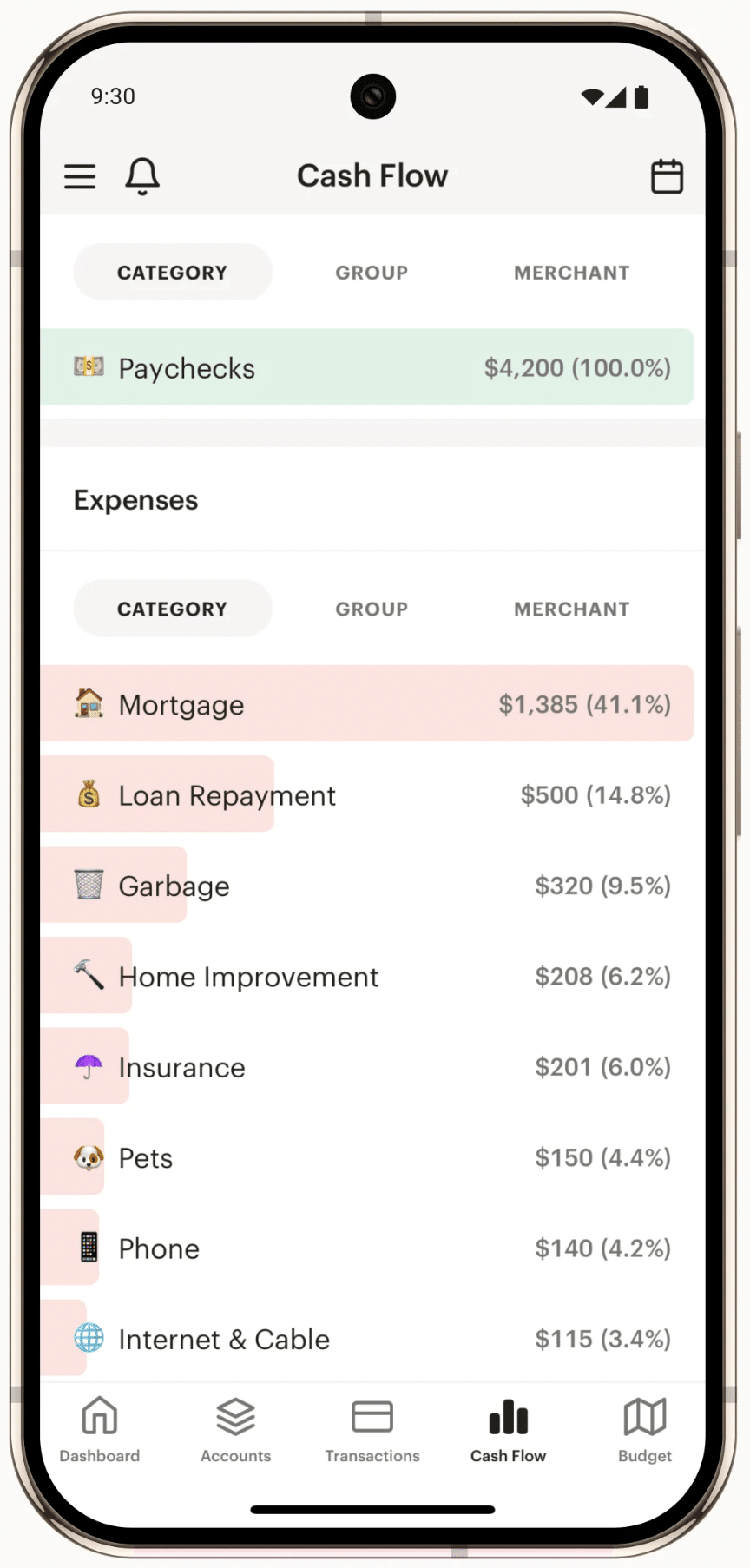
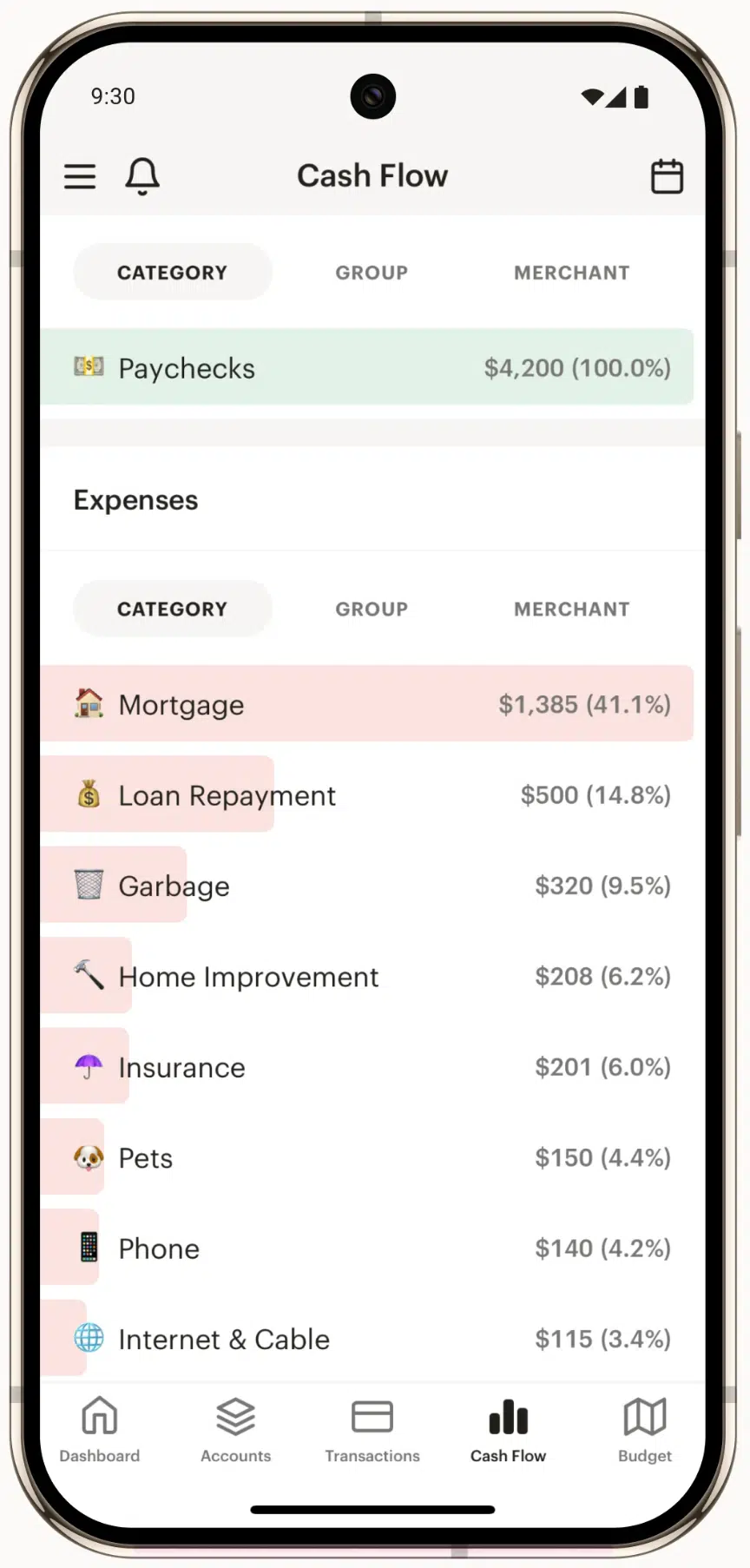
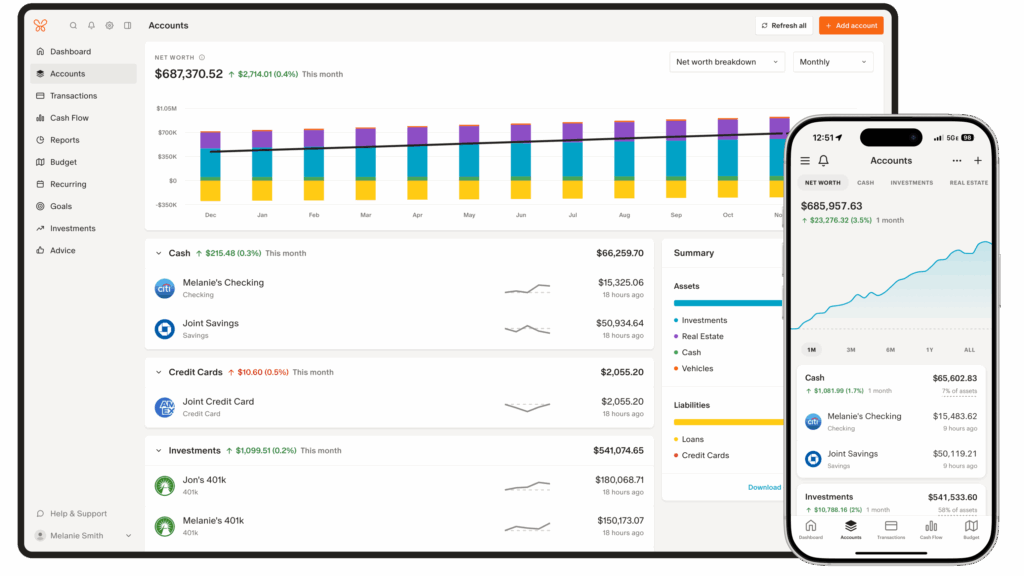
Having used Monarch Money extensively for the past two years, I consider it the gold standard for personal finance. Its interface is both aesthetically pleasing and functionally robust, offering a seamless experience across desktop and mobile.
Key Features:
- Flex Budgeting: A revolutionary feature that allows for variable spending, essential for households with fluctuating monthly costs.
- Collaborative Tools: Ideal for couples, allowing shared access to budgets and financial goals.
- Investment Tracking: A high-level overview of asset allocation, performance, and net worth growth.
- No Ads: Unlike free apps that rely on product recommendations, Monarch is a paid, subscription-based service, ensuring a clean, distraction-free environment.
2. Empower: The Premier Free Alternative
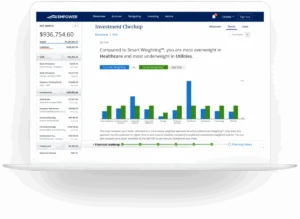
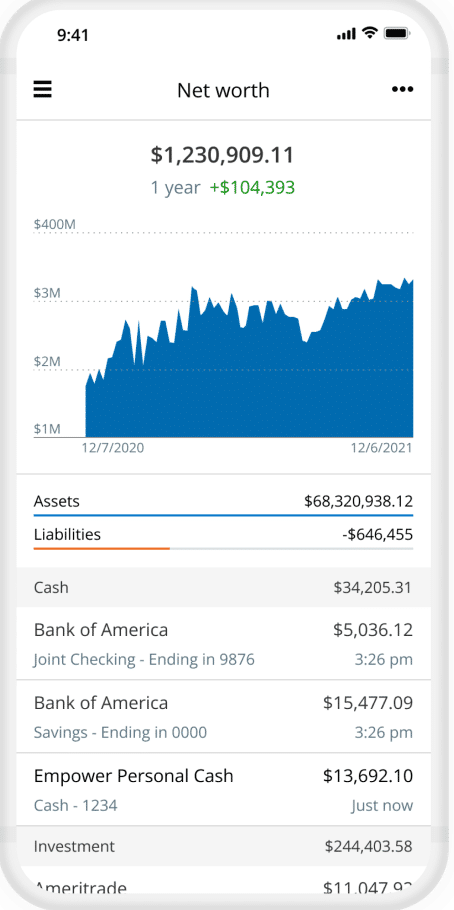
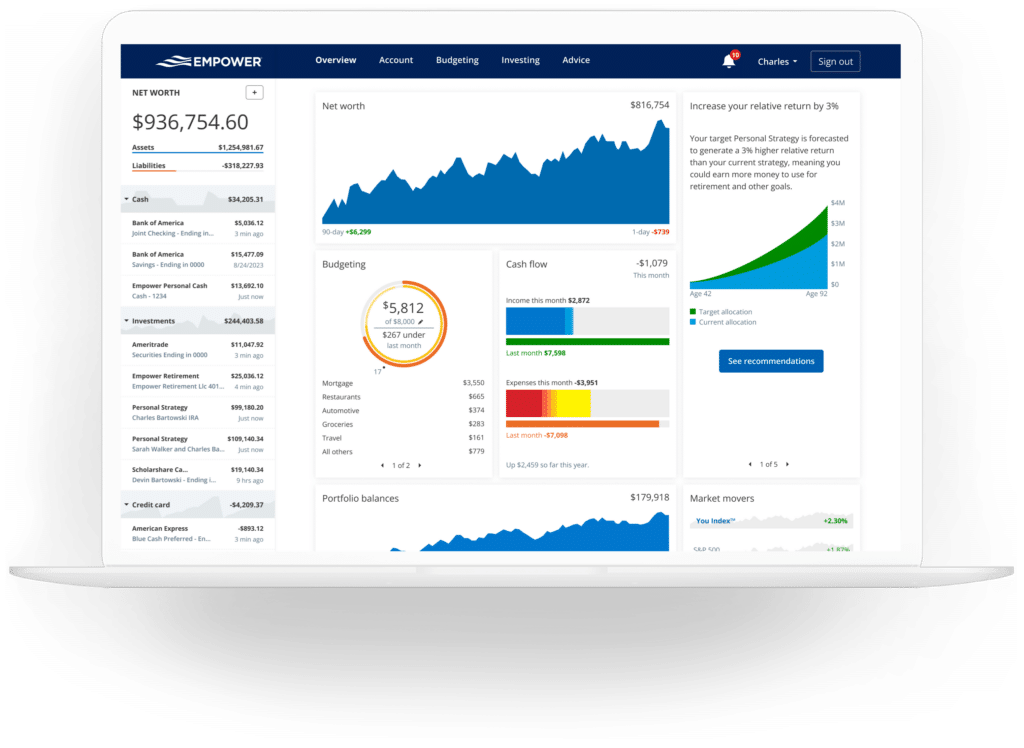
For those seeking a free, high-powered tool that mirrors the core functionality of the original Mint, Empower (formerly Personal Capital) remains the top choice. It is less a "budgeting" app and more a comprehensive "wealth management" suite.

Why it stands out:
- Investment Analytics: Its tools for monitoring investment fees and asset allocation are superior to most paid alternatives.
- Retirement Planning: An advanced simulator that projects your financial future based on current savings and market trends.
- Complete Snapshot: It offers a bird’s-eye view of your entire financial life, from high-yield savings to 401(k) retirement accounts.
3. Quicken Simplifi: The Modern Smartphone Budgeter
Simplifi is not a legacy desktop product; it is a mobile-first application built from the ground up to address the needs of the modern, on-the-go user. It focuses heavily on "Spending Plans," which use automation to help users stay within their means.
Notable features include:
- Recurring Expense Tracking: Automatic identification of subscriptions and bills.
- Calendar View: A visual roadmap of upcoming expenses, preventing end-of-month surprises.
- Customization: A high degree of control over how categories are organized and viewed.
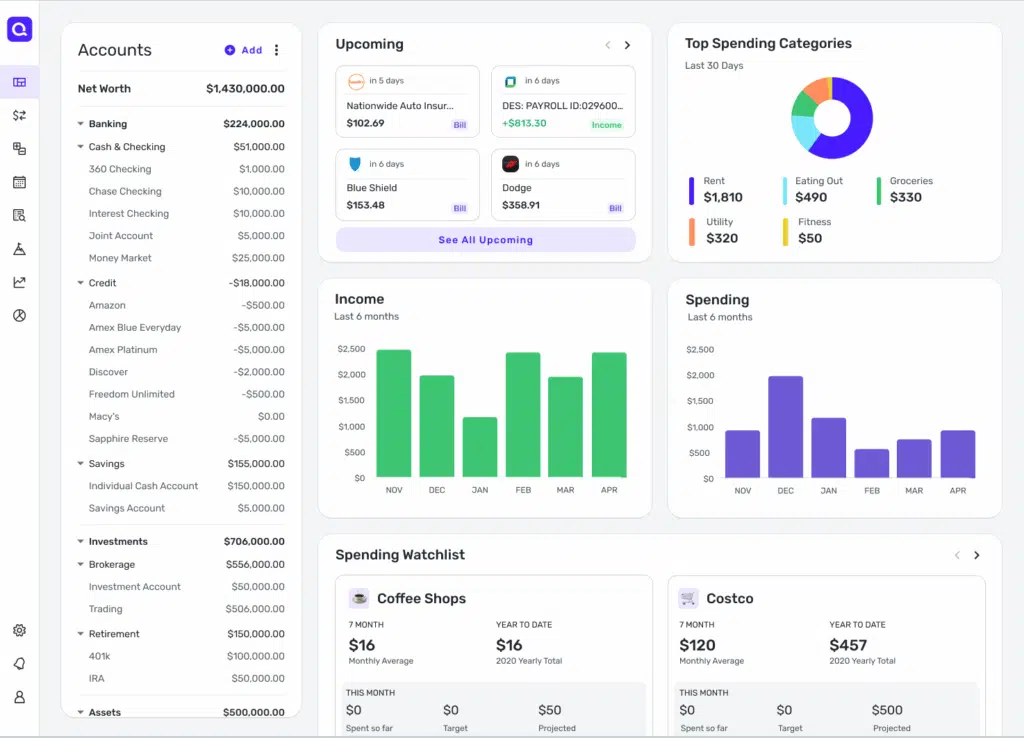
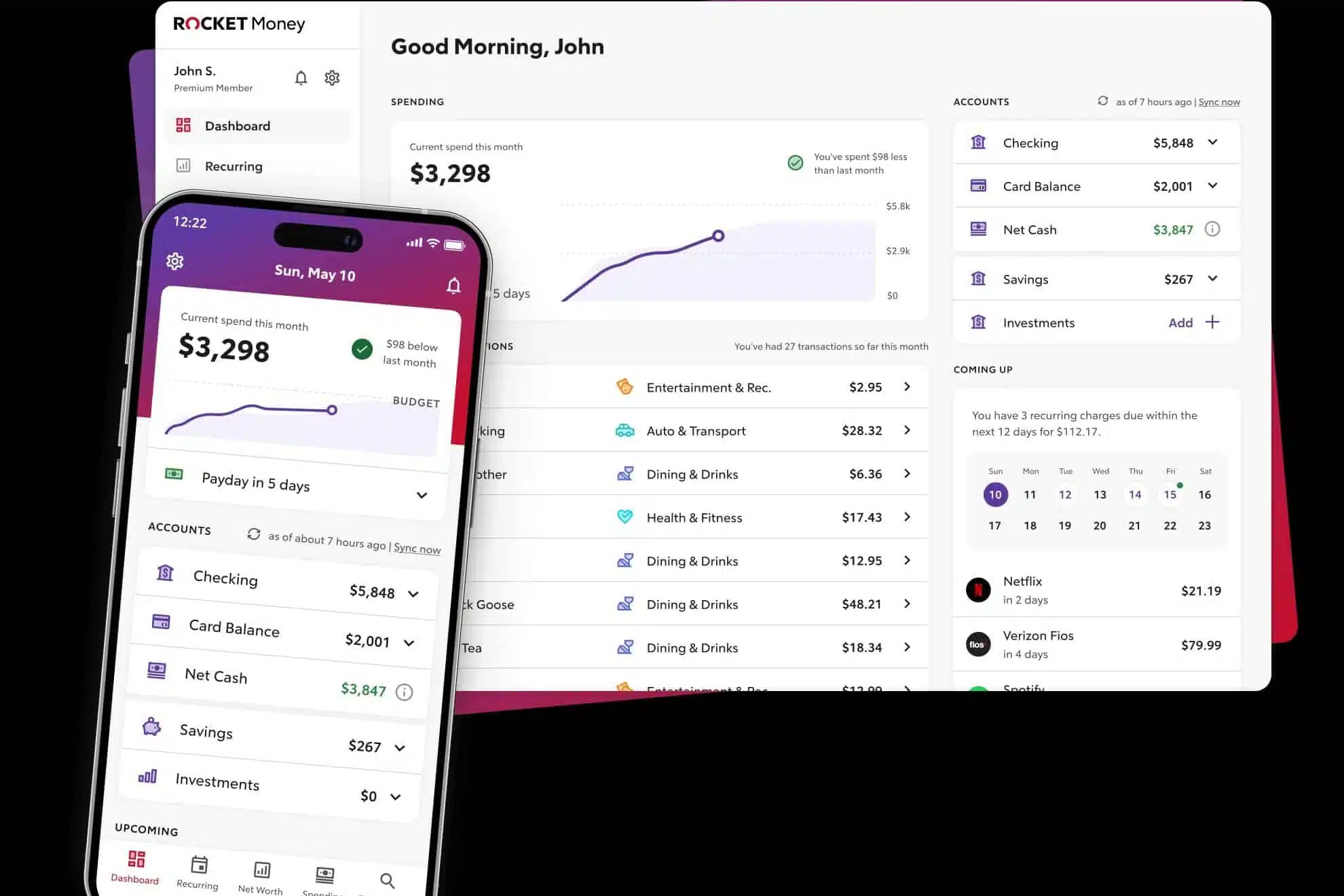
4. Rocket Money: The User-Friendly Choice
Rocket Money has gained massive popularity for its simplicity and its ability to help users "prune" their finances. It is particularly effective for those who want to automate the process of finding and canceling unwanted subscriptions.
Best for:
- Budgeting Basics: The free version covers all the essentials a former Mint user would need.
- Subscription Management: An automated service that alerts you to rising costs and allows for easy cancellation.
- Financial Health: Intuitive dashboards that make complex financial data easy to digest for beginners.
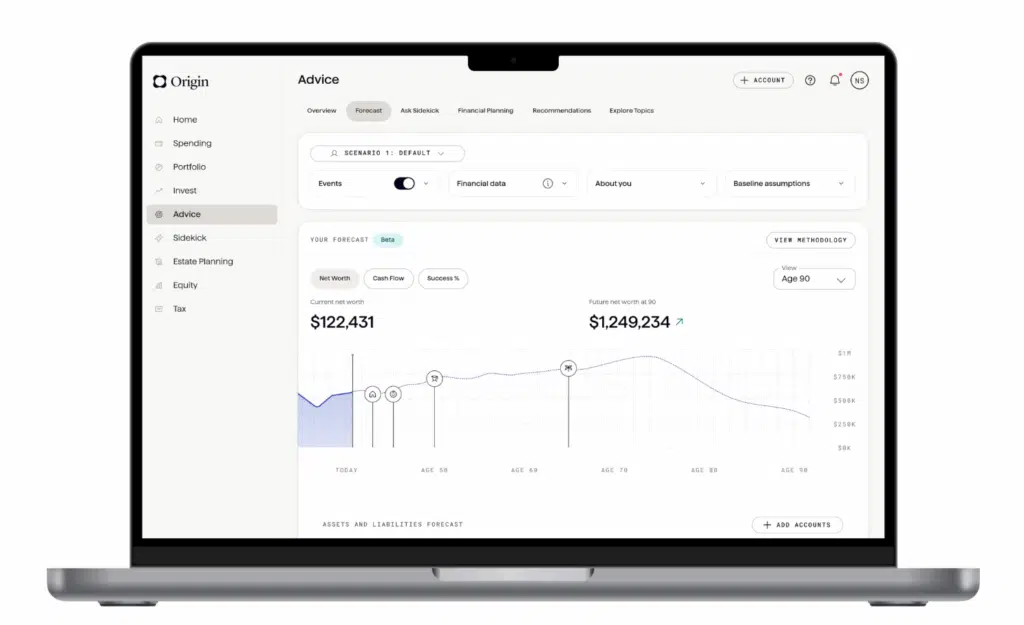
5. Origin: The AI-Powered Comprehensive Hub
Origin represents the next frontier of personal finance. It is far more than a budget tracker; it is an all-in-one financial planning ecosystem that integrates AI to provide proactive advice.
Advanced capabilities:
- AI Financial Assistant: You can ask specific questions, such as "How can I build an emergency fund?" and receive tailored, actionable steps.
- Holistic Planning: It includes features for tax estimation, estate planning, and even access to Certified Financial Planners (CFPs).
- Forecast Modeling: It helps users visualize the long-term impact of their current financial decisions.
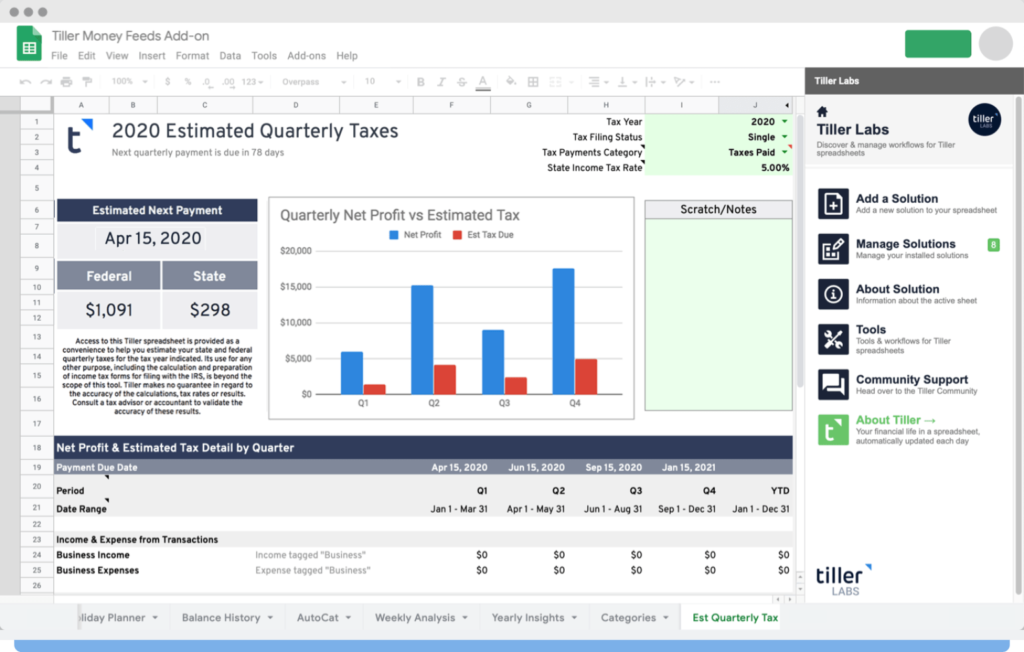
6. Tiller Money: The Spreadsheet Powerhouse
If you are the type of user who feels limited by pre-built app interfaces, Tiller Money is your ideal companion. Tiller does not have its own app; instead, it automatically populates your bank data directly into customizable Google Sheets or Excel templates.
Pros for power users:
- Ultimate Customization: Since the data lives in a spreadsheet, you can create your own formulas, charts, and pivot tables.
- Data Sovereignty: You own your data in your own spreadsheet file, free from the constraints of a third-party UI.
- Automation: Tiller’s backend handles the secure connection to your banks, meaning your spreadsheet updates automatically every day.
7. You Need A Budget (YNAB): The Zero-Based Budgeter
YNAB is the gold standard for those who believe in "giving every dollar a job." It forces a disciplined approach to spending by requiring you to allocate all available funds before they are spent.
Core Philosophy:
- Zero-Based Budgeting: Every dollar is assigned to a category.
- Discipline: It is less about "tracking" what you spent and more about "planning" what you will spend.
- Limitations: While excellent for budgeting, it lacks the investment tracking and net worth aggregation of apps like Empower or Monarch.
Implications of the Migration
The departure of Mint has forced a significant segment of the population to re-evaluate their relationship with financial technology. The primary implication is a shift from "free, ad-supported" models to "paid, subscription-based" services. Users are increasingly willing to pay for tools that prioritize data privacy, lack invasive marketing, and offer robust, specialized features.
Furthermore, the integration of Artificial Intelligence, as seen in apps like Origin, signals a transition from passive tracking to proactive financial coaching. The apps of tomorrow will not just tell you what you spent; they will tell you how to spend smarter.
Methodology: How to Choose
When selecting your new financial home, consider the following criteria:
- Account Sync Reliability: Does the app support your specific banking institutions?
- User Experience: Is the mobile app intuitive? Do you prefer a web-based dashboard?
- Core Goal: Are you looking to track investments (Empower), organize a household budget (Monarch), or master your cash flow via spreadsheets (Tiller)?
- Cost: Are you comfortable with a subscription model, or is a free, ad-supported tool sufficient for your needs?
Final Thoughts
While the loss of Mint was a disruption, it has paved the way for a more competitive and innovative market. The "best" alternative is not a single app, but the one that aligns with your specific financial personality. Whether you choose the sophisticated, collaborative nature of Monarch Money or the spreadsheet-level control of Tiller Money, the most important step is simply to re-engage with your financial data. In the end, the tool is merely a vessel; your financial health remains your own responsibility.