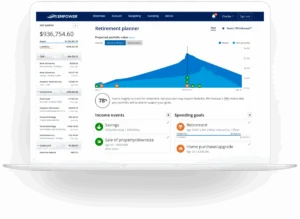
Beyond the Spreadsheet: A Comprehensive Deep Dive into ProjectionLab
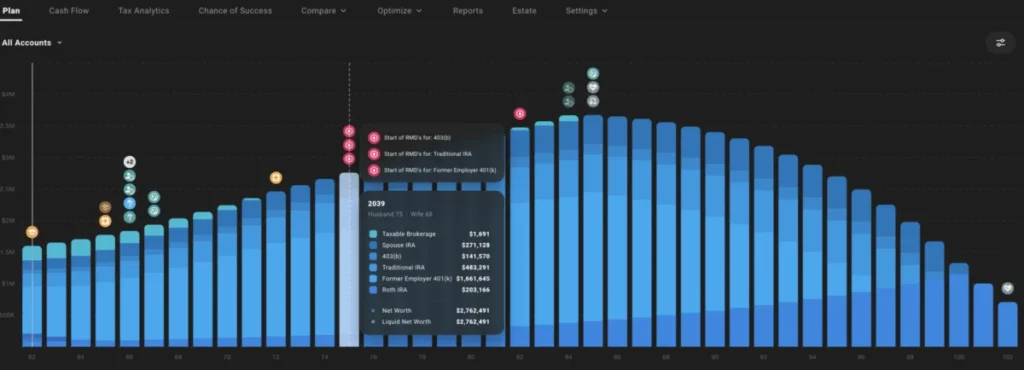
In the landscape of personal finance, few things are as daunting as the "retirement black box." Most individuals spend their working lives contributing to accounts, hoping that the sum of their efforts will eventually sustain them. For decades, the only tools available to lift the lid on that box were either overly simplistic calculators or monstrous, error-prone spreadsheets.
Enter ProjectionLab, a sophisticated financial planning platform that has quietly redefined how individuals model their long-term wealth. By blending high-level analytical rigor with a clean, user-friendly interface, ProjectionLab offers a "stress-test" environment for your financial life. Whether you are navigating early retirement, planning for complex tax scenarios, or simply wondering if your current savings rate is sufficient, the software provides a granular view of your financial trajectory.
The Core Philosophy: Privacy and Precision
At the heart of ProjectionLab’s rise is a radical departure from the modern "FinTech" norm. While most financial apps rely on Plaid or similar aggregators to scrape data from your bank and brokerage accounts, ProjectionLab deliberately avoids this.
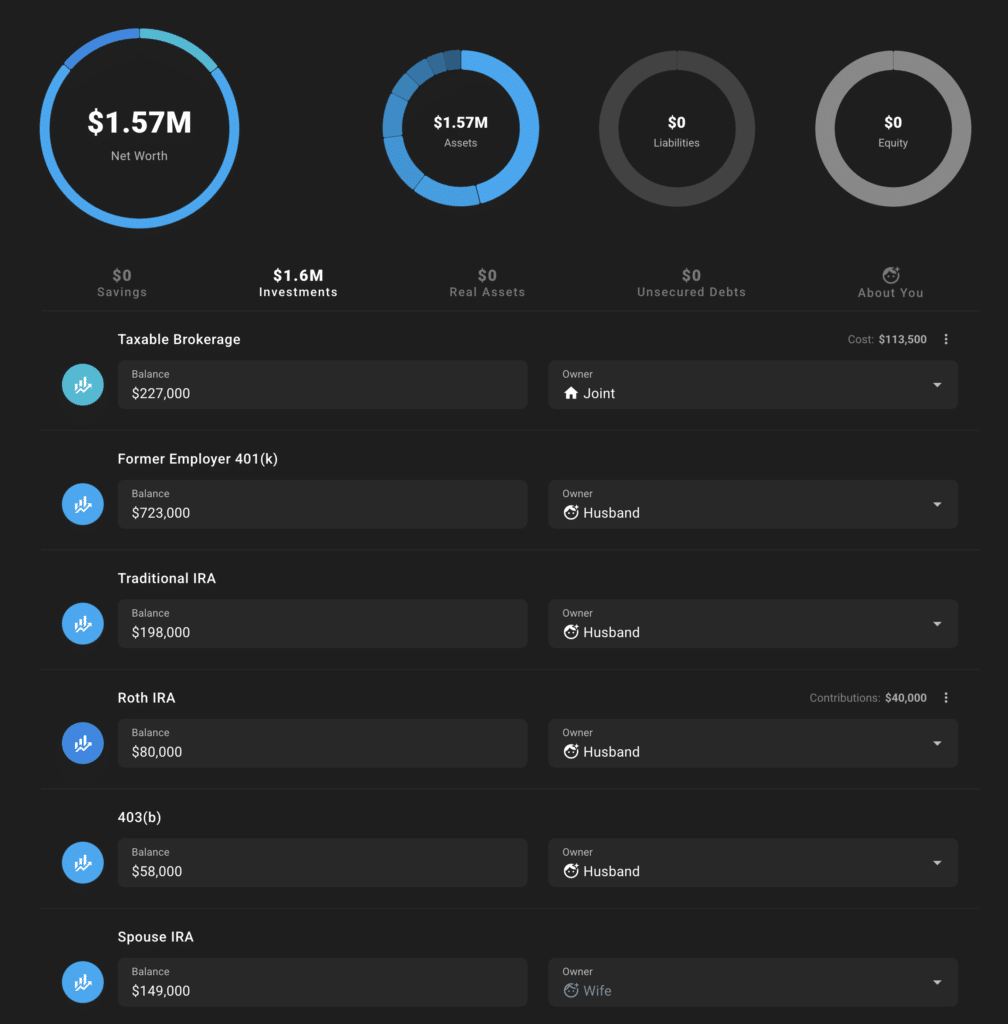
The software requires manual input of your assets, liabilities, and income streams. While this may seem like an inconvenience to some, the company’s stance is clear: you are the customer, not the data-mined product. By removing the need to link sensitive financial accounts, the platform ensures total data privacy, a feature that has resonated deeply with security-conscious users and the FIRE (Financial Independence, Retire Early) community. This manual approach also forces the user to engage with their numbers—a pedagogical side effect that often leads to better financial decision-making.
A Brief Chronology: From MVP to Financial Powerhouse
ProjectionLab was founded by Kyle Nolan, who launched the platform in April 2021. In its nascent stages, it was a lean, functional tool designed to solve a specific pain point: the lack of high-quality, non-ad-supported retirement forecasting software.
- 2021 (The Launch): The initial version focused on core forecasting and basic Monte Carlo simulations. It quickly gained traction among DIY finance enthusiasts who were tired of the "black box" nature of typical retirement tools.
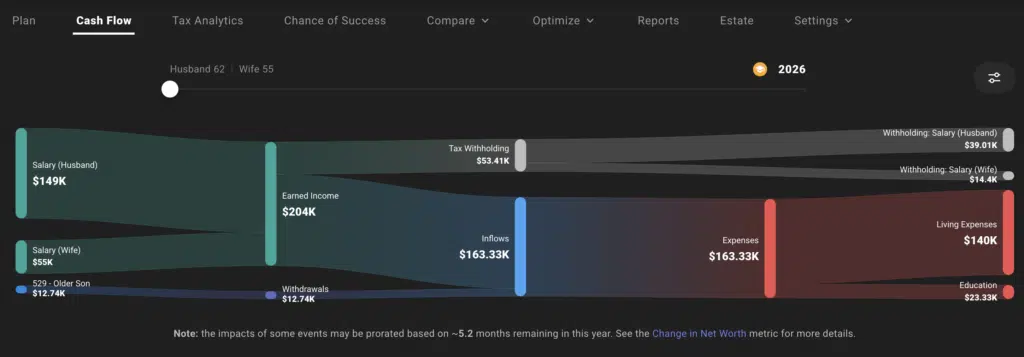
- 2022-2023 (Feature Expansion): Recognizing that retirement planning isn’t just about accumulation, the development team rolled out sophisticated cash-flow mapping, including the "Sankey" diagram tool, which allows users to visualize how money moves from income through various tax buckets and into savings or expenses.
- 2024-2025 (The Maturity Phase): The platform transitioned into a comprehensive planning suite. Significant updates included the introduction of international tax support (covering the UK, Australia, Canada, and others), robust estate planning modules, and an advanced "Compare" feature that allows for side-by-side scenario analysis.
Today, after five years of consistent, user-requested development, the software has evolved from a simple projection tool into a professional-grade planning suite that rivals enterprise software used by financial advisors.
The Anatomy of a Plan: How It Works
Building a financial model in ProjectionLab follows a structured, logical sequence designed to minimize the complexity of advanced financial mathematics.
1. Data Aggregation and Account Modeling
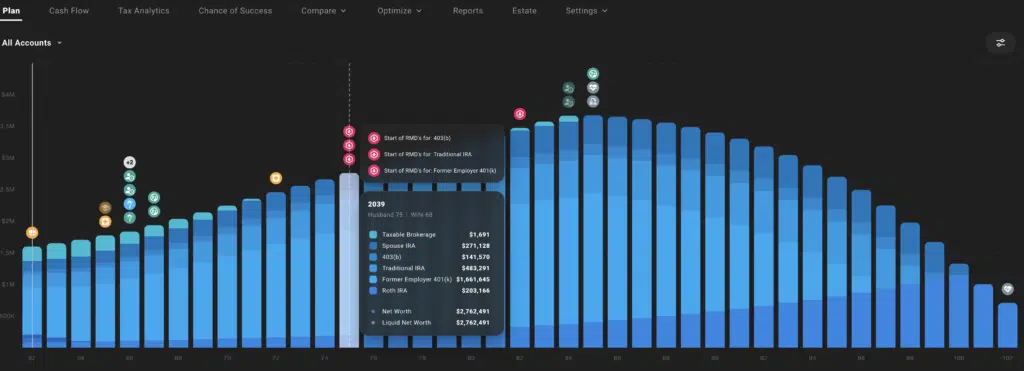
Users begin by defining their current financial state. This isn’t limited to a simple net worth figure; the platform supports a massive array of specific US account types, including 401(k)s, 403(b)s, 457(b)s, HSAs, 529s, and various Roth iterations. This level of granularity is essential for accurate tax forecasting and calculating Required Minimum Distributions (RMDs) later in life.
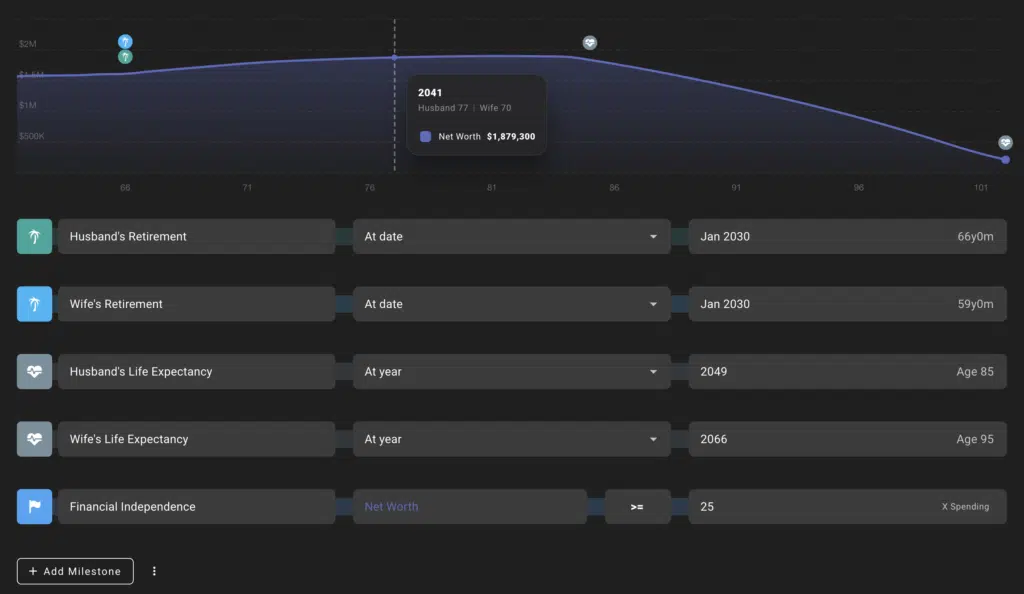
2. The Milestones Engine
The "Milestones" feature acts as the backbone of your plan. Users can input major life events—the birth of a child, the purchase of a second home, a mid-career sabbatical, or the transition into part-time work. Each milestone triggers specific logic within the model, allowing users to see the immediate impact of these events on their long-term solvency.
3. The Flow of Capital
ProjectionLab uses a "Flows" system to prioritize where your money goes. Users define a hierarchy: Does the surplus income go toward debt reduction, the emergency fund, or taxable investments? By setting these rules, the software automatically executes your strategy across the entire timeline of your plan, handling the complexities of tax-advantaged account limits and withdrawal orders.
Supporting Data and Analytical Rigor
What separates ProjectionLab from a basic "Retirement Calculator" found on a brokerage website is its analytical engine.
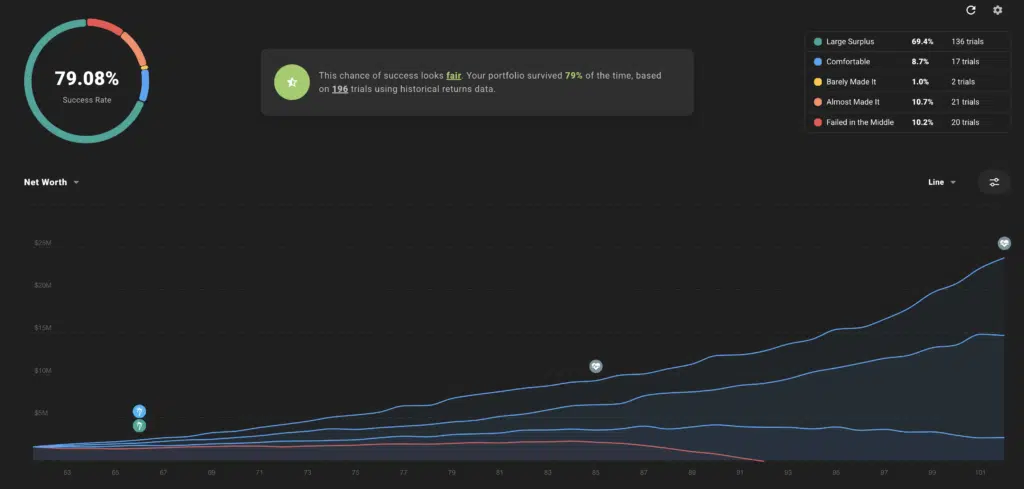
- Monte Carlo Simulations: By running your plan through thousands of simulated market scenarios, the software provides a "Chance of Success" percentage. This moves the conversation away from a single, static projection—which is almost certainly wrong—to a probability-based model that accounts for market volatility.
- Historical Backtesting: Beyond theoretical simulations, the platform allows you to stress-test your plan against actual historical market sequences (e.g., the 2008 financial crisis or the 1970s stagflation).
- Tax Optimization: Perhaps the most significant "value-add" for the Premium tier is its tax engine. The tool models capital gains harvesting, Roth conversions, and tax-efficient withdrawal strategies, helping users avoid the "tax bomb" that often catches retirees by surprise.
The "Premium" Implications: Is It Worth the Cost?
ProjectionLab operates on a freemium model. The "Basic" tier is free and offers enough functionality for a user to perform a baseline check of their retirement readiness. However, for those looking to build a multi-decade strategy, the "Premium" subscription ($129/year) is where the real value lies.
Why upgrade?
- Data Persistence: Basic users cannot save their progress; Premium users get a secure, cloud-saved profile.
- Advanced Tax Logic: The ability to model Roth conversions and tax-efficient drawdown strategies can save users thousands of dollars—far exceeding the cost of the subscription.
- Scenario Comparison: The "What-If" mode is invaluable. Being able to see a side-by-side chart of "Retiring at 60 vs. 63" provides the empirical evidence needed to make life-altering decisions with confidence.
- Estate Planning: The tool now estimates after-tax legacies, providing clarity on what will actually be left for heirs after estate taxes are accounted for.
Official Stance and User Community
Founder Kyle Nolan has maintained a transparent, community-driven development roadmap. Unlike legacy software that charges thousands of dollars or mandates an AUM (Assets Under Management) fee, ProjectionLab targets the "DIY professional."
Support is handled primarily through an active Discord community and direct email, reflecting the company’s lean, developer-first culture. While some users might be deterred by the lack of phone support, the depth of the available documentation and the user-led community forums often provide faster, more nuanced answers than traditional support channels.
A Note on Limitations
Despite its strengths, ProjectionLab is not for everyone.
- The "Manual" Hurdle: If you are looking for an app that tracks your daily latte spending and auto-categorizes your transactions (like YNAB or Monarch Money), this is not that tool. It is a planning engine, not a budgeting tool.
- The Learning Curve: Because it is powerful, it requires a baseline understanding of financial concepts. A user who doesn’t understand the difference between a 401(k) and a Roth IRA may find the inputs overwhelming initially.
- No "Hands-Off" Advice: It does not provide personalized, one-on-one investment advice or tax filing services. It is a simulation tool, not a fiduciary financial planner.
Final Assessment: The Verdict for Modern Investors
ProjectionLab represents the current gold standard for DIY financial planning. It manages to bridge the gap between the chaotic, error-prone world of personal spreadsheets and the inaccessible, expensive world of institutional financial software.
By empowering users to run their own "What-If" scenarios, it turns financial planning from a source of anxiety into a source of agency. While the $129 annual fee is an investment, the clarity provided regarding tax optimization and withdrawal strategies makes it a high-utility purchase for anyone serious about their long-term wealth. For those ready to move beyond the napkin-math of basic retirement calculators, ProjectionLab is arguably the most capable, transparent, and user-centric tool on the market today.
If you are interested in trying the platform, it is recommended to start with the free Basic tier to see if the interface matches your planning style. For those who decide to commit, utilizing the available 10% discounts through newsletter-affiliated channels can help offset the annual subscription cost.