Navigating the "Goldilocks+AI" Era: Consumer Resilience, Long-Term Market Projections, and the Shifting Economic Landscape
Date: September 23, 2026
Author: Ben Carlson (Adapted for Editorial Review)
Publication: Animal Spirits Insights
Main Facts
As the third quarter of 2026 draws to a close, financial markets and macroeconomic observers are parsing a complex mosaic of technological disruption, resilient consumer behavior, and contrasting long-term equity projections. Recent market data, corporate earnings commentary, and economic indicators point to a persistent defiance among everyday consumers—particularly lower-income households—who continue to outpace conventional skepticism regarding debt, inflation, and cost-of-living pressures.

Simultaneously, institutional forecasts are painting a dual-path future for the U.S. economy. On one hand, elite banking projections suggest a wildly optimistic "Goldilocks+AI boom" scenario that could propel the S&P 500 to a compound annual growth rate (CAGR) of 14% over the coming decade. On the other hand, lingering structural risks and stagflationary warnings serve as a sobering counterweight, threatening to drag long-term index returns down to a modest 4%.
At the intersection of these macroeconomic debates is the accelerating integration of artificial intelligence into everyday consumer and commercial workflows. As early use cases transition from corporate productivity suites to automated personal agents capable of managing complex administrative burdens—such as flight compensation and itinerary rebooking—the friction of daily commerce is beginning to dissolve, heralding an economic transformation that industry insiders argue is unlike anything seen in modern history.
Chronology of Recent Market and Economic Developments
The narrative shaping the current economic environment has unfolded across several key milestones through late summer and early autumn 2026:
- Mid-August 2026: Labor market data highlights a subtle yet significant shift in wage growth dynamics. Contrary to fears that a "K-shaped" economic recovery would permanently widen the gap between socioeconomic classes, after-tax wage growth for lower-income households continues to outpace that of higher-income earners.
- Mid-September 2026: Major financial institutions, including Capital One and Wells Fargo, release preliminary insights indicating "striking strength" across all consumer income tiers. Bank balances remain elevated, consumer spending holds firm, and loan charge-offs continue to perform significantly better than baseline risk models anticipated.
- September 17, 2026: Public discourse crystallizes around a stark geographic and philosophical divide regarding future economic trajectories. Observers contrast the West Coast’s anticipation of an AI-driven structural transformation with the East Coast’s conservative baseline modeling of steady, albeit unexciting, 2.1% GDP growth.
- September 21, 2026: Early adopters showcase real-world breakthroughs in consumer-facing AI agents. Viral reports demonstrate autonomous software systems—such as automated travel assistants—successfully negotiating airline compensation, processing refunds, and executing complex customer service resolutions within minutes, shifting public perception of AI from enterprise tool to personal utility.
- September 22, 2026: Institutional heavyweight Goldman Sachs releases its updated ten-year market framework, outlining a potential 14% S&P 500 CAGR under an idealized AI productivity boom, contrasted against a 4% stagflationary downside case.
- September 23, 2026: Industry analyses converge on the synthesis of robust consumer balance sheets and technological tailwinds, prompting renewed discussions among financial analysts regarding portfolio positioning for the late 2020s.
Supporting Data and Financial Metrics
The macroeconomic resilience observed in late 2026 is grounded in hard data points across banking, labor, and equities:
- Consumer Credit and Spending Resilience: Executives from major consumer lenders like Capital One ($COF) have reported robust health in credit portfolios. Despite cumulative inflationary pressures from previous years, delinquency rates and charge-offs are running below historical medians, defying warnings of a tapped-out consumer base.
- The Wage Growth Convergence: Data updated through August 2026 shows lower-income wage earners experiencing sustained outperformance in after-tax income growth relative to their higher-income counterparts. This narrowing of the growth gap has effectively flattened the feared "K-shaped" economic divergence, providing foundational support for discretionary retail sectors.
- The Ten-Year S&P 500 Forecast Spread: Goldman Sachs’ econometric models highlight an unusually wide divergence in potential long-term outcomes for equities:
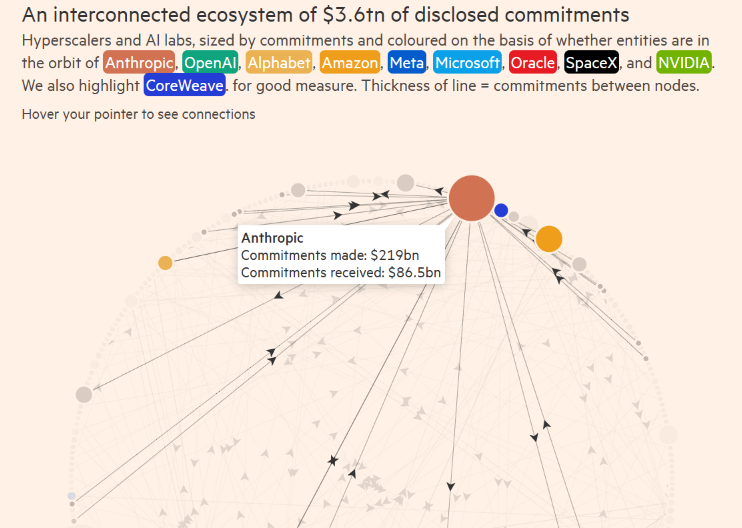
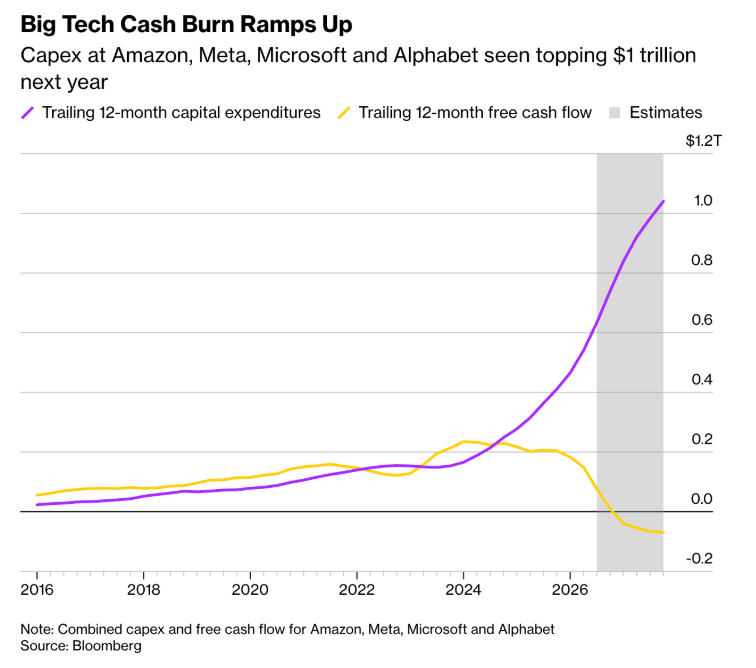
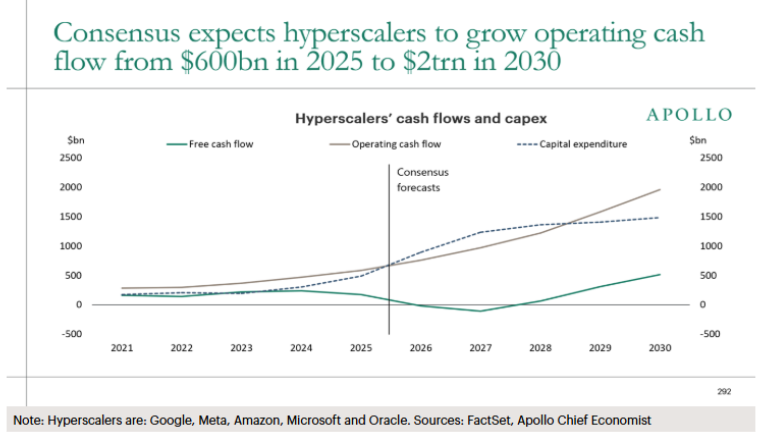
- The "Goldilocks + AI Boom" Scenario: Predicts a 14% nominal CAGR for the S&P 500 over the next decade, driven by productivity gains, margin expansions, and capital expenditure surges tied to artificial intelligence infrastructure.
- The Stagflation Scenario: Warns of a restrictive 4% CAGR if structural supply chain bottlenecks, labor constraints, and persistent fiscal deficits reignite inflationary spirals without corresponding productivity output.
- Regional Economic Growth Expectations: Market commentary underscores a psychological and analytical chasm between technology-heavy venture hubs projecting exponential, non-linear growth, and traditional macroeconomic forecasting desks tethered to historical mean GDP growth rates hovering near 2.1%.
Official Responses and Corporate Commentary
Market participants and corporate leaders have offered varied perspectives on the sustainability of the current economic climate:
- Retail Banking Executives: Representatives from the financial sector have expressed surprise at the durability of consumer balance sheets. Commenting on recent credit trends, retail analysts noted, "This consumer is still not fazed by everything thrown at them." Strong spending metrics across broad demographic segments have forced lending institutions to recalibrate their loss provisions downward.
- Technology Adopters and Innovators: The deployment of advanced AI agents has elicited strong reactions from tech-forward consumers. Early users describe the experience of automated customer service resolution as "feeling like magic," emphasizing that the reduction in administrative friction will fundamentally alter how individuals interact with service industries.
- Market Strategists: Commenting on Goldman Sachs’ equity projections, financial analysts point out that while a 14% CAGR represents an exceptionally bullish thesis, it reflects the genuine belief among institutional allocators that generative AI could replicate the productivity shocks of the late 1990s internet boom, albeit with faster enterprise integration.
Implications for Investors and the Broader Economy
As the financial community processes these developments, several strategic implications emerge for investors, policymakers, and corporate leaders:
1. Rethinking the Consumer Health Narrative
For years, consensus economic commentary warned that high interest rates and depleted pandemic-era savings would inevitably force a severe consumer contraction. The 2026 data proves that labor market dynamism and real wage gains—particularly at the lower end of the income spectrum—have provided a durable buffer. Investors holding consumer discretionary and financial equities must account for a consumer base that remains fundamentally solvent and willing to spend.
2. The Productivity Premium vs. Valuation Risks
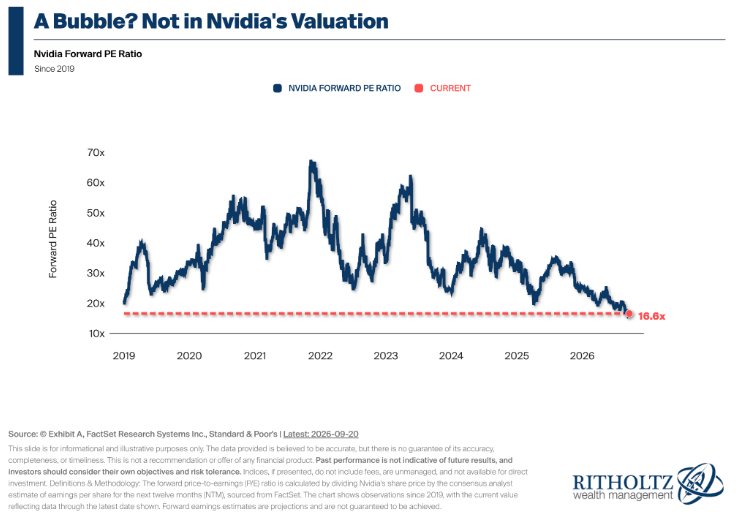
The prospect of a 14% S&P 500 CAGR hinges almost entirely on the successful monetization and widespread diffusion of artificial intelligence. If AI delivers on its promise to automate complex workflows—ranging from corporate software engineering to consumer-level travel management—profit margins will expand significantly. However, if these productivity gains fail to materialize at scale, equity valuations that price in a "Goldilocks" scenario leave little margin for error, elevating the risk of a sharp repricing toward the 4% stagflationary baseline.
3. The Dual Economic Reality
The friction between West Coast techno-optimism and East Coast macroeconomic conservatism highlights a broader challenge for policy and planning. While Silicon Valley and tech hubs are pricing in an unprecedented economic transformation, traditional fiscal and monetary planners must manage the day-to-day realities of interest rate policy, debt servicing, and sticky service-sector inflation. Navigating this dichotomy requires balanced portfolio construction that captures high-growth technological upside while maintaining adequate defensive hedges against macroeconomic shocks.
Disclaimer: Nothing in this article constitutes investment advice, performance data, or any recommendation that any particular security, portfolio of securities, transaction, or investment strategy is suitable for any specific person. Investing in speculative securities involves the risk of loss.