Choosing where to spend your golden years is one of life’s ultimate "would you rather" scenarios. According to data compiled by moving-services platform HireAHelper, more than 2 million Americans aged 65 and older packed up and relocated in 2025 alone. For many of these retirees, the dilemma often boils down to choosing between two destinations that sound idyllic on paper: sun-soaked, golf-obsessed, upscale havens that have drawn retirees for decades.
Take Naples, Florida and Palm Springs, California. At a glance, they feel interchangeable—both promise year-round sunshine, world-class links, high-end shopping, and a leisurely pace of life. However, look past the promotional brochures and examine the tax codes, environmental risks, local cultures, and overall cost of living, and the similarities quickly dissolve.
This comprehensive analysis breaks down how these two premier retirement destinations stack up across crucial financial, medical, and lifestyle metrics to help you determine which sun-drenched paradise aligns with your future.
Main Facts: At a Glance
Before diving into the granular details of each city, it is essential to understand the baseline metrics that define living in Naples versus Palm Springs.
Cost of Living: Both cities hover roughly 29% above the national average, according to the Economic Research Institute. However, the composition of that cost varies dramatically, particularly regarding housing.
Housing Markets: Naples commands a median home sale price of approximately $1.2 million, heavily favoring those entering retirement with significant equity. Palm Springs features a more accessible median home sale price of around $590,000.
Tax Environment: Florida offers a remarkably tax-friendly climate with zero state income tax, no taxes on Social Security, pensions, or retirement account withdrawals, and no estate tax. California sits on the opposite end of the spectrum, levying ordinary income taxes up to 13.3% on retirement distributions while exempting Social Security.
Demographics and Vibe: Naples skews slightly older (median age 67.3) with a traditional, conservative, and genteel atmosphere. Palm Springs has a median age of 57, offering a progressive, design-forward, and vibrant culture with a prominent LGBTQ+ community.
Chronology: The Evolution of Two Retirement Magnets
To understand why Naples and Palm Springs look and feel the way they do today, it helps to examine their development as premier destinations for older adults.
The Rise of Palm Springs (Mid-20th Century)
Palm Springs established its reputation as a Hollywood playground as early as the 1920s and 1930s, drawing icons like Frank Sinatra, Marilyn Monroe, and Bob Hope to its mineral hot springs and desert seclusion. By the 1970s, the Coachella Valley cemented its status as a magnet for retirees seeking an active, desert-modern lifestyle. Over the decades, it evolved from a seasonal celebrity escape into a permanent, highly organized sanctuary for retirees looking for architectural modernism, arts festivals, and a socially progressive environment.
The Expansion of Naples (Late 20th Century to Present)
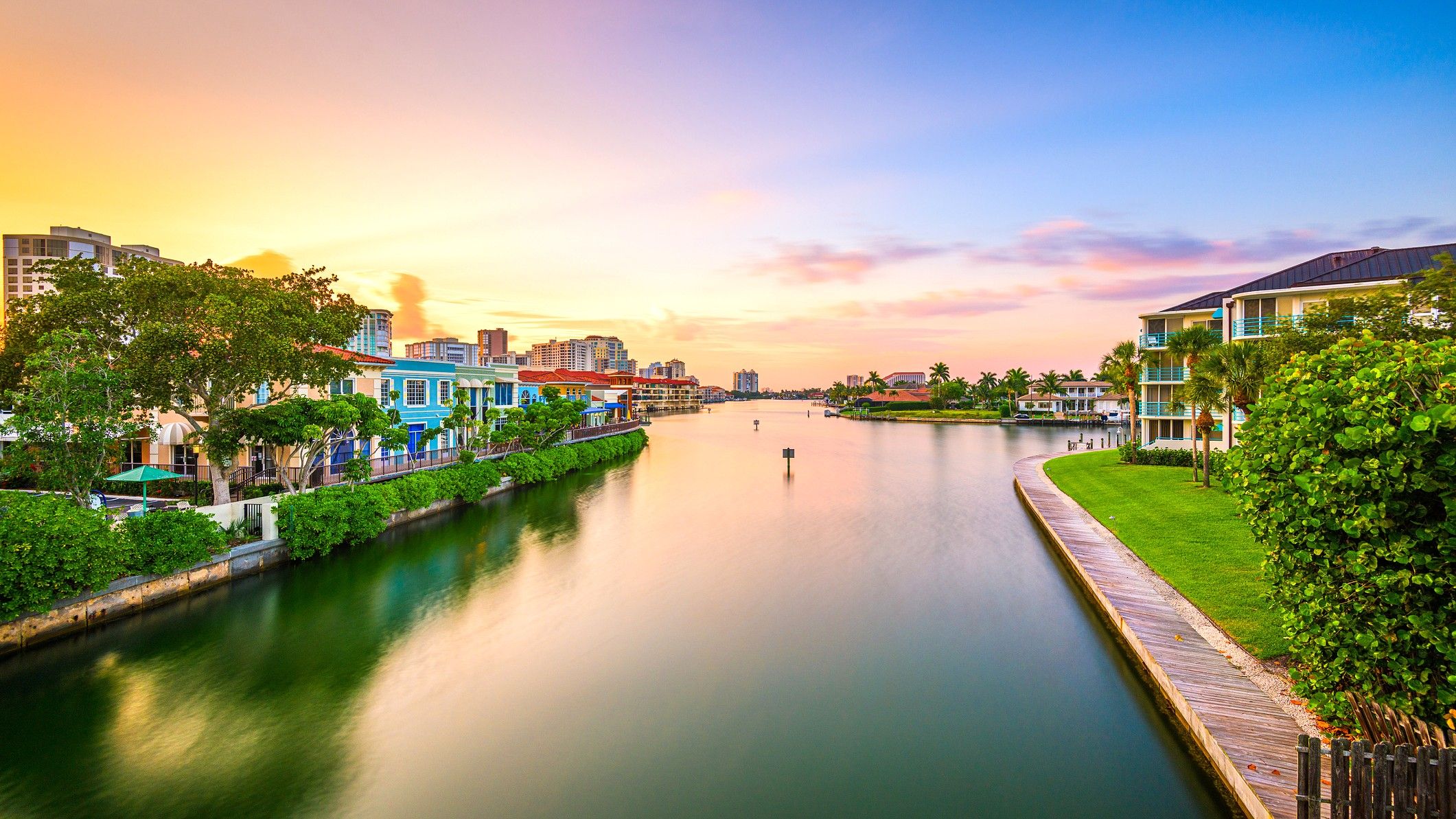
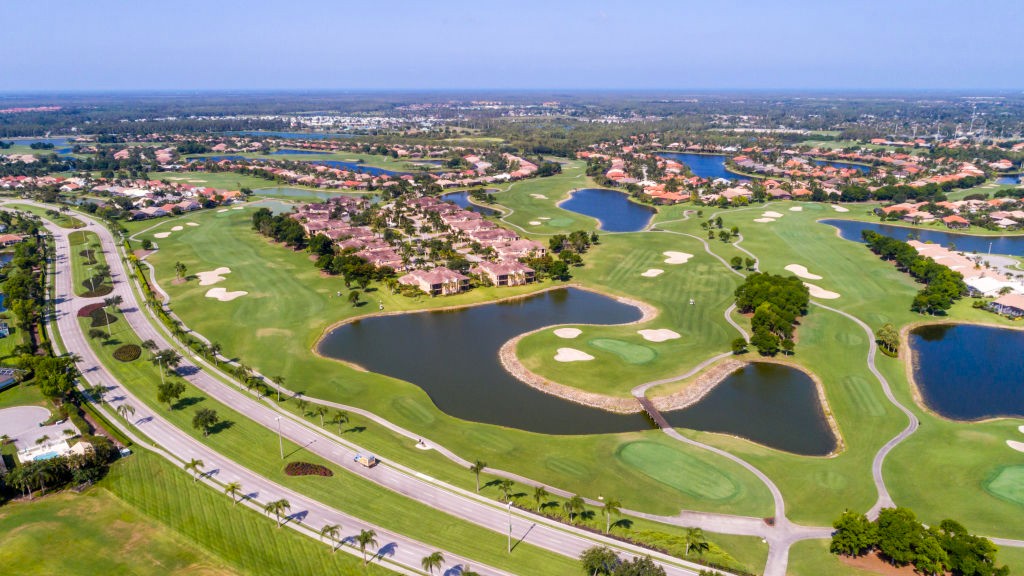
Naples developed later as a planned luxury community along Florida’s Paradise Coast. While parts of Southwest Florida began seeing development in the late 19th and early 20th centuries, the modern incarnation of Naples as the self-proclaimed "Golf Capital of the World" accelerated during the real estate booms of the 1980s and 1990s. Wealthy Midwestern and Northeastern professionals flooded the area, transforming sleepy coastal acreage into gated master-planned communities, high-end commercial districts, and one of the highest per-capita concentrations of millionaires in the United States.
Supporting Data: Financials, Healthcare, and Environment
Naples, Florida: The Financial and Environmental Breakdown
Housing and Cost of Living
While everyday expenses like groceries, gas, and utilities run close to or slightly below the national average, the overarching cost of living in Naples is driven entirely by real estate. Redfin data places the median home sale price at roughly $1.2 million, paired with average monthly rents between $2,000 and $2,500. With a median household income hovering around $153,000, Naples is built for affluent retirees.
The Tax Advantage
Naples shines brightest for individuals eager to minimize tax liability. Florida levies no state income tax, meaning pension payments, Social Security benefits, and distributions from 401(k)s or IRAs are entirely untouched by the state. Furthermore, Florida has no estate or inheritance taxes, preserving generational wealth.
Healthcare Infrastructure
Healthcare is a paramount concern for retirees, and Naples delivers exceptional facilities. Naples Comprehensive Health (NCH) has earned recognition as one of Healthgrades’ America’s 50 Best Hospitals—placing it in the top 1% nationwide. It is also a member of the Mayo Clinic Care Network and operates the region’s only Joint Commission-accredited Comprehensive Stroke Center.
Climate and Environmental Risks
The sunshine comes with notable caveats. In 2023, Naples recorded 53 days with a heat index of 105°F or higher. More critically, its low coastal elevation exposes it to severe hurricane risk, storm surge, and tidal flooding (as witnessed during Hurricanes Ian, Helene, and Milton). Redfin data indicates that nearly all Naples properties face severe wind and flood risks over the next 30 years, pushing average home insurance premiums to roughly $9,660 annually for a $300,000 policy, excluding mandatory separate flood insurance.
Palm Springs, California: The Financial and Environmental Breakdown
Housing and Cost of Living
Palm Springs matches Naples’ overall cost of living index at roughly 29% above the national average, but the barrier to entry is substantially lower. The median home sale price sits near $590,000—roughly half that of Naples—with monthly rents averaging $1,480 to $1,970. The local median household income is approximately $73,119, reflecting a broader socioeconomic mix.
The Tax Burden
California is widely recognized as one of the least tax-friendly states for retirees with substantial pensions and investment accounts. While Social Security is exempt, traditional pension payments and IRA/401(k) withdrawals are taxed as ordinary income at progressive rates ranging from 1% to 13.3%. However, like Florida, California imposes no state-level estate or inheritance taxes.
Healthcare Infrastructure
Medical needs are well-served in the Coachella Valley. Desert Regional Medical Center in Palm Springs serves as a Level II trauma center, while nearby Eisenhower Health in Rancho Mirage has earned Leapfrog’s top "A" safety grade for 10 consecutive cycles and ranks as the top hospital in the Riverside–San Bernardino metropolitan area according to U.S. News & World Report.
Climate and Environmental Risks
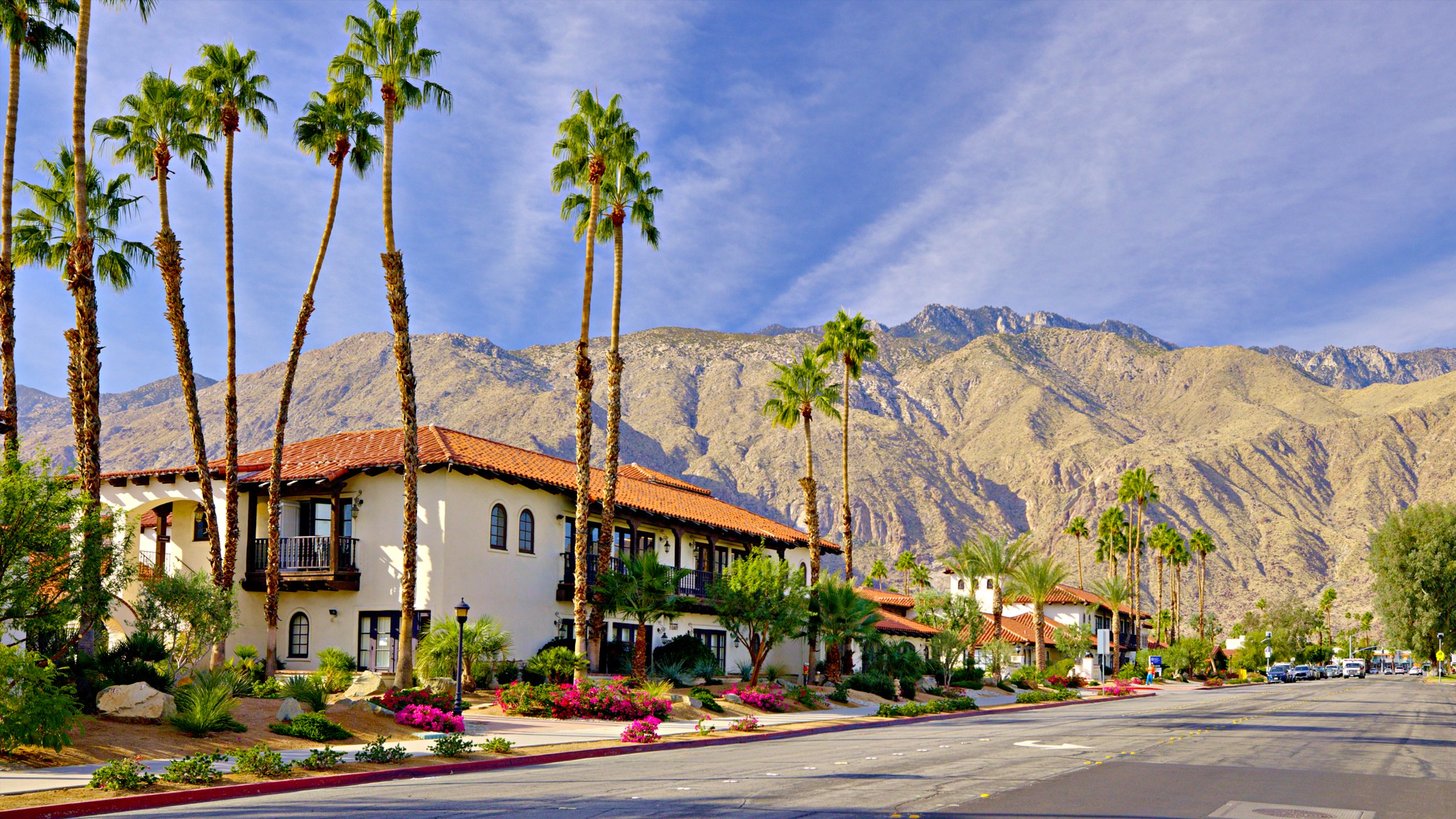
Boasting roughly 300 days of sunshine annually and less than five inches of rain, Palm Springs offers glorious winters with highs in the 60s and 70s. Summers, however, are brutal, bringing months of triple-digit heat that frequently exceed 108°F. Geologically, the region sits near the San Andreas Fault, requiring supplemental earthquake insurance through the California Earthquake Authority. The area also faces historical drought conditions and localized wildfire concerns.
Official Responses and Expert Insights
Financial planners who manage relocations to both regions emphasize that choosing a retirement destination involves far more than simply crunching tax brackets or checking weather apps.
According to Patrick Huey, a certified financial planner and founder of Victory Independent Planning in Naples:
"Clients do not move to Naples just to save on taxes. They move because they want to enjoy the lifestyle, and then we test whether the numbers support that decision… For many retirees, the question is no longer simply, ‘Can I afford to buy here?’ It is, ‘Can I comfortably carry this house for the next 20 or 30 years when insurance, maintenance, and association costs are layered on top?’"
Huey notes that his firm has actively restructured retirement plans to help clients relocate out of flood-prone zones to mitigate decades of escalating property and casualty insurance costs, which he describes as the primary factor determining financial peace of mind in coastal Florida.
Conversely, advisors in Southern California point out that higher income taxes can be effectively managed through strategic planning. Joon Um, a financial planner at Secure Tax & Accounting in Beverly Hills, notes:
"The biggest drawback is California’s income tax. However, most retirees are nowhere near the 13.3% top rate."
Um suggests utilizing proactive tax strategies such as Roth conversions, managing withdrawals before Required Minimum Distributions (RMDs) kick in, and balancing taxable and tax-advantaged accounts. He adds that lifestyle often outweighs pure tax optimization:
"Many retirees accept the higher taxes for California’s weather, lifestyle, family, and healthcare. Taxes matter, but lifestyle often matters just as much."
Implications for Your Retirement Plan
When evaluating whether to plant your flag in Naples or Palm Springs, the decision ultimately rests on balancing your financial profile against your cultural and environmental preferences.
If You Prioritize Tax Efficiency and Traditional Luxury: Naples is the clear winner for individuals with substantial pre-tax retirement accounts, pensions, or significant capital gains who want to minimize ongoing state tax liabilities. However, you must be financially prepared to absorb high upfront housing costs, climbing property insurance premiums, and potential climate disruptions associated with hurricane seasons.
If You Prioritize Progressive Culture and Design-Forward Living: Palm Springs offers a more accessible initial housing market and a vibrant, socially inclusive, and culturally active community. While you will surrender a larger percentage of your retirement withdrawals to state income taxes, you trade the threat of tropical hurricanes for desert heat and seismic activity, all while enjoying a distinct mid-century modern aesthetic and robust healthcare systems.
Ultimately, the right choice depends on whether your retirement vision is defined by the manicured golf greens and Gulf breezes of Florida’s Paradise Coast, or the modernist architecture, desert sun, and dynamic social fabric of Southern California.