The Reality of Rural Life: Debunking the Myth of Total Homestead Self-Sufficiency
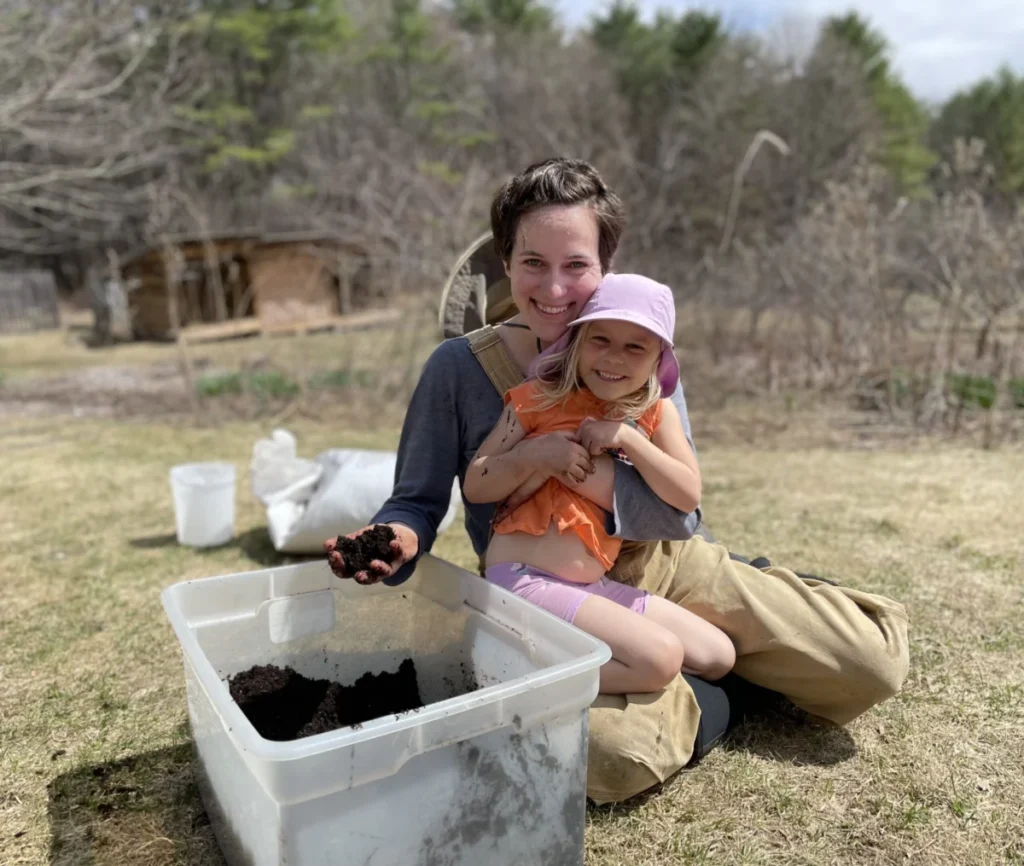
When the Frugalwoods—a family known for their commitment to extreme frugality and intentional living—decided to trade their urban existence for a 66-acre homestead in the woods of Vermont in May 2016, they carried with them a dream. It was a vision etched in the romanticized tropes of agrarian life: a serene, self-sustaining paradise where every meal was harvested from the earth, every winter pantry was stocked with home-canned bounty, and every day was spent in harmony with the land.
Seven years later, the reality of that transition has proven to be a complex study in expectation versus experience. As the family celebrates the seventh anniversary of their rural relocation and the ninth anniversary of the Frugalwoods platform, they are reflecting on the "gargantuan assumption" that dominated their early years: the belief that they would—or should—grow and raise all of their own food.
The Myth of the Modern Homesteader
For many urbanites, the move to a rural homestead is framed as a "back-to-the-land" movement. It is often imagined as Little House on the Prairie stripped of its historical hardships—a world of organic, free-range, self-contained living. The initial vision for the Frugalwoods included everything from large-scale vegetable gardening to raising meat chickens, pigs, and goats, and even maintaining a dairy cow for home-churned butter and artisanal cheeses.
"I had an idyllic vision of us growing all the fruits and vegetables we could ever want," the author reflects. "There I was among the rows, singing to each vegetable, encouraging it to flourish."
However, after nearly a decade on their Vermont property, the Frugalwoods have reached a pragmatic conclusion: while complete self-sufficiency is technically possible, it is not a pursuit they choose to maintain. The transition from idealistic dreamer to grounded realist has been a multi-year process of letting go of the pressure to live up to a "perfect" image of a homesteader.
Chronology: From Idealism to "The Kale Apocalypse"
The evolution of the family’s gardening philosophy was not immediate; it was forged through trial and error. The turning point, colloquially dubbed "The Kale and Chard Apocalypse of 2018," serves as a cautionary tale of over-ambition.

In their early years, the family attempted to scale their production to match their self-sufficiency goals. They planted 80 kale and chard plants, a number that proved to be a logistical nightmare. The harvest was so bountiful that the greens had to be processed in a child’s baby pool. The ensuing days of washing, blanching, and canning were not a pastoral dream but an exhaustive, high-pressure labor that left the parents burned out and the children stressed.
"I’d succeeded in transplanting the stress and anxiety of my office job onto my gardening," the author notes. The realization that they could not consume the massive volume of preserved food they had worked so hard to create was the catalyst for change. The heartbreak of composting unused jars of home-canned goods marked the end of their era of "competitive homesteading."

Supporting Data: The Current Homestead Layout
As of 2023, the family’s gardening approach has shifted toward sustainability and balance. They have categorized their efforts into three distinct zones that prioritize convenience and enjoyment over total production:
1. The Porch-Side Raised Beds
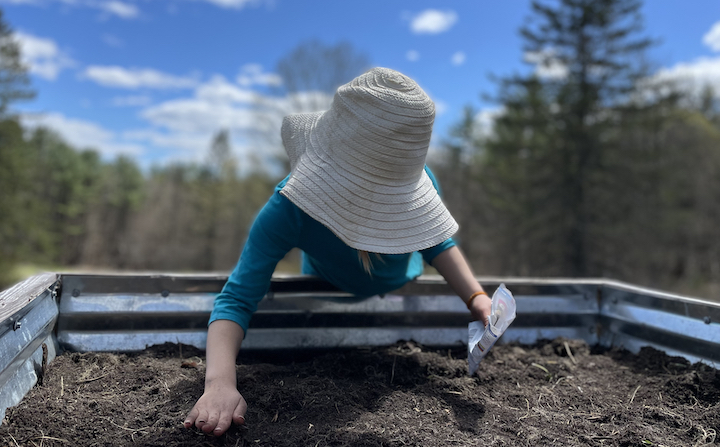
Constructed in 2020, these four beds are designed for accessibility. They house strawberries, herbs, and greens, allowing the family to harvest fresh ingredients with minimal effort. This represents a shift from "production-at-all-costs" to "convenience-integrated-living."

2. The "Big" Vegetable Garden
This fenced, cattle-panel-supported garden is the hub for annuals like tomatoes, beans, squash, and peppers. Crucially, this space serves an educational purpose, with the children managing their own rows. It functions as a source of fresh summer produce rather than a survivalist larder.
3. Perennial Fruits and the "Clever Varmint Patrol"
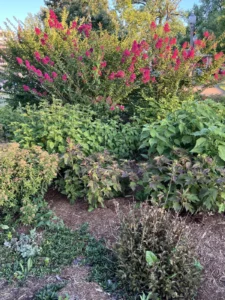
The family maintains an extensive collection of fruit trees and bushes, including apples, blueberries, and raspberries. However, the yields are heavily impacted by what the author calls the "Clever Varmint Patrol" (CVP)—local wildlife that consistently harvests the fruit before the humans can. Combined with the fickle Vermont climate and the short, intense harvest windows of fruit trees, the perennial garden highlights the inherent unpredictability of rural food production.

The Philosophical Shift: Redefining Freedom
The Frugalwoods’ journey offers a poignant critique of the modern obsession with productivity, even in "leisure" or "lifestyle" pursuits. The primary reason for their decision to scale back is the recognition that, for them, the "rat race" of the city was not inherently tied to an office building; it was a state of mind that could easily be exported to a garden.
"I’ve learned that chaining myself to my vegetable garden is really no different than chaining myself to a desk," the author observes.

For the family, the move to the country was meant to provide joy, time, and freedom. They have concluded that their quality of life is better served by supporting local farmers—who possess the expertise and infrastructure to produce food at scale—rather than forcing themselves into a role of subsistence farming that leaves them with no time for hiking, community engagement, or family play.
Implications for the Future
The Frugalwoods’ experience challenges the notion that rural living requires a specific, strenuous standard of output to be considered "authentic." By choosing to step away from the pressure of total self-sufficiency, they have effectively redefined what success looks like in a homesteading context.

The implications of this shift are twofold:
- For the Aspiring Homesteader: It serves as a reminder that the "Pinterest-perfect" version of rural life often masks an exhausting, full-time industrial workload. Successful homesteading is as much about managing expectations as it is about managing soil.
- For the Local Economy: By purchasing from neighboring farms, the family is fostering local sustainability. They are choosing to be active participants in a regional food system rather than isolated producers, a move that arguably strengthens their rural community more than growing their own kale would.
As the family looks toward the future, they have reached a state of "acceptance." They continue to garden, but they have shed the guilt of imperfection. They may or may not can their apple sauce; they may or may not weed every row. The "perfect homesteader" image has been replaced by a more sustainable, human-centric model where the land is a partner in their life, not an employer demanding constant service.

In the final assessment, the transition from urban to rural for the Frugalwoods has been a journey toward self-knowledge. They have discovered that the true value of their 66 acres is not in the amount of food they can extract from the soil, but in the freedom they have gained to decide how to spend their days. As they enter their eighth year on the homestead, the lesson is clear: true rural living is not about conquering the land; it is about finding the balance that allows one to actually enjoy the life they’ve built.