The Reality of the Homestead Dream: Seven Years of Lessons from Frugalwoods
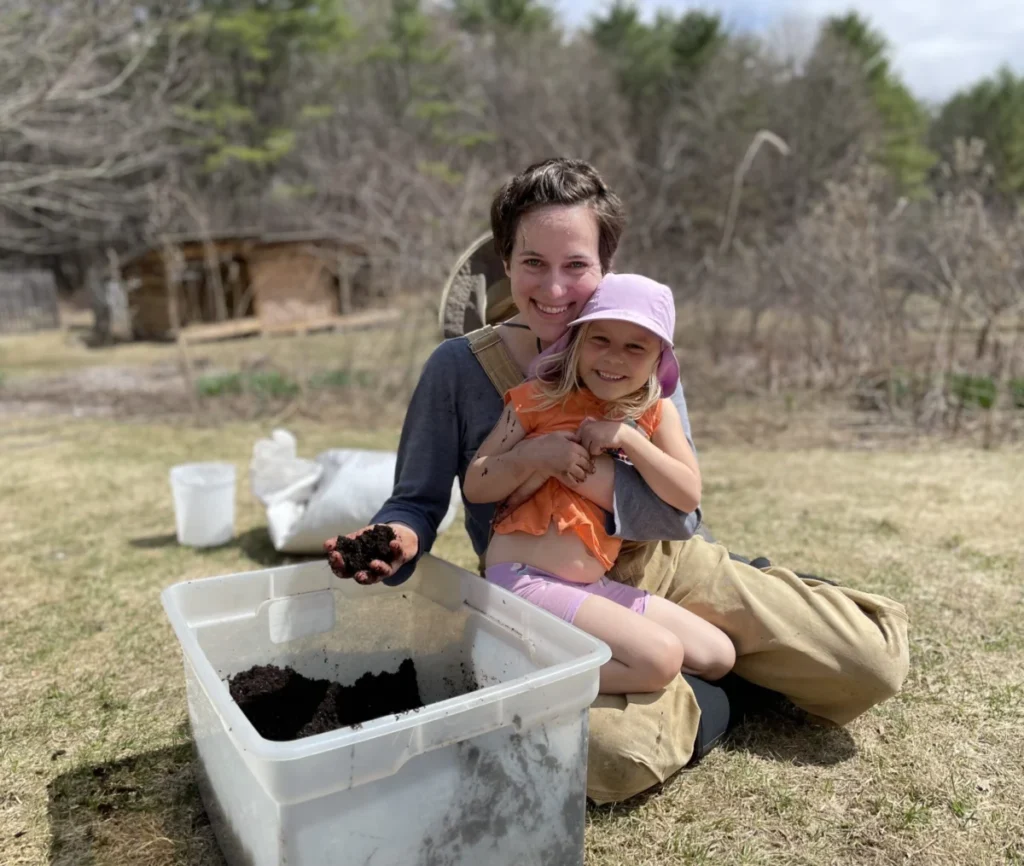
When the Frugalwoods—a prominent financial independence couple known for their "extreme" approach to saving—decamped from the city to a 66-acre homestead in rural Vermont in May 2016, they brought with them a vision of self-sufficiency. They dreamed of a life mirroring the idyllic, self-sustaining rhythms of Little House on the Prairie, devoid of the modern "rat race."
Seven years later, the reality of that transition has proven to be a complex study in expectation versus execution. As the family celebrates both the ninth anniversary of their brand and the seventh anniversary of their rural life, they are pulling back the curtain on the "gargantuan assumption" that defined their move: the goal of growing and raising all of their own food.
The Myth of Total Self-Sufficiency
For many, the appeal of homesteading is rooted in the romanticized notion of a closed-loop food system—a larder stocked with home-grown preserves, a cellar full of root vegetables, and meat raised on one’s own land. The Frugalwoods were no exception. They envisioned a life where they would raise chickens, pigs, and goats, and churn their own butter, effectively detaching themselves from the industrial food chain.
However, the reality of the last seven years has necessitated a pragmatic shift. The primary takeaway from their journey is that while total self-sufficiency is technically possible, it is not always compatible with a life of balance and personal freedom.
"I’ve learned that chaining myself to my vegetable garden is really no different than chaining myself to my desk and computer," the author notes. "A garden has endless needs, does not care about your time, energy, or plans, and exerts a lot of time-bound pressures."
A Chronology of the "Kale and Chard Apocalypse"
The turning point for the Frugalwoods came in 2018, an event they now refer to as the "Kale and Chard Apocalypse." In an effort to test their limits, the couple planted 80 kale and chard plants—a move that proved far too successful.

The harvest resulted in an overwhelming deluge of greens. The labor required to process the bounty—harvesting, washing, blanching, and freezing—stretched over several exhausting days. The process was physically draining, particularly with young children in the home. Ultimately, the endeavor underscored the difficulty of managing "peak harvest" cycles without a professional-grade kitchen or a dedicated work crew.
"The absolute worst part of it is that we didn’t have a chance to eat all of that hard-won preservation before some of it went bad," the author admits. "It broke my heart to dump it out into the compost."

This experience served as a catalyst for a change in philosophy. It forced a realization that their privilege allowed them to opt out of subsistence farming, and that forcing themselves into a role they didn’t inherently enjoy was simply replicating the stress of their former corporate lives.
Supporting Data: The Logistics of the Modern Homestead
Today, the Frugalwoods’ agricultural setup is significantly more modest and intentional. Their current gardening infrastructure includes:

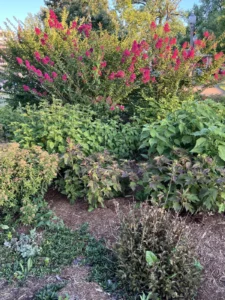
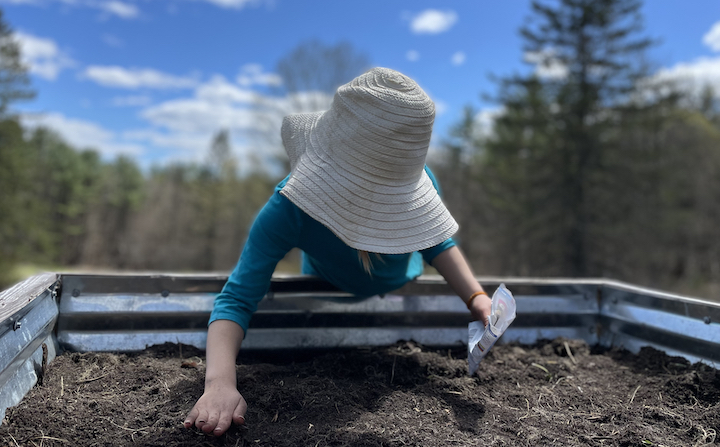
- Four Raised Beds: Located near the back porch for easy access, these are dedicated to strawberries, herbs, and various greens.
- The "Big" Vegetable Garden: A fenced area featuring cattle panels for vertical growth, where the family focuses on tomatoes, beans, squash, snap peas, and peppers.
- Perennial Fruit: A long-term project including apple, cherry, and plum trees, as well as blueberries.
However, the "data" on yield tells a challenging story. Perennial fruits take years to reach maturity, and even then, the harvest is subject to the "Clever Varmint Patrol" (CVP)—the local wildlife that often beats the family to the harvest. Furthermore, weather patterns—from late frosts to excessive rainfall—can decimate a season’s worth of effort.
The "Clever Varmint Patrol" and Environmental Hurdles
A recurring theme in the Frugalwoods’ account is the relentless competition for resources. Whether it is wild turkeys trapping themselves in a fenced blueberry patch or local wildlife consuming stone fruits the moment they hit peak ripeness, the unpredictable nature of nature is a primary barrier to self-sufficiency.

These hurdles have forced a shift in perspective. The couple now views their garden as a hobby and a learning opportunity for their children, rather than a primary food source. They have embraced the role of supporting local farmers, acknowledging that those who do this work full-time are not only better at it but also provide a vital service to the community.
Implications: The Shift Toward Balance
The overarching implication of the Frugalwoods’ seven-year journey is a reframing of what it means to be a "successful" homesteader. For them, the goal is no longer a race toward perfection or total independence from the grocery store.

Redefining Success
The "final stage" for the gardener, according to the author, is acceptance. Acceptance that one does not need to spend 12 hours a day canning to be a "real" homesteader. Instead, they have found a middle ground:
- Selective Preservation: They now preserve only what they can reasonably consume.
- Community Engagement: They trade, gift, and share their produce, avoiding the "over-gifting" of excessive pickles or preserves that previously strained their social circles.
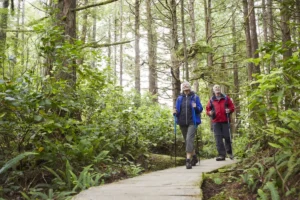
- Prioritizing Experiences: They now favor time spent hiking, swimming at the local lake, or attending community events over the labor-intensive requirements of a massive harvest.
The Verdict on Rural Life
While the Frugalwoods have debunked their own assumption that they would grow all their own food, they have not lost their appreciation for their rural life. The move was never solely about food; it was about reclaiming time, space, and autonomy from the "city rat race."

The lesson for those considering a similar move is clear: the romanticized vision of the homestead is a starting point, not a destination. True success in rural living is found in the ability to adapt, to let go of self-imposed pressures, and to recognize that the freedom to choose how you spend your day is perhaps the most valuable harvest of all.
As they move forward, the Frugalwoods continue to plant their gardens and tend their fruit trees, but the urgency has dissipated. They remain grateful for the lifestyle they have built, fully aware that if they only harvest a few quarts of applesauce instead of hundreds, they have lost nothing—and perhaps, in terms of their own mental health and family time, they have gained everything.