The Pardon Pursuit: Inside the High-Stakes Campaign to Free Charlie Javice
By TechCrunch Editorial Staff
Updated: June 14, 2026 | 2:55 PM PDT
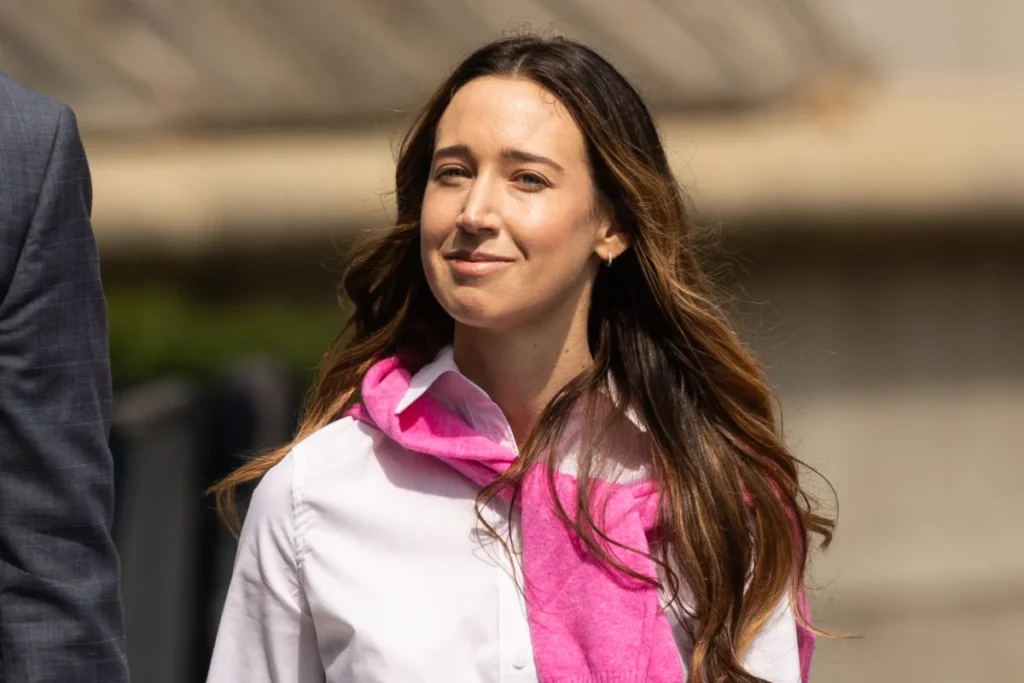
In the corridors of power in Washington D.C., a quiet but frantic lobbying effort is underway. Charlie Javice, the once-celebrated founder of the college financial planning startup Frank, is reportedly navigating the intricate web of influence surrounding the Trump administration in a bid for a presidential pardon. Javice, currently serving a seven-year federal prison sentence for orchestrating a massive fraud against JPMorgan Chase, is seeking a reprieve that would effectively overturn her conviction and clear her path to freedom.
While her name has yet to appear on the formal list of clemency petitions processed by the Department of Justice, sources close to the situation suggest that her legal team and supporters are bypassing traditional channels, opting instead for direct, informal outreach to individuals within the president’s inner circle. This maneuver comes at a sensitive time, as the White House reportedly prepares for a sweeping "semicentennial" clemency initiative—a rumored plan to issue roughly 250 pardons to coincide with the nation’s 250th birthday this summer.
The Genesis of the Fraud: From Fintech Darling to Federal Defendant
To understand the desperation of the current pardon campaign, one must look back at the meteoric rise and catastrophic collapse of Frank. Founded in 2016, Frank was marketed as a streamlined platform designed to simplify the daunting process of applying for federal student aid. Javice, hailed as a wunderkind of the fintech sector, successfully courted venture capital firms and high-profile investors, building a narrative of a mission-driven company helping millions of students secure funding.
The veneer of success was shattered in 2023 when JPMorgan Chase, which had acquired Frank in 2021 for $175 million, discovered that the startup was built on a foundation of sand. The bank alleged that Javice had fabricated millions of customer accounts—essentially creating a "ghost" user base—to deceive the bank during the due diligence process.
By September 2025, a federal jury found Javice guilty of wire fraud, bank fraud, and conspiracy. Prosecutors characterized the scheme as one of the most brazen examples of startup deception in recent memory. Despite her conviction and subsequent imprisonment, Javice has maintained her innocence, currently pursuing an appeal on the grounds that the judicial process was fundamentally flawed and biased against her.
A Growing Queue: The Summer of Clemency
Javice is far from alone in her quest. The anticipated "250-pardon" wave has created a feeding frenzy among the nation’s most high-profile white-collar criminals. The list of those reportedly seeking intervention is as varied as it is controversial, with the most notable name being Sam Bankman-Fried, the disgraced founder of FTX.
For the Trump administration, the upcoming summer of clemency is viewed by some political analysts as an opportunity to project a narrative of executive strength—or perhaps a calculated disruption of the traditional justice system. However, for the legal system, this influx of requests from wealthy, well-connected defendants creates a precarious situation. Critics argue that a pardon for Javice would not only undermine the efforts of federal prosecutors but also send a message that the consequences of corporate fraud are negotiable for those with the right connections.
The JPMorgan Chase Factor: A Personal and Political Rivalry
The prospect of a pardon for Javice adds a layer of complexity to an already combustible relationship between the Trump administration and JPMorgan Chase. The nation’s largest bank has found itself in the crosshairs of the President’s populist rhetoric, specifically regarding the "debanking" of political figures.
Following the January 6, 2021, Capitol riot, JPMorgan Chase closed several accounts associated with Donald Trump and his business entities. The President has long viewed this decision as a targeted political attack, culminating in a $5 billion lawsuit filed against the bank and its CEO, Jamie Dimon, earlier this year. While JPMorgan has vehemently denied any political motivation, citing standard risk-management protocols, the administration’s potential interference in the Javice case—a victory for a bank’s nemesis—could be interpreted as a strategic jab at Dimon.
If the administration were to grant Javice a pardon, it would be seen by many in the financial sector as a direct rebuke of JPMorgan’s legal victories, potentially signaling a new phase in the ongoing conflict between the White House and Wall Street’s most influential players.

The Influence Network: Why Javice Still Has Sway
Despite the severity of her crimes, Javice has managed to retain powerful allies, a testament to the influence she wielded during her time in the fintech spotlight. Among her most prominent supporters is Marc Rowan, the billionaire CEO of Apollo Global Management.
Rowan, an early investor in Frank, went so far as to testify on Javice’s behalf during her trial, providing a character reference that stood in stark contrast to the portrait painted by federal prosecutors. Rowan’s influence is not merely restricted to his professional stature; he is a significant donor to the Republican Party and has contributed millions of dollars to GOP congressional groups since the President’s reelection.
The involvement of figures like Rowan suggests that Javice’s pardon campaign is being handled with the precision of a corporate lobbying effort. By leveraging relationships with individuals who hold significant sway over the administration’s donor base, her team is attempting to transform a criminal matter into a political one.
Legal and Ethical Implications
The legal community is watching the situation with a mixture of concern and skepticism. A presidential pardon is a plenary power, meaning it is not subject to the same oversight as a court ruling. If granted, a pardon would render the ongoing appeal moot, effectively ending the litigation before the appellate court can weigh in on the merits of her defense.
Ethically, the situation raises uncomfortable questions about the two-tiered nature of the American justice system. While ordinary citizens languish in the prison system, the ability to lobby for clemency through informal networks and high-dollar donors suggests that the "justice" in the criminal justice system is increasingly accessible only to those with the capital to buy a seat at the table.
Furthermore, the impact on corporate governance cannot be overstated. If founders believe that they can commit massive fraud and eventually be pardoned by a sympathetic executive, the deterrent effect of federal law is severely weakened. Investors, who rely on the integrity of due diligence and the certainty of the legal system, may find themselves in a landscape where the rules of the game can change at the stroke of a pen.
The Road Ahead: What Happens Next?
As the summer progresses, the pressure on the Department of Justice and the White House Counsel’s office will only intensify. The lack of a formal filing for Javice suggests her team is playing a "long game," banking on a last-minute inclusion in an executive order rather than the standard vetting process.
For JPMorgan Chase, the situation remains a looming threat. The bank has invested significant resources into holding Javice accountable, viewing the case as a matter of principle in protecting the integrity of its acquisitions. Should the pardon proceed, it will likely trigger a new wave of legal and public relations challenges for the bank, forcing them to navigate an increasingly hostile political environment.
Ultimately, the Charlie Javice saga is a microcosm of the current intersection between technology, finance, and politics. It is a story about the fragility of trust in the digital age, the limits of corporate accountability, and the enduring power of influence in the nation’s capital. Whether she receives her pardon or remains behind bars, the case of Frank will remain a landmark chapter in the history of fintech—a cautionary tale of how quickly a dream can turn into a deception, and how far the architects of such deceptions will go to escape the consequences.
As of this writing, neither the White House nor representatives for Charlie Javice have provided comment on the ongoing discussions. The nation waits to see if the "250-pardon" anniversary will be defined by mercy or by the preservation of the rule of law.