Upstart Secures Conditional Green Light for National Bank Charter: A New Era for AI-Driven Finance
By Financial News Desk
Published: July 24, 2026
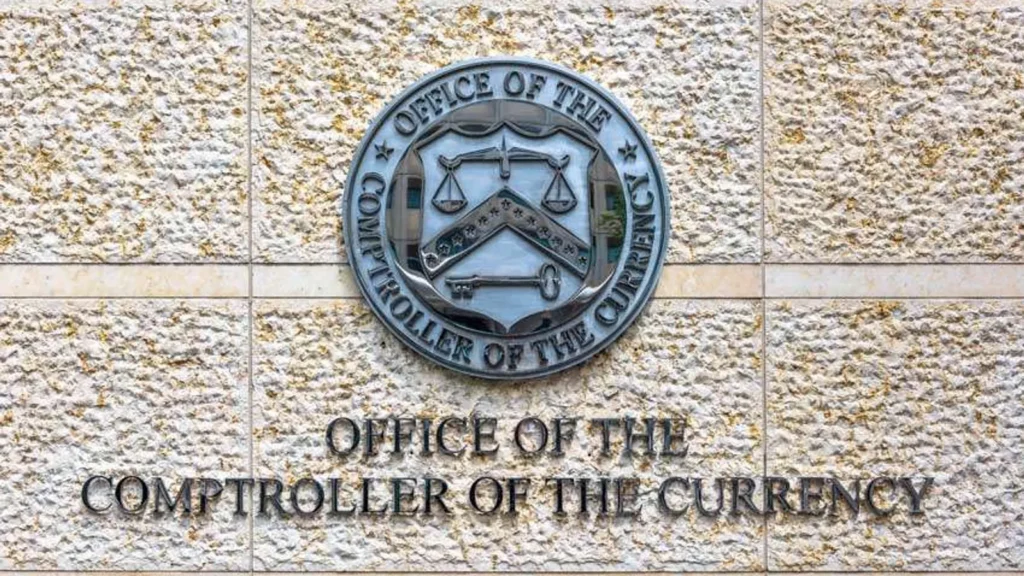
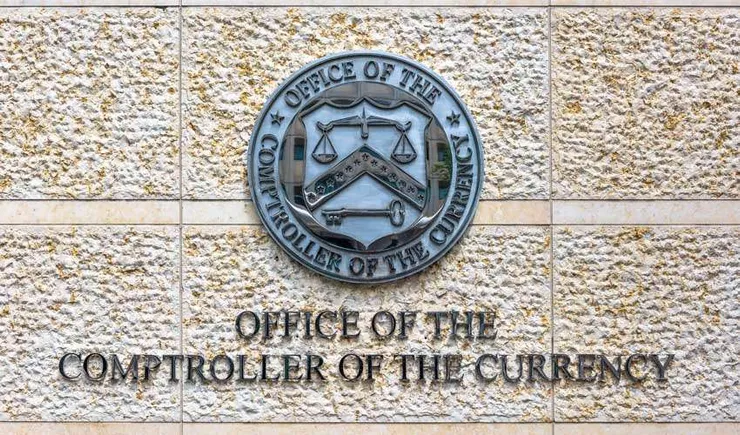
In a milestone development for the fintech sector, AI-powered lending marketplace Upstart Holdings has received conditional approval from the Office of the Comptroller of the Currency (OCC) to establish its own national bank. This regulatory nod, announced Thursday, marks a significant step forward in the company’s evolution from a consumer-facing platform to a full-stack financial institution, potentially reshaping how credit is accessed and managed across the United States.
The approval arrives after a roughly four-and-a-half-month review period—a timeframe that industry observers describe as remarkably efficient given the complexity and scrutiny associated with federal banking applications. While Upstart has cleared this major hurdle, the path to full operation remains ongoing as the firm awaits further approvals for deposit insurance and bank holding company status.
The Core Facts: What This Means for Upstart
Upstart, headquartered in Burlingame, California, has built its reputation on leveraging artificial intelligence to evaluate creditworthiness, often approving borrowers who might be overlooked by traditional credit-scoring models. By securing a national bank charter, the company aims to originate loans nationwide and, crucially, accept deposits insured by the Federal Deposit Insurance Corporation (FDIC).
However, leadership at Upstart has been careful to manage expectations regarding the new entity’s scope. The company stated that “Upstart Bank” is intended to function as a complement to its existing ecosystem of bank and credit union partnerships, rather than a total replacement. The firm will continue its current business model of allowing other financial institutions to purchase loans originated on its platform.
“Upstart Bank will allow us to lower the cost of lending and bring our full product offering to all 50 states, advancing our mission to radically reduce the cost and complexity of credit for all Americans,” said Upstart co-founder and CEO Paul Gu.
Chronology of the Application Process
The journey to this conditional approval was characterized by intense due diligence. The process can be broken down into the following key phases:
- Initial Submission (Early 2026): Upstart formally submitted its application to the OCC, seeking a national bank charter to expand its operational footprint.
- The Review Phase (March–June 2026): The OCC conducted a rigorous examination of Upstart’s internal controls, capital planning, and AI-driven underwriting models. This period involved iterative feedback loops between regulators and the company.
- Regulatory Scrutiny: As noted by company officials, the process was far from a "rubber stamp." The OCC required exhaustive documentation regarding how Upstart manages algorithmic bias, data security, and systemic risk.
- Conditional Approval (July 24, 2026): The OCC issued a conditional charter, affirming that the firm’s proposed business plan meets the threshold for safety and soundness, contingent on fulfilling specific operational and capital requirements before launching.
Supporting Data and The "New Wave" of Fintech Charters
Upstart’s success is part of a broader shift in the regulatory landscape under the current leadership of Comptroller Jonathan Gould. While previous administrations were often viewed as hesitant to grant national charters to non-traditional fintech firms, the current regulatory climate has shown a marked increase in engagement with digital-first innovators.
A Comparative Look at Recent Charter Activity
The following entities have recently navigated the OCC’s rigorous application process with varying degrees of success:
| Institution | Status | Note |
|---|---|---|
| Upstart Bank | Conditional Approval | Focus on AI-driven national lending. |
| Nubank | Conditional Approval | Expansion of digital banking services. |
| Mercury | Conditional Approval | Business banking focus. |
| Valt Bank | Conditional Approval | Specialized financial services. |
| Erebor Bank | Full Approval | One of the few to reach full operational status. |
| Wise | Denied | High-profile rejection signaling continued strict standards. |
The denial of the Wise application serves as a reminder that the "open door" policy does not equate to a lower standard of oversight. According to Michele Alt, co-founder of the regulatory consultancy Klaros Group—which advised Upstart on its application—the bar for entry remains exceptionally high.
"This administration is far more welcoming of financial innovators than we’ve seen for a while," Alt noted. "But an open door is an invitation, not a guarantee. The application process is rigorous and examiner standards remain very high."
Official Responses and Internal Governance
Upstart has appointed Chief Risk Officer Annie Delgado as the proposed CEO of Upstart Bank. Her appointment underscores the firm’s intent to prioritize regulatory compliance as it scales its operations.

"It’s important for the public to understand that efficiency doesn’t diminish oversight," Delgado stated in a press release. "A well-run charter process can be both timely and rigorous. We’ve been challenged extensively throughout the process, and that’s exactly what should happen when an institution is seeking the privilege of becoming a national bank."
This sentiment is echoed by the company’s executive team, who have emphasized that the regulatory "gauntlet" serves as a vital test of the institution’s long-term viability. By successfully navigating these challenges, Upstart aims to demonstrate that its AI-powered model is not just a technological disruptor, but a robust financial engine capable of meeting federal standards.
Strategic Implications: Why This Matters
The move to secure a national charter carries profound implications for the banking sector:
1. Cost and Complexity Reduction
By transitioning to a national bank, Upstart gains the ability to operate across all 50 states without navigating the varying, and often conflicting, licensing requirements of individual state banking departments. This "federal preemption" is expected to significantly reduce compliance costs and speed up the rollout of new financial products.
2. The AI Underwriting Benchmark
Upstart’s success could set a precedent for other AI-driven fintechs. If Upstart Bank demonstrates that it can maintain safe lending practices while utilizing advanced machine learning, it may pave the way for a new generation of "AI-native" financial institutions that are fully integrated into the federal banking system.
3. Strengthening the "Platform-Bank" Hybrid Model
The company’s decision to keep its existing bank partnerships while launching its own bank suggests a hybrid strategy. Upstart is not aiming to cannibalize its current revenue streams, but rather to use its own charter as a sandbox for innovation—testing products and strategies that can then be scaled across its wider network of partner institutions.

4. Regulatory Resilience
The fact that Upstart underwent a "speedy" yet "rigorous" review suggests a maturing relationship between fintechs and regulators. Rather than adversarial posturing, the process indicates a trend toward constructive collaboration where regulators provide clear benchmarks, and firms are expected to meet them without delay.
The Path Ahead
While the conditional charter is a major victory, the work is far from over. Upstart must still secure:
- FDIC Insurance: This is essential for the bank to attract consumer deposits, which are the bedrock of low-cost funding.
- Federal Reserve Approval: As a bank holding company, Upstart will fall under the supervision of the Fed, adding another layer of regulatory oversight regarding capital adequacy and systemic risk management.
Upstart has confirmed it will continue to work closely with the OCC, the FDIC, and the Federal Reserve to satisfy these remaining requirements. The company does not plan to open physical branches, opting instead for a branchless, digital-first model that aligns with its existing technological infrastructure.
As the financial industry watches closely, the success of Upstart Bank will likely be viewed as a litmus test for the future of digital banking. If the firm can maintain its growth trajectory while adhering to the stringent requirements of a national charter, it may well catalyze a transformation in how credit is evaluated and distributed in the American economy.
For now, the industry is waiting to see if Upstart can turn its "conditional" status into a full-fledged operation, effectively bridging the gap between Silicon Valley innovation and Washington-based financial regulation.