Economic Uncertainty Clouds the Horizon: Accounting Executives Brace for Potential Recession

As the U.S. economy faces a confluence of geopolitical instability and inflationary pressure, a significant segment of the nation’s accounting and finance leadership is sounding the alarm. According to a recent survey conducted by the American Institute of CPAs (AICPA), more than half of the surveyed accounting professionals believe the U.S. economy is either currently in a recession or will slide into one by the end of the year.
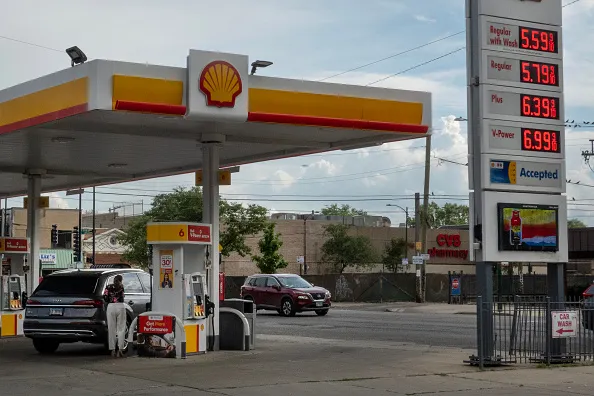
The findings, which reflect a deepening sense of unease among top-tier financial decision-makers, highlight a growing disconnect between individual organizational health and the broader macroeconomic climate. With energy prices surging due to the blockade of the Strait of Hormuz and consumer prices hitting three-year highs, the path toward a soft landing for the U.S. economy appears increasingly fraught with obstacles.
Main Facts: A Shift in Sentiment
The AICPA survey, which polled over 200 professionals—including CEOs, CFOs, and controllers—paints a picture of a business community operating in a state of high alert. The primary driver of this pessimism is a sharp decline in economic confidence; optimism regarding the U.S. economy plummeted from 39% in the first quarter to just 32% in the second.
The data underscores a precarious reality: while internal company performance remains a point of relative stability for nearly half of the respondents, the external environment is viewed as increasingly hostile. Inflationary pressures, once considered transitory, have regained a foothold, fueled largely by an energy crisis that has sent shockwaves through supply chains and consumer wallets alike.
Chronology: The Escalation of Economic Strain
The current climate of apprehension can be traced back to the rapid escalation of geopolitical tensions.
- Q1 2026: Financial leaders entered the year with a guarded, yet measurable, sense of optimism. Expectations for growth were supported by robust consumer spending and relatively stable energy markets.
- Early Q2 2026: Geopolitical friction in the Middle East reached a flashpoint. The near-total blockade of oil shipments through the Strait of Hormuz effectively severed a critical artery of global energy supply.
- May 2026: The impact of the energy crunch became undeniable. Data from the Bureau of Labor Statistics revealed a 4.2% jump in consumer prices, the highest increase in three years. Simultaneously, the AICPA survey was conducted, capturing the immediate reaction of financial executives to these seismic shifts.
- June 2026: S&P Global and other financial institutions began revising their growth forecasts downward, with many now predicting that annualized GDP growth will struggle to exceed 1% in the second quarter.
Supporting Data: The Pillars of Concern
The AICPA report provides a granular look at the specific pressures currently taxing corporate balance sheets.
Inflationary Dominance
Inflation is no longer just a headline statistic; it is a fundamental operational challenge. A staggering 81% of respondents indicated they are more concerned about inflation than deflation for the remainder of the year. This sentiment is driven by two primary factors:
- Energy Costs: The surge in fuel prices has had a direct, cascading effect on the cost of goods sold and logistical expenses.
- Raw Materials: Beyond energy, the rising cost of raw materials has compressed profit margins, forcing companies to decide between absorbing losses or passing costs on to an already strained consumer base.
Labor Market Stagnation
Despite the talk of recession, the labor market remains in a state of hesitant equilibrium. The survey shows that 55% of companies believe they have the "right number" of employees. However, a notable shift has occurred in the remaining segment: the percentage of executives who believe they have too many employees has ticked up to 13%, while those who are understaffed remain cautious. The 12% of executives who express hesitation to hire—even while reporting that they have too few staff—is a clear indicator that capital expenditure and payroll expansion are being throttled by uncertainty.
Official Responses and Expert Perspectives
Financial analysts and economic policy observers have been quick to link the current market sentiment to the wider geopolitical landscape.
The S&P Global analysis, which aligns with the AICPA findings, suggests that the U.S. economy is currently in a state of "stagnation risk." The Federal Reserve finds itself in an increasingly difficult position: raising interest rates to combat inflation could potentially accelerate the recession that half of the accounting community already believes is underway, while doing nothing risks allowing inflationary expectations to become permanently unanchored.
"The economy is caught in a pincer movement," says one industry analyst. "On one side, you have supply-side shocks from energy shortages, and on the other, you have a tightening of corporate investment as executives pull back in anticipation of a downturn."
Implications for the Second Half of 2026
As the year progresses, the implications of this pervasive pessimism are likely to manifest in three key areas:

1. Capital Expenditure Cutbacks
With economic optimism for the global economy dropping to 19%, companies are expected to prioritize cash preservation over growth. This means delaying technology upgrades, postponing new project launches, and trimming non-essential operational spending. The "wait-and-see" approach, common during election cycles, is being amplified by the current geopolitical volatility.
2. The Persistence of Cybersecurity and Regulatory Burdens
Beyond the macro-economic factors, the survey highlights a persistent concern regarding cybersecurity and the tightening of regulatory requirements. As digital transformation continues to be a priority, the cost of securing data against increased global threats is becoming a fixed cost that further burdens bottom lines already strained by inflation.
3. Divergence Between "Firm" and "Market"
Perhaps the most telling finding is the disparity between how executives view their own organizations and how they view the country. While only 32% are optimistic about the U.S. economy, 49% remain optimistic about their own company’s prospects. This suggests that businesses are relying on defensive strategies—efficiency gains, cost-cutting, and agile supply chain management—to insulate themselves from a national economic contraction.
Conclusion: A Strategic Pivot Required
The current data from the AICPA survey suggests that the U.S. business sector is preparing for a "long winter." The convergence of an energy-induced inflation spike and geopolitical instability has fundamentally changed the risk calculus for corporate leaders.
For the remainder of 2026, the focus will likely shift from aggressive growth to structural resilience. As companies navigate the dual pressures of rising employee costs and the unpredictable cost of raw materials, the ability to manage margins without sacrificing operational integrity will be the defining trait of successful organizations.
While the specter of recession hangs heavy over the professional landscape, the relative confidence executives maintain in their own firms provides a thin, yet vital, buffer. Whether that internal confidence will be enough to hold back the tide of a broader macroeconomic downturn remains the central question for the coming months. Finance departments are effectively the "canaries in the coal mine," and their current distress signals suggest that the economy is approaching a critical, and potentially turbulent, turning point.