The High Cost of Heartbreak: A Case Study in Failed Pet Adoption and Family Realities
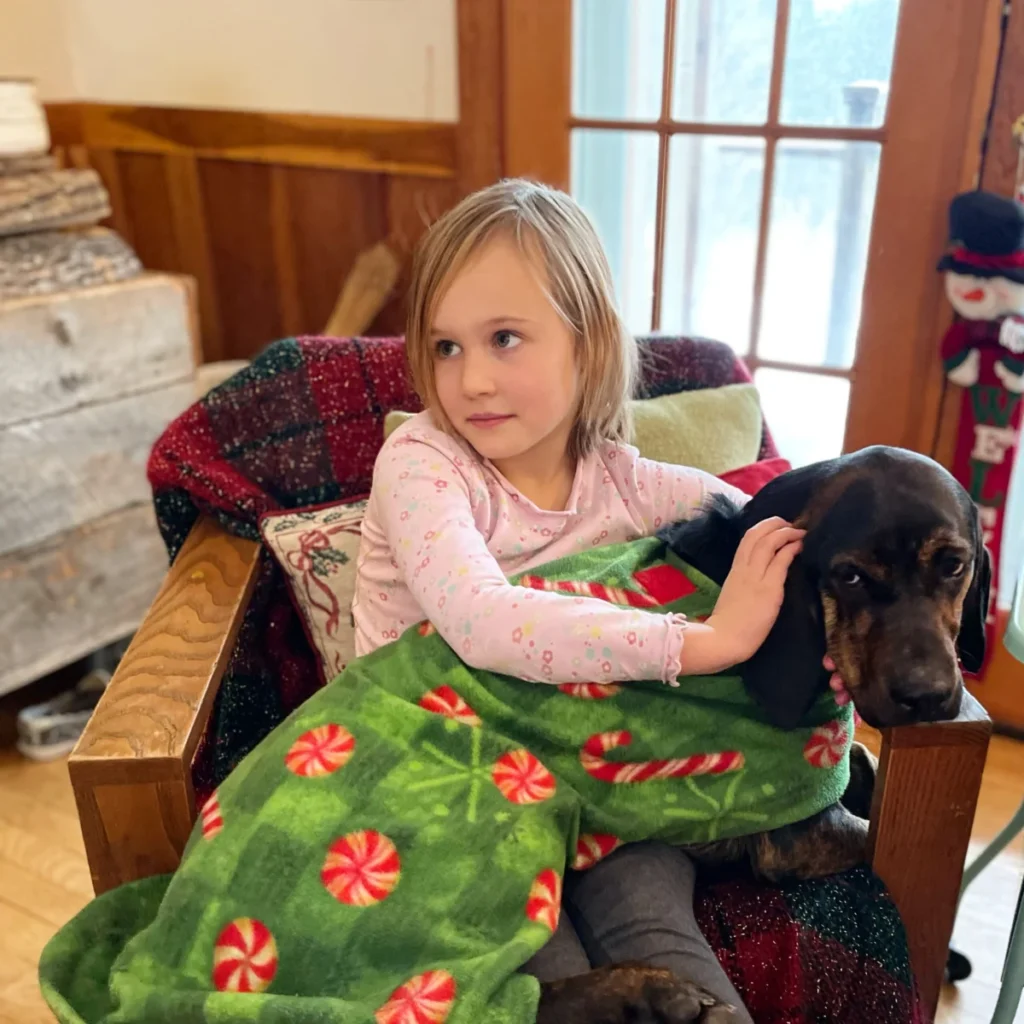
For many, the dream of family life is incomplete without the addition of a four-legged companion. However, the reality of integrating a rescue animal into a household can be fraught with unforeseen behavioral challenges, emotional strain, and significant financial burdens. This is the story of Gigi, a hound whose brief tenure with the "Frugalwoods" family serves as a poignant reminder that love and good intentions are not always enough to overcome deep-seated psychological barriers in rescue animals.
The Arrival and Early Days of Gigi
The saga began in late September, when an emaciated, scratching-covered hound appeared in a friend’s yard. With no collar, no tags, and no microchip, the dog—later named Gigi, for "good girl"—was clearly lost. After exhaustive efforts to locate an owner proved fruitless, the family theorized that Gigi had been a hunting dog, separated from her pack in the wilderness.

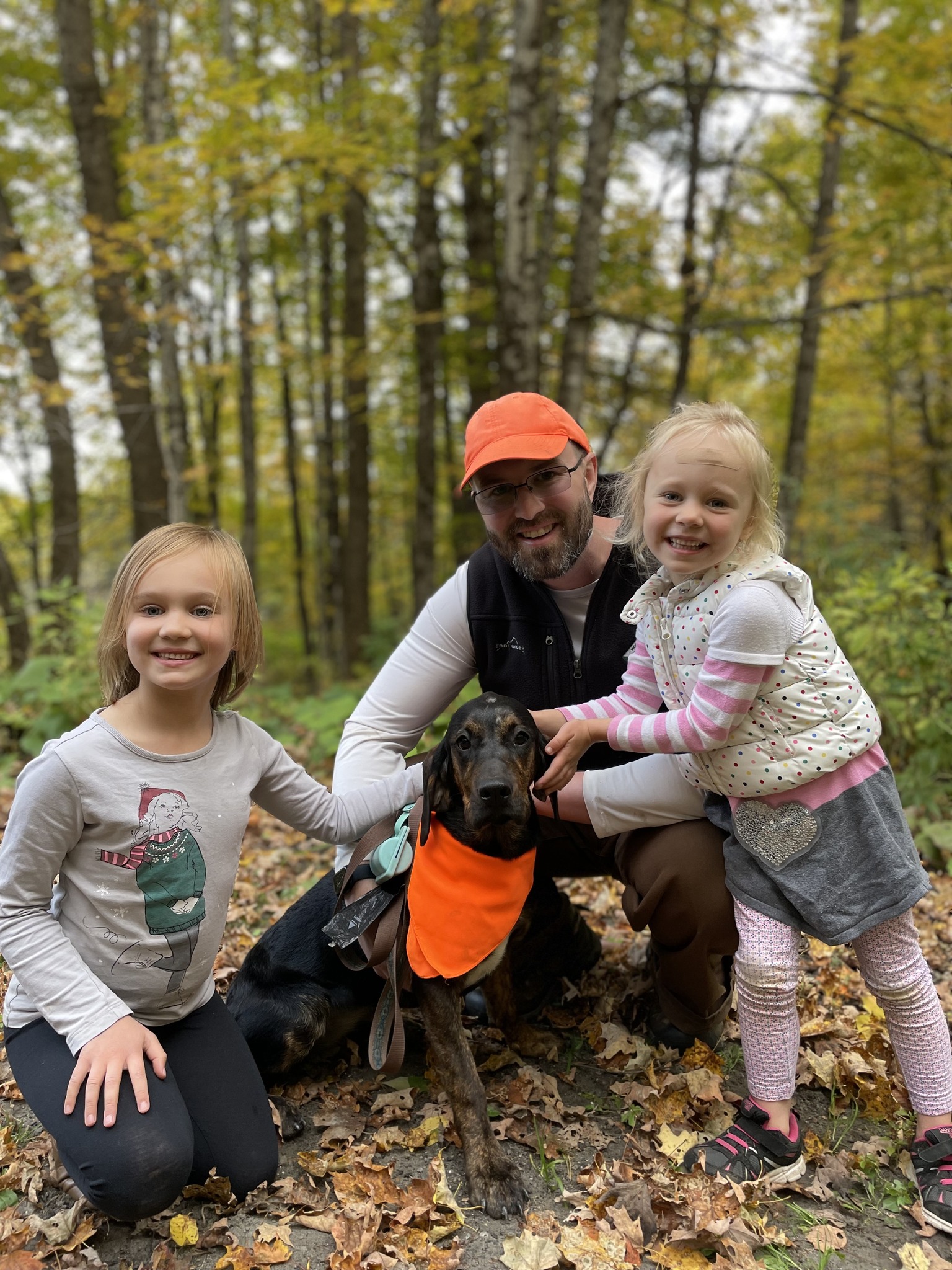
On October 3, 2022, the family made the compassionate choice to adopt her. From the outset, Gigi was a gentle presence. She integrated well with the children, displayed a calm demeanor, and possessed an adventurous spirit for hiking. Yet, beneath this tranquil exterior lay a debilitating psychological condition: severe separation anxiety. Despite being successfully crate-trained in terms of her comfort with the enclosure while the family was home, she could not endure a moment of solitude.
A Chronology of Failed Interventions
The family’s journey to rehabilitate Gigi spanned four months, characterized by a relentless, systematic attempt to solve her anxiety through three distinct professional and personal avenues.
Behavioral Modification
The family initially sought the guidance of a professional dog trainer. The regimen was rigorous, involving desensitization exercises where the owners would leave the home for mere seconds, gradually increasing the duration. Despite their persistence, Gigi’s threshold for panic was immovable; she could not handle an absence longer than five minutes. The trainer, who had worked with numerous rescue animals, was reportedly "flummoxed" by the disparity between Gigi’s calm nature when humans were present and her total breakdown when isolated.
Technological Solutions
Moving into the digital age of pet care, the family invested in high-end surveillance and interactive equipment. They installed a remote camera to monitor her behavior and, upon the advice of experts, added a camera-treat dispenser. The goal was to provide positive reinforcement remotely. However, the technology failed to mitigate the panic. Gigi remained unable to associate the treats with calm behavior, as her anxiety superseded any incentive to eat.

Medical Consultations
The final phase of the intervention involved the veterinary community. The family undertook a series of consultations, attempting various pharmaceutical interventions. Over the course of her stay, Gigi was prescribed mild anti-anxiety medications, sedatives, and eventually, tranquilizers. Each attempt resulted in the same outcome: the medication failed to curb her distress.
The Breaking Point: A Family in Crisis
The implications of Gigi’s condition went beyond mere inconvenience. Her panic manifested in destructive and distressing ways, including pacing and soiling her crate every time the family left for longer than five minutes. This created a cycle of perpetual cleanup, which, combined with the constant supervision required, began to stifle the family’s ability to participate in communal life.

The family realized they were living a life of isolation. Church, school events, and even simple family outings became impossible to coordinate. The stress of managing a dog with severe separation anxiety began to impact the parents’ well-being and, consequently, the children’s sense of security. Recognizing that the environment was no longer sustainable for either the dog or the family, they made the difficult decision to relinquish her.
Financial Transparency: The Hidden Costs of Rescue
The financial commitment required to care for a special-needs rescue animal is often underestimated. The family documented a total expenditure of $2,373.25 during Gigi’s four-month stay. This figure provides a stark look at the "hidden" costs of pet ownership, particularly when dealing with health and behavioral issues.
| Item | Cost |
|---|---|
| Spaying, Foster & Adoption Fees | $600.00 |
| Initial Vet/Vaccinations/Microchip | $497.78 |
| Veterinary Visits/Medications | $449.20 |
| Food, Beds, Toys, & Accessories | $385.25 |
| Training & Behavioral Equipment | $278.77 |
| Licensing & Misc. | $162.25 |
| Total | $2,373.25 |
For comparison, the family’s previous pet, a greyhound named Gracie, cost approximately $930 annually. The financial data serves as a cautionary tale: while the emotional rewards of pet ownership are vast, the economic reality can be significant, especially when a pet requires extensive medical or behavioral support.
Resolution and Current Status
The story concludes with a positive outcome for the dog, though it remains a source of personal pain for the family. The rescue organization that accepted Gigi discovered that her separation anxiety was not a universal trait, but rather a symptom of being separated from a pack. Gigi thrived when placed in a home with other dogs, confirming the theory that she was likely a former hunting dog accustomed to constant canine companionship. She has since been successfully adopted into a multi-dog household.

For the original family, the "dog-sized hole" in their lives is now managed through temporary dog-sitting. By caring for friends’ pets, they fulfill their desire for canine interaction without the long-term, full-time commitment that their current life stage cannot support.
Implications for Prospective Pet Owners
This case study highlights several critical lessons for those considering pet adoption:
- Assess Lifestyle Realism: Prospective owners must evaluate their activity level and freedom of movement. A dog with specific needs, such as a pack-oriented hunting breed, requires a lifestyle that matches those instincts.
- Acknowledge Emotional Costs: Relinquishing a pet is a traumatic experience for both the family and the animal. It is essential to enter into adoption with a clear understanding of the commitment required.
- Financial Preparedness: As evidenced by the $2,373.25 expenditure, even a "free" or low-cost rescue dog can rapidly become a significant financial investment.
- Prioritize Family Well-being: There is no shame in acknowledging that a specific pet is not the right fit for a family’s current dynamic. Acknowledging these boundaries is, in itself, a form of responsible care.
A Note on Community Resilience
While processing the departure of Gigi, the family also faced a secondary challenge: the catastrophic Vermont floods. The family reported that while their residence remained safe, their infrastructure—specifically their driveway—suffered extensive damage. This, coupled with the emotional labor of the adoption failure, underscores the importance of community support and the unpredictable nature of both nature and pet ownership.
Ultimately, the family’s experience serves as an honest, unvarnished reflection on the complexities of modern pet ownership. It is a reminder that while the intention to rescue is noble, the success of such an endeavor relies on a precise alignment between the animal’s psychological needs and the family’s capacity to provide a stable, long-term environment.