The Evolution of Personal Finance: The Best Quicken Alternatives for 2026
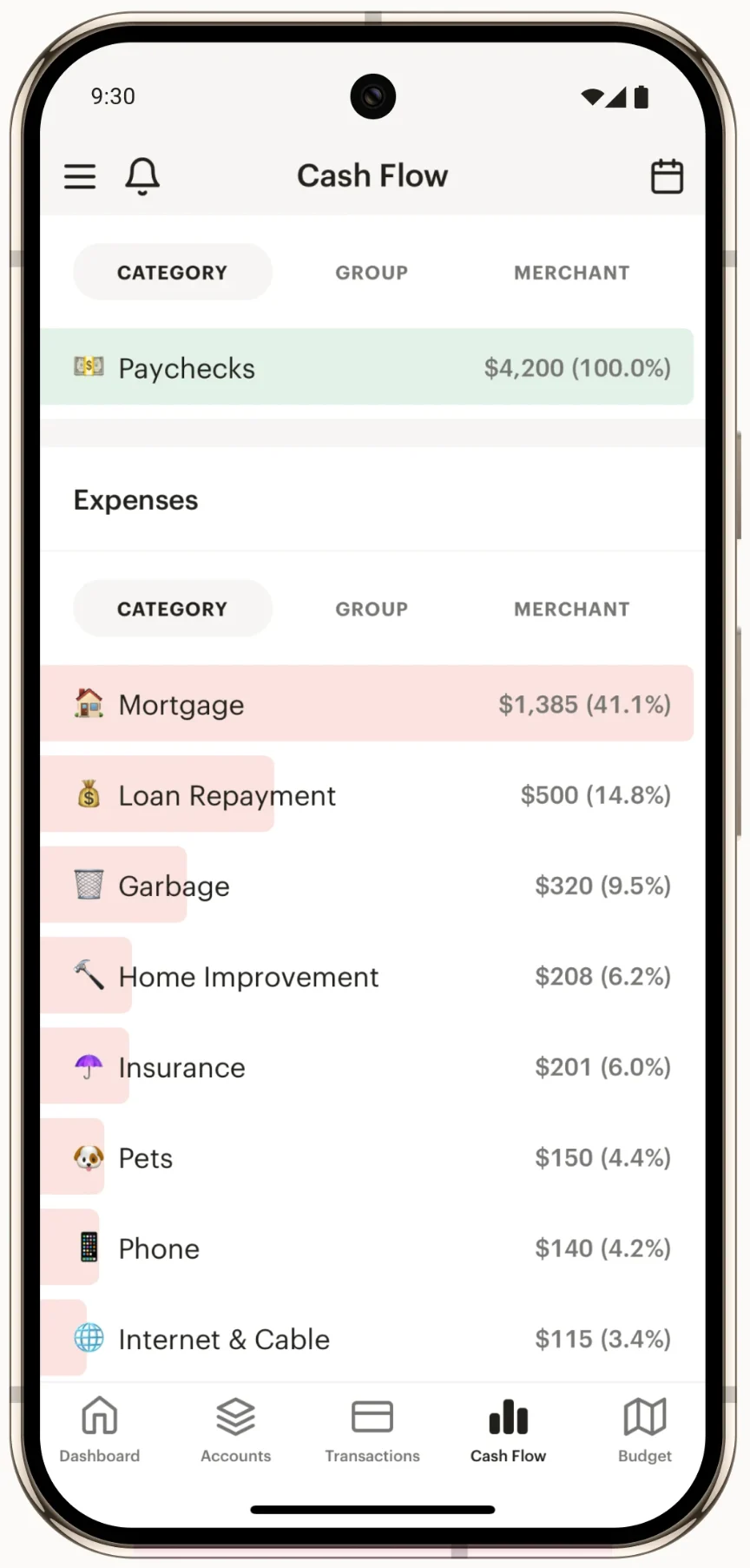
For decades, Quicken stood as the undisputed titan of personal finance software. For those who began their financial journey in the 1980s or 90s, the familiar interface was the digital equivalent of a checkbook register, providing a sense of control over one’s ledger that paper never could. However, the landscape of personal finance management has undergone a seismic shift. Today, the desktop-heavy, subscription-locked model of "Quicken Classic" is being rapidly eclipsed by agile, mobile-first, and cloud-integrated applications that offer more automation and deeper analytical insights.
Whether you are seeking a transition away from a legacy system or looking to automate your financial life for the first time, the options in 2026 are more sophisticated than ever. Below, we examine the current state of personal finance technology and identify the best alternatives to modernize your fiscal management.

The Shift in Financial Technology: Why Users Are Migrating
The modern consumer demands more than just a place to log transactions; they require a comprehensive financial ecosystem. The primary drivers behind the exodus from legacy software include:
- Mobile Accessibility: The ability to check account balances or categorize a transaction while standing in a store is no longer a luxury; it is a necessity.
- Automation: Modern apps leverage open banking APIs to sync transactions in real-time, drastically reducing the manual entry once required by older software.
- Subscription Fatigue: Many users are frustrated by the mandatory annual subscription models of legacy desktop software, seeking instead apps that offer a higher return on investment through superior features.
- AI Integration: New players are using artificial intelligence to provide predictive insights, identifying spending patterns and suggesting budget adjustments before the month ends.
Top Contenders for 2026: A Comparative Analysis
1. Quicken Simplifi: The Balanced All-Rounder
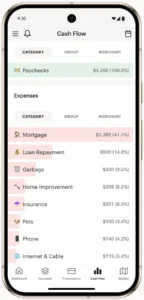
Quicken Simplifi was designed to solve the complexity issues inherent in its parent company’s flagship product. It is a streamlined, mobile-first platform that focuses on the "spending plan"—the core of any successful budget.

- Key Strengths: Simplifi excels at simplicity. It automatically categorizes transactions, monitors upcoming bills, and provides a clear picture of "what’s left to spend."
- Transitioning from Classic: Users can migrate historical data from Quicken Classic by exporting to CSV format. While not a one-click migration, the process allows users to preserve their financial history while upgrading their user experience.
- Best For: Those who want the backing of a established brand but desire a modern, fast, and highly intuitive mobile interface.
2. Monarch Money: The Collaborative Leader
Monarch Money has quickly risen to the top of the market, particularly for households and couples who need to synchronize their financial goals. With a 4.9-star rating on the App Store, it is widely considered the gold standard for user experience.
- Collaborative Features: Monarch allows multiple users to access a single account with individual logins. This is a game-changer for partners who maintain separate bank accounts but want a unified view of their combined net worth and budget.
- Flex Budgeting: Unlike rigid systems, Monarch’s "Flex Budgeting" adapts to irregular income and fluctuating expenses, making it an ideal tool for freelancers and variable-income earners.
- Best For: Couples, families, and power users who want deep customization and a beautiful, clutter-free dashboard.
3. Empower (Formerly Personal Capital): The Investment Powerhouse
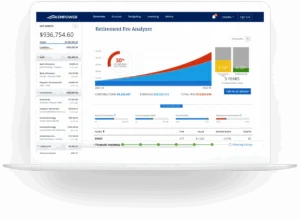
If your primary concern is wealth management rather than daily envelope-style budgeting, Empower remains the premier choice. Having served over 3.3 million users, it is the most robust tool for tracking long-term financial health.

- Holistic Tracking: Empower acts as a net-worth aggregator. It doesn’t just track your checking account; it integrates your home value (via Zillow), your retirement accounts, and your investment portfolio.
- The Cost Factor: It is completely free. While the company offers financial advisory services for a fee, the comprehensive dashboard tools are available to everyone at no cost.
- Best For: Investors who need to track portfolio performance, asset allocation, and retirement readiness.
4. YNAB (You Need A Budget): The Zero-Based Budgeting King
YNAB is not just a tool; it is a methodology. Built on the principle of "giving every dollar a job," it forces users to be intentional with their money.
- Philosophy: It is a zero-based budgeting system. You allocate every dollar of your current income to specific categories before you spend it.
- The Downside: YNAB has a steeper learning curve and a higher price point ($14.99/month). It is less focused on investment tracking and more focused on the psychology of spending.
- Best For: Individuals who struggle with overspending and need a structured, disciplined system to gain control of their cash flow.
5. Origin: The AI-Driven Financial Planner
Origin represents the cutting edge of personal finance. It positions itself as a digital wealth manager, integrating AI to create comprehensive financial plans.

- Advanced Features: Beyond basic budgeting, Origin offers tax preparation assistance, will and trust creation, and automated debt-paydown strategies.
- The AI Edge: The app can suggest budget adjustments based on your history, helping you reach savings goals faster.
- Best For: Users who want an all-in-one financial planning tool that goes beyond mere transaction tracking.
Supporting Data: Why Your Choice Matters
According to recent financial surveys, users who utilize digital budgeting tools report a 15–20% increase in monthly savings within the first six months. The transition from legacy software to these modern alternatives is not merely a change in interface; it is a change in financial behavior.
| App | Primary Focus | Best For |
|---|---|---|
| Simplifi | Budgeting & Bills | Everyday mobile management |
| Monarch | Collaboration | Couples & Households |
| Empower | Investments | Net worth & Portfolio tracking |
| YNAB | Discipline | Zero-based budgeters |
| Origin | Holistic Planning | AI-driven long-term goals |
Implications of the "Subscription Economy"
A critical point of discussion in the 2026 landscape is the dominance of the subscription model. Unlike the software of the 1990s, which was a one-time purchase, current apps rely on ongoing revenue to maintain bank API connections.

While some users express "subscription fatigue," the industry consensus is that the cost of these services is significantly lower than the potential cost of poor financial management. An app that costs $6–$10 a month is an investment that often pays for itself by helping users identify and cancel unused subscriptions or optimize their tax strategies.
Frequently Asked Questions (FAQs)
What is the best free alternative to Quicken?
For investment tracking, Empower is the gold standard and is entirely free. If you are looking for free budgeting tools, the landscape is thinner, though many of the premium apps mentioned above offer 7-day trials to test their efficacy.
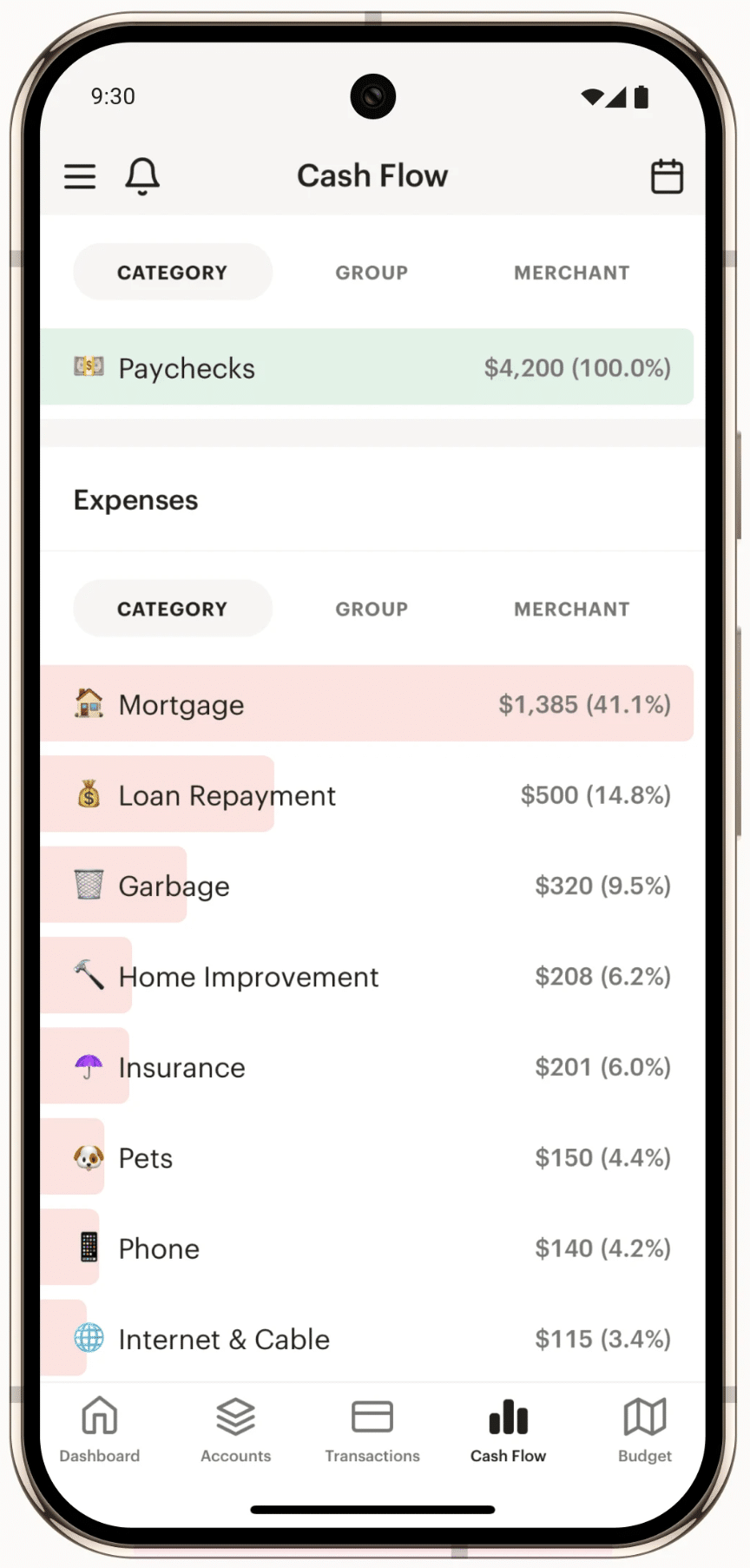
Can I still use desktop software without a subscription?
The market has largely moved away from "perpetual license" software. Almost all major financial apps, including the modern iterations of Quicken, now require a recurring subscription to ensure the security and real-time connectivity of your financial data.
Which app is best for a couple with separate accounts?
Monarch Money is the industry leader for household collaboration. Its ability to host multiple users while aggregating data into a single, cohesive view makes it the superior choice for joint financial management.

Final Thoughts: Choosing Your Financial Partner
Selecting a personal finance app is a deeply personal decision. It requires you to be honest about your financial habits. Are you a "numbers person" who wants to see every penny in a spreadsheet (YNAB)? Are you a busy professional who wants to track their investments and net worth at a glance (Empower)? Or are you a household manager looking for a collaborative, user-friendly hub for your daily expenses (Monarch)?
The technology available in 2026 is transformative. By moving away from legacy systems that may no longer suit your mobile lifestyle, you can reclaim your time and gain a level of clarity that, in the 1980s, was only possible for professional accountants. The best app is not necessarily the one with the most features, but the one you will use consistently. Start with a trial, sync your accounts, and take the first step toward a more automated, informed financial future.