The Native Vote Dilemma: Navigating Sovereignty, Resistance, and the Ballot Box
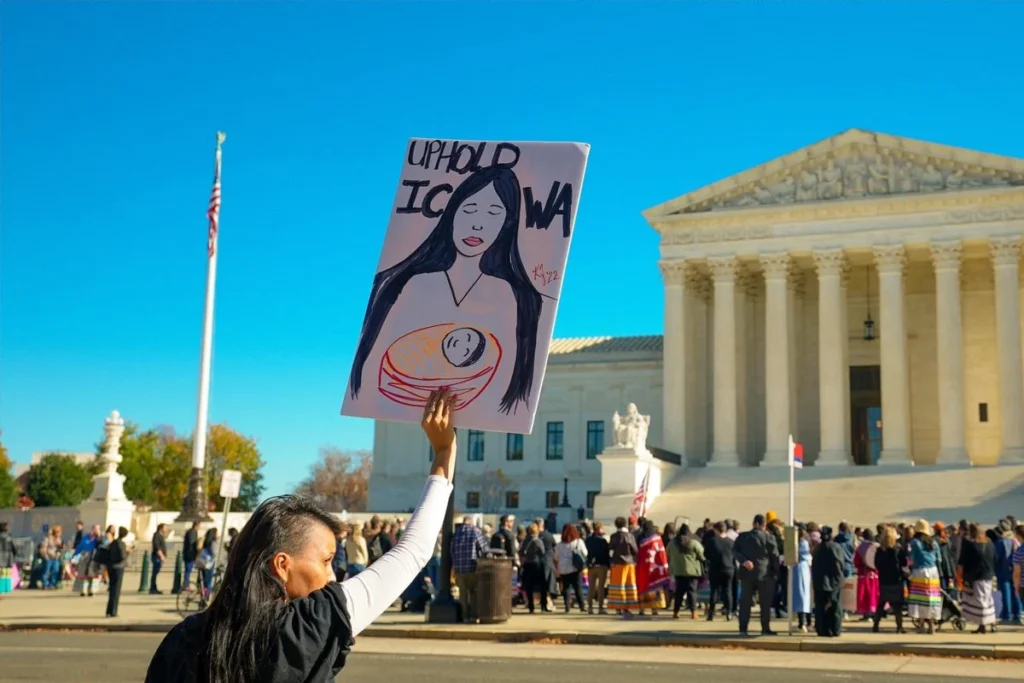
As the 2026 midterm election cycle approaches, Indigenous communities across the United States are grappling with a complex, existential question: How does an Indigenous person meaningfully engage with a political system founded upon the colonization of their lands and the attempted erasure of their governing structures? This tension, often described as the "Native Vote Dilemma," is far more than a logistical hurdle—it is a profound philosophical and strategic challenge regarding the nature of liberation, power, and self-determination.
For the NDN Collective, a prominent advocacy group, the path forward is not found in a simple binary of "voting versus abstaining." Instead, it requires a nuanced, multi-faceted approach that views the ballot box as merely one instrument in a much larger toolkit for survival and systemic change.
The Context: A System Built on Contradiction
The American democratic experiment, while often lauded as a beacon of representation, contains a deep, historical irony. Many of the fundamental structures of the U.S. government—including principles of federalism, collective decision-making, and checks on power—were directly influenced by the Great Law of Peace of the Haudenosaunee (Iroquois Confederacy).
However, as the founding fathers drew inspiration from Indigenous democratic traditions, they simultaneously implemented systems of dispossession, forced assimilation, and structural violence. This historical hypocrisy is not lost on contemporary Indigenous leaders. As Kanasaraken of the Mohawk Warrior Society noted, the settlers adopted the form of Indigenous governance to unite their colonies, yet they failed to return the favor, instead utilizing their new political unity to wage war against the very peoples who taught them how to be free.
Today, the "Native Vote Dilemma" persists because the structural barriers remain formidable. From long distances to rural polling stations and discriminatory ID laws to the lack of employer-mandated time off, the American electoral system continues to function in ways that intentionally suppress the participation of marginalized communities.
Chronology of the Struggle: From Exclusion to Empowerment
The relationship between Indigenous peoples and the U.S. electoral process has never been static. A brief look at the trajectory of the Native vote reveals a history of hard-fought battles:
- Pre-1924: Indigenous people were largely excluded from U.S. citizenship and, by extension, the vote. Even after the Snyder Act of 1924 granted citizenship, many states continued to use literacy tests and poll taxes to bar Native people from the ballot box.
- 1960s-1970s: The Civil Rights era, marked by voices like Malcolm X and John Trudell, sparked a radical re-evaluation of how Indigenous people utilize political power. It was a period of defining "political maturity," where leaders urged communities to look beyond the ballot box and toward a broader vision of liberation.
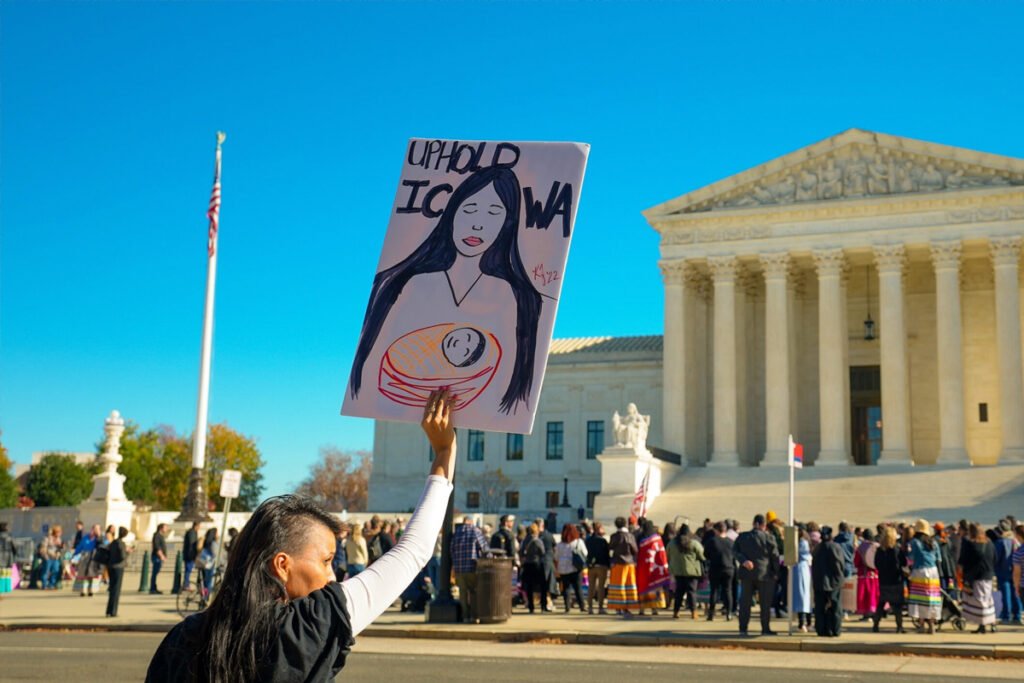
- The Modern Era: Legal challenges to the Indian Child Welfare Act (ICWA) and ongoing battles over land rights have underscored that electoral outcomes have direct, material impacts on Indigenous sovereignty.
- 2026 and Beyond: NDN Collective is shifting the conversation toward an intentional strategy that prioritizes local organizing and candidate accountability over passive participation.
Perspectives from the Frontlines
To navigate these complexities, the NDN Collective consulted three of its key strategists, each offering a distinct perspective on the role of the ballot in the broader fight for liberation.
Dr. Valeriah Big Eagle: Sovereignty as a Tool
For Dr. Big Eagle, Director of He Sapa Initiatives, voting is not an act of assimilation, but an exercise in inherent sovereignty. "Voting is one tool among many," she explains. "It is a way to protect our communities, but it is not the only way we create change. We must hold leaders accountable and build our own systems."
Eva Cardenas: The Strategic Necessity of Political Maturity
Eva Cardenas, Director of Organizing at NDN Collective, frames the issue through the lens of Malcolm X’s 1964 speech, The Ballot or the Bullet. She argues that the American system was designed for the comfort of white settlers and, therefore, is not inherently designed to work for Indigenous people. "Disengagement is a valid reaction," Cardenas admits, "but we do not seek to be reactionary; we seek to be intentional. Voting without clarity, knowledge, and active participation is detrimental."
Davis Price: Kuleana and Collective Power
Davis Price, Senior Domestic Policy Strategist, emphasizes the concept of kuleana—the Hawaiian term for responsibility and obligation. For Price, the vote is not an obligation to the American state, but a responsibility to one’s community. "Elections are a pathway to amplify our issues," he notes. "Most issues that affect our communities are tied to public policy at some point. Voting is a way to influence the decisions those officials make."
Data and Disenfranchisement: The Reality of the "Native Vote"
While the debate over the ideology of voting is crucial, the material reality is equally pressing. Indigenous voters face systemic obstacles that have been codified into law:
- Geographic Barriers: Many Indigenous citizens live in remote areas of reservations where the nearest polling location may be hundreds of miles away, often lacking paved roads or public transportation.
- Addressing Inequities: Many reservation residences lack traditional street addresses, leading to the rejection of mail-in ballots and voter registrations.
- Language and ID Barriers: Shifting state ID laws often require documents that are difficult to obtain for citizens who rely on tribal identification or live in communal housing.
These hurdles are not merely logistical accidents; they are systemic features that serve to whittle away the political influence of communities who might otherwise challenge the status quo.
Official Responses and Strategic Shifts
The sentiment that "the system doesn’t work" is widespread, and for good reason. The systemic destruction of land, air, and water for the profit of a few, while living under a "hollow democracy," has left many feeling cynical. However, the prevailing view among contemporary organizers is that total disengagement is a luxury that the movement for LandBack cannot afford.
In response to these challenges, the NDN Collective is launching a series of resources for the 2026 election cycle:
- Indigenous Voter Guide: Designed to help community members navigate the specific legal pitfalls of their districts and protect their right to vote.
- Candidate Questionnaires: A mechanism for applying direct electoral pressure, forcing candidates to go on the record regarding their commitment to Indigenous sovereignty and needs.
Implications for the Future of Democracy
The implications of this conversation extend far beyond the November elections. The debate highlights a fundamental shift in how Indigenous activists view their role in the American political landscape. By rejecting the idea that voting is "sacred" and instead framing it as a "tactic," Indigenous organizers are reclaiming their agency.
If the goal is truly liberation, the strategy must be comprehensive. This means that while voting is a tool to be used, it must be supported by:
- Accountability infrastructure: Organizations that track elected officials and ensure they respond to community demands.
- Grassroots organizing: Building power from the ground up so that candidates are forced to address Indigenous issues, rather than just seeking their support.
- Decolonizing the mind: Moving away from the "autopilot" model of electoral participation and toward a deliberate, politically mature engagement.
As the NDN Collective emphasizes, the stakes are incredibly high. The protection of sacred lands, the upholding of treaty rights, and the realization of LandBack are all tied to the political landscape. By refusing to choose between resistance and engagement, and instead choosing both, Indigenous peoples are redefining what it means to participate in a democracy that has historically sought to exclude them.
The conversation is far from over. As the community continues to grapple with these complexities, the focus remains clear: to build a future where Indigenous peoples have the power to shape their own destiny, with or without the permission of the settler-colonial state.