The Digital Frontier’s Friction: Texans Signal Growing Distrust of Data Center Expansion
By [Your Name/Journalistic Desk]
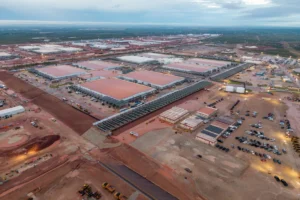
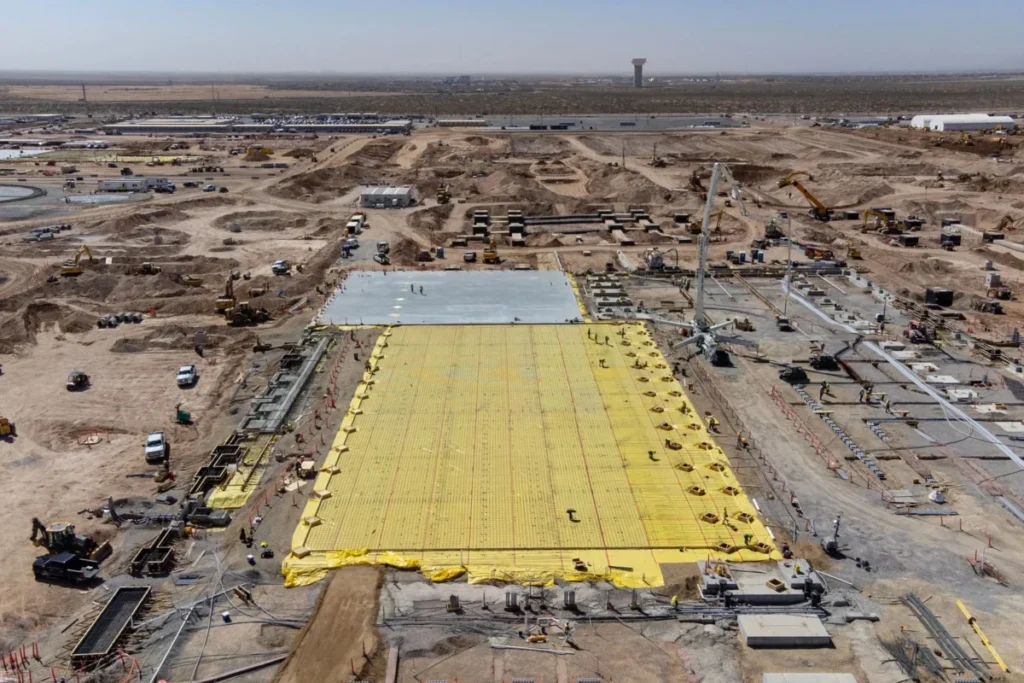
The rapid expansion of artificial intelligence (AI) and the physical infrastructure required to sustain it—massive, power-hungry data centers—has collided with a growing wave of public skepticism in Texas. According to a new poll released Tuesday by the University of Texas/Texas Politics Project, a majority of Texans now oppose the construction of these facilities in their local communities, signaling a significant shift in the state’s historical embrace of industrial economic development.
The survey of 1,200 registered voters paints a stark picture for tech developers and state policymakers alike. While Texas is currently positioned to become the premier hub for data center development in the United States, the social license to operate these facilities is becoming increasingly difficult to secure, particularly in the state’s rural heartlands.
The Data: A Snapshot of Public Sentiment
The UT/Texas Politics Project poll reveals that 56% of Texans oppose the construction of a data center in their community, while only 29% offer their support. The remaining respondents expressed neutrality or uncertainty. With a margin of error of +/- 2.83 percentage points, the results provide a statistically robust look at a sentiment that, until recently, had been largely overlooked in the state’s broader economic narrative.
The opposition is most acute in rural areas, where 62% of respondents oppose local data center construction, compared to just 22% in favor. This is particularly notable given that the vast majority of planned data centers are slated for these very regions.
Partisan divides also highlight the complexity of the issue. Democratic voters show the strongest opposition at 71%, followed by independents at 62%. GOP voters, who traditionally favor industrial expansion and pro-business policies, are deeply divided on the matter, with 44% opposing the projects and 42% in favor. This split among Republican voters suggests that the traditional "pro-business" stance of the Texas GOP is facing an internal reckoning as local communities weigh the costs of utility strain and environmental impact against the promise of jobs and tax base growth.
Chronology of a Growing Controversy
The rise of the data center industry in Texas has been meteoric, driven by the state’s deregulated energy market, abundant land, and aggressive tax incentives. However, the last 18 months have marked a pivot from unbridled growth to intense regulatory scrutiny.
- Early 2023: As the generative AI boom accelerated, tech giants began securing massive plots of land across Texas, focusing on rural counties where land is cheap and zoning regulations are minimal.
- March 2024: Recognizing the strain on the state’s power grid and water resources, Lieutenant Governor Dan Patrick issued a directive to the state Senate’s interim committees. He tasked them with investigating the environmental and economic impact of data centers, specifically questioning the validity of state tax exemptions that cost the treasury over a billion dollars annually.
- June 10, 2024: Governor Greg Abbott escalated the pressure by issuing a formal letter to state regulators. The Governor called for a stricter oversight framework, explicitly urging the reconsideration of the current sales tax exemption and demanding a more rigorous assessment of how these facilities consume water and electricity.
- Present Day: The release of the University of Texas poll validates the political intuition of state leaders. The data suggests that public concern has caught up to—and perhaps surpassed—the concerns of the state government regarding the long-term sustainability of the current development model.
Supporting Data: The Infrastructure Conflict
Texas currently stands as the leading market for data center projects in the United States. A recent analysis by The Texas Tribune identified 248 planned data centers across the state. A critical component of this trend is the geographic distribution: roughly half of these projects are located in unincorporated areas of counties.
In Texas, unincorporated land—territory outside the city limits of municipalities—often lacks the zoning, building, and environmental oversight that urban centers provide. Developers have historically sought out these areas to expedite construction and minimize regulatory "red tape." However, this lack of oversight has fueled local anxiety. Residents in these areas often find themselves without a clear channel to voice grievances or influence the industrial transformation of their landscape.
Furthermore, the scale of these projects is immense. Modern data centers require gargantuan amounts of electricity to power thousands of high-performance servers, alongside significant water resources for cooling systems. In a state already grappling with grid stability and drought management, the optics of massive, private tech installations utilizing critical public resources have turned into a potent political wedge issue.
Official Responses and Political Strategy
The political response to these findings is indicative of how sensitive the issue has become for Texas Republicans. James Henson, co-director of the poll and head of the Texas Politics Project, suggests that the "business stakeholders" behind these projects are facing an unprecedented challenge.
"I think the pushback on the issue emerged more quickly and is more widespread than the conventional response to economic development in Texas has historically," Henson noted.
Governor Abbott and Lt. Gov. Patrick’s proactive stance appears to be a defensive maneuver aimed at tempering public anger before it crystallizes into a full-blown legislative revolt. By signaling that the state is willing to pull back on tax incentives, leadership is attempting to align themselves with the concerns of their constituents—particularly in rural districts where voters are expressing the most significant pushback.
The underlying anxiety extends beyond infrastructure to the very nature of AI itself. The poll indicates that 49% of Texans expect AI to have a negative impact on the economy, with only 29% viewing it as a positive force. When combined with the tangible local disruption caused by data center construction, this creates a toxic political cocktail that candidates for state and local office will likely have to address in the coming election cycle.
Implications for the Future
As the Texas Legislature prepares for its next session in January, the data center debate is almost certain to be a defining issue. The implications are multi-fold:
- Legislative Reform: We can expect a serious attempt to modify or eliminate the state sales tax exemption for data centers. The revenue gap is too large, and the political pressure is too great, for the legislature to ignore the billion-dollar price tag.
- Increased Local Control: Lawmakers may look for ways to empower county governments with more oversight tools, potentially ending the "unincorporated loophole" that has allowed developers to bypass standard municipal scrutiny.
- The "AI Backlash": The poll results serve as a warning that the tech industry’s physical footprint is becoming a target for broader anti-tech sentiment. The perceived negative impact of AI on the economy suggests that the "data center" is becoming a lightning rod for broader fears about job displacement and the erosion of local community character.
- A Shift in Development Philosophy: The "Texas model" of development—characterized by minimal regulation and high tax incentives—is facing a stress test. If the state begins to impose stricter environmental and fiscal requirements, developers may find the "Texas advantage" diminished, potentially leading to a slowdown in the state’s tech-infrastructure gold rush.
As Henson suggests, this is not necessarily the "undoing" of the Republican party, but it represents a significant challenge to the party’s traditional coalition. For rural Texans, who feel their concerns have been ignored in the rush to build the "AI infrastructure of the future," the message is clear: they are no longer willing to trade their resources and their landscape for an industry that, in their eyes, provides little local benefit.
The coming year will determine whether Texas can reconcile its status as a premier tech hub with the expectations of its citizens. The era of "build first, ask questions later" appears to be drawing to a close in the Lone Star State.
Disclosure: The University of Texas at Austin has been a financial supporter of The Texas Tribune, a nonprofit, nonpartisan news organization that is funded in part by donations from members, foundations, and corporate sponsors. Financial supporters play no role in the Tribune’s journalism.