Black Sea Shipping Crisis: Russia Declares EEZ ‘Unsafe’ as Maritime Warfare Escalates
By Global Trade Correspondent
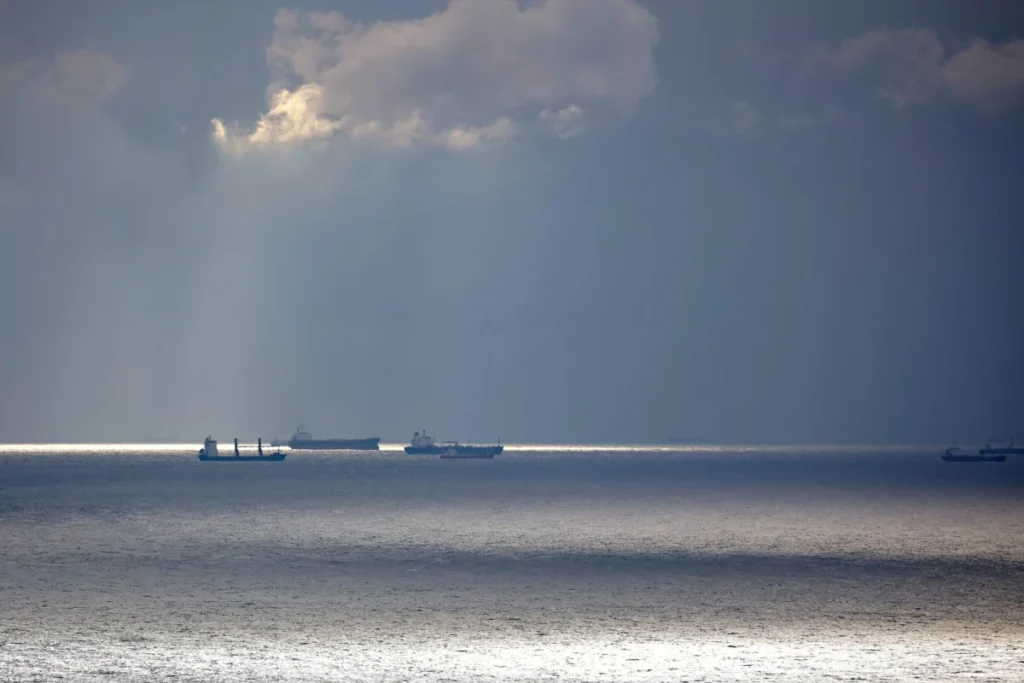
The Black Sea, once a vital artery for the world’s agricultural and energy markets, has transformed into a high-stakes theater of asymmetric warfare. As Ukraine intensifies its campaign to cripple Russia’s maritime logistics, the Kremlin has issued a stark warning, declaring its exclusive economic zone (EEZ) in the Black Sea "unsafe" for navigation. This development marks a significant escalation in the ongoing conflict, threatening to choke global supply chains already strained by geopolitical volatility.
Main Facts: The New Maritime "No-Go" Zone
On July 22, the Russian Ministry of Defense issued a weekly bulletin that effectively sounded the alarm for all maritime traffic within its 200-nautical-mile exclusive economic zone. The notice cited persistent and evolving threats from Ukrainian unmanned aerial vehicles (UAVs) and unmanned surface vehicles (USVs), which have increasingly targeted Russia-linked shipping.
This declaration is not merely a bureaucratic warning; it is a tactical response to a campaign that seeks to disrupt the Kremlin’s economic lifeline. The Russian EEZ in the Black Sea is critical, encompassing ports such as Novorossiysk, which serves as a primary hub for commodity exports, including crude oil and grain. By signaling that these waters are no longer secure, Moscow is acknowledging that its domestic naval defenses are struggling to contain the persistent, low-cost, and high-impact drone warfare tactics employed by Kyiv.
Chronology of Escalation
The current volatility did not materialize overnight. It is the result of a deliberate, sustained, and increasingly aggressive strategy by Ukraine.
- July 8–July 20: During this critical window, Ukraine’s General Staff reported that at least 124 Russia-linked vessels had been targeted across the Black Sea and the Sea of Azov. Of these, approximately 89 were identified as tankers. While these figures remain unverified by independent international observers, the sheer frequency of reported strikes underscores the intensity of the campaign.
- Early July: Following the initial wave of strikes, the port of Novorossiysk—Russia’s most significant southern outlet—implemented a temporary, verbal ban on navigation during the night hours (midnight to 5 a.m. local time). This move, intended to mitigate the effectiveness of night-time drone attacks, has disrupted the 24/7 loading schedules essential for maintaining global export volume.
- Mid-July: The situation reached a critical juncture when the Caspian Pipeline Consortium (CPC) was forced to suspend crude oil loadings from its Black Sea terminal. The suspension was a direct reaction to shipowners refusing to enter what they perceived as a war zone.
- July 22: The Russian Ministry of Defense formalizes its warning regarding the EEZ, signaling that the security environment has deteriorated beyond the immediate vicinity of its ports.
Supporting Data: The Economic Toll
The implications of this maritime blockade are felt far beyond the shores of the Black Sea. The CPC terminal, which serves as the primary export outlet for Kazakhstan, handles roughly 80% of the Central Asian nation’s crude oil exports. The forced halt in operations has not only jammed regional logistics but has also compelled Kazakhstan to cut domestic oil production, as storage capacities reach their limits.
The broader market impact is equally alarming. With global oil markets already grappling with the fallout of the US-Iran tensions—which have disrupted transit through the Strait of Hormuz and the Red Sea—the prospect of a prolonged interruption in Black Sea shipments creates a "perfect storm." Analysts suggest that if the conflict continues to squeeze Russian oil exports, the resulting supply deficit could trigger a significant uptick in global energy prices, exacerbating inflationary pressures in developed economies.
For Ukraine, the strategy is clear: by turning the Black Sea into a "no-go" zone, Kyiv hopes to exert maximum economic pressure on Moscow, effectively attempting to force the Kremlin to the negotiating table by throttling its revenue streams.
Official Responses and Tactical Shifts
The reaction from the international shipping community has been one of extreme caution. Shipowners are increasingly hesitant to insure or operate vessels in the Black Sea, leading to a de facto rise in insurance premiums that makes Russian exports less competitive and more logistically difficult to move.
Russia, for its part, has retaliated with a "tit-for-tat" campaign against Ukraine’s remaining maritime infrastructure. Moscow has launched targeted strikes against key Ukrainian ports, including Odesa and Chornomorsk. These strikes have been highly effective in deterring commercial traffic. Taras Vysotskyi, Ukraine’s agriculture minister, confirmed via Interfax-Ukraine that shipowners have suspended vessel arrivals at Ukrainian ports, effectively stalling the nation’s agricultural export capacity.
The Kremlin maintains that its warning is a measure of "necessary protection," though critics view it as a preemptive move to shift the blame for supply chain failures onto Ukraine, while simultaneously testing the resolve of international shipping companies to maintain ties with Russian ports.
Implications for the Future of Global Trade
The transformation of the Black Sea into a militarized zone carries long-term consequences for global commodity markets.
1. Fragility of "Just-in-Time" Logistics
The reliance of the global economy on specific maritime corridors has been exposed as a significant vulnerability. The overlap of the Black Sea crisis with existing issues in the Red Sea and the Strait of Hormuz suggests that the era of relatively frictionless maritime trade is fading. Companies are now being forced to re-evaluate their supply chains, potentially moving toward more localized or land-based trade routes, which carry significantly higher costs.
2. The Rise of Asymmetric Naval Warfare
The success of Ukrainian drone tactics—targeting expensive tankers with low-cost, remote-controlled marine vehicles—sets a precedent that will likely be studied by navies and insurgent groups worldwide. The ability to deny access to large swaths of ocean without a traditional blue-water navy has fundamentally changed the calculus for commercial shipping.
3. Geopolitical Leverage
For Russia, the Black Sea is not just a trade route; it is a vital strategic asset. The decision to label the EEZ as unsafe suggests that the Kremlin is willing to accept a drop in export revenue if it means creating a buffer zone that prevents Ukrainian drones from reaching their ports. For Ukraine, the ability to strike back against Russian energy revenue is a crucial tactical lever in a war of attrition.
4. Market Volatility and Energy Security
If the current impasse continues, the world should prepare for sustained volatility in crude oil and grain markets. With Kazakhstan’s production curtailed and Russia’s exports under constant threat, the global supply-demand balance remains precarious. Central Asian energy security, in particular, is now directly tied to the outcome of the conflict in the Black Sea, forcing nations that were previously neutral or peripheral to the war to find alternative, albeit more expensive, routes for their commodities.
Conclusion: A Sea of Uncertainty
As of late July, there are no signs of de-escalation. The Russian Defense Ministry’s notice remains in effect, and the frequency of drone strikes has not diminished. The Black Sea, historically a gateway for trade, is currently defined by the sound of sirens and the risk of catastrophic strikes.
For the global economy, the stakes could not be higher. The confluence of war in the Middle East and the escalating maritime conflict in Eastern Europe serves as a stark reminder of how interconnected the world remains—and how quickly those connections can be severed. As shipowners, insurers, and commodity traders navigate this new reality, the only certainty is that the "safety" of the Black Sea will remain a primary concern for the foreseeable future, casting a long, dark shadow over the global recovery.
While the official warnings are directed at the exclusive economic zone, the ripple effects are being felt in boardrooms from London to Singapore, as stakeholders scramble to hedge against the next phase of this unprecedented maritime confrontation.