Reclaiming the Future: The LANDBACK Action Network and the Fight for Indigenous Sovereignty
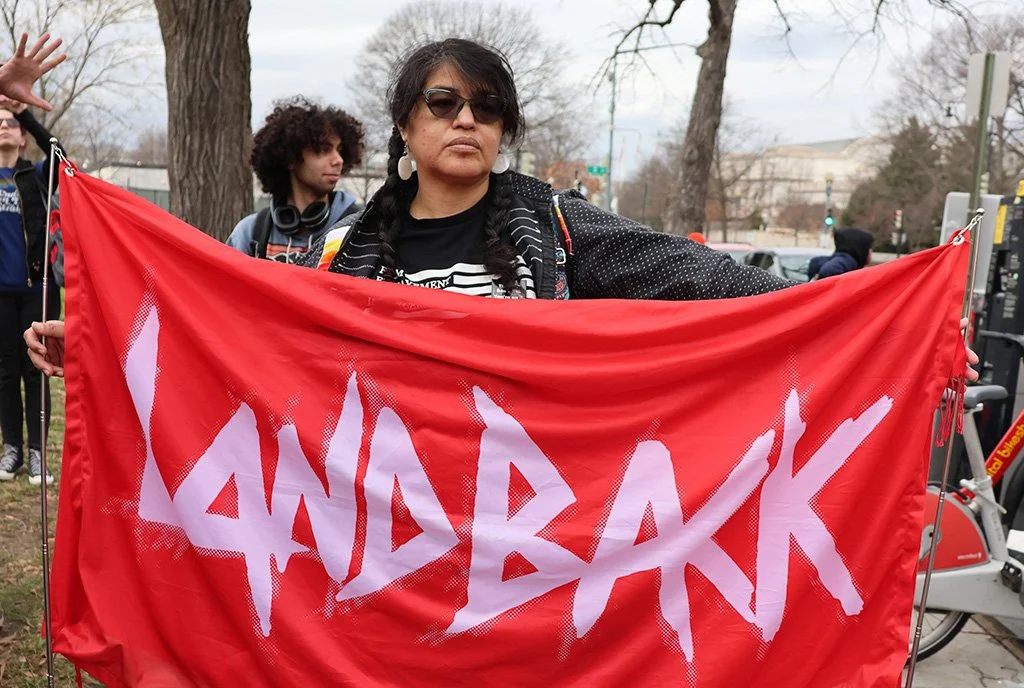
In an era defined by rapid industrial extraction, the concentration of extreme wealth, and the widening chasm of social inequality, a counter-narrative is taking root across Turtle Island. While political administrations and corporate titans often prioritize the exploitation of natural resources and marginalized communities, the Indigenous-led LANDBACK movement is offering a radical alternative: a vision of collective liberation rooted in stewardship, ancestral wisdom, and strategic community organization.
At the heart of this burgeoning movement is the LANDBACK Action Network (LAN). Rather than functioning as a traditional non-profit or bureaucratic entity, the LAN represents a political formation—a coalition of Tribal Nations, grassroots organizers, multiracial movement allies, and community members working in concert to dismantle the structures of colonization and restore Indigenous jurisdiction over ancestral territories.
The Genesis of the LANDBACK Action Network
The LANDBACK movement is not merely a slogan; it is a multifaceted strategy for survival and resurgence. As the NDN Collective—a leading force in Indigenous advocacy—notes, the movement is about more than returning acreage; it is about restoring the relationship between people and the Earth.
On April 20, the NDN Collective’s LANDBACK for the People podcast hosted a pivotal episode dedicated to the official launch of the LAN. The episode featured the network’s leadership, including the director of membership, alongside organizers Cy Wagoner and Eva Cardenas, and host Nick Tilsen. The discussion served as both a manifesto for the network’s future and a reflection on the necessity of its creation.
The launch of the LAN is a direct response to the fragmentation of modern social movements. In an era where digital platforms often prioritize superficial engagement over substantive change, the LAN aims to provide a robust, decentralized, and secure framework for long-term power building. By moving away from the "siloed" organizational models that have historically hampered movement efficacy, the network seeks to create a unified front that transcends borders—specifically targeting the unification of Indigenous efforts across Canada, the United States, and Mexico.
A Chronology of Necessity: From Grassroots to Network
The history of the LANDBACK movement is built upon the foundational experiences of those who have spent their lives organizing out of necessity. The origins of the LAN are deeply personal, reflecting the diverse pathways through which organizers find their footing in the struggle for justice.
The Borderlands and Mutual Aid
For many organizers, the entry into political action is born from the need to survive. Growing up along the U.S.-Mexico border, the LAN’s leadership witnessed firsthand how communities formed internal support systems to bridge the gaps left by state neglect. These early lessons in mutual aid—the understanding that survival depends on communal care—became the bedrock of their approach to modern organizing.
Water and Human Rights
The movement’s ethos is also shaped by basic, fundamental struggles. Cy Wagoner, one of the network’s key voices, traces his organizing roots back to the Navajo Nation. Raised in a home without indoor plumbing, Wagoner’s early life was defined by the labor of hauling water. This experience transformed a personal struggle into a broader advocacy for basic human rights, illustrating how the fight for land is inseparable from the fight for access to life-sustaining resources.
Immigrant Justice and Political Formation
Eva Cardenas brings a different, yet complementary, perspective to the network. Her early organizing began within the Georgia Latino Alliance for Human Rights during the formative years of the Department of Homeland Security and the expansion of ICE. Her experiences underscored the reality that colonization is an ongoing process, one that requires a persistent, multigenerational response.
Theoretical Foundations: Humility in the Face of Extraction
A central pillar of the LANDBACK philosophy is the rejection of the ego-driven, anthropocentric worldview that currently dominates global policy. In the podcast discussion, the panelists emphasized that the movement is not about "two-leggeds" (humans) claiming to have all the answers. Instead, it is an acknowledgment that humans are part of a larger, sacred system that must be respected and defended.
This perspective shifts the goal of environmentalism. Rather than viewing nature as a resource to be managed, the LANDBACK framework views it as a relative to be protected. This shift in positioning is what gives the movement its enduring "fire"—a sense of hope that is sustainable even in the face of political hostility.
Implications: A Broader Call for Justice
The LANDBACK Action Network is explicitly designed to be inclusive, recognizing that Indigenous sovereignty is inextricably linked to the liberation of other oppressed groups. The implications of this framework are vast:
- Reparations and Resource Redistribution: The movement advocates for Black reparations and the protection of resources for all communities. It challenges the false scarcity model that often pits marginalized groups against one another.
- Stewardship of Public Lands: The network posits that national parks and public lands, if placed under Indigenous care and jurisdiction, would be managed with far greater ecological integrity. This is not merely an ideological preference but a pragmatic solution to the climate crisis.
- The End of Colonial Borders: By addressing the artificiality of borders that cause death and the destruction of communities, the LAN advocates for a more humane, borderless approach to human movement and environmental protection.
Breaking the Digital Silo: Why a New Network Matters
A critical takeaway from the LAN’s formation is the critique of current digital infrastructure. The organizers have been clear: platforms like Instagram and Facebook have proven insufficient for the deep work of movement building. These platforms encourage a "spectacle" of activism rather than the structural power-building required to challenge state and corporate entities.
The LANDBACK Action Network acts as a "political formation" rather than a traditional organization. It is designed to foster deep, horizontal connections between Tribal Nations and grassroots groups, ensuring that the movement is not reliant on the algorithms or data policies of tech conglomerates. By providing a dedicated space for Indigenous organizers to share strategies, victories, and challenges, the LAN is reclaiming the digital and physical commons.
The Path Forward: Strategy and Membership
The LAN is currently in a phase of active expansion. It is seeking to connect individuals and organizations who are committed to the long-term vision of collective liberation. Membership in the network is not just about alignment with a cause; it is about participating in a sophisticated strategy of political education, resource sharing, and community defense.
For those watching the movement, the message is clear: the status quo is not inevitable. The LANDBACK movement offers a path toward a world where the Earth is protected, communities are resilient, and the sovereignty of Indigenous peoples is recognized not as an exception, but as the standard for a just society.
As the network continues to grow, it faces the immense challenge of operating against the interests of those who profit from the status quo. However, the strength of the LAN lies in its history—a history of people who have always organized out of necessity, who have turned survival into strategy, and who understand that the return of land is the only true pathway to a sustainable future.
To learn more about the LANDBACK Action Network, participate in upcoming initiatives, or view the ongoing work of the NDN Collective, please visit landback.org.