Navigating the Modern Wealth Landscape: Insights from the September 2026 Animal Spirits Briefing
September 2, 2026
By Ben Carlson
Introduction: The Evolving Dynamics of Wealth Management
As the financial markets navigate a complex macroeconomic environment, industry professionals and retail investors alike are forced to reassess traditional strategies. On September 2, 2026, financial commentator Ben Carlson published the latest insights for Animal Spirits, highlighting structural shifts in asset management, retirement income planning, and the evolving sentiment of modern investors.

Supported by prominent industry partners—including Shelton Capital Management, YCharts, and Vanguard—the briefing captures a critical juncture in the wealth management sector. Characterized by aggressive merger and acquisition (M&A) activity, changing retirement paradigms, and heavy reliance on quantitative charting, the current market climate demands adaptability.

This report provides an in-depth breakdown of the primary themes, chronological developments, empirical data, institutional responses, and long-term implications discussed in the latest Animal Spirits installment.

Main Facts
The latest market briefing centers on several core developments shaping the financial advisory and investment spaces:
- Asset Management M&A Wave: Industry data highlighted by Bloomberg Intelligence and shared by analysts like James Seyffart points to an unprecedented consolidation wave within the asset management sector. Over recent months, boutique firms, ETF providers, and legacy managers have engaged in high-profile mergers.
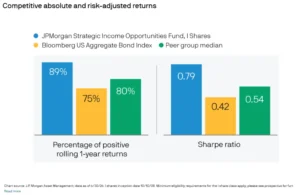
- Retirement Income and Growth Solutions: Changing demographics have forced asset managers to rethink post-career financial security. Sponsored solutions, such as those introduced by Shelton Capital Management (focusing on actively managed ETF pairs like SEPI and SEPQ), underscore the industry’s shift toward multi-faceted retirement strategies that balance growth and income.
- The Investor Return Dilemma: Social and analytical discourse continues to revolve around risk-adjusted expectations, particularly regarding guaranteed real returns versus equity market volatility.
- Data-Driven Market Tracking: The release features an extensive suite of proprietary charts and analytical visualizations sourced from platforms like YCharts, detailing sector correlations, macroeconomic indicators, and market momentum.
Chronology of Recent Market Events
To understand the current state of wealth management, it is necessary to trace the timeline of key events leading up to the September 2026 briefing:
- Mid-2026 (June – July): Market volatility sparks renewed conversations regarding portfolio resilience. Institutional investors pivot toward income-generating assets, while independent RIAs (Registered Investment Advisors) experience accelerated inflows into actively managed exchange-traded funds (ETFs).
- Late August 2026: Social media and financial forums buzzes with discussions concerning guaranteed returns. A viral prompt by financial commentator Dividendology questions whether investors would accept a guaranteed 7% annual inflation-adjusted return, triggering wide-ranging debates on risk premia and long-term capital compounding.
- August 26, 2026: Bloomberg ETF analyst James Seyffart publishes a comprehensive tracking chart on X (formerly Twitter) detailing the surge in asset management M&A transactions. He notes that the consolidation wave is likely in its early innings, setting the stage for structural shifts in how funds are distributed and managed.
- Early September 2026: Animal Spirits launches its annual Audience Survey (2026) to gauge listener sentiment, preferences, and evolving financial goals, alongside the release of core charting metrics covering asset flows and macroeconomic trends.
Supporting Data and Visual Analytics
The September 2026 briefing relies heavily on empirical market data, illustrated through a rigorous series of tracking charts and social sentiment analyses.
1. Asset Management Consolidation Metrics
The M&A tracking data shared by industry analysts illustrates a dramatic acceleration in corporate combinations. Traditional asset managers, facing margin compression due to the passive investing boom, are aggressively buying up niche alternative asset managers and digital-first ETF platforms. This consolidation is driven by the need for scale, technological integration, and a broader product shelf to offer institutional and retail clients.
2. The 7% Real Return Hypotheotical
A focal point of recent investor discourse is the sustainability of long-term capital growth. The hypothetical scenario—guaranteeing a 7% annual real return—highlights the psychological hurdle investors face. Historically, a diversified equity portfolio achieves this over long horizons, but the emotional toll of drawdowns often causes retail investors to panic. The debate underscores the value of modern retirement products designed to smooth out volatility while capturing upside growth.
3. Quantitative Market Indicators
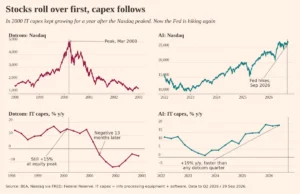
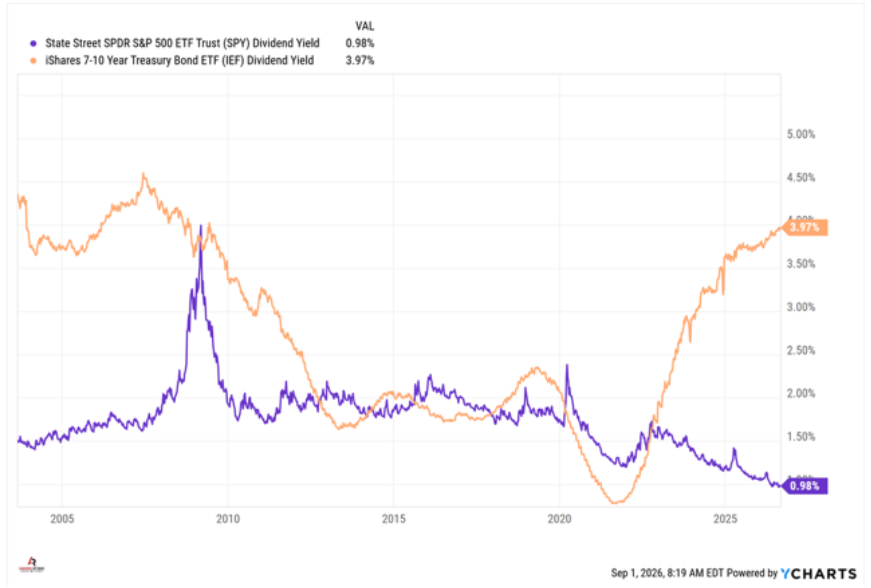
The technical charts provided in the briefing—spanning multi-asset class performance, yield curve dynamics, and equity valuation metrics—reveal a market caught between optimistic growth narratives and lingering macroeconomic caution. Analysts continue to utilize advanced visualization tools, such as YCharts, to unpack these trends and communicate complex risks to everyday investors.
Official Responses and Industry Perspectives
Financial institutions and market participants have reacted to these structural shifts in distinct ways:
- Asset Management Executives: Major firms are positioning themselves for a future dominated by scale. By merging legacy mutual fund operations with agile ETF operations, executives aim to lower expense ratios while capturing specialized market segments.
- Product Innovators: Shelton Capital Management emphasizes that "Every retirement is different. So is our approach." This sentiment reflects a broader industry movement away from rigid, one-size-fits-all lifecycle funds toward customizable, multi-asset solutions (such as paired ETF strategies pursuing both income and growth).
- Analytics Providers: Platforms like YCharts and Vanguard continue to advocate for data transparency. By providing advisors with deep diagnostic tools, these companies aim to mitigate behavioral finance traps—helping clients stay the course during periods of market uncertainty.
Implications for Investors and Advisors
The confluence of M&A activity, retirement product innovation, and shifting return expectations carries significant consequences for the financial ecosystem:
For Individual Investors
- Product Complexity: As asset managers merge and launch sophisticated multi-objective ETFs (such as income-and-growth combinations), retail investors must thoroughly understand the underlying mechanics of these products rather than relying solely on brand names.
- Retirement Planning Realities: With traditional pensions largely a thing of the past, individuals bear the full responsibility of generating sustainable income. Emphasizing inflation-adjusted real returns remains paramount to maintaining purchasing power in retirement.
For Financial Advisors and RIAs
- Navigating Consolidation: As larger entities absorb smaller boutiques, advisors must evaluate whether platform changes will impact their product availability, fee structures, or custodial services.
- Behavioral Coaching: Given the ongoing debates surrounding guaranteed returns versus market risk, advisors’ primary value proposition increasingly lies in behavioral coaching—preventing clients from making emotional errors during market transitions.
Conclusion
The September 2026 Animal Spirits briefing encapsulates a dynamic period for the global financial markets. From the sweeping corporate consolidation altering the asset management landscape to the continuous refinement of retirement income strategies, the industry is actively adapting to new economic realities. By leveraging robust data analytics, remaining skeptical of market hype, and focusing on personalized financial planning, investors and advisors can successfully navigate the complexities of the modern wealth management era.
Disclaimer: Nothing in this article constitutes investment advice, performance data, or any recommendation that any particular security, portfolio of securities, transaction, or investment strategy is suitable for any specific person. Investing in speculative securities involves the risk of loss. Always consult with a qualified financial professional before making investment decisions.