Navigating Market Volatility: Insights from Ben Carlson and the Latest Economic Data
Date: October 12, 2026
Author: Financial News Desk
Main Facts
In the rapidly shifting economic landscape of late 2026, financial commentators and analysts are continually forced to reassess traditional investment strategies. On October 12, 2026, prominent financial author and wealth manager Ben Carlson published his latest update on A Wealth of Common Sense, highlighting the newest episode of the widely followed Animal Spirits podcast. Brought to you in part by corporate sponsor J.P. Morgan, this episode dives straight into the complex mechanics governing modern markets, touching on portfolio diversification, asset management, and macroeconomic indicators.
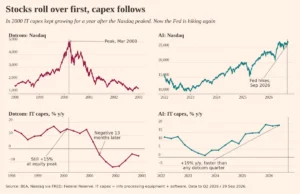
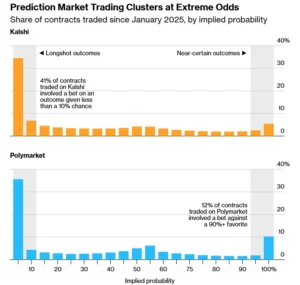
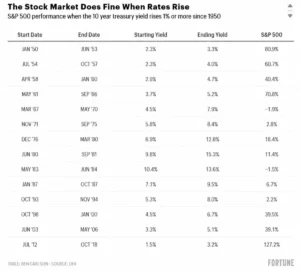
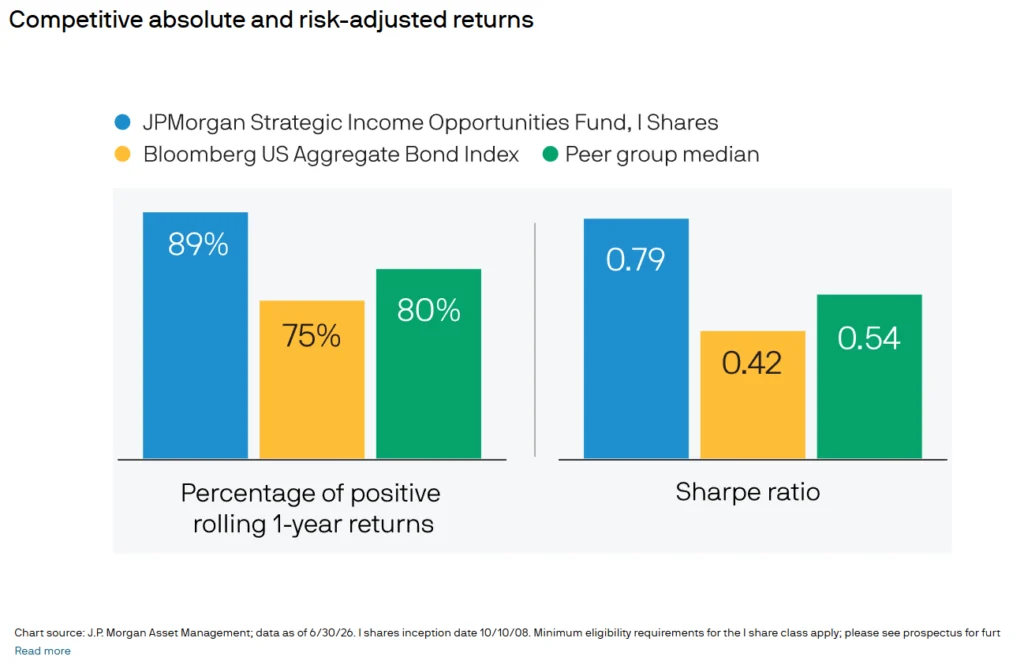
At the core of the discussion are visual charts and market trends that illustrate the ongoing friction between fixed-income performance, equity valuations, and global macroeconomic pressures. As investors navigate the final quarter of 2026, questions surrounding bond yields, international market volatility, and risk management remain top of mind. While the podcast serves primarily as an entertaining and educational medium for financial enthusiasts, it arrives against a backdrop of tangible economic data that dictates real-world financial planning.
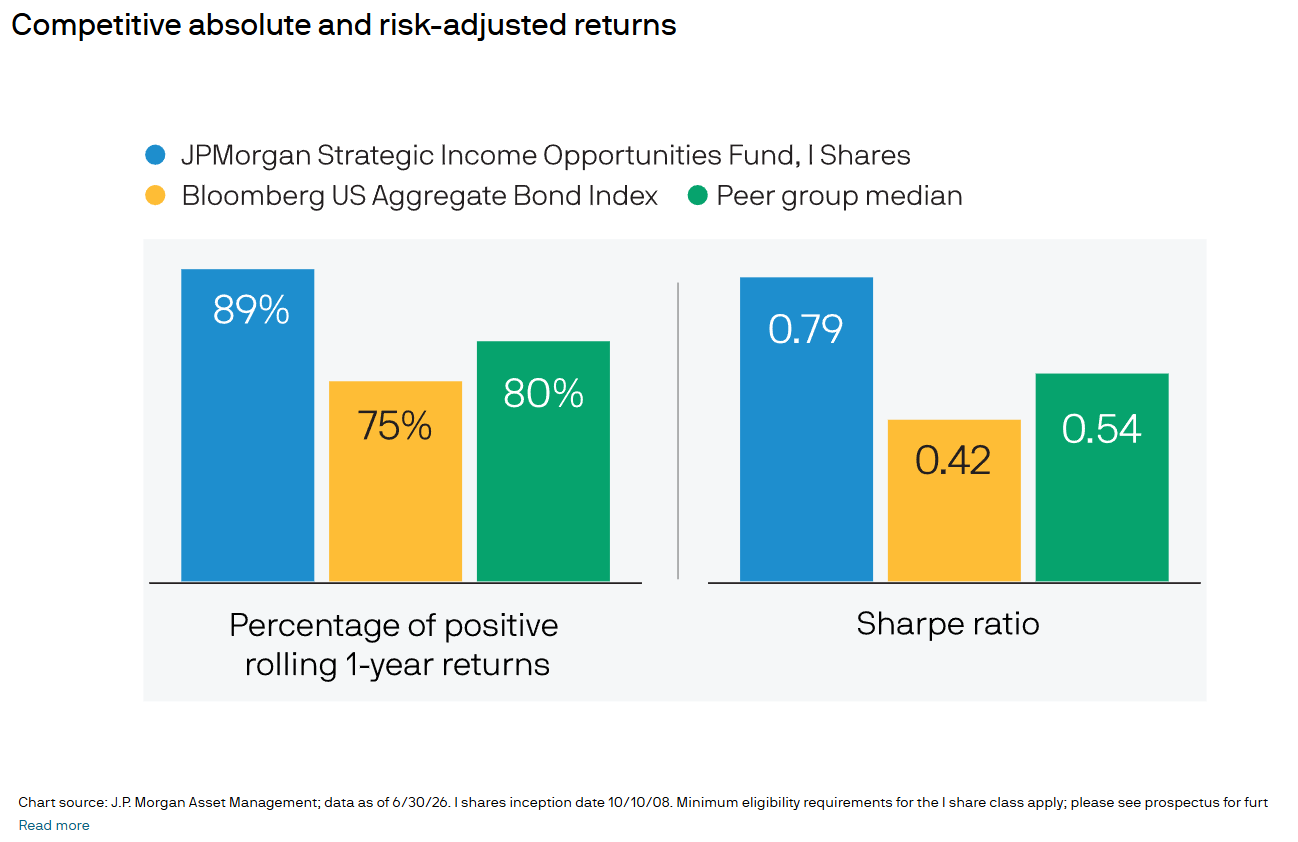
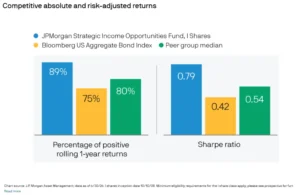
Furthermore, institutional commentary—most notably from J.P. Morgan Asset Management regarding the JPMorgan Strategic Income Opportunities Fund—provides a concrete window into how institutional managers are currently benchmarking returns, managing gross expense ratios, and weighing the risks associated with international and high-yield asset classes.
Chronology
To understand how the current financial conversation reached this point, it is helpful to trace the timeline of key events leading up to the mid-October 2026 commentary:
- Early Third Quarter 2026: Global equity markets experienced heightened sector-specific rotation as central banks worldwide continued to fine-tune monetary policy in response to stubborn, localized inflationary pressures.
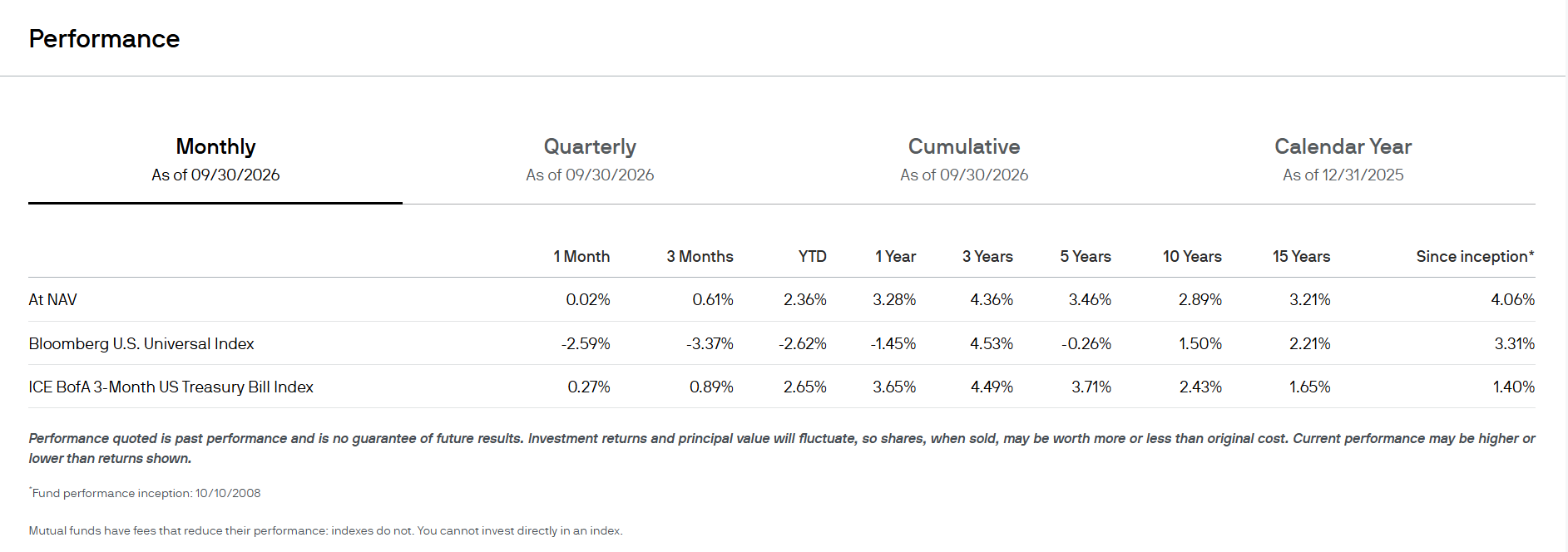
- September 30, 2026: J.P. Morgan officially closed its performance tracking period for the third quarter, logging annualized returns for key investment vehicles such as the JPMorgan Strategic Income Opportunities Fund (I shares). These figures established the baseline metrics cited in recent sponsored broadcasts.
- Early October 2026: Economic analysts began compiling data visualization charts mapping out multi-year asset class performance, credit spreads, and liquidity metrics across global markets.
- October 11, 2026: Technical preparation and chart integration were finalized for the upcoming media releases, capturing screenshots of critical macroeconomic indicators to be analyzed by financial media creators.
- October 12, 2026: Ben Carlson published his official podcast breakdown and show notes on A Wealth of Common Sense, officially releasing the latest episode of Animal Spirits via The Compound Media network alongside detailed disclosures and visual data aids.
Supporting Data
The financial discussion anchored by Carlson’s recent update relies heavily on empirical performance figures and market data. Institutional disclosures from J.P. Morgan provide a clear statistical framework regarding fixed-income strategies as of September 30, 2026.

JPMorgan Strategic Income Opportunities Fund (I Shares) Performance:
- 1-Year Annualized Return: 3.28%
- 5-Year Annualized Return: 3.46%
- 10-Year Annualized Return: 2.89%
- Gross Expense Ratio: 0.85%
These figures highlight the steady, conservative nature of strategic income portfolios during periods where traditional fixed-income markets face macroeconomic headwinds. While these returns demonstrate long-term stability, financial institutions consistently underscore that past performance is never a guarantee of future results, and principal values will naturally fluctuate.
Macroeconomic Risk Factors Highlighted in Data Charts:
The charts shared alongside the October 12 update draw attention to several systemic variables:
- International and Emerging Market Exposure: Investments outside domestic borders continue to introduce higher systemic risks, including amplified currency fluctuations, differential accounting standards, and localized tax policy changes.
- High-Yield ("Junk") Bond Dynamics: Sub-investment-grade bonds remain a focal point for yield-seeking investors, balancing attractive coupon rates against an elevated probability of default during economic slowdowns.
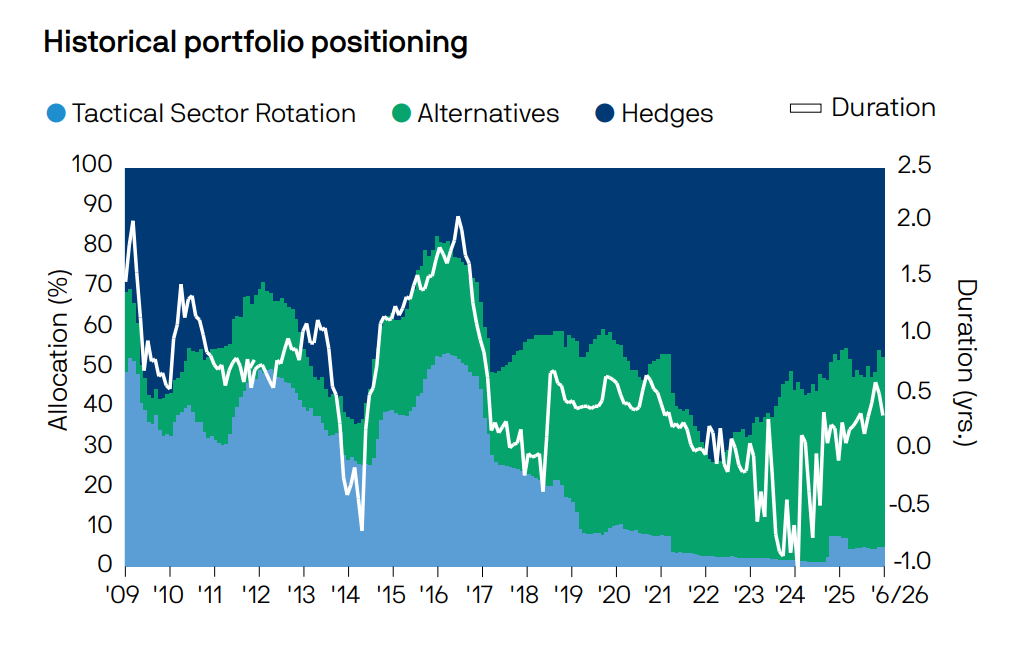
- Liquidity Constraints: Visual metrics across the published charts emphasize the shifting liquidity profiles in both corporate debt and global equity sectors, reminding market participants of the importance of maintaining cash buffers.
Official Responses and Disclosures
Given the intersection of independent financial commentary and institutional sponsorship, clear regulatory boundaries and disclaimers are standard protocol in modern financial media. Both Ritholtz Wealth Management and J.P. Morgan Distribution Services provided comprehensive disclosures accompanying the October 12 release.
Ritholtz Wealth Management Disclaimer:
In alignment with standard fiduciary and advisory guidelines, the commentary and media content published by Ben Carlson explicitly state that:
- Nothing published on the blog or discussed on the podcast constitutes formal investment advice, performance data guarantees, or individualized recommendations for any security, portfolio, or strategy.
- Mentions of specific securities are for illustrative and discussion purposes only and should not be construed as an explicit buy or sell recommendation.
- Opinions expressed by content creators do not necessarily reflect an official endorsement or sponsorship by Ritholtz Wealth Management or its corporate affiliates.
- The Compound Media, Inc., operating as an affiliate of Ritholtz Wealth Management, received direct financial compensation from the corporate sponsor for advertising placement within the broadcast.
J.P. Morgan Compliance Statements:
As the primary sponsor of the segment, J.P. Morgan provided mandatory regulatory disclosures regarding their investment products:
- Investors are strongly encouraged to review the official fund prospectus—detailing investment objectives, specific risks, operational charges, and ongoing expenses—before committing capital. Prospectuses can be requested directly via corporate channels.
- The fund distributor, JPMorgan Distribution Services, Inc., is a registered member of FINRA (Financial Industry Regulatory Authority).
- All prospective investors must account for inherent market vulnerabilities, including the heightened volatility associated with international trade, emerging market currencies, and high-yield credit instruments.
Implications
The convergence of independent financial media, institutional sponsorship, and complex market data in late 2026 carries several profound implications for individual and institutional investors alike.
1. The Evolution of Financial Literacy and Media
Platforms like Animal Spirits demonstrate how financial education has shifted toward accessible, conversational digital media. By breaking down complex economic charts and blending them with relatable commentary, creators bridge the gap between institutional research and retail investors. However, this accessibility requires consumers to remain vigilant regarding the distinction between entertainment, general education, and personalized financial planning.
2. Navigating Fixed-Income Realities
The performance metrics of funds like the JPMorgan Strategic Income Opportunities Fund—hovering around the 3% annualized mark across 1-, 5-, and 10-year horizons—reflect an economic environment where fixed-income investors must carefully balance yield generation against the erosive effects of inflation. As central banks navigate late-cycle monetary adjustments, income-seeking investors are increasingly forced to look beyond domestic borders, weighing the risks of emerging markets and high-yield credit against traditional safety.
3. The Importance of Comprehensive Risk Management
The visual data presented in the October 12 update serves as a timely reminder that macro volatility is an ever-present reality. Whether evaluating the gross expense ratios of mutual funds or assessing the currency risks of international equities, investors must adopt a holistic view of portfolio construction. As Ben Carlson and his contemporaries continually emphasize, adhering to a disciplined, long-term philosophy remains the most effective defense against the unpredictable nature of market "animal spirits."