Breaking Down Barriers: A Case Study in DIY Home Renovation and Financial Transparency
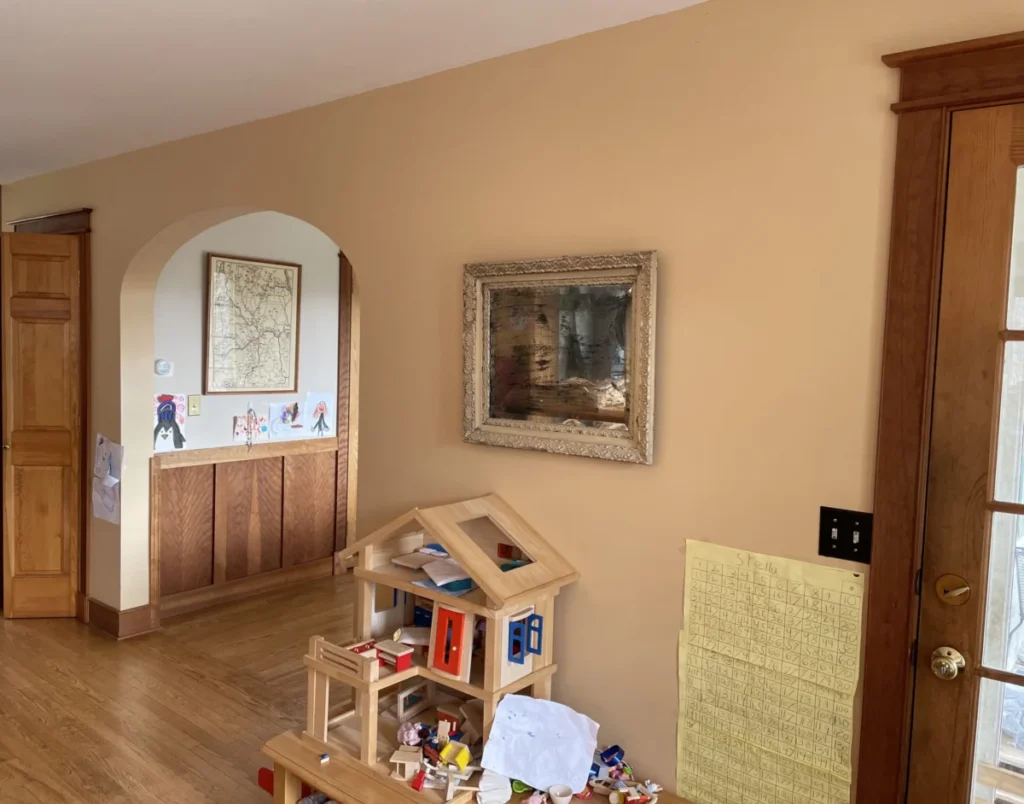
For many homeowners, the dream of an open-concept living space is often stifled by the structural realities of mid-1990s architecture. In a recent, major renovation project, the Frugalwoods household—a family known for their commitment to intentional living and financial independence—tackled what they described as the "menace wall": an intrusive, load-bearing partition that had awkwardly severed their kitchen and dining area from the main living quarters for over three decades.
The project, which spanned several months of meticulous planning and physical labor, offers a compelling look at the intersection of structural engineering, budget-conscious DIY project management, and the long-term value of investing in one’s primary residence.
The Structural Dilemma: Why Builders Built the Wall
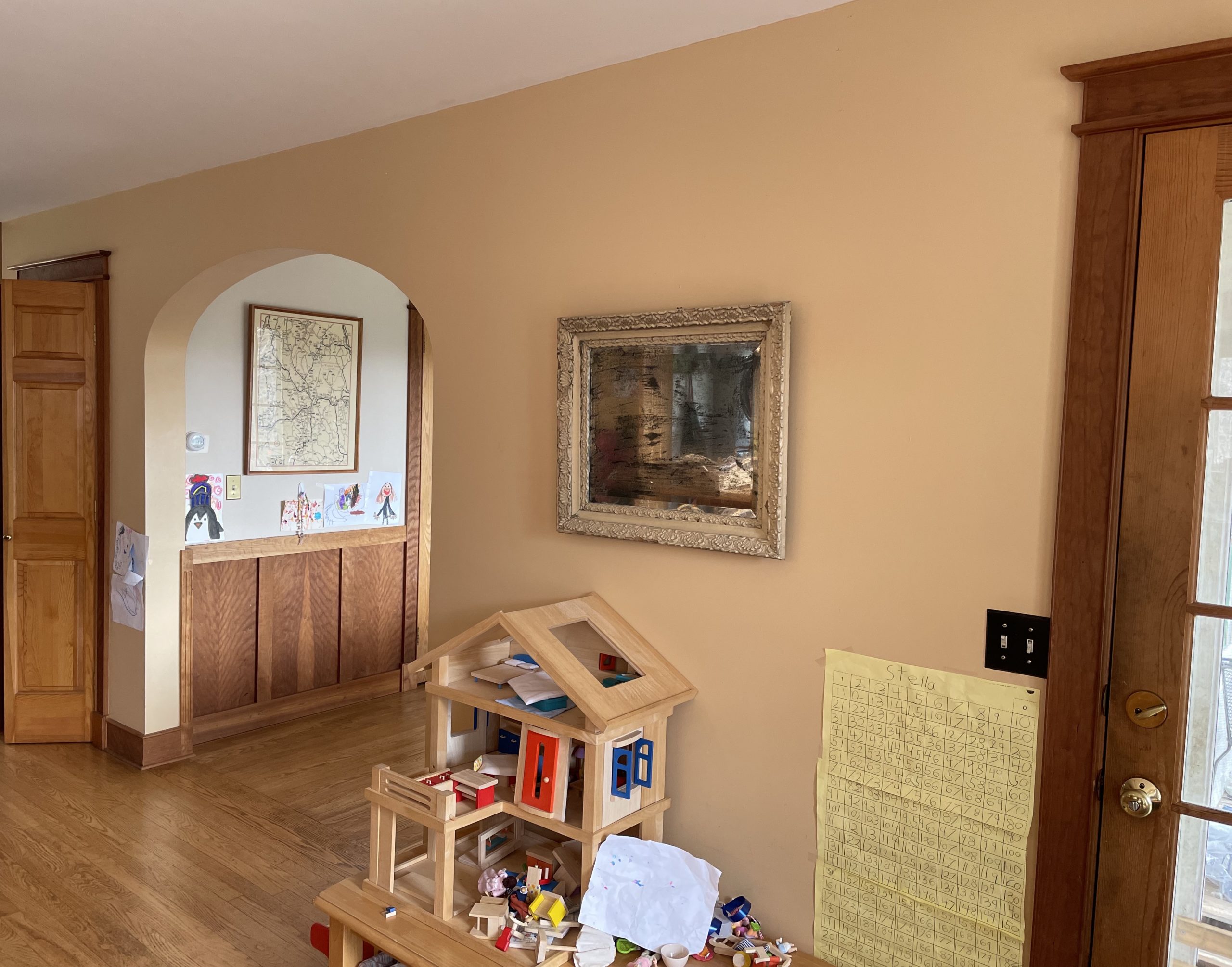
The wall in question, erected when the home was built in 1991, featured a low, arched doorway that served as a constant source of friction for the homeowners. To the casual observer, the wall appeared to be a design oversight. However, professional inspection revealed that the partition was far more than an aesthetic choice; it was a structural necessity.

The wall housed a complex array of mechanical arteries that were essential to the home’s operation. These included the primary plumbing stack, critical electrical distribution, and, most importantly, the structural load-bearing support for the upper levels of the home. Removing this barrier was not a simple weekend project; it required a complete reconfiguration of the home’s skeletal and mechanical systems.
Chronology of the Transformation
The renovation was executed in phases, prioritizing safety and structural integrity over speed.
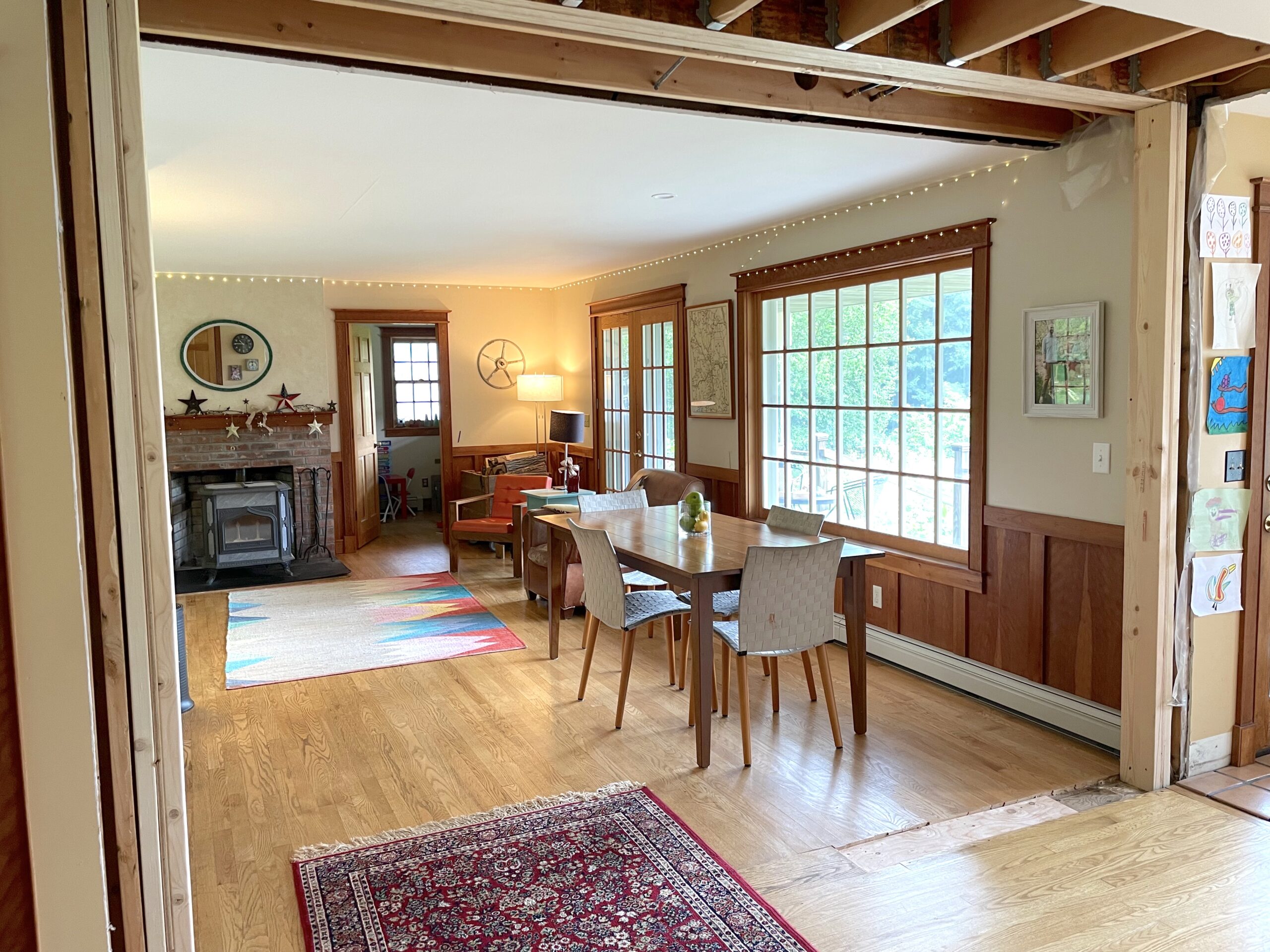
- Phase I: Demolition and Initial Prep: The process began in June with the physical demolition of the drywall. This stage, while labor-intensive, allowed the owners to expose the internal infrastructure and begin planning the rerouting of utilities.
- Phase II: Mechanical Rerouting: Recognizing the limits of amateur capability, the homeowners brought in licensed professionals. A plumber was contracted to reroute the plumbing stack, creating a custom configuration that zigzagged through the ceiling and down a corner of the pantry. Simultaneously, an electrician was brought in to consolidate the home’s electrical box and install modern, recessed lighting—a significant upgrade that replaced the home’s previous lack of overhead living room illumination.
- Phase III: Structural Reinforcement: The most critical phase involved the installation of a support beam to replace the wall’s load-bearing function. The homeowners commissioned an architect to calculate the precise load requirements, ensuring the house would remain structurally sound. The husband, Nate, then undertook the advanced carpentry required to build a temporary support wall and recess the new beam, effectively creating an architectural "ladder" to transfer the home’s weight.
- Phase IV: Finishing Touches: The project is currently in a "staged" completion. The owners have opted to delay final drywalling and flooring to align with a future kitchen renovation. By leaving sections of the ceiling accessible, they plan to integrate further electrical upgrades, avoiding the need to cut into finished walls twice.
Financial Implications and Budget Transparency
A hallmark of this project was the rigorous documentation of costs. Total expenditures for the month of June—which included the wall removal, lumber, structural components, and professional labor—amounted to $5,044.63.
Expense Breakdown (June)
| Item | Amount | Notes |
|---|---|---|
| Groceries | $1,147.44 | Bulk purchasing and essentials |
| Lumber & Drywall | $703.53 | Includes beam, framing, and mud |
| Improvement Tools | $600.61 | Specialized hardware (bottle jack, fasteners) |
| Electrician | $494.98 | Rerouting and new lighting |
| Household Supplies | $302.53 | General maintenance |
| Restaurants | $251.94 | Dining out |
| Doctor Visits | $250.38 | Co-pays and lab work |
| Fuel & Transport | $254.35 | Car gas and annual inspections |
| Miscellaneous | $1,039.37 | Includes local recreation and gear |
The investment highlights a pragmatic approach to renovation: hiring experts for the "technical" or "dangerous" tasks (plumbing, electrical, engineering) while performing the "grunt work" (demo, framing, finish carpentry) themselves. This strategy minimizes costs without compromising the safety or quality of the renovation.
The "Frugalwoods" Philosophy: Beyond Renovation
While the wall removal is the headline, the broader implication of the project is the couple’s ongoing commitment to financial literacy. The homeowners argue that the same principles used to tackle a home renovation—planning, expert consultation, and iterative execution—should be applied to personal finance.
Financial Tools for Long-Term Planning
The homeowners emphasize the use of "holistic" financial tracking, such as Empower (formerly Personal Capital). By aggregating accounts—including retirement, debt, and assets—they maintain a real-time net worth assessment. This data-driven approach is presented as an essential prerequisite for making informed decisions regarding savings, debt repayment, and investment.

Cash-Back Strategies
A consistent component of their financial strategy involves the aggressive use of rewards credit cards. By channeling all necessary household expenses through a 2% cash-back Visa, they effectively subsidize their living costs. While the monthly returns (roughly $88.90 in June) may seem incremental, they view it as "money earned for buying stuff we were going to buy anyway," a sentiment that reflects the core of their frugal philosophy.
Implications for Modern Homeowners
The success of this renovation serves as a template for homeowners looking to improve their living spaces while managing costs. Key takeaways include:
- Professionalism is Mandatory for Infrastructure: Never attempt to DIY plumbing or electrical systems that involve structural modifications without professional oversight.
- Staged Renovations Save Future Costs: By keeping certain areas open, the homeowners have "future-proofed" their kitchen renovation, saving thousands in potential drywall repair and labor costs down the line.
- The Value of Sweat Equity: By taking on the labor-intensive aspects of the project, the homeowners significantly reduced the total project cost, making a massive structural change financially feasible on a middle-class budget.
Conclusion: A Living Lab of Intentionality
The removal of the "menace wall" is more than just a home improvement project; it is a testament to the idea that with careful research and the willingness to learn new skills, homeowners can reshape their environment to better suit their lifestyle. The project stands as a reminder that the most challenging obstacles—whether structural walls or complex financial hurdles—can be overcome with the right combination of patience, professional guidance, and a relentless focus on the long-term goal.
As the household looks toward their next major project, their approach continues to emphasize that money, like home renovation, is a tool to be managed with precision. By prioritizing what matters and auditing every dollar spent, they demonstrate that a life of financial freedom is not just about earning more, but about thoughtfully investing in the spaces and systems that define our daily existence.