Bridging the Gap: The Bipartisan Push to Normalize Cannabis Banking in 2026
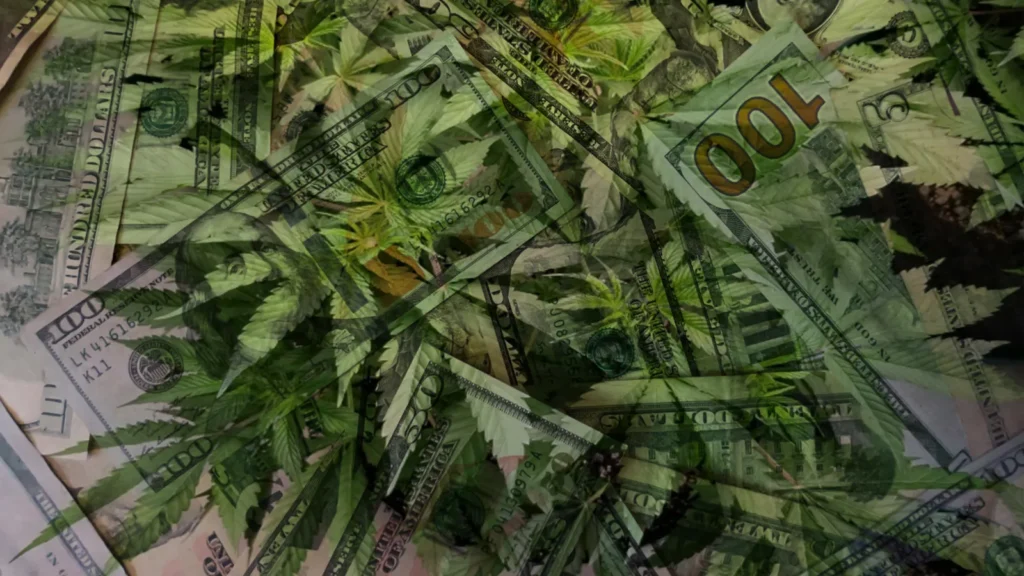
In a landmark legislative maneuver that reflects the shifting landscape of American drug policy, a bipartisan coalition of lawmakers has reintroduced the Secure and Fair Enforcement (SAFE) Banking Act of 2026. This move, occurring in the wake of the federal government’s monumental decision to reclassify medical cannabis from a Schedule I to a Schedule III controlled substance, aims to finally resolve the long-standing discord between state-legalized cannabis markets and the federal banking system.
The legislation, introduced by a high-profile group including Senators Jeff Merkley (D-OR), Elizabeth Warren (D-MA), Lisa Murkowski (R-AK), and Steve Daines (R-MT), seeks to establish a permanent federal "safe harbor" for financial institutions. By providing legal clarity, the bill intends to bring the multi-billion-dollar cannabis industry out of the shadows of the cash-only economy and into the fold of the regulated financial sector.
The Legislative Core: What the SAFE Banking Act Changes
At its heart, the SAFE Banking Act of 2026 is designed to insulate financial institutions from federal repercussions when they choose to provide services to state-legal cannabis businesses. Currently, even in states where cannabis is legal for medical or recreational use, many banks remain hesitant to engage with the industry due to the lingering threat of federal prosecution or regulatory penalties.
The bill explicitly prohibits federal regulators from terminating or limiting a bank’s deposit insurance—a critical lifeline for any financial institution—solely because the bank serves cannabis or cannabis-adjacent businesses. Furthermore, it prevents federal agencies from discouraging or punishing banks that provide essential services, such as loans, credit card processing, payroll management, and account maintenance to firms involved in the industry.
The legislation also extends these protections to businesses that provide support services to the cannabis industry, including legal counsel, marketing agencies, and specialized security firms. Additionally, the bill provides a much-needed clarification for the hemp and hemp-derived cannabidiol (CBD) sectors, ensuring they are not unfairly caught in the crossfire of anti-cannabis banking regulations.
A Chronological Odyssey: Over a Decade of Advocacy
The path to the 2026 introduction of the SAFE Banking Act is a narrative of persistence, evolution, and repeated political frustration.
The Origins: 2013–2016
The conversation began in earnest in 2013, when Representatives Ed Perlmutter (D-CO) and Denny Heck (D-WA) introduced the "Marijuana Business Access to Banking Act." At the time, the concept was viewed as a fringe issue, primarily relevant to the handful of states experimenting with legalization. The goal was modest: to ensure that legitimate businesses would not be forced to operate as massive, literal vaults of physical cash.
The Evolution: 2017–2022
By 2017, the original proposal had matured and was rebranded as the SAFE Banking Act. As more states joined the legalization wave, the legislative momentum shifted. Between 2017 and 2022, the House of Representatives passed various iterations of the bill seven times, reflecting broad bipartisan support in the lower chamber. However, the legislation consistently met a brick wall in the Senate, where concerns regarding federal enforcement and the broader implications of drug policy kept the bill from reaching the floor for a decisive vote.
The Catalyst: 2023–2026
The landscape shifted irrevocably when federal authorities moved to reclassify cannabis to Schedule III. This change acknowledged the medical utility of the plant, effectively undercutting the primary argument that banking with cannabis companies was akin to facilitating the sale of illicit narcotics. With this regulatory sea change, the 2026 reintroduction is positioned as the "final piece" of the puzzle, aligning the banking sector with the new, post-Schedule III reality.
The Data: Why Banking Reform Is a Public Safety Imperative
The current state of cannabis commerce is not merely an inconvenience; it is a significant public safety liability. According to data from the Financial Crimes Enforcement Network (FinCEN) updated in 2024, approximately 816 banks and credit unions are currently navigating the complex regulatory environment to serve cannabis-related businesses. While this number is at an all-time high, it represents only about one-fifth of the total banking institutions in the United States.
The remaining 80% of the financial sector continues to shun the industry. This creates a "banking desert" for cannabis entrepreneurs, forcing them to operate in a cash-heavy capacity. The implications of this are far-reaching:
- Increased Criminality: Cash-rich businesses are prime targets for organized crime, robberies, and violent burglaries. When a business must store tens of thousands of dollars in cash on-site, it inevitably places employees at risk.
- Money Laundering Risks: Without transparent banking channels, it becomes exponentially more difficult for law enforcement and tax authorities to track the flow of money. A formal banking system allows for audit trails that prevent illicit actors from infiltrating the legal market.
- Economic Stagnation: Small businesses are at a disadvantage when they cannot access credit lines or simple business loans. This limits the ability of minority-owned and small-scale cannabis operations to compete with larger, well-capitalized firms.
Official Responses and Stakeholder Perspectives
The reintroduction of the bill has been met with a chorus of support from both lawmakers and industry advocacy groups.
Senator Jeff Merkley, a primary architect of the bill, emphasized the humanitarian and safety arguments during his presentation last week: "Legal cannabis businesses operating in all-cash is dangerous for our communities—encouraging criminal activity like robberies, money laundering, and organized crime. It’s past time we ensure legal businesses can access the financial services they need to help keep their employees, their businesses, and their communities safe."
The American Bankers Association (ABA), the largest trade group for the banking industry, has thrown its weight behind the bill. CEO Rob Nichols stated: "For years, the conflict between state and federal cannabis laws has left many cannabis businesses operating in cash, creating significant public safety risks in states where it’s been legalized. The SAFE Banking Act would provide banks with a clear federal safe harbor, allowing them to serve state-legal businesses while increasing transparency for law enforcement and reducing risks to the public."
Opponents, however, continue to raise concerns regarding the "normalization" of drug use. Some conservative lawmakers argue that federal banking support could be interpreted as a step toward full federal legalization, which they remain ideologically opposed to, regardless of the Schedule III status.
The Implications: Moving Toward a New Financial Reality
The implications of the SAFE Banking Act, should it pass, are profound. If signed into law, it would signal the end of the "cash-only" era for the cannabis industry.
For the Consumer
Consumers would benefit from the convenience of debit and credit transactions at dispensaries, as well as the increased oversight that comes with banking. Banking integration typically forces a level of corporate compliance and transparency that benefits the end-user.
For Law Enforcement
Law enforcement agencies, which have long complained about the difficulty of investigating cash-only businesses, would gain access to the data trails that the banking system provides. By forcing cannabis money into the light of the financial system, authorities can more easily identify money laundering, tax evasion, and connections to organized crime.
For the Economy
By integrating the cannabis sector into the federal banking system, the U.S. government stands to gain significant tax revenue clarity. It also allows the industry to normalize its business operations, reducing the overhead costs associated with security and cash handling, which could eventually lower costs for the consumer.
The Road Ahead
As the bill moves through the committee process in both the House and the Senate, the political climate remains the ultimate variable. While the support of Senator Lisa Murkowski and Rep. David Joyce indicates that this is a truly bipartisan effort, the bill must survive the rigorous and often gridlocked legislative process of 2026.
If the SAFE Banking Act succeeds, it will represent the most significant federal accommodation of the cannabis industry to date. It would solidify the shift from a culture of prohibition to one of regulation, acknowledging that whether or not one supports the consumption of cannabis, the businesses operating within that market deserve the same financial security as any other legal enterprise in the United States.