A Tale of Two Summers: El Niño and Marine Heatwaves Drive Sharp Weather Divergence Across the U.S.
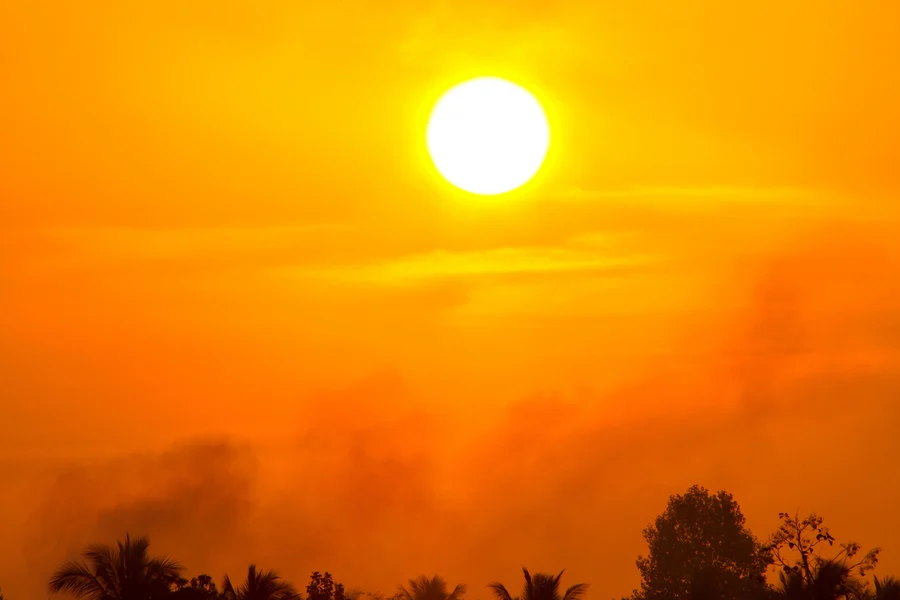
As the summer of 2026 settles over the United States, the nation is bracing for a starkly bifurcated climate experience. While the U.S. West and Gulf Coast prepare for a prolonged season of blistering heat and heightened wildfire risks, the Midwest and Northeast are finding reprieve in uncharacteristically cool, dreary weather. This atmospheric imbalance, according to federal forecasters and leading climatologists, is the direct consequence of a strengthening El Niño event, amplified by complex oceanic thermal anomalies in the Pacific.
Main Facts: The Great Seasonal Divide
The U.S. Climate Prediction Center (CPC) has outlined a forecast that remains in effect through July 10, signaling a clear geographic divide. The western and southern tiers of the country are locked into a pattern of sustained, above-normal temperatures. Conversely, the Upper Great Lakes and parts of the Northeast are trending toward below-normal temperatures, a sharp deviation from the record-breaking heat waves that have defined recent summers in those regions.
This phenomenon is not occurring in a vacuum. It is the result of a multi-layered interaction between the Pacific Ocean’s thermal state and atmospheric pressure ridges. The official declaration of El Niño—a climate pattern characterized by the warming of surface waters in the central and eastern Pacific—was issued by federal authorities just last week. As the phenomenon gathers momentum, it is fundamentally altering jet stream patterns, forcing weather systems into a "scripted" trajectory that dictates the comfort, safety, and economic reality of millions of Americans.
Chronology: The Emergence of an El Niño Summer
The path toward this summer’s forecast began months ago, as oceanographic monitoring stations noted a steady rise in sea-surface temperatures in the equatorial Pacific. By early 2026, the transition from neutral conditions to El Niño became inevitable.
- Early Spring 2026: Climatologists observe the initial warming of the Pacific, signaling that the climate-shifting phenomenon is likely to impact the summer cycle.
- Late May 2026: Preparation for the wildfire season intensifies as hydrological models show that the "snow drought" of the previous winter has left the American West vulnerable.
- Early June 2026: The official declaration of El Niño is released by the U.S. government. Simultaneously, intense thunderstorms, hail, and tornadoes sweep across the country, stretching from Chicago to Washington, D.C.—a byproduct of the unstable air masses created by the shifting Pacific influence.
- Mid-June 2026: Forecasts stabilize, confirming that the eastern U.S. is experiencing a cooler June than four of the previous five years, while the West prepares for an early onset of extreme heat.
"Usually, in developing El Niño summers, it tends to be hot in the Northwest and not hot in the Midwest and Northeast," explains Jonathan Erdman, senior meteorologist for the Weather Channel app. "So, this is kind of acting according to script so far."
Supporting Data: Oceanic Drivers and Thermal Patterns
The intensity of this summer’s weather is not solely attributed to El Niño. Jennifer Francis, a senior scientist at the Woodwell Climate Research Center, points to the influence of North Pacific marine heatwaves—localized patches of ocean water that have reached record-breaking temperatures.
The "Blob" Effect
For the past several months, a massive area of warmer-than-normal water has been stationed off the coast of Mexico and Southern California. According to Dr. Francis, these marine heatwaves have been "expanding and intensifying in the past couple of decades thanks to human-caused warming." When these waters are abnormally hot, they influence the atmospheric pressure systems above them, essentially "parking" heat-trapping high-pressure ridges over the western U.S.
Cooling Degree Days (CDD)
The economic impact of this weather is best tracked through "cooling degree days"—a metric used by energy analysts to determine the load on the power grid. Because the Midwest and Northeast are experiencing milder weather, energy demand for air conditioning has plummeted. The Commodity Weather Group noted a 1.1 drop in its cooling degree day forecast as of late June, a significant adjustment that suggests a reprieve for power grids that were previously bracing for high summer stress.
Official Responses and Scientific Analysis
The National Interagency Fire Center (NIFC) has issued urgent warnings regarding the western United States. The region, already struggling with the aftermath of a winter that failed to deliver sufficient snowpack, is now facing a severe water supply crisis. As the soil dries out due to the high-pressure heat dome, the vegetation becomes "tinder-dry," significantly increasing the risk of explosive wildfire growth from Northern California and Oregon through to Colorado.
Matt Rogers, president of the Commodity Weather Group, emphasizes that while the current trend is cooler for the East, the outlook remains fluid. "Overall, the eastern U.S. will probably be close to normal through the summer," Rogers notes. However, he warns that conditions in the Indian Ocean could create atmospheric "teleconnections" that might eventually push the eastern U.S. into a warmer phase later in the season.
The scientific consensus is that the coupling of El Niño with human-induced climate change is creating a "feedback loop." As the western U.S. dries out, the ground loses the cooling effect of moisture evaporation. This leads to hotter surface temperatures, which further dries the soil, creating a self-amplifying cycle of heat that is becoming increasingly difficult for current infrastructure to manage.
Implications: The High Cost of a Shifting Climate
The implications of this summer’s climate reality are far-reaching, affecting everything from energy consumption to agricultural stability and public health.
1. Energy and Infrastructure
The lower energy demand in the East is a temporary benefit, but it masks the systemic stress being placed on the western grid. As the West faces record temperatures, the strain on electrical systems to power cooling units during heat waves poses a threat of brownouts and rolling blackouts.
2. Hydrological Security
The "snow drought" from the winter of 2025-2026 has left reservoirs across the Colorado River Basin and California at concerning levels. With the summer forecast predicting sustained dryness and heat, the water security of the West is entering a critical period. Farmers and municipal planners are already shifting to emergency drought-mitigation strategies.
3. Public Health and Severe Weather
While the East is cooler, it is not immune to the volatility caused by the broader climate pattern. The severe thunderstorms and tornadoes that impacted the corridor from Chicago to D.C. in mid-June serve as a reminder that atmospheric instability, spurred by the interaction of different air masses, remains a constant threat. In the West, the primary health concern is the heat—prolonged exposure to extreme temperatures remains one of the leading weather-related causes of death in the United States.
4. Long-term Climate Trends
Dr. Francis’s research underscores that the "blob" of warm water in the Pacific is not an anomaly but a trend. As global temperatures rise, these marine heatwaves become more frequent, shifting the geography of American weather. The 2026 summer serves as a case study in how complex oceanic systems can dictate the quality of life for an entire nation.
Conclusion
As the U.S. moves deeper into the summer of 2026, the contrast between the fire-prone, parched West and the cool, damp East remains the dominant story. While the cooling trends in the Midwest and Northeast offer a brief respite for energy consumers, the structural risks in the West—driven by a combination of El Niño, marine heatwaves, and a lack of winter precipitation—demand vigilant management.
For the millions living in the path of the coming heat waves, the season will be defined by the capacity of local governments to manage wildfire risks and energy reliability. As meteorologists continue to track the evolution of the Pacific, the 2026 summer stands as a stark reminder of the nation’s vulnerability to the shifting currents of the global climate.
Copyright 2026 Bloomberg. All rights reserved.