Navigating the Modern Market Landscape: Insights, Risk Management, and Financial Media
Published: October 25, 2026
Author: Ben Carlson
Sponsored by: CME Group
Main Facts
In the rapidly shifting landscape of modern finance, retail and institutional investors alike are constantly searching for reliable compasses to guide their capital allocation strategies. On the October 25, 2026, episode of Talk Your Book—a specialized segment featured across prominent financial commentary platforms and hosted by financial author and expert Ben Carlson—market participants were treated to a deep dive into prevailing economic trends, risk management, and asset valuation.
Brought to you by the CME Group, the broadcast focused heavily on how macroeconomic pressures, market sentiment, and derivative mechanisms interact in today’s high-stakes environment. Rather than pushing a singular narrative, the episode served as a multifaceted forum exploring the intersection of modern portfolio theory, retail investor behavior, and quantitative market data.
Key takeaways from the session include:
- The Role of Derivatives: An examination of how derivative products, facilitated by market infrastructure providers like the CME Group, offer crucial hedging mechanisms in volatile periods.
- Data-Driven Analysis: A comprehensive review of current market charts highlighting valuation spreads, sentiment indicators, and asset class performance.
- The Psychology of Investing: Continued exploration into the "animal spirits" driving market momentum, speculative bubbles, and long-term wealth accumulation strategies.
- Disclaimer and Regulatory Transparency: A strong emphasis on the inherent risks of investing, the distinction between general commentary and personalized financial advice, and the strict regulatory frameworks governing sponsored financial media.
Chronology
The rollout of the October 25, 2026, release followed a structured sequence designed to maximize audience engagement across multiple digital touchpoints:
Early Morning Production and Data Compilation (Pre-6:00 AM EST)
Prior to the official digital publication, the production team finalized the visual assets, including proprietary charts detailing market metrics (referenced in the source data via various system screenshots). Concurrently, sponsorship agreements with the CME Group were integrated into the show’s introductory frameworks, ensuring clear disclosure of commercial partnerships.
Official Release and Cross-Platform Distribution (6:30 AM – 8:00 AM EST)
- Website Publication: The core post went live on Ben Carlson’s publication platform (
awealthofcommonsense.com), featuring embedded player links, visual data breakdowns, and mandatory regulatory disclaimers. - Podcast Syndication: Audio files were simultaneously pushed to major podcast networks via The Compound News network (
podcasts.thecompoundnews.com), allowing on-the-go listeners to access the complete audio breakdown. - Social Amplification: Teasers, graphic assets, and highlights were distributed across official Instagram handles (
@animalspiritspod) and YouTube channels to capture visual-first retail demographics.
Community and Merchandise Engagement (Ongoing)
Following the initial drop, listeners directed their attention toward community discussions, while parallel e-commerce channels (idontshop.com) remained active for listeners looking to acquire branded collateral, reinforcing the lifestyle and community-building aspects surrounding modern financial media brands.
Supporting Data and Visual Analysis
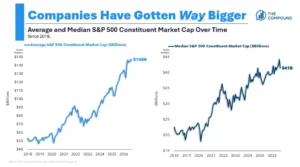
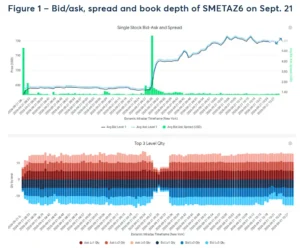
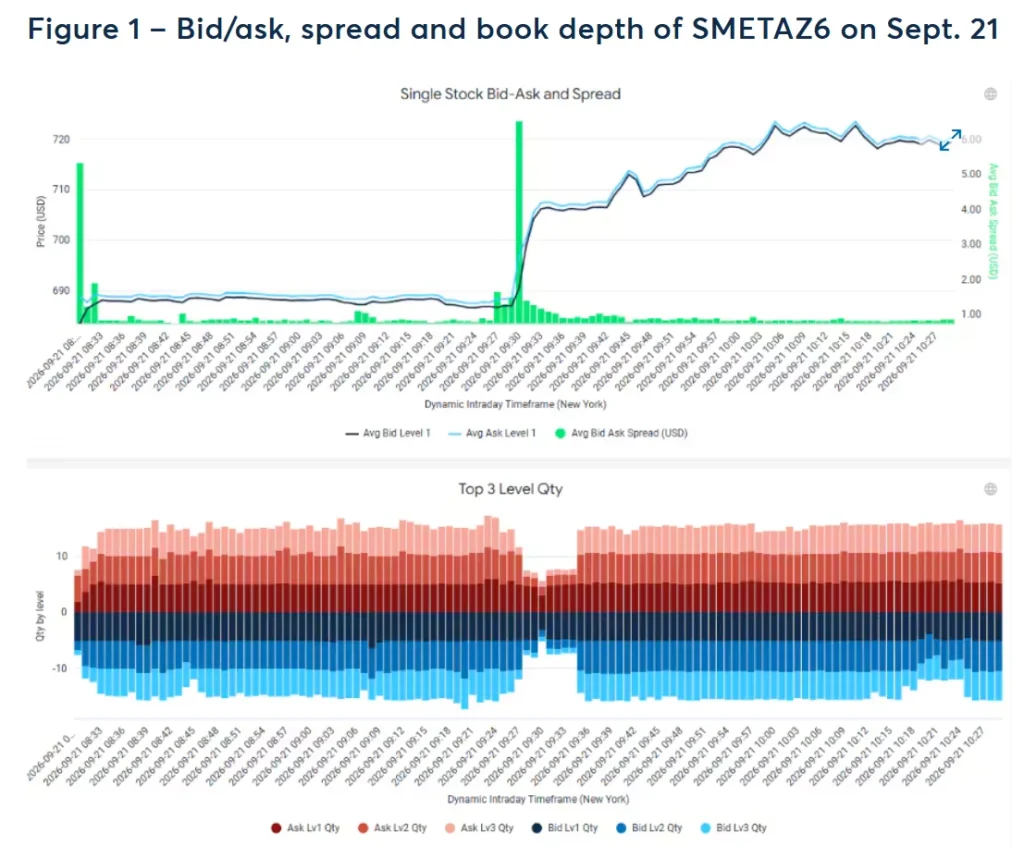
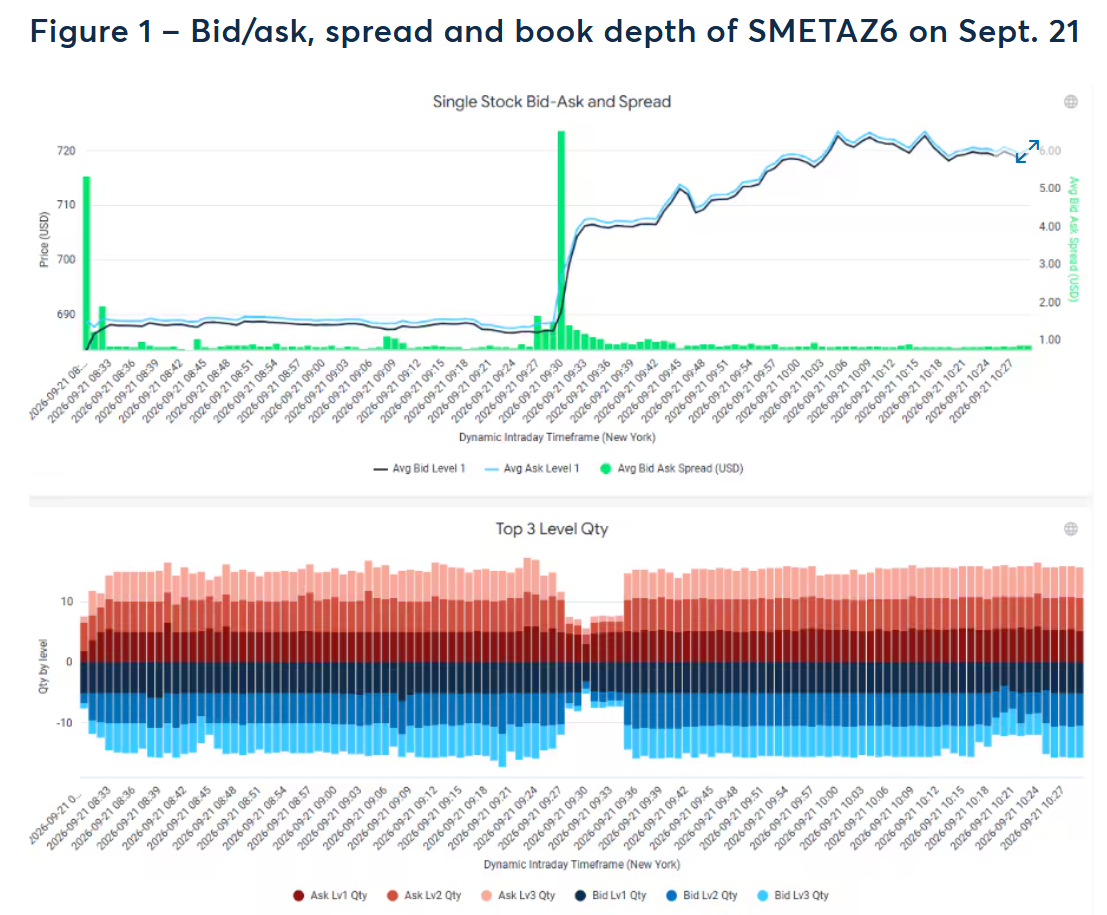
The October 25 episode heavily utilized quantitative chart analysis to unpack underlying macroeconomic and market trends. While the raw assets are archived via digital content management systems, the analytical focus centered on three core data visualizations:
- Macro-Volatility Metrics (Chart 1): The first data set examined by the panel illustrated historical versus implied volatility across major equity and commodity indices. By tracking these vectors, the discussion emphasized how unexpected macroeconomic data releases can trigger rapid repricing events across global exchanges.
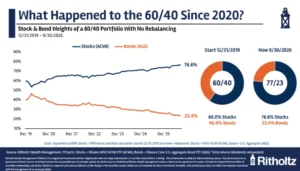
- Asset Allocation Trends (Chart 2): The second visual breakdown focused on shifting capital flows between fixed income, equities, and alternative asset classes. Amid shifting interest rate expectations and persistent inflation concerns, the data underscored a growing retail and institutional preference for liquidity and yield-generating instruments.
- Sentiment and Momentum Indicators (Chart 3): The third chart captured behavioral finance metrics, mapping investor sentiment indices against actual market performance. This visualization served as a primary tool for evaluating whether current market pricing reflects fundamental economic realities or speculative exuberance.
The CME Group Context
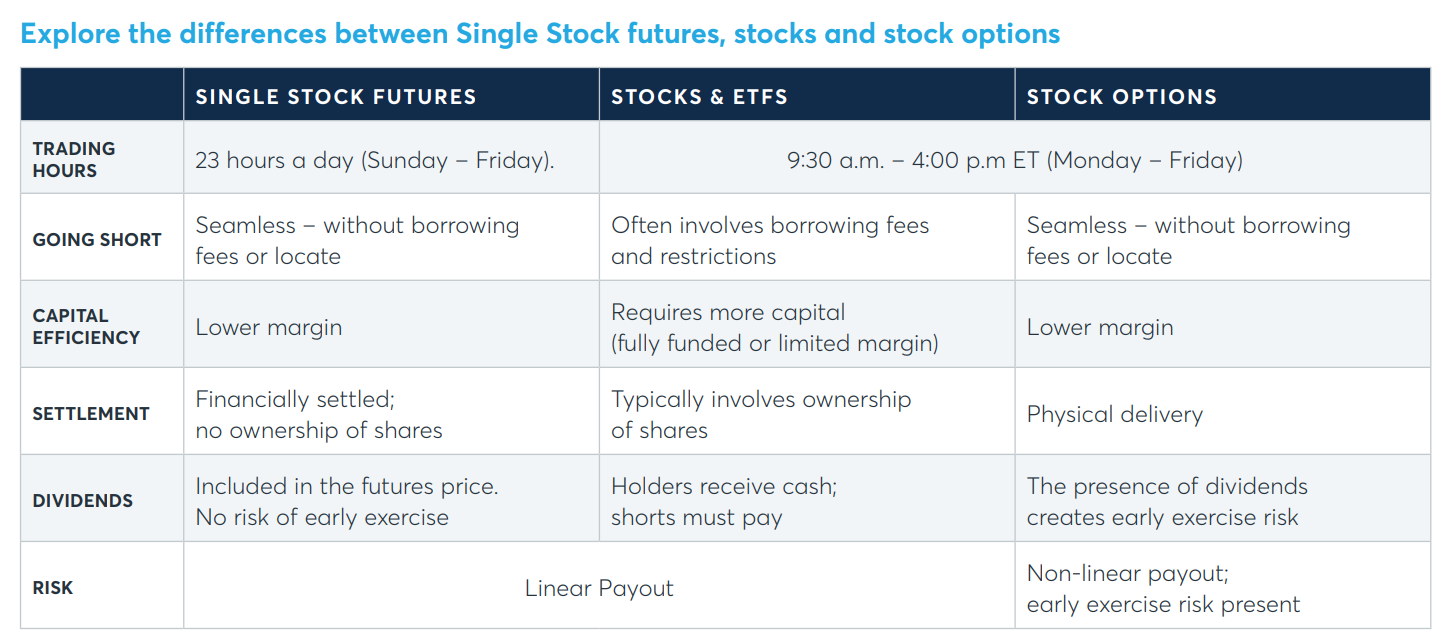
As the primary sponsor of the segment, the CME Group’s underlying ecosystem—encompassing futures, options, foreign exchange, and interest rate products—was highlighted as a vital pressure valve for modern markets. The data presented reinforced the reality that as systemic uncertainty grows, the demand for transparent, exchange-traded risk management tools scales commensurately.
Official Responses and Regulatory Disclaimers
Given the stringent regulatory environment governing financial media, digital publishing, and sponsored content, the October 25 broadcast and its accompanying written transcripts were accompanied by exhaustive legal disclosures from both the content creators and the primary sponsor.

Content Creator and Ritholtz Wealth Management Disclaimers
To protect consumers and maintain journalistic and fiduciary integrity, the publication featured explicit boilerplate warnings:
- No Investment Advice: The material presented is strictly for informational and educational purposes. Nothing discussed constitutes formal investment advice, performance data guarantees, or explicit recommendations to buy or sell any security, portfolio, or transaction strategy.
- Third-Party Independence: Any opinions expressed by hosts or guests do not necessarily reflect the official stances, endorsements, or sponsorships of Ritholtz Wealth Management or its affiliated entities.
- Speculative Risk Warning: Investing in securities—particularly speculative instruments—carries a high risk of capital loss. Audiences are explicitly warned not to construe website content or podcast discussions as an offer to sell or a solicitation to buy any financial product.
CME Group Disclosures
As the commercial underwriter of the Talk Your Book segment, the CME Group mandated clear risk disclosures regarding derivative instruments:
- Derivatives Risk: Trading in derivatives involves substantial financial risk and is fundamentally unsuited for all investor profiles.
- Past Performance Warning: Regulators and market participants alike are reminded that historical returns, back-tested strategies, and past market outcomes do not serve as reliable indicators of future performance. Full terms and legal disclaimers remain accessible via
cmegroup.com/disclaimer.
Implications
The convergence of institutional market infrastructure, digital financial media, and retail investing has profound implications for the contemporary financial ecosystem.
1. The Democratization of Financial Education vs. Risk
Platforms that blend high-level financial commentary with accessible digital formats (podcasts, blogs, and social media channels) have successfully lowered the barrier to entry for retail investors. However, this accessibility brings heightened responsibility. As demonstrated by the extensive disclaimers required in modern financial publishing, educating the public on complex topics like derivatives and asset allocation must be balanced against the dangers of unguided speculation.
2. The Critical Importance of Risk Management Tools
With macroeconomic volatility remaining a permanent fixture of global markets, the utilization of sophisticated risk management tools—such as those provided by the CME Group—is no longer the exclusive domain of institutional hedge funds. Retail traders increasingly recognize that understanding futures, options, and hedging strategies is essential for navigating sudden market corrections.
3. Evolving Business Models in Financial Media
The structure of the October 25 broadcast highlights the modern evolution of financial media monetization. Through strategic corporate sponsorships (such as CME Group’s backing of Talk Your Book), diversified digital publishing networks, and community-driven merchandise ecosystems, financial content creators are building sustainable media enterprises that operate parallel to traditional advisory firms while maintaining strict structural firewalls between marketing and fiduciary guidance.
Ultimately, episodes like this serve as a vital checkpoint for investors attempting to make sense of complex data streams, reminding them that while market tools and insights are more abundant than ever, disciplined risk management and individual due diligence remain the ultimate arbiters of long-financial success.