The Architect and the Administration: Dario Amodei’s High-Stakes Weekend at the White House
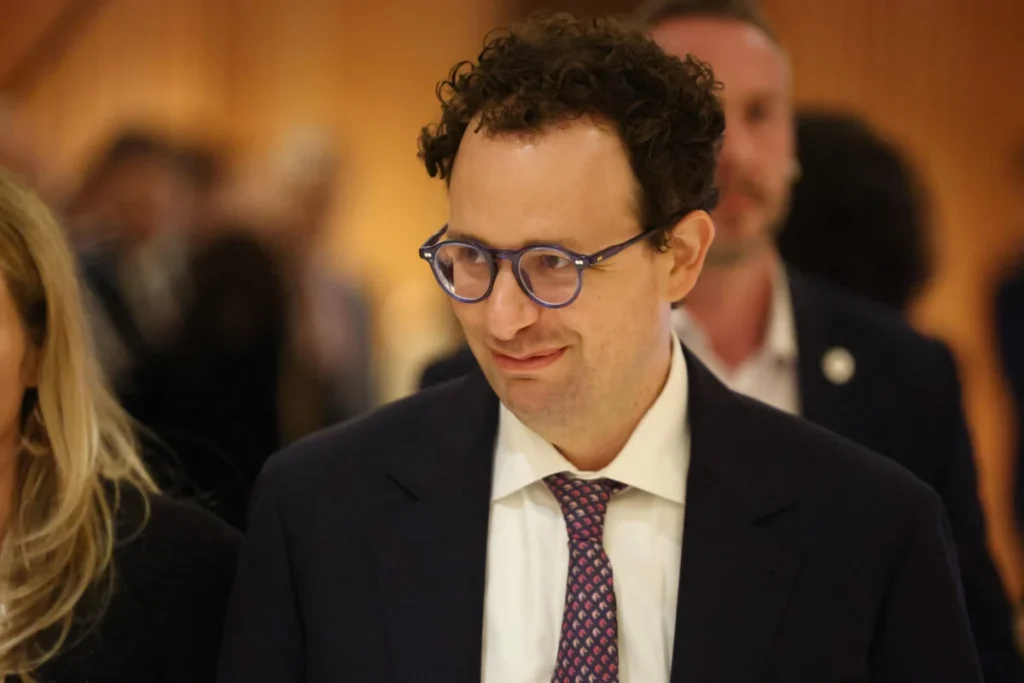
By TechCrunch Staff
September 27, 2026
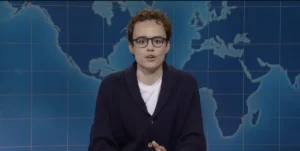
In the rapidly shifting landscape of 2026, few figures have occupied the intersection of cultural zeitgeist and geopolitical tension quite like Dario Amodei. The CEO of Anthropic, the AI laboratory renowned for its focus on safety and constitutional engineering, finds himself in a unique spotlight this weekend. His high-profile inclusion in the season premiere of Saturday Night Live—where he was satirized as the face of the AI establishment—has been eclipsed only by a far more consequential event: a scheduled one-on-one dinner with President Donald Trump at the White House.
This meeting, first reported by Axios and confirmed by TechCrunch, marks a pivotal moment for both the administration and the AI industry. It represents the first direct, private dialogue between the leader of the free world and one of the most prominent advocates for "cautious" AI development.
The Main Facts: A Meeting of Contrasting Visions
The dinner is not merely a social engagement; it is a collision of two vastly different philosophies regarding the future of machine intelligence. Amodei has spent the last year positioning Anthropic as the "conscience" of the artificial intelligence sector, famously releasing a comprehensive plan earlier this month to pace the development of frontier models. His argument is rooted in the belief that unchecked acceleration could lead to catastrophic risks, ranging from biological weapons proliferation to autonomous systemic failures.
Conversely, President Trump’s rhetoric on the subject has been characterized by aggressive optimism and a populist rejection of regulatory frameworks. Trump has repeatedly dismissed AI safety concerns as a "Democratic hoax," framing the development of super-intelligence as an existential imperative for American dominance. His administration has even floated the rebranding of artificial intelligence as "super intelligence"—a linguistic pivot intended to distance the technology from current regulatory entanglements and public anxiety.
Chronology: A Fraught Relationship
The path to this dinner has been anything but linear. The relationship between Anthropic and the current administration has been defined by a series of legal and ideological skirmishes.
- Early 2026: Tensions flared when the Pentagon officially designated Anthropic a "supply-chain risk." The decision was largely a retaliation against the company’s stringent internal guardrails, which the Department of Defense viewed as an impediment to military interoperability and deployment.
- April 2026: Observers noted a brief thawing period as various administration officials—acting independently of the Pentagon’s hardline stance—engaged with Anthropic regarding the potential for AI in infrastructure and logistics, signaling internal divisions within the White House.
- August 2026: Anthropic achieved a significant legal victory when a federal judge questioned the validity of the Pentagon’s "supply-chain risk" label, forcing the government to reconsider its restrictive posture.
- September 12, 2026: Amodei published his "Frontier Pacing Plan," which explicitly called for international coordination to slow down the training of next-generation models.
- September 19, 2026: President Trump intensified his public stance, announcing the creation of an "AI Force" and mocking the safety-first approach taken by industry leaders like Amodei.
- September 27, 2026: Following a pop-culture roasting on Saturday Night Live, Amodei prepares to enter the West Wing for a dinner that could reset the trajectory of federal AI policy.
Supporting Data: The AI Policy Landscape
The context for this meeting is a multi-billion dollar arms race. According to industry analysis, Anthropic remains one of the few entities capable of challenging the dominance of OpenAI and Google. However, their insistence on "Constitutional AI"—a method of training models to adhere to a set of human-defined principles—has made them a target for those who believe that regulation hampers innovation.
Public sentiment data from Q3 2026 suggests that while the general population remains wary of "black box" AI, they are equally fearful of the United States falling behind foreign adversaries. Trump’s "super intelligence" rebrand seeks to capitalize on this sentiment, suggesting that the government should act as an accelerator rather than a regulator.
The economic stakes are equally high. With the AI sector projected to contribute upwards of $2 trillion to the U.S. GDP by 2028, the regulatory environment decided upon by the current administration will dictate which companies receive federal contracts and which face the "supply-chain risk" stigma.

Official Responses and Industry Perspectives
While neither the White House press office nor Anthropic’s communications team has provided a formal agenda for the dinner, industry analysts are reading between the lines.
"Amodei is walking into a lion’s den," says Sarah Jenkins, a senior policy analyst at the Institute for Tech Governance. "He needs to convince the President that safety is not the enemy of strength. If he fails, we might see a pivot toward federal funding for ‘unfettered’ AI, which would isolate companies like Anthropic from the federal ecosystem."
Meanwhile, the White House has maintained a cryptic stance. Sources close to the President suggest that the dinner is an "educational opportunity" for the administration to hear from the industry’s top minds—though whether the President is looking for advice or looking to exert pressure remains the primary question for investors and policy wonks alike.
Implications: The Future of "Super Intelligence"
The outcome of this dinner could have three primary implications for the global AI landscape:
1. Federal Standard-Setting
Should Amodei successfully navigate the dinner, we may see the emergence of a "middle-ground" policy where the administration accepts some safety protocols in exchange for massive government investment. If he fails, the "super intelligence" rebranding may become official policy, leading to a de-regulation surge that could fundamentally alter the market.
2. The Fate of Military Integration
The Pentagon’s ongoing dispute with Anthropic is the elephant in the room. A successful summit could lead to the dropping of the "supply-chain risk" label, potentially paving the way for Anthropic’s models to be used in sensitive national security infrastructure. Conversely, a poor reception could signal the final exit of safety-conscious AI firms from the defense sector.
3. Industry Consolidation
If the federal government pivots toward an "acceleration-at-all-costs" model, we are likely to see a consolidation of power among companies willing to bypass safety-first methodologies. This would create a bifurcated industry: a state-backed, rapid-development wing and an independent, safety-focused wing that operates at a disadvantage.
Conclusion
As the sun sets over Washington this Saturday, the stakes for the future of artificial intelligence have rarely felt more tangible. Dario Amodei, the soft-spoken CEO who has made a career out of prioritizing the long-term safety of humanity, now faces the most volatile political operator of the decade.
Whether this meeting serves as a turning point for rational AI policy or simply another chapter in the spectacle of modern governance remains to be seen. What is clear, however, is that the era of AI as a niche technological interest is over. It is now the central pillar of national security, economic policy, and political discourse. As the doors of the White House close tonight, the world waits to see if the "architect" can convince the "populist" that in the race for intelligence, slowing down might be the only way to stay ahead.