The Art of Intentional Living: A Deep Dive into the Frugalwoods May Expense Report
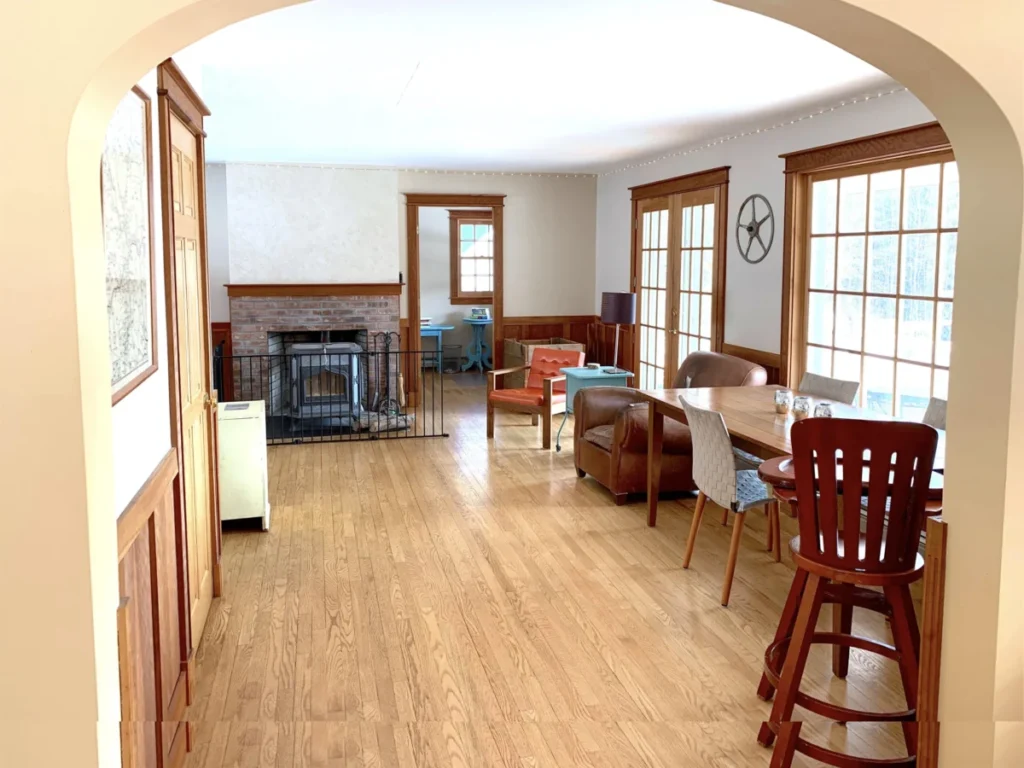
In an era defined by consumerist pressure and the relentless pursuit of "more," the Frugalwoods family continues to offer a compelling counter-narrative. For the Frugalwoods, personal finance is not merely a ledger of debits and credits; it is a philosophy of intentionality. By prioritizing long-term goals over impulsive consumption, the family has successfully cultivated a lifestyle that merges financial independence with a deep appreciation for the humanities, literature, and sustainable living.
This month’s financial disclosure provides a candid look at the costs of maintaining a household in rural Vermont while navigating the chaotic, beautiful reality of raising children.

The Literary Hearth: A Family Ritual
At the heart of the Frugalwoods home this month is a newfound focus on the classics. Mr. FW, a long-time enthusiast of J.R.R. Tolkien’s The Lord of the Rings, has long harbored a dream of sharing the richness of Middle-earth with his children. The journey to The Hobbit was not taken lightly; it was a curated progression.
The young reader, affectionately referred to as "Kidwoods," spent the earlier months of the year navigating the gentle, pastoral world of Fern Hollow by John Patience, followed by the high-stakes heroics of Brian Jacques’ Redwall series. This literary ladder-climbing culminated last month when she began reading The Hobbit aloud to her father.

To commemorate this milestone, the family made a rare departure from their strict “no new books” policy—a rule that usually restricts their library to yard sale finds and public library loans—to purchase a pristine, illustrated, hardcover edition of the classic. This act represents the family’s philosophy: frugality is not about depriving oneself of things that hold lasting value; it is about cutting the trivial to make room for the significant. The daily ritual of reading aloud has yielded more than just intellectual growth; it has served as a diagnostic tool for her reading comprehension and pronunciation, while providing a safe space to discuss the complexities of character and morality.
The Seasonal Shift: Yard Sale and Thrift Culture
As the frost recedes from the Vermont landscape, the Frugalwoods’ calendar shifts to match the rhythm of the local economy: yard sale season. For Mrs. Frugalwoods, this is not just a thrifty habit—it is a competitive sport. Accompanied by her "yard sale buddy," RW, the early Saturday morning raids have become a cornerstone of their acquisition strategy for clothing, household goods, and recreational equipment.
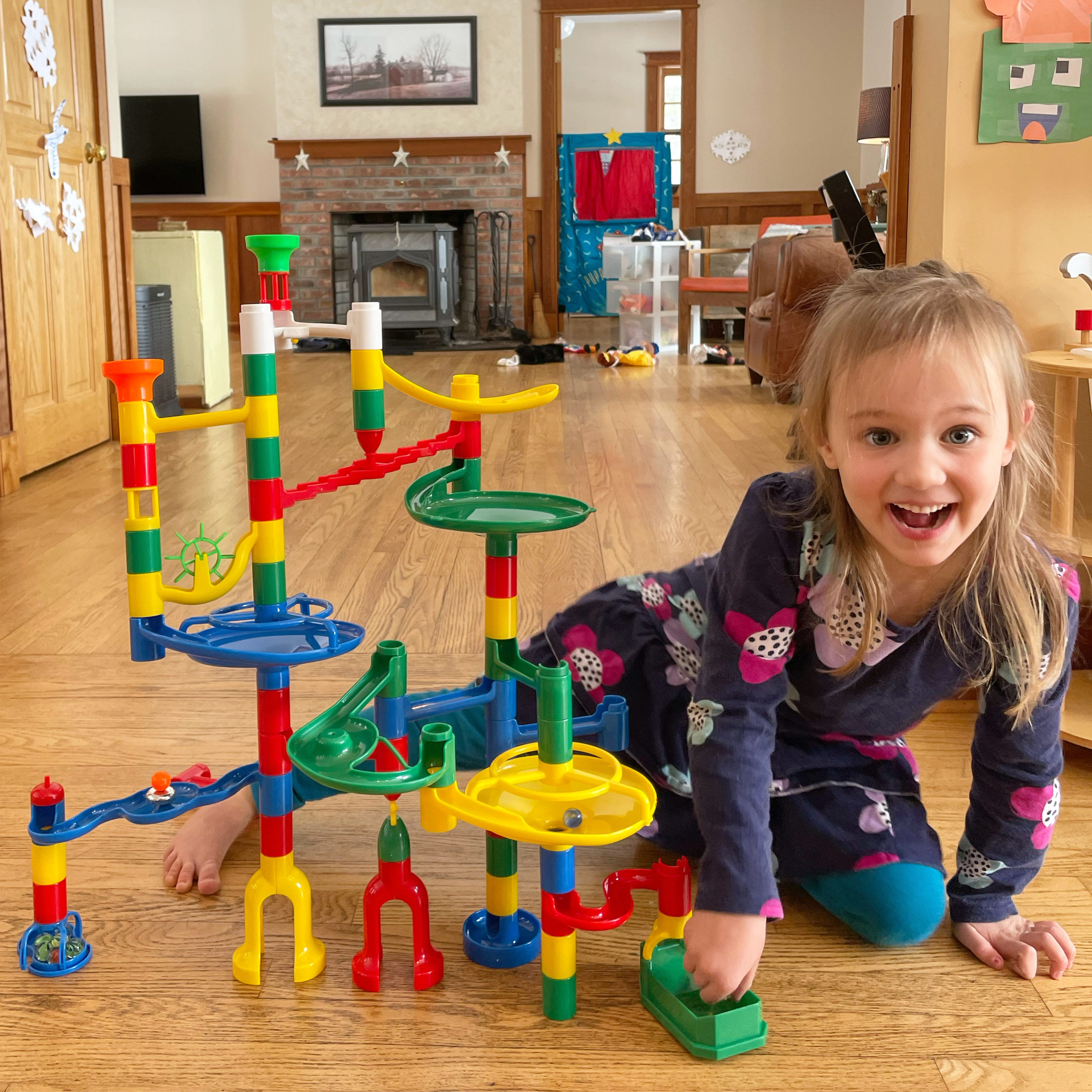
The family’s reliance on the secondary market is driven by seven core tenets that extend beyond simple math:
- Decision Fatigue Reduction: By limiting choices to what is available, the family avoids the "paradox of choice," which psychologists suggest leads to anxiety and dissatisfaction.
- Environmental Stewardship: Every item purchased used is one less item manufactured, packaged, and shipped.
- The Kismet Factor: The thrill of the find is a form of serendipity that retail shopping cannot replicate.
- The Endowment Effect: Because they aren’t paying retail, they suffer less from the psychological weight of ownership, allowing them to pass items on freely when they are outgrown.
- Intrinsic Joy: The process itself is a recreational activity that fosters community and adventure.
- Community Building: Hand-me-downs and thrift stores create a circular economy of neighbors helping neighbors.
- Time Efficiency: Shopping used is often a more streamlined process than researching and purchasing new, high-end goods.
Financial Transparency: The May Expense Breakdown
For those who track the Frugalwoods’ progress, the monthly expense report is a masterclass in transparency. In May, the family’s total expenditure reached $4,641.49. While this figure may appear high to some, it includes significant one-time investments in home infrastructure and property maintenance.

Key Expenditure Analysis
- Property Maintenance ($293.15 for a Battery String Trimmer; $126.94 for a Pole Saw Attachment): These purchases reflect the reality of homeownership. In rural environments, equipment is a necessity for preventing property damage and maintaining the landscape.
- Infrastructure and Household ($469.98): This category, encompassing everything from toothpaste to socks and craft supplies, highlights the hidden costs of family life.
- The "Child-Proofing" Tax: Notably, the family spent $17.71 on cabinet hinges and $12.71 on a toilet paper roll holder. Mrs. Frugalwoods notes, with a touch of humor, that these are the "hidden" costs of parenting—replacing hardware that has been subjected to the enthusiastic curiosity of children.
- Professional Services ($420 for Preschool; $114 for Dental Care): These figures serve as a reminder that the Frugalwoods, like all families, prioritize health and education as non-negotiable expenses.
Implications of the "Frugal" Model
What can the average reader take away from this report? The Frugalwoods demonstrate that financial freedom is not necessarily about earning a massive salary; it is about the "gap"—the distance between what you earn and what you spend. By keeping their recurring costs (like cell phone service, which cost them a mere $28.24 this month) low through the use of MVNOs, they create a surplus that can be redirected toward investments, experiences, or, in this case, the high-quality tools needed to maintain their homestead.
Furthermore, their utilization of financial tools like Empower (formerly Personal Capital) underscores a commitment to quantitative analysis. One cannot manage what one does not measure. By linking all accounts and monitoring net worth in real-time, the family treats their household like a small, efficiently run business.

The Power of Passive Gains
A recurring theme in the Frugalwoods’ philosophy is the concept of "money working while you sleep." Their analysis of high-yield savings accounts is particularly salient. In a climate where interest rates have shifted, the difference between a traditional bank and a high-yield savings account is no longer trivial. By moving $5,000 from a zero-interest account to a high-yield vehicle, one could effectively generate $200 in pure interest annually. It is a simple, low-effort move that the Frugalwoods advocate as a foundational step for any aspiring saver.
Conclusion: A Philosophy of Life
The Frugalwoods’ report for May is more than a balance sheet; it is a reflection of a life lived with intention. Whether it is the $81.64 earned back through their credit card rewards program—a "win" that they celebrate as free money for unavoidable spending—or the quiet joy of their children reading in the afternoon light, the family’s message is clear.

True wealth is not defined by the volume of new items purchased, but by the security, community, and time created by living below one’s means. As the family prepares for the summer months, their focus remains fixed on the long game: building a life that is as sustainable as it is satisfying, one dollar, and one page of The Hobbit, at a time.
For those looking to replicate this success, the advice remains consistent: track your spending, buy what you need used, optimize your interest rates, and never stop reading to your children. The rest, as the Frugalwoods have shown, is simply a matter of discipline and the courage to live differently.