Strategic Energy Convergence: Pembina’s Greenlight Electricity Centre and the Evolution of Canadian Midstream

The intersection of artificial intelligence, high-performance computing, and traditional energy infrastructure has reached a pivotal juncture in Western Canada. Pembina Pipeline Corp (PPL CN) recently announced a definitive Final Investment Decision (FID) on the Greenlight Electricity Centre, a transformative C$4.6 billion ($3.2 billion USD) natural gas power plant situated in Sturgeon County, Alberta. This project represents more than just a massive capital expenditure; it signifies a new era of "behind-the-meter" infrastructure designed to support the voracious energy requirements of hyperscale data centers.
As global demand for data processing continues to skyrocket, the burden on existing electrical grids has become a primary constraint for technology giants. By partnering with Morgan Stanley Infrastructure Partners and Kineticor Asset Management, Pembina is positioning itself as a foundational pillar for Meta’s upcoming 1-gigawatt Sturgeon County data center. This development serves as a blueprint for how midstream energy companies can pivot from traditional transportation roles to becoming essential utility-scale power providers for the digital economy.
The Core Facts: A C$4.6 Billion Commitment
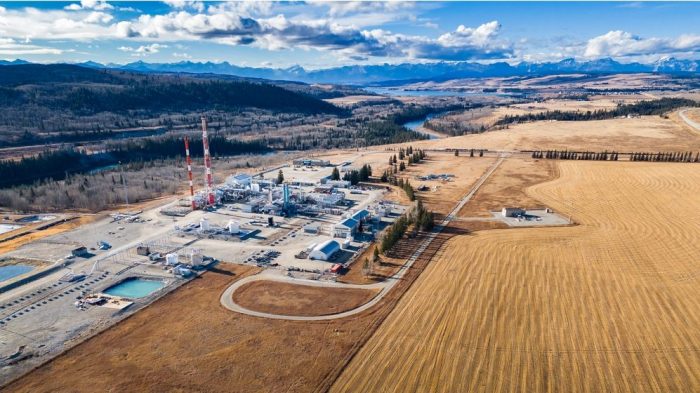
The Greenlight Electricity Centre is a 932-megawatt facility engineered to provide stable, reliable, and dedicated power to one of Canada’s largest digital infrastructure projects. The facility’s construction is a tripartite effort involving Pembina, Morgan Stanley Infrastructure Partners, and Kineticor Asset Management.
Key parameters of the project include:
- Total Investment: C$4.6 billion (approximately $3.2 billion USD).
- Operational Capacity: 932 megawatts of natural gas-powered electricity.
- Primary Consumer: Meta’s 1-gigawatt data center in Sturgeon County.
- Commercial Structure: A long-term tolling agreement, ensuring fixed-fee revenue stability.
- Operational Timeline: The facility is slated to commence power delivery in 2030, aligning with the operational roadmap of the data center.
- Gas Requirements: The plant is estimated to consume roughly 150 million cubic feet per day (MMcf/d) of natural gas, creating an immediate and permanent demand anchor for regional Alberta gas producers.
A Chronological Progression of the Partnership
The realization of the Greenlight Electricity Centre is the culmination of months of regulatory maneuvering, technical site planning, and corporate strategy.
- Initial Conceptualization (Late 2023–Early 2024): As Alberta faced increasing scrutiny regarding grid reliability, the provincial government explored frameworks to encourage private-sector energy development. Kineticor and Pembina began evaluating the feasibility of an on-site generation model to satisfy the specific high-availability requirements of hyperscalers.
- Regulatory Engagement (Mid-2024): Discussions with the Alberta provincial government centered on the "behind-the-meter" generation model. By keeping the generation localized and dedicated, the project effectively circumvents the potential for causing capacity strain on the public provincial utility grid.
- The Partnership Agreement (Q3 2024): Pembina, Morgan Stanley, and Kineticor solidified their joint venture, leveraging Pembina’s existing midstream expertise and natural gas infrastructure network.
- The FID Milestone (Q4 2024): With the formal Final Investment Decision, the project moved from the speculative phase to the procurement and construction phase.
- Long-Term Roadmap (2025–2030): The upcoming five years will involve rigorous infrastructure development, including pipeline integration to supply the 150 MMcf/d of gas required for the plant’s full operation by the 2030 launch date.
Supporting Data: Why Natural Gas Remains the Data Center Backbone
The selection of natural gas for this project is not accidental. While renewable energy sources are critical for long-term sustainability goals, the extreme power density and "always-on" nature of data centers require baseload power.
Data center operators prioritize two metrics above all else: reliability and latency. Intermittent energy sources, while environmentally preferable, cannot currently provide the consistent uptime required by AI models that operate 24/7. Natural gas-fired power plants, particularly those utilizing modern, high-efficiency combined-cycle technology, offer the lowest carbon-intensive thermal power generation while maintaining the reliability of a traditional grid.
The 150 MMcf/d requirement is particularly significant for Alberta’s gas market. It provides a "captive" consumer that is immune to the typical price fluctuations seen in the international LNG or heating markets. For the midstream sector, this creates a high-margin, long-term contract that mirrors the characteristics of a regulated utility asset.
Official Responses and Provincial Policy
The Alberta provincial government has been a vocal proponent of this project, viewing it as a catalyst for economic diversification. By facilitating the "behind-the-meter" framework, the government is essentially allowing private enterprise to solve a public infrastructure bottleneck.
In official statements, stakeholders have emphasized that this project is a win-win: the data center receives the dedicated power it needs, and the local utility grid is shielded from the massive load that a 1-gigawatt facility would otherwise impose. This policy stance suggests that Alberta is positioning itself to become a global hub for high-performance computing by leveraging its abundant natural gas reserves to power the next generation of digital infrastructure.
Implications for the Midstream Sector and Investors
For energy infrastructure investors, the Greenlight project is a signal that the definition of "midstream" is evolving. Traditionally, midstream companies were viewed as the "pipes and tanks" of the oil and gas industry. Today, they are increasingly becoming the "power and infrastructure" partners for the technology sector.
1. Defensive Stability in a Volatile Market
Canadian midstream companies, such as Pembina, are distinguished by their robust, utility-like business models. Unlike their U.S. counterparts, which may be more heavily exposed to upstream drilling fluctuations, many Canadian midstream entities operate under strict, fee-based, long-term contracts. This provides a defensive hedge against commodity price volatility.
2. Premium Valuations and Dividend Yields
Investors have historically rewarded this stability with premium valuations. The yield profile of the broader sector remains attractive, with the Alerian Midstream Energy Select Index (AMEI) yielding approximately 4.5% as of mid-2024. For advisors looking to construct income-generating portfolios, the combination of midstream exposure and hyperscaler-backed demand provides a unique opportunity to capture growth without the associated risk of direct commodity exposure.
3. Geographical Advantage: Canada’s Unique Position
The Canadian energy infrastructure landscape offers superior asset diversification compared to many U.S. regions. The ability to integrate gas production, pipeline transportation, and power generation under one corporate umbrella (or through strategic joint ventures) allows for greater operational efficiencies. As the energy transition progresses, these companies are well-positioned to pivot their assets toward new demand centers, such as the surging need for data center electricity.
Investment Vehicles for Exposure
For advisors and institutional investors looking to gain exposure to these themes, specialized ETFs offer a streamlined approach.
- Alerian Energy Infrastructure ETF (ENFR): This fund provides a diversified look at the midstream sector, capturing both U.S. and Canadian midstream entities. It is an ideal vehicle for those seeking exposure to firms like Pembina that are actively participating in the energy-data nexus.
- ALPS Alerian Energy Infrastructure Portfolio (ALEFX): Similar to ENFR, ALEFX focuses on the Alerian Midstream Energy Select Index, providing targeted exposure to the high-quality, fee-based assets that are currently powering the AI revolution.
These vehicles mitigate the "stock-picking" risk associated with individual infrastructure projects while maintaining the yield-generating characteristics that income-oriented investors demand.
Conclusion: The New Infrastructure Paradigm
The Pembina Greenlight Electricity Centre is not just an isolated project; it is the harbinger of a broader trend. As the world shifts toward a digital-first economy, the energy industry will inevitably serve as the bedrock upon which the technological revolution is built.
By securing long-term contracts with global tech giants like Meta, Canadian midstream companies are successfully insulating themselves from the historical boom-and-bust cycles of the energy market. For the investor, this transition offers a rare combination: the growth potential of the technology sector paired with the stability and reliable income of the energy infrastructure sector.
As we look toward 2030 and beyond, the success of this project will likely serve as a benchmark for future partnerships between energy providers and the hyperscale data center industry, cementing Canada’s role as a critical energy-provider for the modern, digital world.
Disclaimer: VettaFi LLC is the index provider for ENFR and ALEFX and receives licensing fees for these services. This article is for informational purposes only and does not constitute financial advice. Investors should consult with a professional financial advisor before making any investment decisions.