"Animal Spirits" Podcast Unpacks Market Paradoxes, Tech Frontiers, and Economic Resilience in Latest Episode
NEW YORK, NY – June 24, 2026 – The popular financial podcast "Animal Spirits," hosted by seasoned market analysts Ben Carlson and Michael Batnick, released its latest episode today, offering a comprehensive dive into the perplexing crosscurrents shaping the global economy and investment landscape. The episode, sponsored by financial technology leaders Betterment and YCharts, dissects a range of topics from frenzied retail trading activity and groundbreaking technological advancements to resilient consumer spending and the evolving dynamics of the housing market.
This installment arrives amidst a period of notable contrasts: record-breaking individual stock purchases juxtaposed with broader investor caution, explosive growth in niche ETFs, and a surprising strength in consumer outlays defying some economic forecasts. Carlson and Batnick, known for their accessible yet incisive commentary, leverage a wealth of data and expert insights to illuminate these complex trends, providing listeners with a critical framework for understanding today’s volatile markets.

Main Facts Unveiled: A Snapshot of Market Sentiments and Innovations
The June 24th, 2026, episode of "Animal Spirits" presents a rich tapestry of market phenomena, drawing on recent data and anecdotal evidence to paint a picture of an economy in flux. Key observations and discussion points include:
- Retail Trading Frenzy: A significant surge in retail investor activity was observed, particularly around the high-profile IPO of SpaceX. Citadel Securities reported that the day of SpaceX’s market debut marked the largest single day of net retail stock buying ever recorded by the firm, which processes approximately 35% of U.S. retail trading volume. This suggests a renewed appetite for speculative, high-growth opportunities among individual investors.
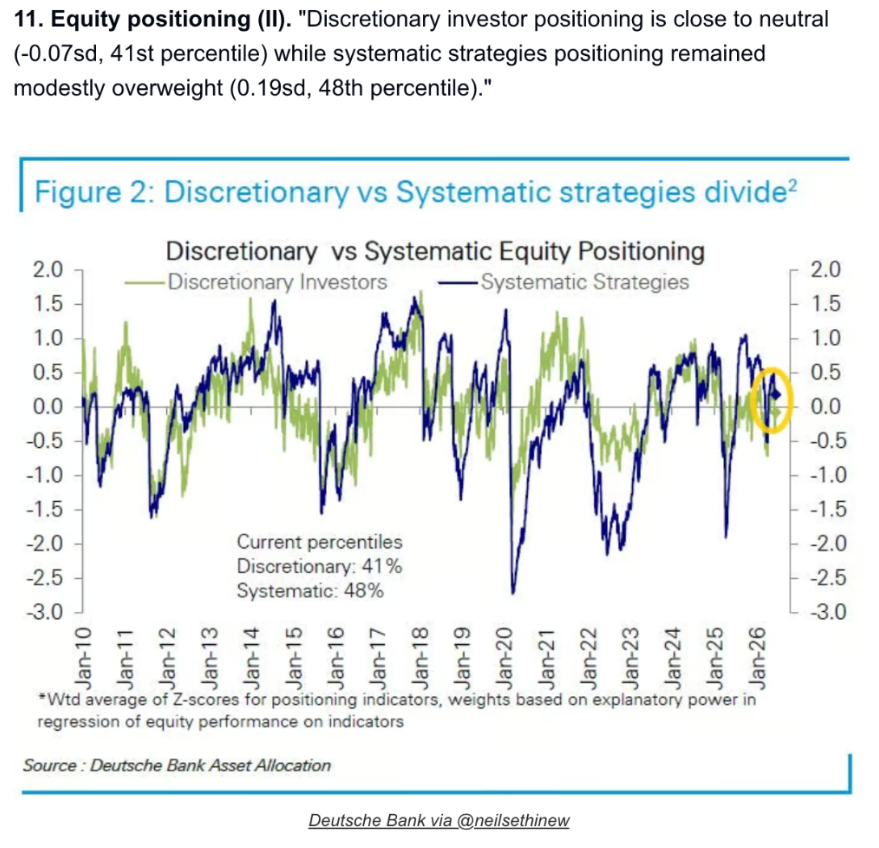
- Contrasting Retail Behavior: Despite the concentrated excitement around SpaceX, broader data from VandaTrack indicates a contradictory trend: retail single-stock net buying (on a three-day rolling basis) has plummeted to its lowest level since the onset of the COVID-19 pandemic. This divergence points to a highly selective and potentially bifurcated retail investment strategy.
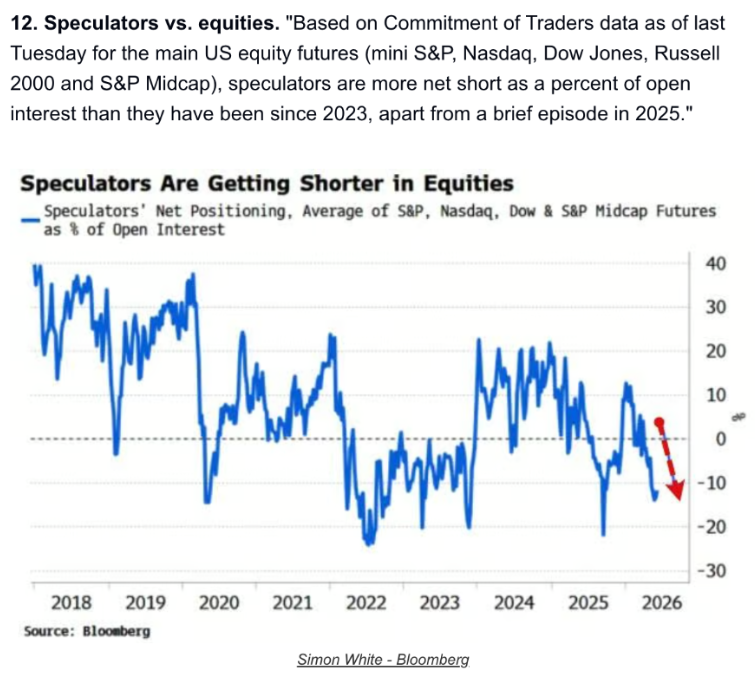
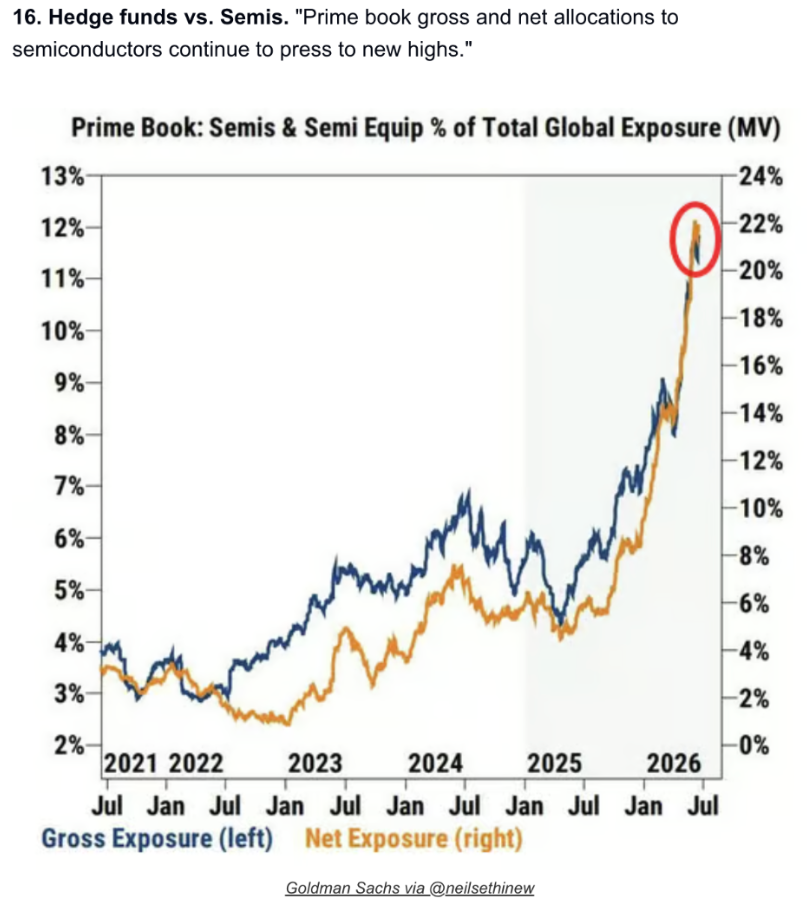
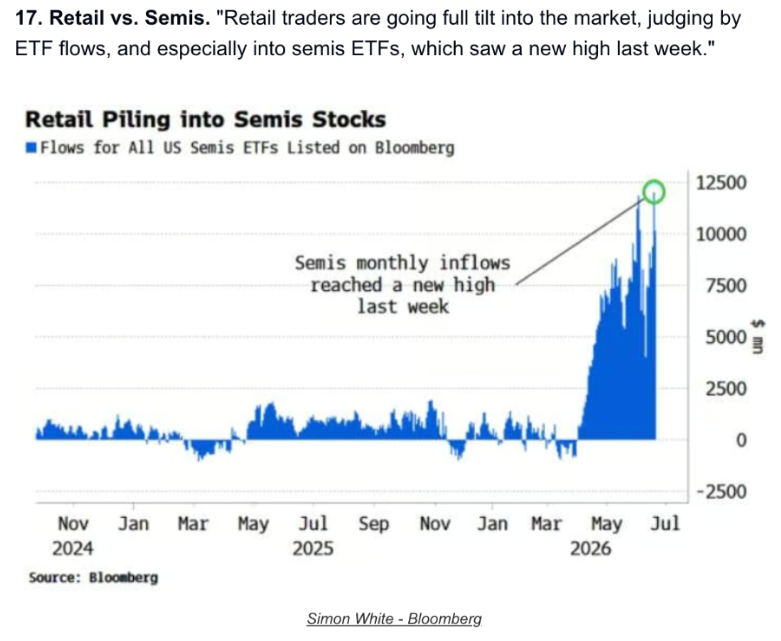
- ETF Phenomenon: The Roundhill Memory ETF ($DRAM) has shattered records, becoming the fastest-growing ETF ever launched. It surpassed $20 billion in Assets Under Management (AUM) in a mere 54 days, roughly half the time of the previous record holder. This highlights intense investor interest in specific technological sectors, particularly those related to memory and computing infrastructure powering artificial intelligence.
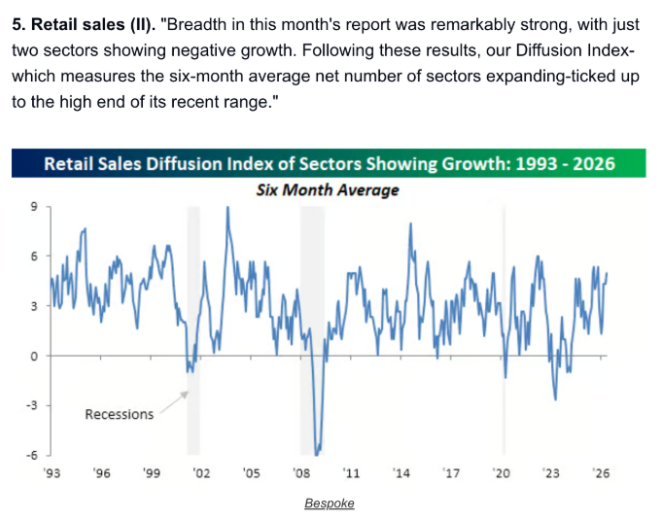
- Robust Consumer Spending: The Bank of America Institute reported remarkably robust consumer spending momentum, with total card spending rising 5.1% year-over-year in May. This marks the strongest growth in nearly four years, signaling underlying strength in consumer demand despite persistent inflationary pressures and higher interest rates.
- Pioneering Tech Infrastructure: Innovation is pushing boundaries, exemplified by Panthalassa, a Portland-based startup that secured $140 million in funding. The company is developing ocean-based AI data centers, powered entirely by wave energy and cooled by seawater, effectively removing the need for traditional power grids and land-based infrastructure.
- Evolving Prediction Markets: The landscape of prediction markets is undergoing a significant transformation. Once dominated by politics and economics (accounting for over 90% of volume two years ago), these categories now represent less than 6% of total volume. This shift underscores a need for platforms to introduce novel products and information to re-engage participants.
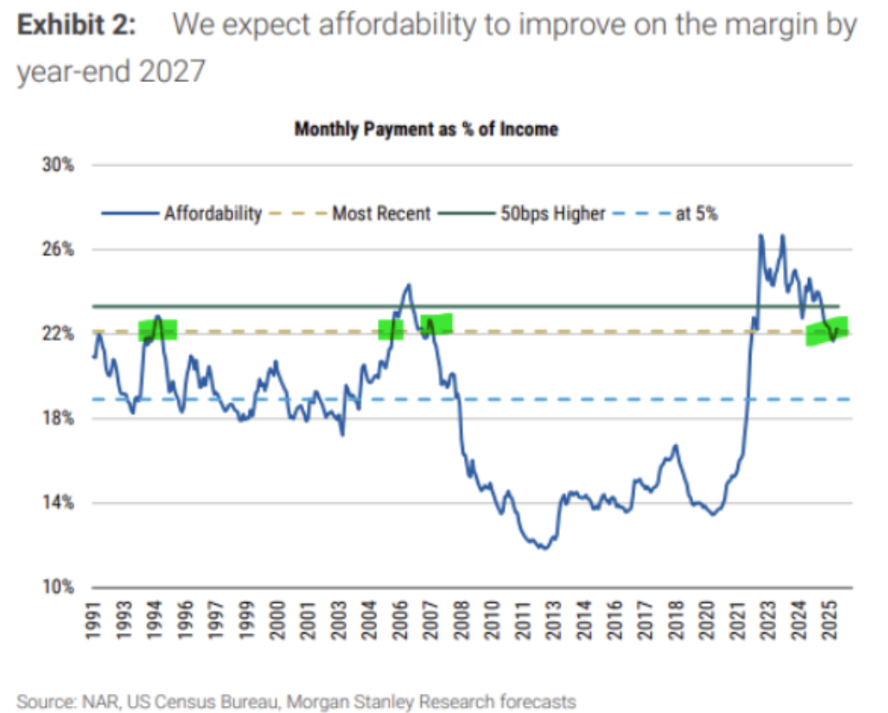
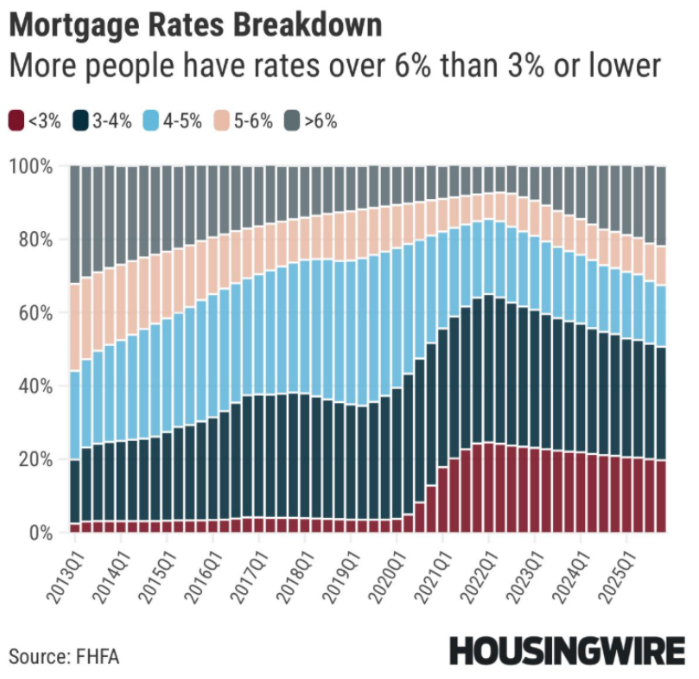
- Housing Market Stagnation: The U.S. housing market continues to grapple with "lock-in" effects and high interest rates. Projections from experts like Mike Simonsen (Altos Research) and Jonah Coste (Compass economist) explore scenarios for when home sales might normalize, the persistence of the lock-in phenomenon, and the impact of sustained 6.5% interest rates on future transaction volumes.
- Box Office Rebound: In entertainment news, Pixar’s "Toy Story 5" delivered a blockbuster performance, opening with an estimated $160 million domestically. This makes it the biggest opening of 2026, the largest for the "Toy Story" franchise, and the second-biggest opening ever for an animated movie (behind "The Incredibles 2") and for Pixar itself.
Chronology and Context: Understanding the Driving Forces
The topics discussed by Carlson and Batnick, while diverse, collectively reflect the dynamic interplay between investor psychology, economic fundamentals, and rapid technological advancement in mid-2026.
Early 2026 Market Dynamics: The year began with a cautious optimism, as markets digested persistent inflation and the Federal Reserve’s stance on interest rates. However, the narrative quickly shifted with a renewed surge in interest for high-growth, often speculative, assets. The SpaceX IPO, a highly anticipated event, became a flashpoint for this exuberance. On the day of its public offering, retail investors, perhaps fueled by a fear of missing out (FOMO) on the next big tech play, poured capital into the stock at unprecedented levels. This single-day record, as reported by Citadel Securities, highlighted the powerful influence of individual traders in specific high-profile events.
However, this enthusiasm was not uniformly distributed across the market. Data from VandaTrack revealed a contrasting, more subdued picture for overall retail single-stock buying. Over a three-day rolling average, this activity had receded to levels not seen since the initial chaotic months of the COVID-19 pandemic. This suggests that while blockbuster IPOs can still ignite a speculative frenzy, the broader trend among retail investors might be one of increasing caution, possibly favoring diversified strategies or remaining on the sidelines.
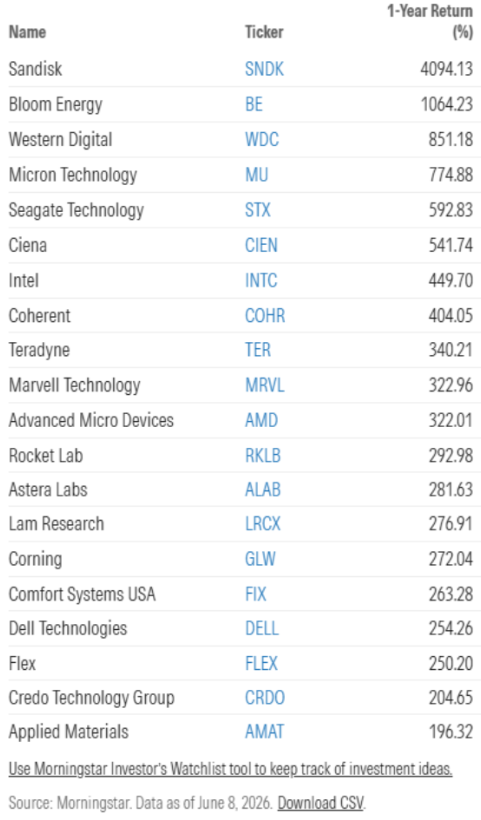
Mid-2026 Economic Signals: Concurrently, economic indicators painted a surprisingly robust picture. The Bank of America Institute’s report on consumer spending in May was particularly noteworthy. A 5.1% year-over-year increase in total card spending, marking the strongest growth in almost four years, indicated that the American consumer, a crucial engine of economic growth, remained resilient. This strength defied earlier predictions of a slowdown, suggesting that factors like wage growth, accumulated savings, or simply an enduring desire for consumption were outweighing the dampening effects of higher borrowing costs.
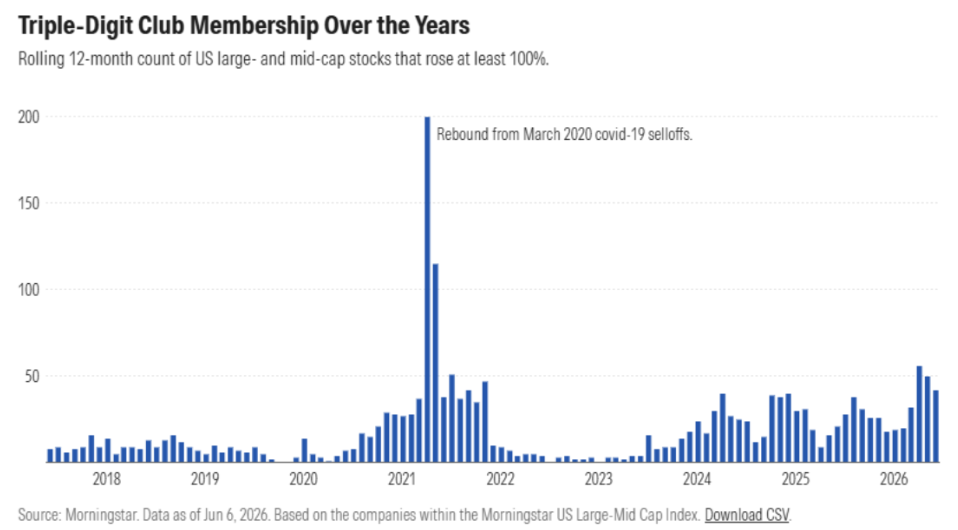
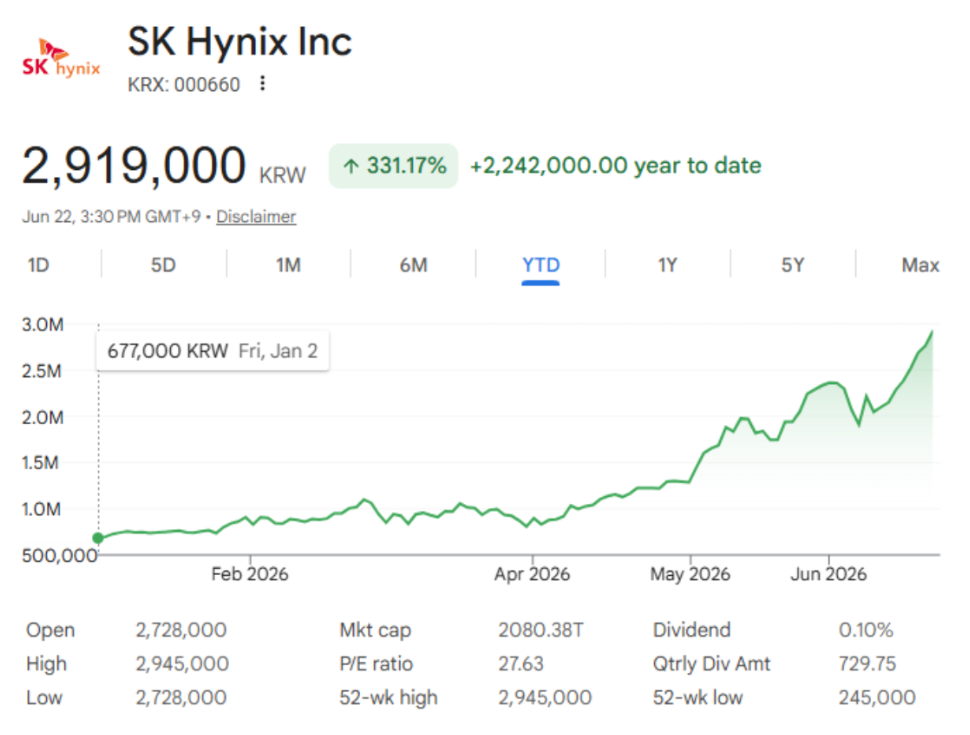
Technological Leaps: The middle of 2026 has also seen significant breakthroughs and investments in next-generation technology. The rapid rise of the Roundhill Memory ETF ($DRAM), hitting $20 billion in AUM in record time, underscores the market’s conviction in the continued exponential growth of data processing and storage, particularly driven by the insatiable demands of artificial intelligence. This fund’s trajectory suggests that investors are actively seeking exposure to the foundational components of the AI revolution.
Further exemplifying this innovation is Panthalassa’s $140 million funding round for ocean-based AI data centers. This concept, utilizing wave power and seawater cooling, represents a radical departure from traditional energy-intensive, land-locked data infrastructure. It highlights a growing imperative to find sustainable and scalable solutions for the ever-increasing computational needs of AI, addressing both environmental concerns and the physical limitations of existing power grids. The mention of a "Midjourney Scanner" also points to continued advancements in AI-driven content creation and analysis tools.
Societal and Cultural Shifts: Beyond finance and technology, the episode also touches upon evolving societal interests. The dramatic decline in the share of prediction market volume dedicated to politics and economics (from >90% to <6% in two years) suggests a shift in public engagement or perhaps a saturation of traditional prediction topics. This necessitates platforms to innovate and introduce new, perhaps more niche or entertainment-focused, prediction opportunities to maintain relevance.
Finally, the record-breaking success of Pixar’s "Toy Story 5" at the box office offers a counter-narrative to the prevailing discussions about streaming dominance. Its $160 million domestic opening underscores the enduring appeal of quality cinematic experiences and established franchises, demonstrating that audiences are still willing to flock to theaters for compelling storytelling.
Supporting Data and Market Insights
The "Animal Spirits" podcast effectively uses specific data points to anchor its discussions.
Retail Market Indicators:
- Citadel Securities Data (SpaceX IPO): As a major market maker, Citadel’s observation of record retail buying on the SpaceX IPO day is a significant indicator of concentrated speculative interest. This often signals a "hot" market segment where individual investors are actively participating, potentially driven by hype or the perception of quick gains.
- VandaTrack Data (Overall Retail Selling): The concurrent decline in overall single-stock net buying, as reported by VandaTrack, provides a crucial counterpoint. It suggests that while specific events can draw massive retail attention, the broader retail investor base might be more discerning, or perhaps more heavily invested in diversified funds rather than individual equities. This bifurcation can indicate a more mature, albeit still sentiment-driven, retail market compared to previous speculative bubbles.
- Roundhill Memory ETF ($DRAM) Growth: The rapid asset accumulation by $DRAM is a testament to the market’s enthusiasm for AI-enabling technologies. This ETF’s performance serves as a proxy for the intense capital allocation towards sectors critical for AI development, such as semiconductor memory. Its record-breaking pace signifies a powerful thematic investment trend that transcends typical market cycles.
Economic Health Metrics:
- BofA Institute Consumer Spending Report (May 2026): The 5.1% YoY increase in card spending is a robust signal for economic health. Consumer spending accounts for a significant portion of GDP, and such strong growth suggests that recessionary fears may be overblown, at least for the immediate future. This data point would likely fuel discussions on the sustainability of consumer demand in the face of ongoing inflation and interest rate policies.
Future-Oriented Technology:
- Panthalassa Funding ($140M): This investment in ocean-based data centers highlights a proactive approach to addressing the massive energy consumption and environmental footprint of AI infrastructure. It points towards a future where data centers might be more decentralized, sustainable, and less reliant on conventional power grids, potentially opening new geographical regions for tech development.
- Midjourney Scanner: While details are sparse, the mention of a "technical dive" into a new Midjourney Scanner suggests ongoing advancements in AI’s ability to interpret, generate, and manipulate visual information, further blurring the lines between human and machine creativity.
Real Estate and Social Trends:
- Housing Market Projections (Simonsen & Coste): The analysis of home sales normalization, lock-in effect, and the impact of 6.5% rates are crucial for understanding the real estate sector. The "lock-in" effect, where homeowners are reluctant to sell due to having secured much lower mortgage rates, continues to constrain supply. The discussion would likely revolve around how long this dynamic can persist and what level of interest rate reduction would be needed to unlock inventory.
- Prediction Market Shift: The dramatic reduction in political and economic prediction market volume indicates a need for innovation within these platforms. It could suggest that users are finding traditional topics less engaging or that the information being generated isn’t sufficiently novel or actionable.
Official Responses and Analytical Perspectives
While the "Animal Spirits" podcast itself provides the analysis, the hosts often draw upon the implicit "official responses" of the market, economic data releases, and expert commentary to form their perspectives.
Regarding the retail trading surge for SpaceX, market analysts would likely interpret this as a classic example of "event-driven speculation." The sheer scale of the IPO and the charismatic leadership associated with SpaceX create a powerful narrative that can override traditional valuation metrics for individual investors. However, the accompanying VandaTrack data serves as a vital counter-narrative, suggesting that while specific events draw attention, the broader retail market has matured since the meme stock frenzy of earlier years, with more investors perhaps favoring index funds or more established companies for their core portfolios.
The explosion of the $DRAM ETF is a clear market signal that institutional and retail investors alike are heavily betting on the foundational technologies of AI. This isn’t just a speculative fad; it’s a conviction play on the infrastructure required to power the next generation of computing. "Official responses" from industry leaders in semiconductors and cloud computing would likely reinforce the long-term demand for memory and processing power, justifying the ETF’s rapid growth.
The robust consumer spending figures from the BofA Institute would likely be met with cautious optimism by economists. While indicating economic resilience, it also raises questions about the stickiness of inflation and the Federal Reserve’s future monetary policy decisions. Strong consumer demand, if sustained, could make the Fed’s job of bringing inflation down to target more challenging, potentially delaying rate cuts or even leading to further tightening if wage growth accelerates significantly.
The innovative Panthalassa project represents a forward-thinking response to the environmental and logistical challenges posed by the exponential growth of AI. This is an "official response" from the startup world to a pressing global problem, demonstrating how private capital is being deployed to find sustainable infrastructure solutions. Regulators and environmental bodies would likely view such initiatives favorably, as they align with broader goals of decarbonization and resource efficiency.
The decline in traditional prediction market volume is a call to action for the platforms themselves. It’s an "official response" from users indicating a lack of engagement with existing offerings. This pushes platforms to innovate, creating more dynamic, diverse, and perhaps gamified prediction opportunities that capture evolving user interests.
In the housing market, the projections from Mike Simonsen and Jonah Coste represent a consensus among real estate economists. Their analysis on the "lock-in" effect is a widely accepted explanation for low transaction volumes, even as prices remain firm in many areas. The "official response" from the housing market itself is one of stasis, awaiting a significant shift in interest rates or economic conditions to unlock inventory and stimulate sales.
Finally, the "Toy Story 5" box office success is a strong "official response" from moviegoers that theatrical releases, particularly for beloved franchises, still hold immense cultural and commercial power. This challenges the narrative that streaming has completely supplanted the cinema experience, suggesting a continued symbiotic relationship between the two, with high-quality, event-level films still drawing crowds.
Implications for Investors and the Economy
The diverse topics covered in the "Animal Spirits" episode carry significant implications for various stakeholders.
For Investors:
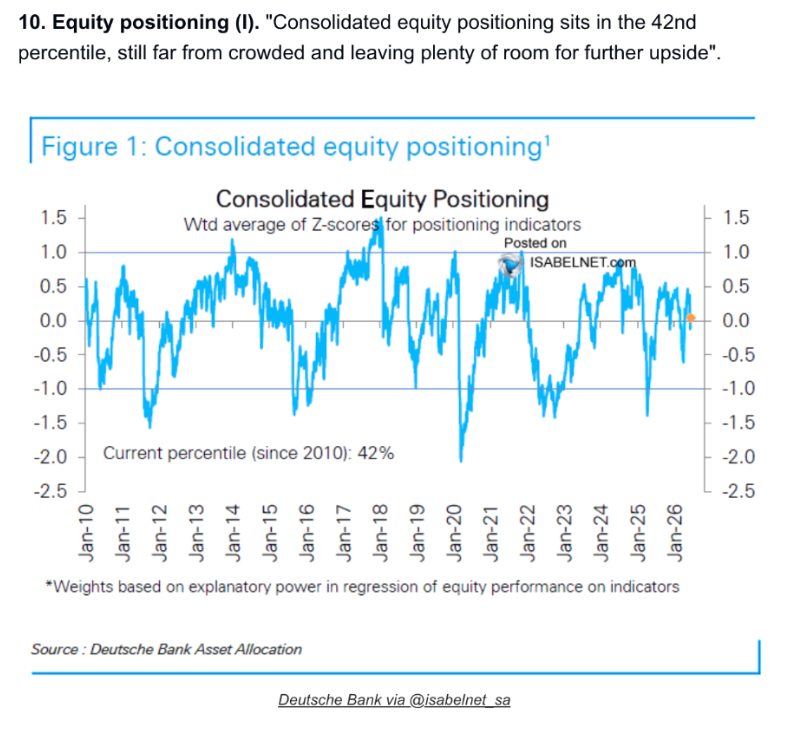
- Navigating Retail Sentiment: Investors need to be acutely aware of the dual nature of retail engagement. While high-profile IPOs can generate significant short-term momentum, broader market participation may be more subdued. This suggests a need for discernment: distinguishing between genuine investment opportunities and speculative bubbles fueled by temporary hype.
- Thematic Investing in AI: The success of the $DRAM ETF underscores the power of thematic investing, particularly in the AI space. Investors looking for growth may continue to find opportunities in companies that provide the foundational hardware and infrastructure for artificial intelligence. However, the rapid growth also signals potential for crowded trades and increased volatility.
- Diversification and Long-Term View: The mixed signals from retail trading, combined with robust consumer spending and the underlying strength of the economy, reinforce the importance of a diversified portfolio. Chasing every "hot" stock or sector can be perilous, while a long-term, broadly diversified approach remains prudent.
- Real Estate Market Patience: For those looking to buy or sell homes, the "lock-in" effect implies that the housing market may remain illiquid for some time. Buyers might face limited inventory, while sellers might struggle to find suitable replacement properties without sacrificing their current low mortgage rates. Patience and strategic planning will be key.
For the Broader Economy:
- Sustainable Growth Challenges: While strong consumer spending is a positive sign, it also means inflationary pressures could persist longer than anticipated. This might compel central banks to maintain higher interest rates for an extended period, potentially slowing economic growth in other sectors sensitive to borrowing costs.
- Energy Transition in Tech: The investment in ocean-based data centers highlights a critical shift towards sustainable infrastructure in the tech sector. As AI’s computational demands grow, the development of green energy solutions will become paramount, influencing energy markets and infrastructure development globally.
- Innovation in Financial Products: The decline in traditional prediction market engagement signals a need for financial platforms to continually innovate and adapt to changing user preferences. This could lead to the emergence of new, more engaging, and perhaps gamified investment and prediction tools.
- Resilience of Traditional Entertainment: The strong box office performance of "Toy Story 5" indicates that traditional entertainment mediums, when executed well, can still thrive in a fragmented media landscape. This has implications for content creators, studios, and exhibition businesses, suggesting that premium, communal experiences retain significant value.
In conclusion, the latest "Animal Spirits" episode, while brief in its original presentation, opens a window into a complex and fascinating economic and market reality. Ben Carlson and Michael Batnick, through their discussion of these varied data points, offer listeners not just information, but a framework for critical thinking about the forces shaping our financial future. The podcast serves as a timely reminder that even in periods of rapid change, understanding the underlying "animal spirits" of the market remains crucial for navigating uncertainty and identifying opportunity.