"Animal Spirits" Podcast Unpacks Market Dynamics, Investment Strategies in Latest Invesco-Sponsored Episode
New York, NY – June 8, 2026 – The acclaimed financial podcast "Animal Spirits," hosted by Ben Carlson and Michael Batnick of Ritholtz Wealth Management, released its latest episode today, offering listeners an in-depth exploration of current market dynamics and pressing investment strategies. Sponsored by global investment management firm Invesco, the episode features the popular "Talk Your Book" segment, providing a timely and data-driven discussion aimed at equipping investors with critical insights for navigating today’s complex financial landscape.
The episode, which went live on June 8, 2026, delves into a series of crucial economic indicators and market trends, supported by a compelling visual presentation of charts and data points. Listeners are invited to access the full discussion via the Animal Spirits podcast feed and engage with the visual aids provided on the accompanying blog post on A Wealth of Common Sense.
The Latest Market Dialogue: "Talk Your Book" Segment Illuminates Future Trends
The "Talk Your Book" segment, a cornerstone of the "Animal Spirits" podcast, provides a unique platform for sponsors to share their expertise and insights, often focusing on specific investment themes, products, or market outlooks. In this latest installment, Invesco, a leader in the asset management industry, leveraged the segment to address key areas of concern and opportunity for both institutional and retail investors. While the specific focus of Invesco’s "Talk Your Book" segment for this episode was not explicitly detailed in the provided snippet, the context of their global presence and diverse offerings suggests a discussion likely centered on broad market trends, perhaps thematic investing, or an analysis of specific asset classes experiencing significant shifts.
Given the typical structure of "Talk Your Book," an expert from Invesco would have joined Carlson and Batnick to present a proprietary view on a specific sector, a macro-economic outlook, or perhaps the evolving role of passive versus active management in a rapidly changing market environment. This segment serves as a valuable resource, offering listeners direct access to the perspectives of industry leaders and often introducing new frameworks for understanding market behavior or investment opportunities. The collaboration between "Animal Spirits" and Invesco underscores a shared commitment to financial education and informed decision-making in the investment community.
Chronology of Insights: A Deep Dive into Market Evolution
The episode’s structure is designed to guide listeners through a logical progression of market analysis, starting from broad economic forces and narrowing down to specific investment implications. The discussion, anchored by the conversational yet incisive style of Carlson and Batnick, likely unfolded with an initial overview of the global economic climate, touching upon persistent inflationary pressures, central bank monetary policies, and geopolitical factors influencing market sentiment.
The hosts typically kick off their discussions by reviewing recent market performance, highlighting significant shifts in major indices or asset classes. This episode, released in mid-2026, would logically address the preceding months’ market behavior, reflecting on whether growth stocks continued their dominance, if value stocks saw a resurgence, or how alternative investments performed amidst varying economic signals. The presence of multiple charts in the accompanying blog post strongly suggests a sequential exploration of these topics, allowing the hosts and their guests to visually illustrate complex data points and trends, making them more accessible to a broad audience.
From there, the conversation would likely pivot to more granular topics. For instance, following a broad market overview, the hosts might transition into a discussion of sector-specific performance, identifying industries that are outperforming or underperforming and analyzing the underlying drivers. This could involve examining the impact of technological innovation, supply chain resilience, or evolving consumer behaviors. The "Talk Your Book" segment with Invesco would then naturally fit into this chronological flow, providing a deeper dive into a particular area of expertise or a specific investment solution offered by the sponsor, such as a focused ETF or a managed fund strategy designed to capitalize on the identified trends. The episode would likely conclude with actionable takeaways and a forward-looking perspective, empowering listeners to apply the discussed insights to their own financial planning.
Dissecting the Data: Key Charts and Market Insights
The blog post accompanying the "Animal Spirits" episode features several charts, which serve as the visual backbone of the discussion. While the specific content of these charts is not detailed, their inclusion is pivotal to understanding the episode’s analytical depth. Based on typical financial market analysis and the known focus of "Animal Spirits," we can infer the likely topics illuminated by these visual aids.
Chart 1: Global Market Performance Overview
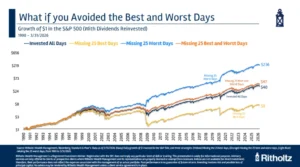
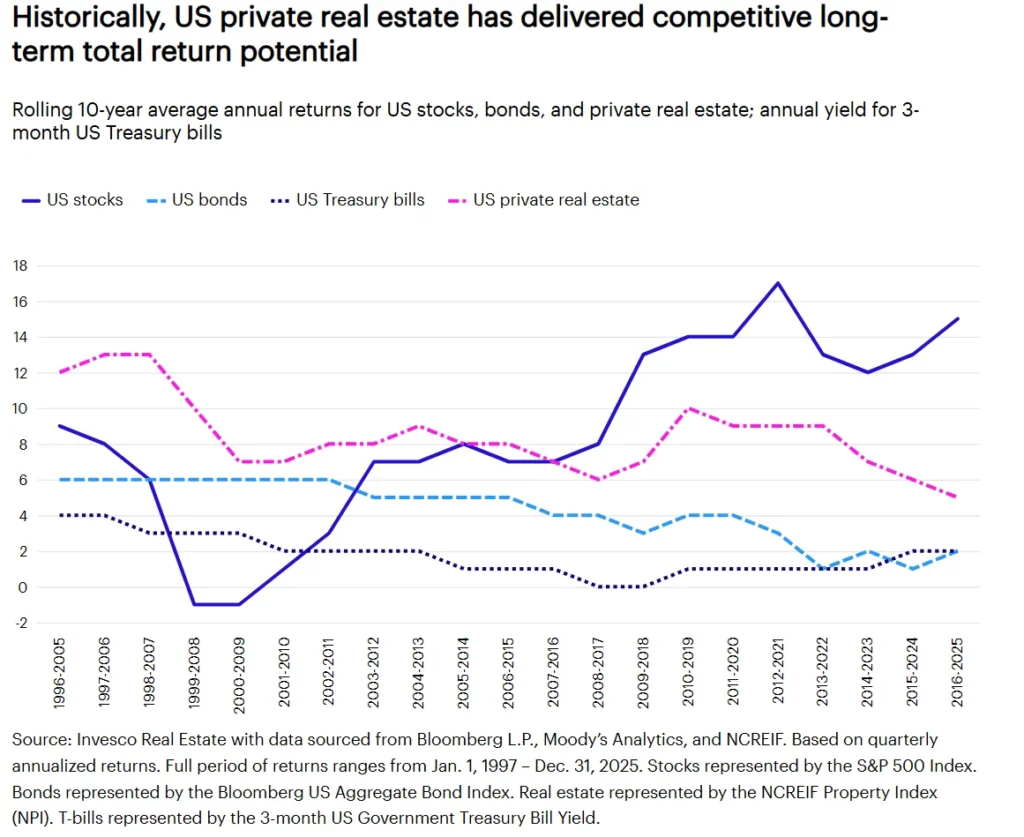
The first chart (implied by Screenshot-2026-06-05-145324.png) likely provided a broad overview of global market performance. It might have depicted the year-to-date returns of major equity indices such as the S&P 500, NASDAQ Composite, MSCI World, and perhaps key regional indices like the Euro Stoxx 50 or the Nikkei 225. This chart would serve to establish the current market context, illustrating periods of growth, consolidation, or volatility leading up to June 2026. For example, it could have shown a robust recovery from earlier economic headwinds, or conversely, a period of sustained sideways movement as markets grappled with inflation and interest rate uncertainty. A line graph comparing the performance of different asset classes – equities, fixed income, commodities – could also have been presented, highlighting diversification benefits or challenges in the prevailing market environment.
Chart 2: Inflationary Trends and Central Bank Policy
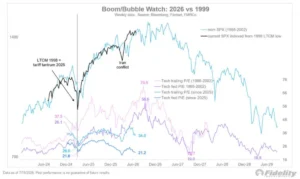
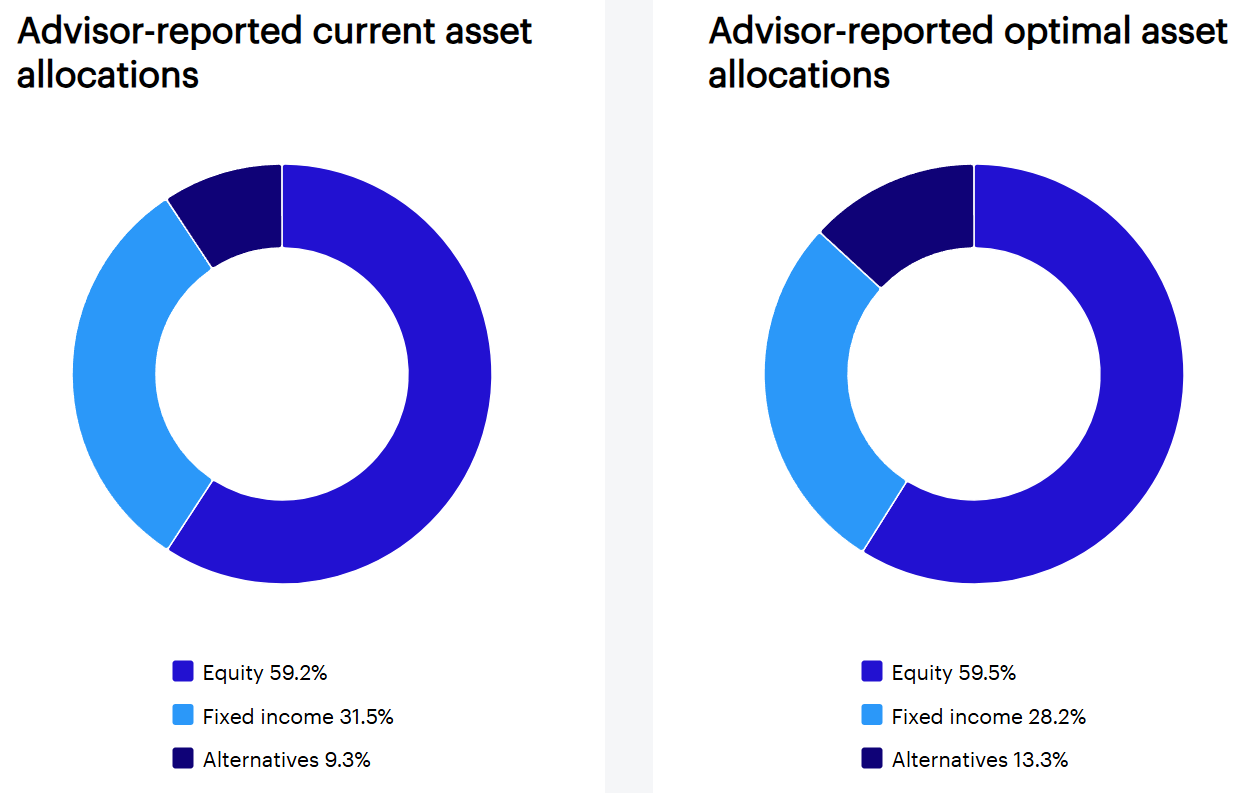
The second chart (implied by Screenshot-2026-06-07-191210.png) almost certainly focused on macroeconomic indicators, particularly inflation and interest rates, which have been dominant themes in global financial markets. This chart could have visualized the Consumer Price Index (CPI) or Personal Consumption Expenditures (PCE) data over several years, showing the trajectory of inflation relative to central bank targets. Accompanying this, a second line graph or overlaid data might have displayed the Federal Funds Rate or other benchmark interest rates, illustrating the impact of monetary policy decisions. The chart could have highlighted the persistent nature of inflation, or perhaps a recent moderation, and its implications for future central bank actions, setting the stage for discussions on bond yields, corporate earnings, and sector rotations. The dynamic interplay between inflation and central bank responses would have been a central point of analysis.
Chart 3: Sectoral Performance and Thematic Investing
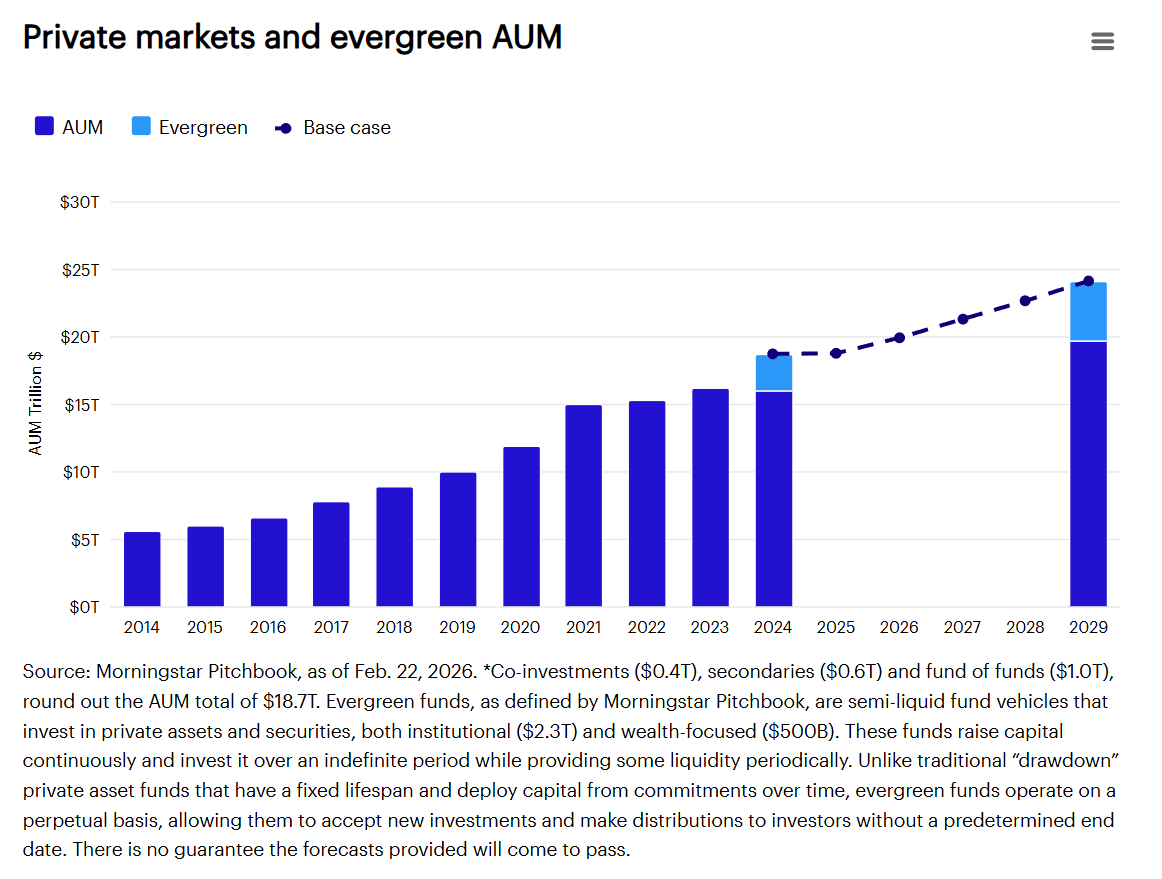
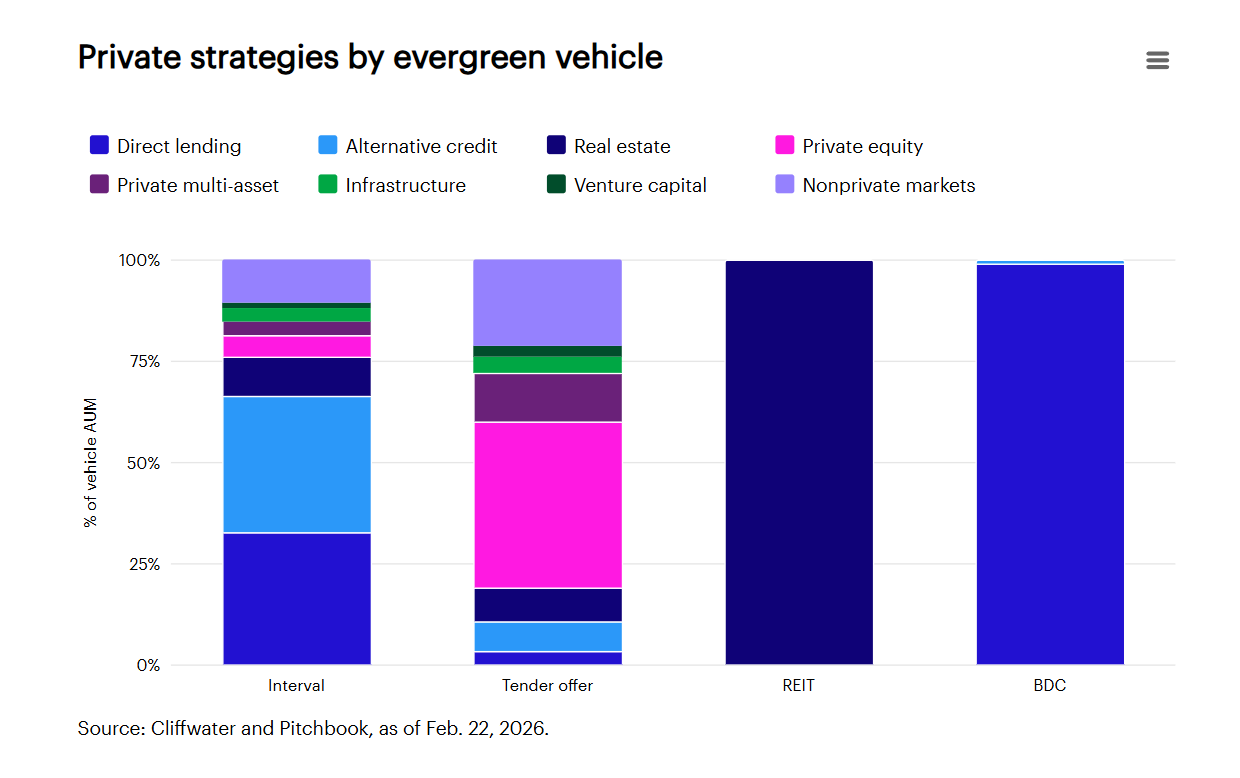
The third chart (implied by Screenshot-2026-06-07-191252.png) likely drilled down into specific market segments. It might have presented a bar chart or heat map showcasing the performance of various S&P 500 sectors (e.g., Technology, Healthcare, Financials, Energy) over a specific period. This would allow for an analysis of which sectors were leading or lagging, and why. Alternatively, given Invesco’s presence, it could have focused on thematic investing trends, such as the growth of Artificial Intelligence (AI) related stocks, renewable energy, or cybersecurity. The chart could have compared the returns of these thematic baskets against broader market indices, demonstrating the potential alpha generated by targeted investments or highlighting areas of speculative fervor. Such a chart would facilitate a discussion on portfolio construction and the strategic allocation of capital in a rapidly evolving economic landscape.
Chart 4: Investor Sentiment and Behavioral Finance
The fourth chart (implied by Screenshot-2026-06-07-191442.png) often delves into the realm of investor sentiment or behavioral finance, a topic frequently explored by Carlson and Batnick. This chart could have illustrated survey data on investor confidence, market fear/greed indices, or retail investor trading activity. For instance, it might have shown a divergence between professional and retail investor sentiment, or periods of extreme optimism or pessimism that often precede market turning points. Another possibility is a chart on wealth distribution or household savings rates, providing context on consumer spending power and its impact on the economy. By visually representing these psychological or societal factors, the hosts could underscore the importance of disciplined investing and avoiding emotionally driven decisions, a recurring theme in their discussions.
Expert Perspectives and Sponsor Insights
Ben Carlson and Michael Batnick, known for their pragmatic and evidence-based approach to investing, would have provided incisive commentary on these charts. Their discussions typically balance academic research with real-world application, making complex financial concepts accessible.
On the global market performance, Carlson might have emphasized the importance of long-term perspective over short-term fluctuations, possibly referencing historical market cycles. Batnick could have added nuance by discussing the concentration risks in leading indices or the divergent performance across different market capitalizations. Their collective insight would have guided listeners to look beyond headlines and understand the underlying drivers of market movements.
Regarding inflation and interest rates, the hosts would likely have dissected the implications of central bank policies on various asset classes. Carlson might have highlighted how higher interest rates impact bond valuations and corporate borrowing costs, while Batnick could have explored the potential for inflation to erode purchasing power, advocating for inflation-hedging strategies or discussing the "sticky" vs. "transitory" debate that has characterized recent years.
The discussion on sectoral performance and thematic investing would have seen the hosts analyze the sustainability of current trends. They often caution against chasing performance, instead advocating for a diversified approach. Batnick might have brought up historical examples of bubbles in specific sectors, while Carlson could have provided a framework for evaluating the long-term viability of emerging technologies and their associated investment opportunities.
Finally, on investor sentiment, both hosts are keen observers of behavioral biases. They would likely have used the chart to illustrate how herd mentality or emotional responses can lead to suboptimal investment decisions. Their advice would center on maintaining a disciplined investment strategy, rebalancing portfolios, and focusing on personal financial goals rather than market noise.
Invesco’s contribution through the "Talk Your Book" segment would have seamlessly integrated with these broader discussions. An Invesco representative would have presented their firm’s research or investment solutions that directly address the trends highlighted by the charts. For example, if the charts indicated strong growth in thematic sectors, Invesco might have discussed their range of thematic ETFs. If the conversation centered on navigating inflation, they could have highlighted specific fixed income or alternative investment strategies designed for such environments. Their insights would have been presented not merely as product pitches, but as expert analysis grounded in the data, reinforcing Invesco’s position as a thought leader in asset management. The disclaimers prominently featured in the original article underscore the professional and regulatory environment in which such expert commentary is delivered, ensuring transparency and responsible communication of investment ideas.
Navigating the Future: Implications for Investors
The implications of this "Animal Spirits" episode for investors are multifaceted. Firstly, by providing a structured analysis of key market data, the podcast empowers listeners with a clearer understanding of the current economic landscape. This knowledge is crucial for making informed decisions, whether it involves adjusting asset allocations, evaluating new investment opportunities, or simply understanding the forces that impact their existing portfolios.
The discussion on inflation and central bank policies, for example, helps investors understand the potential erosion of purchasing power and the importance of constructing portfolios that can withstand or even benefit from changing monetary environments. The focus on sectoral and thematic trends offers insights into where growth might be concentrated, but also cautions against overexposure to potentially frothy areas.
Furthermore, the behavioral finance aspect reminds investors of the human element in market dynamics. Recognizing biases and understanding market sentiment can help individuals avoid common pitfalls like panic selling or FOMO (fear of missing out) driven buying. The overarching implication is the reinforcement of a disciplined, long-term investment philosophy, which is a consistent message from Ben Carlson and Michael Batnick.
For financial advisors and wealth managers, the episode provides valuable talking points and data-backed insights to share with their clients. The "Talk Your Book" segment, in particular, showcases how institutional perspectives can be integrated into broader investment strategies, offering solutions that align with current market realities and future projections. The partnership with Invesco highlights the importance of leveraging diverse expertise to navigate complex financial terrains, ultimately aiming to foster greater financial literacy and resilience among the investing public.
Engage and Explore Further
Listeners keen to delve deeper into these discussions are encouraged to tune into the "Animal Spirits" podcast directly via the provided link: https://podcasts.thecompoundnews.com/show/animalspirits/. The accompanying charts, crucial for a comprehensive understanding of the episode’s analytical depth, are available on the A Wealth of Common Sense blog post where the episode was initially announced.
Beyond the podcast, "Animal Spirits" maintains an active presence across various platforms, offering additional content and fostering a vibrant community around financial education. Followers can connect with the hosts and gain further insights by following them on Instagram and subscribing to their YouTube channel. For those who wish to support the show and showcase their affinity for informed financial discourse, a range of official merchandise, including t-shirts, stickers, and coffee mugs, is available through idontshop.com.
The continuous efforts by Ben Carlson and Michael Batnick, supported by valuable sponsorships like that from Invesco, underscore the growing importance of accessible, high-quality financial commentary in an increasingly interconnected and dynamic global economy.
Important Disclosures:
Nothing in this blog constitutes investment advice, performance data or any recommendation that any particular security, portfolio of securities, transaction or investment strategy is suitable for any specific person. Any mention of a particular security and related performance data is not a recommendation to buy or sell that security. Any opinions expressed herein do not constitute or imply endorsement, sponsorship, or recommendation by Ritholtz Wealth Management or its employees.
The Compound Media, Inc., an affiliate of Ritholtz Wealth Management, received compensation from the sponsor of this advertisement. Inclusion of such advertisements does not constitute or imply endorsement, sponsorship or recommendation thereof, or any affiliation therewith, by the Content Creator or by Ritholtz Wealth Management or any of its employees. Investing in speculative securities involves the risk of loss. Nothing on this website should be construed as, and may not be used in connection with, an offer to sell, or a solicitation of an offer to buy or hold, an interest in any security or investment product.