Waymo Resumes San Francisco Operations Following Temporary Blackout-Induced Service Pause
By TechCrunch Editorial Staff
Updated: July 18, 2026, 12:30 PM PDT
Executive Summary: A City Briefly Without Robotaxis
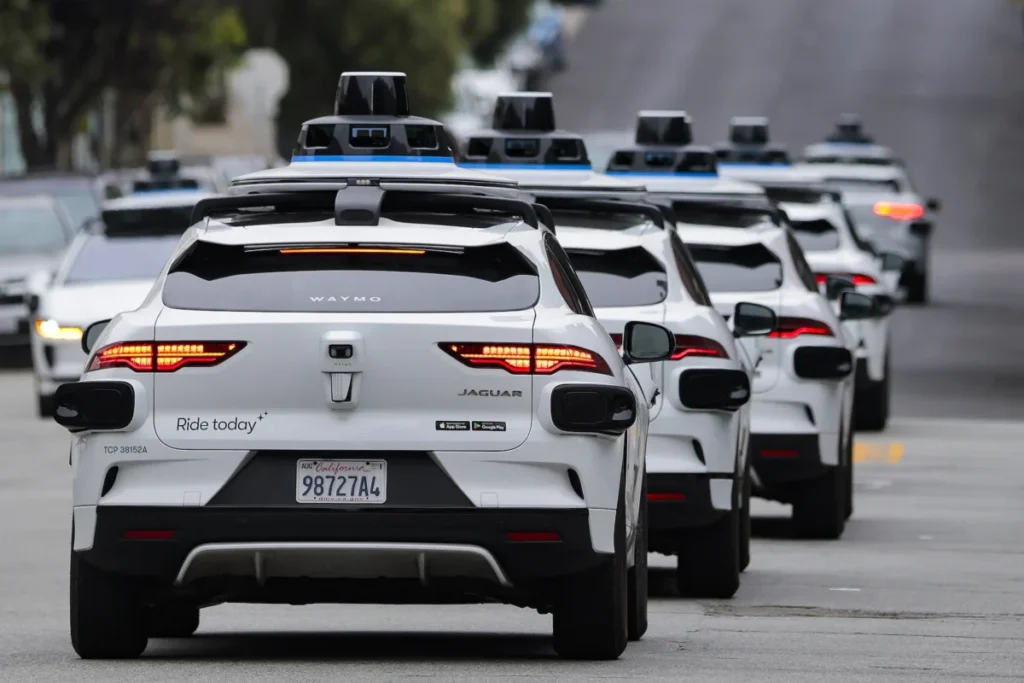
On July 18, 2026, Alphabet-owned autonomous vehicle (AV) operator Waymo briefly suspended its robotaxi services across parts of San Francisco. The pause, which lasted approximately one hour, was triggered by a significant power outage that impacted roughly 7,000 PG&E customers throughout the city.
The suspension served as a stark reminder of the fragile dependency of autonomous infrastructure on the stability of urban utility grids. While the service has since returned to normal operations, the event has reignited a fierce public and political debate regarding the safety, reliability, and regulatory oversight of driverless vehicles in densely populated metropolitan environments.
Chronology of the Incident: A Rapid Response
The disruption began mid-day on July 18, as reports of a localized but impactful power grid failure emerged. As traffic signals and municipal infrastructure flickered, Waymo’s internal monitoring systems—designed to detect anomalies in the operating environment—identified a potential safety risk.
- 11:00 AM (approx.): A localized power failure hits San Francisco, affecting residential and commercial sectors, including critical transit corridors.
- 11:30 AM (approx.): Waymo users across the city report receiving notifications via the app that service is "temporarily paused." Simultaneously, social media users shared screenshots indicating that "freeway routes are unavailable."
- 12:00 PM: Waymo officials confirm to the public that the pause was a strategic decision to assess the scale of the blackout and coordinate with local emergency responders.
- 12:30 PM: Following an assessment of the power grid’s stability and the status of traffic management systems, Waymo announced that normal operations had resumed.
The company emphasized that the hour-long window was not a system failure, but a precautionary "operational adjustment" intended to ensure the safety of passengers and other road users in an environment where standard traffic infrastructure may have been compromised.
Supporting Data: The Vulnerability of AV Networks
This incident is not an isolated event; it is the latest in a series of challenges that have plagued the rapid deployment of autonomous vehicles in San Francisco.
Data from the past 18 months illustrates a growing trend of "grid-induced" failures. In December 2025, a significant blackout in San Francisco resulted in multiple Waymo vehicles stalling in the middle of active traffic lanes. The incident, which caused widespread gridlock and drew significant criticism from local transit advocates, highlighted the potential for AVs to become stationary obstacles when connectivity or power systems fluctuate.
Similarly, during the Fourth of July celebrations earlier this month, a surge in demand and a related infrastructure strain led to a localized paralysis of robotaxi traffic near the Golden Gate Bridge. These repeat occurrences suggest that while Waymo’s artificial intelligence excels at navigating predictable traffic patterns, the "edge cases" presented by municipal power failures remain a significant hurdle for the company’s long-term scaling efforts.
Official Responses: Navigating the Political Friction
The response to the July 18 disruption has been swift, with both the corporate entity and municipal government providing starkly different perspectives on the incident.
The Waymo Perspective
In a formal statement provided to TechCrunch, a Waymo spokesperson clarified the company’s decision-making process: "We are making temporary adjustments to our service while we monitor local conditions. We know riders depend on us, and we will return to normal operations as soon as possible."

The spokesperson further elaborated on the intent behind the move: "We decided to pause service for approximately one hour to assess the scale of the power outage affecting a large portion of San Francisco and to coordinate with local officials." The tone from the company remains one of caution, emphasizing that the primary objective was not to keep vehicles moving at all costs, but to prioritize the safety of their passengers when the urban environment becomes unpredictable.
The Municipal Perspective
San Francisco Mayor Daniel Lurie has taken a markedly more critical stance. In the wake of this latest incident, Mayor Lurie has doubled down on his call for more robust state-level regulations.
"We cannot have our transit network held hostage by systemic failures in our utility grid, nor can we allow autonomous vehicle fleets to turn into static road hazards during emergencies," the Mayor’s office stated in a recent briefing. The administration is pushing for a regulatory framework that would require AV companies to demonstrate "failsafe" operational procedures that go beyond simply pausing a fleet. This includes requirements for real-time communication with the city’s Office of Emergency Management and the potential for manual remote-override protocols that ensure vehicles can clear intersections even when power is lost.
Implications for the Future of Autonomous Transit
The July 18 incident serves as a bellwether for the future of urban mobility. As cities move toward "smart" infrastructure, the integration of autonomous fleets into the urban fabric creates a complex dependency loop.
1. Infrastructure Resilience
The recurring nature of these blackouts suggests that current urban power grids may be ill-equipped to support the high-demand, high-connectivity requirements of a full-scale robotaxi network. If the future of transportation is autonomous, the future of municipal infrastructure must be high-availability. This may necessitate dedicated, redundant power lines for traffic management and AV charging infrastructure.
2. Regulatory Evolution
The friction between companies like Waymo and city governments is reaching a boiling point. The demand for "tougher rules" from Mayor Lurie is likely to gain traction in other cities currently piloting or operating autonomous fleets. We can expect to see future legislation that mandates specific "emergency mode" behaviors for AVs—such as the ability to autonomously relocate to designated "safe zones" in the event of a city-wide power loss.
3. Public Trust
Public perception is perhaps the most fragile component of the AV revolution. While a one-hour delay may seem trivial to a tech-savvy early adopter, it can be a significant disruption for a commuter relying on the service to get to work or a medical appointment. Each incident of "stalling" or "pausing" reinforces the narrative that autonomous vehicles are still experimental. To win the public, Waymo must demonstrate not just that their cars can drive, but that they can handle the unpredictability of a modern city with the same—or better—reliability than a human driver.
Conclusion: A Balancing Act
The events of July 18, 2026, demonstrate that Waymo’s technology has matured enough to detect and respond to environmental threats, but it also underscores the reality that the company operates at the mercy of the city’s broader infrastructure. As the debate over state-level regulations intensifies, the outcome will likely define the parameters under which autonomous vehicles can operate in the future.
For now, San Francisco remains the primary laboratory for this high-stakes experiment. Whether the city will successfully integrate these machines into its daily life or if the "Waymo traffic fiasco" becomes a permanent fixture of urban life remains to be seen. As the company looks to expand, the lessons learned from this hour-long outage will be critical in shaping the next generation of autonomous urban transit.
This report will continue to be updated as more information regarding the cause of the power outage and subsequent policy changes becomes available.