The Unspoken Heartbreak of Pet Ownership: A Candid Reflection on Letting Go
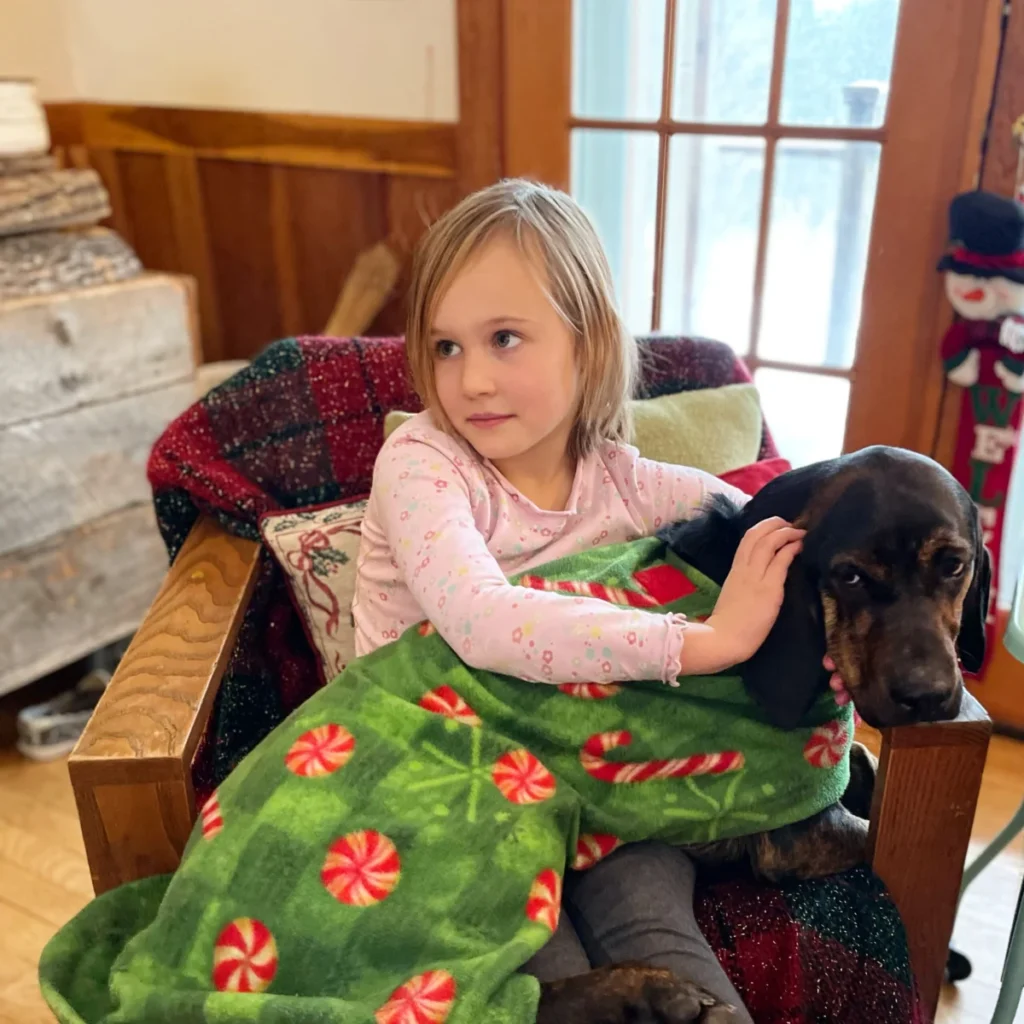
For many families, a dog is more than just a pet; it is a central pillar of the household, a source of unconditional love, and a catalyst for shared memories. However, the reality of integrating a rescue animal into a home is rarely as seamless as the storybooks suggest. Recently, a poignant and deeply personal account emerged from a family struggling to reconcile the dream of pet ownership with the harsh, unpredictable realities of canine behavioral issues. The experience, which involved the rescue of a hound named Genevieve (Gigi), serves as a cautionary tale about the emotional, financial, and logistical complexities that can arise when the best intentions collide with unmanageable circumstances.
The Arrival: A Chance Encounter in the Woods
The saga of Gigi began in late September in the quiet, rural landscape of Vermont. Found emaciated and covered in scratches, the hound appeared in the yard of a close family friend. Initial efforts to identify an owner—scanning for microchips, checking local tags, and posting advertisements—yielded nothing. It was hypothesized that the dog had likely been separated from a hunting pack, left to navigate the wilderness alone.
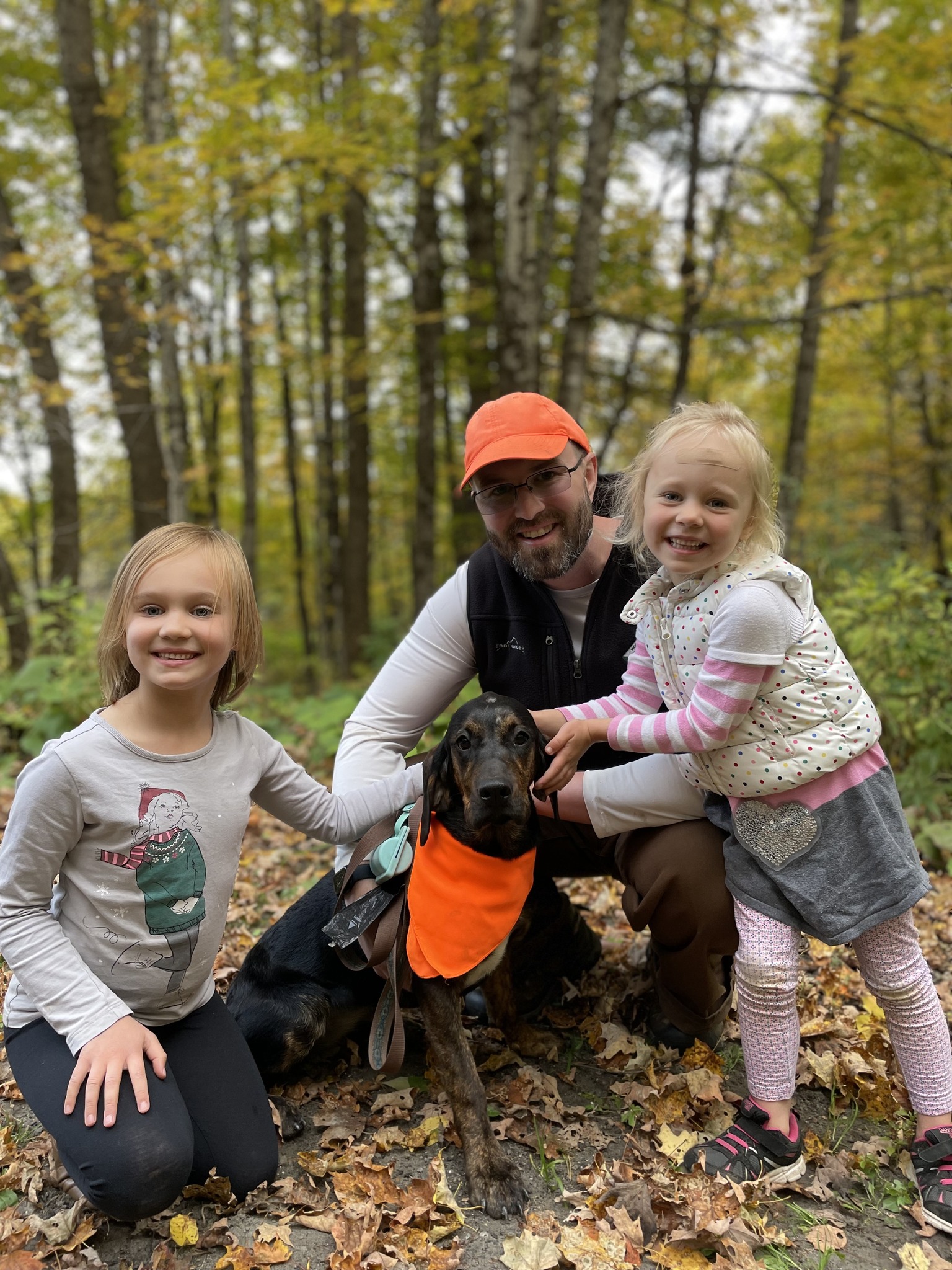
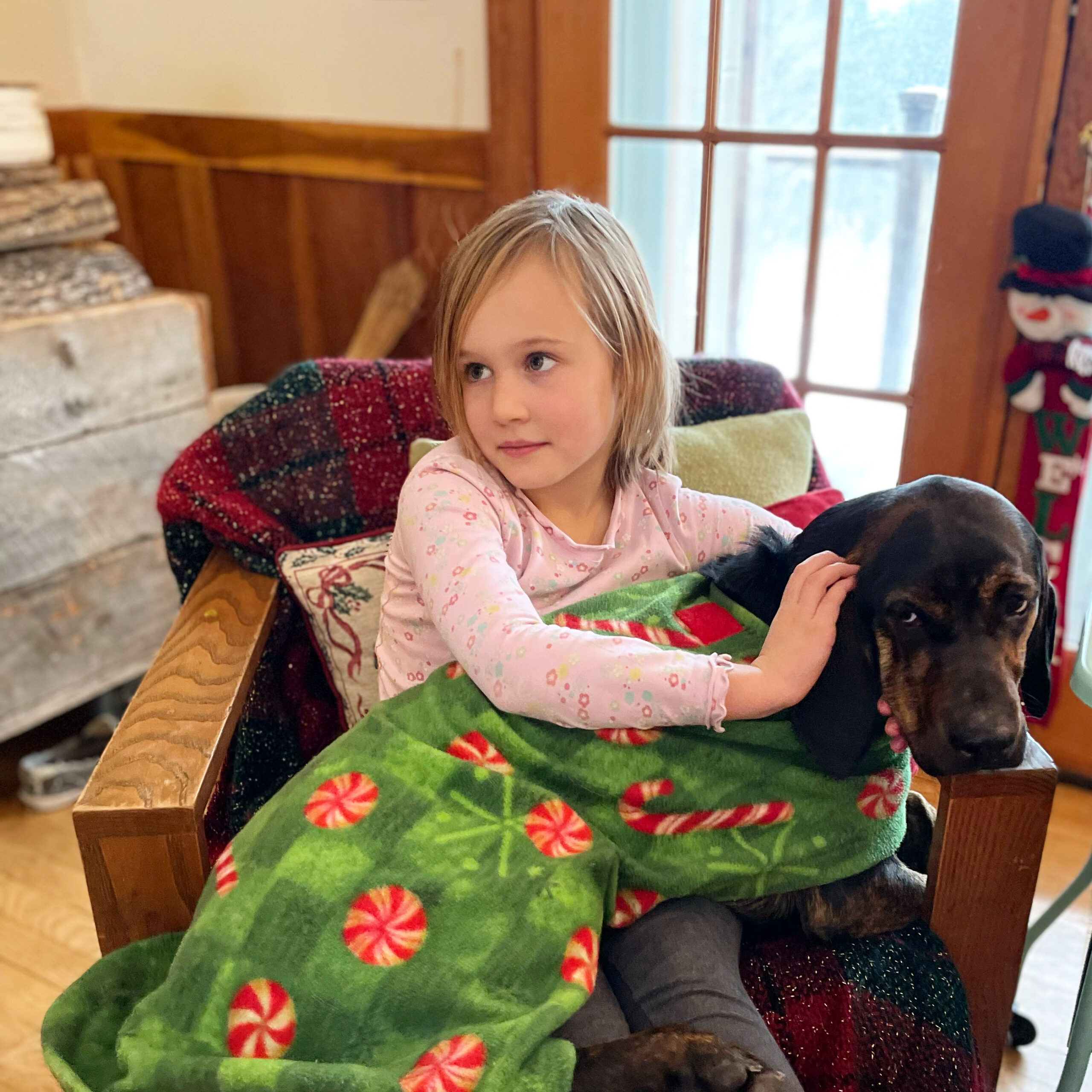
The family, having recently experienced the loss of their own beloved hound, felt an immediate, magnetic connection to the stray. Recognizing that their friends could not accommodate a second dog, the family stepped in. On October 3, 2022, they officially brought Gigi into their home. At the time, it felt like a perfect, predestined fit. Gigi was gentle with the children, affectionate, and thrived on outdoor adventures. However, it soon became clear that beneath her calm exterior lay a profound and debilitating psychological struggle: an absolute inability to be left alone.

The Chronology of Intervention
What followed was a grueling, four-month attempt to rehabilitate Gigi’s separation anxiety. The family’s approach was methodical, exhausting, and ultimately futile. They tackled the issue through three distinct pillars: behavioral, technological, and medical.
Behavioral Retraining
The family began with standard crate training, assuming that the familiar routine that had worked for their previous pet would suffice. It did not. Every time the family departed, Gigi suffered what could only be described as a full-scale panic attack. They engaged a professional dog trainer, who prescribed a rigorous desensitization regimen—gradually increasing the time they spent away from home. Despite consistent practice, the progress hit a ceiling at five minutes. Beyond that, the anxiety was insurmountable.
The Search for Technological Solutions
Hoping for a modern fix, the family invested in surveillance. They installed cameras to monitor Gigi’s behavior in the crate, and eventually, a remote-dispensing treat camera to provide positive reinforcement while they were out. These tools provided data, but they provided no relief. The dog’s panic remained constant, leaving the family to return home to a distraught animal and a mess that required extensive cleaning.
The Medical Frontier
Finally, the family turned to veterinary intervention. A series of consultations led to a succession of prescriptions—mild anti-anxiety medications, sedatives, and finally, tranquilizers. Each failed to bridge the gap. The family found themselves trapped in a cycle of cleaning the crate and washing the dog, while the stress of the situation began to permeate their lives.
Financial Realities of Rescue
One of the most enlightening aspects of this story is the transparency regarding the financial cost of the endeavor. The family’s attempt to accommodate Gigi was not just an emotional investment; it was a significant financial one. Over the course of four months, they spent a total of $2,373.25.
The expenditures were comprehensive: $600 in support of the rescue organization, nearly $1,000 in veterinary care, vaccinations, and medications, and hundreds more on specialized training, high-end monitoring equipment, and pet supplies. This figure stands in stark contrast to the estimated $930 annual cost of their previous, well-adjusted pet. This disparity highlights a crucial, often overlooked fact: the "cost of entry" for a rescue with complex behavioral needs can be astronomical and is often far beyond the initial adoption fee.

The Decision to Rehome
By early 2023, the family reached an agonizing conclusion. They recognized that their current lifestyle—active, child-centered, and frequently on the move—was fundamentally incompatible with a dog that required constant human companionship. The decision was not made lightly. They felt the weight of their responsibility to their children, who were beginning to internalize the family’s stress, and their responsibility to Gigi, who was clearly suffering in her current environment.
The family located a foster-based rescue organization that specialized in pack-oriented dogs. The transition was handled with care, and the outcome was, ultimately, a success. The new organization discovered that Gigi’s anxiety was not a permanent, unfixable flaw, but rather a reaction to isolation. In a home with other dogs, she thrived. Gigi was successfully adopted into a family with a canine pack, where she now lives without the terror of abandonment.
Implications for Prospective Pet Owners
The family’s experience provides a sobering perspective for those considering pet adoption.

The Illusion of Control
The primary takeaway is the limitation of human control. Despite money, time, and professional guidance, some behavioral issues are deeply rooted in the animal’s past experiences and cannot be "fixed" within the constraints of a normal family life. The family’s honesty about feeling like "a failure of a dog parent" is a sentiment shared by many who have had to make the difficult choice to rehome a pet. However, they argue that acknowledging these limits is an act of maturity rather than failure.
Prioritizing Family Dynamics
The family’s decision was rooted in a clear hierarchy of values. They realized that by prioritizing the dog’s needs, they were sacrificing their ability to engage in the spontaneous, communal activities that defined their life with their young children. By choosing to step back from pet ownership, they reclaimed the freedom to attend school events, take day trips, and live their lives without the constant anxiety of a "home-bound" requirement.
The "Aunt" Model
To manage the lingering desire for canine companionship, the family has adopted a new strategy: dog-sitting for friends. This "part-time pet" arrangement offers the benefits of interaction—the joy of play and the warmth of a dog in the house—without the permanent, all-encompassing responsibility. It is a pragmatic solution that has allowed them to heal the "dog-sized hole in their hearts" while maintaining the lifestyle that is best for their children.
Conclusion: Lessons Learned
The story of Gigi is a testament to the fact that there are no "neat bows" to be tied around difficult life choices. It serves as a reminder that the decision to bring a pet into a home should be measured, informed, and reflective of the family’s long-term capacity, not just their short-term emotional impulse.
While the family admits to the lingering sting of missing the hound, they remain at peace with their decision. They provided a malnourished, lost dog with months of safety, medical care, and a direct path to a permanent, compatible home. For those who see the "perfect" photos of pets on social media, this story acts as a vital reminder: behind every adoption are complexities that are rarely captured in a single frame.
Note: In addition to the emotional strain of the past year, the family recently faced the physical reality of living in Vermont, reporting that their driveway was significantly damaged during the recent regional flooding. Despite these challenges—both the emotional and the environmental—the family remains resilient, focusing on the education and enrichment of their children in this next, pet-free chapter of their lives.