The Sunset of Mint: Navigating the Landscape of Modern Financial Management
For nearly two decades, Mint.com stood as the titan of personal finance. Launched in 2007, it revolutionized the way average consumers interacted with their money, democratizing access to professional-grade budgeting tools. By aggregating bank accounts, credit cards, and investment portfolios into a single, free, and intuitive dashboard, Mint became a household name for millions of Americans.
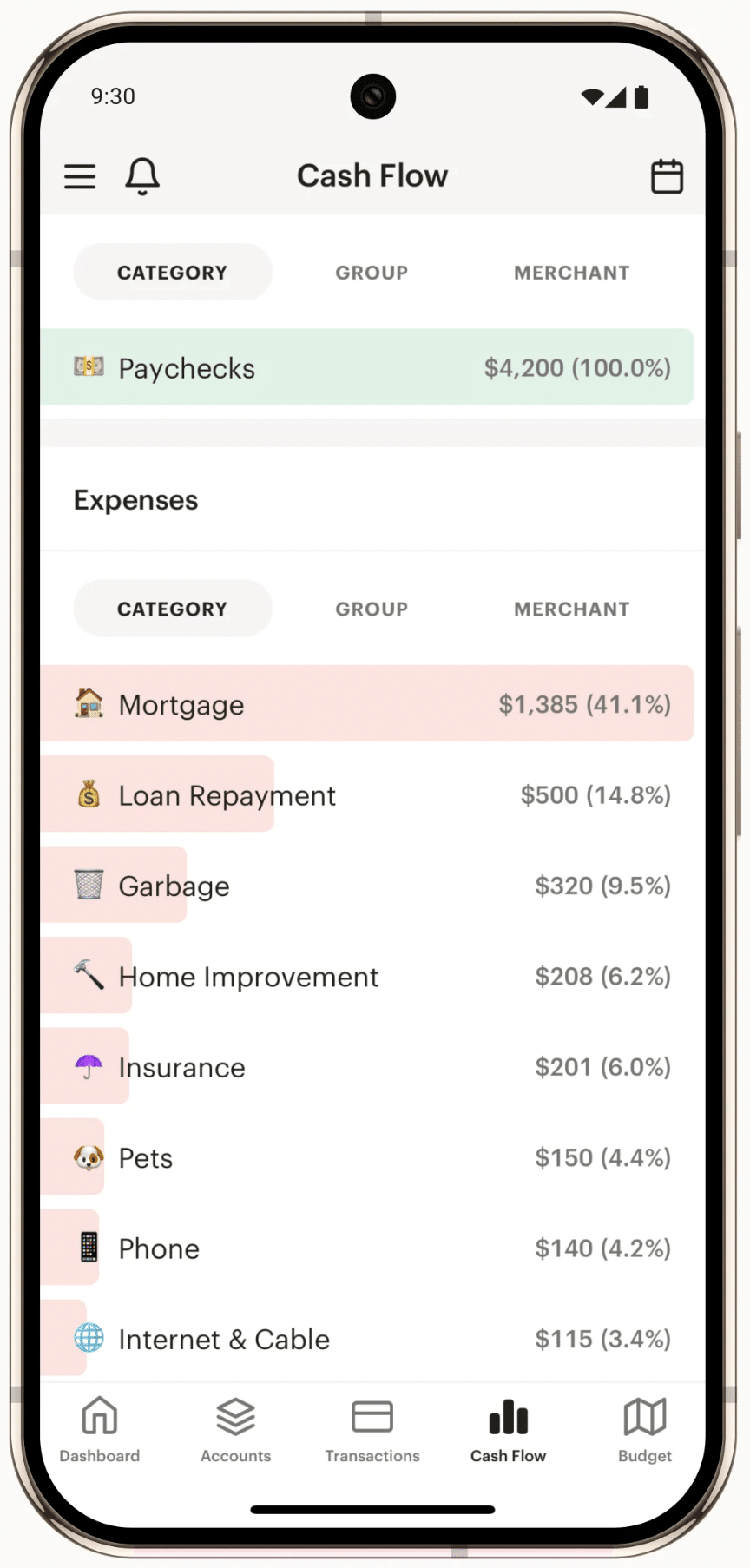
However, the digital landscape has shifted. Following its acquisition by Intuit in 2009—a move that eventually led to the platform’s integration into the Credit Karma ecosystem—Mint officially shuttered its services. For the millions of users who relied on its automated transaction tracking and expense categorization, this closure represents more than just a software migration; it marks the end of an era in fintech. As users scramble to find suitable replacements, the market has responded with a sophisticated, albeit fragmented, array of alternatives.
The Chronology of a Financial Icon
To understand why the loss of Mint is felt so keenly, one must look at its history:
- 2007: Mint launches at TechCrunch40, promising to make personal finance "simple and accessible." It gains rapid adoption for its automated bank syncing capabilities.
- 2009: Intuit, the parent company of TurboTax and QuickBooks, acquires Mint for approximately $170 million, citing the need to capture the millennial demographic.
- 2023-2024: Intuit announces the sunsetting of Mint.com, directing users to transition their data to Credit Karma. Many long-time users find the Credit Karma interface lacking the robust budgeting depth they had come to expect from Mint.
- Present Day: Former Mint users are now navigating a crowded marketplace of premium and freemium apps, each competing to be the new "gold standard" for personal finance.
The New Frontier: 7 Essential Alternatives
Transitioning to a new platform requires careful consideration of features, security, and cost. Having tested dozens of these tools over the past several years, I have identified seven standouts that cater to different financial personas.
1. Monarch Money: The Premium All-Rounder
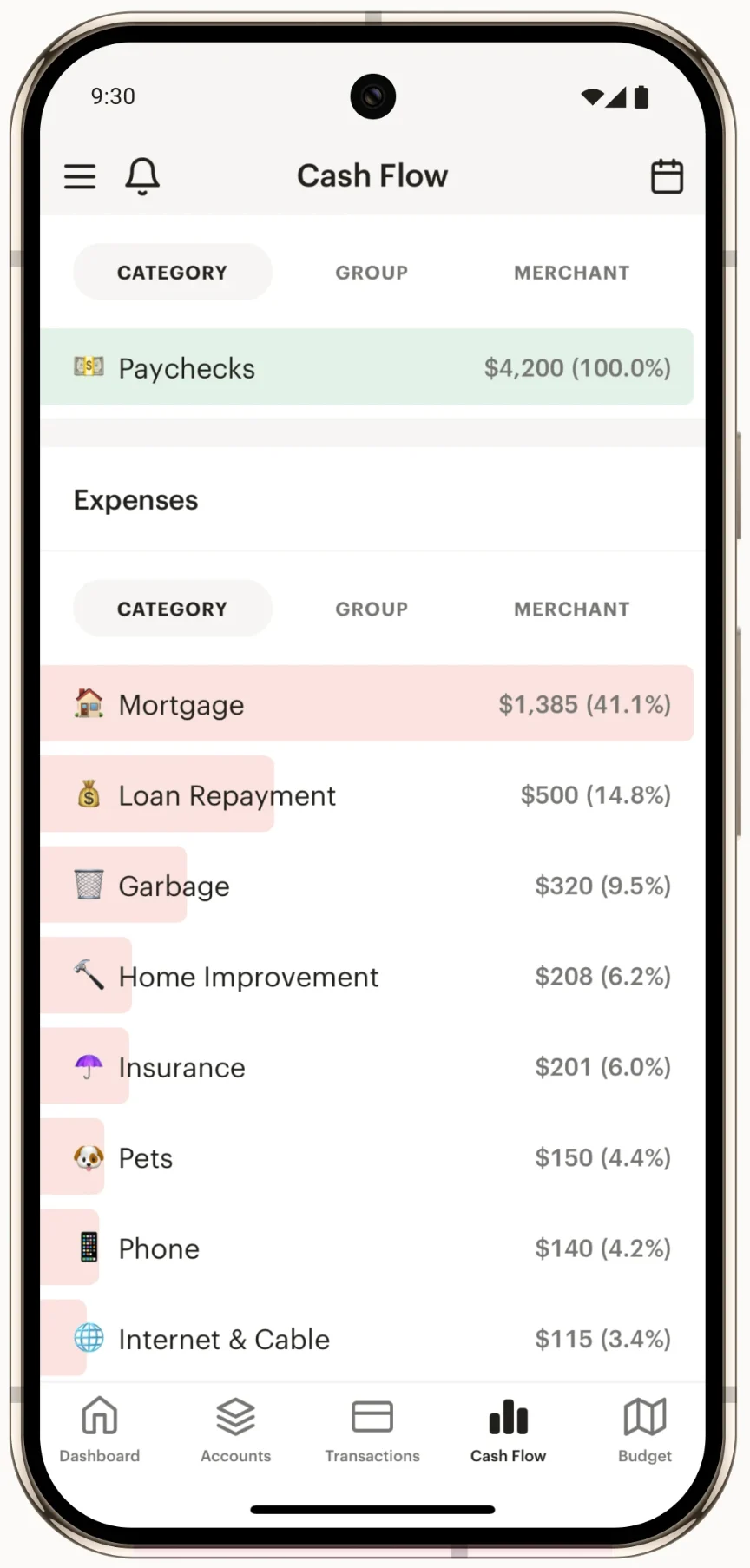
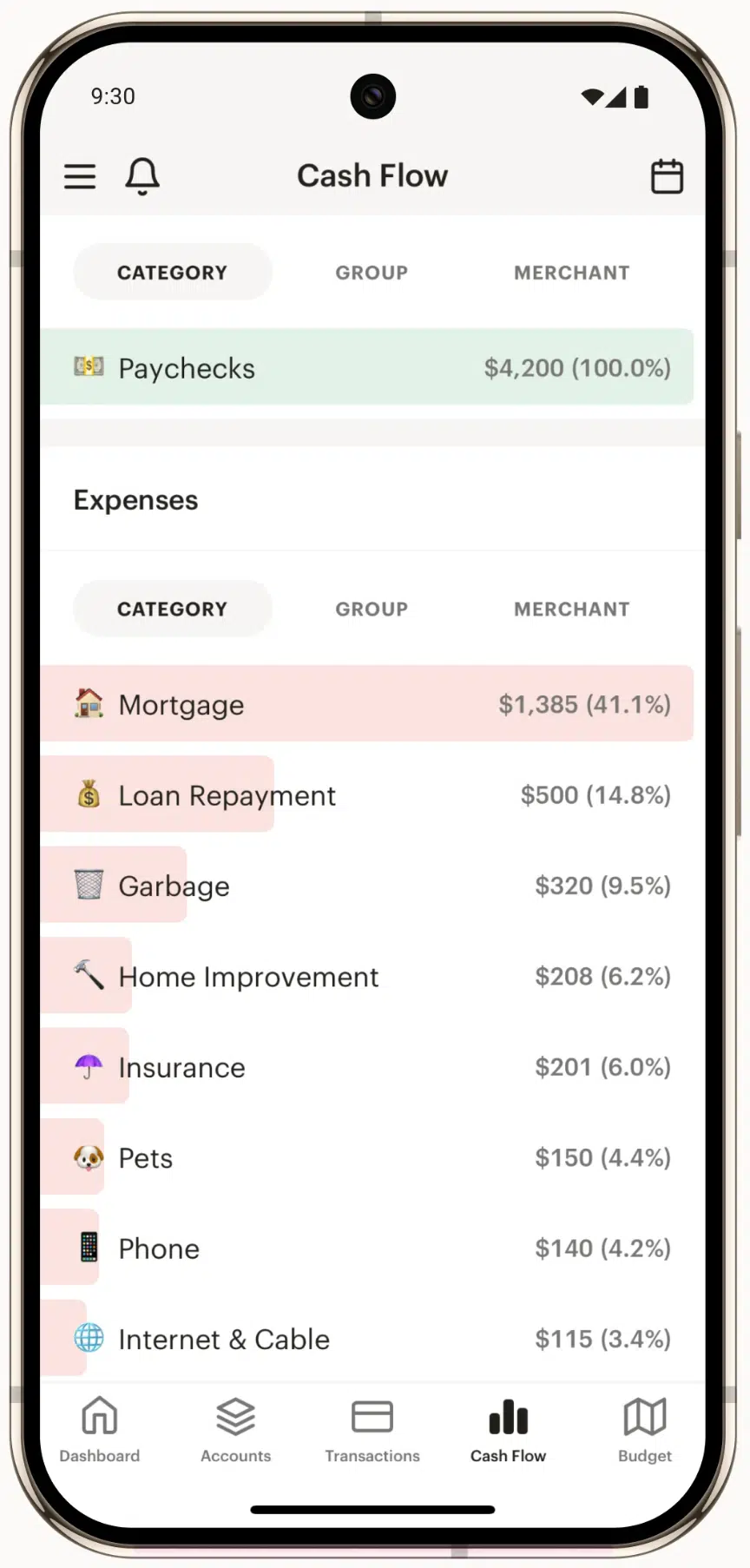
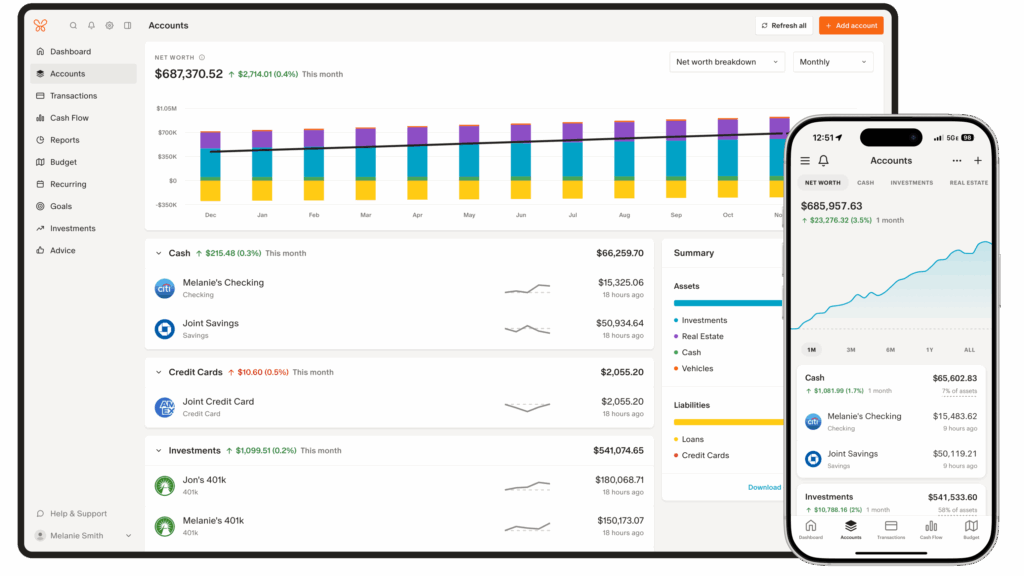
For those seeking a seamless transition from Mint, Monarch Money is arguably the most comprehensive successor. Founded by Val Agostino—who, notably, served as the first product manager for the original Mint team—Monarch bridges the gap between simplicity and advanced financial control.
- Why it shines: Its interface is remarkably polished, offering "Flex Budgeting" to handle variable monthly expenses—a feature Mint famously struggled with.
- The User Experience: Whether accessing via a web browser or a mobile app, the synchronization is fast and reliable.
- Cost: While it requires a subscription ($8.33/month billed annually), its ad-free environment and superior data visualization justify the cost. (Visitors can often secure discounts via specific promo codes).
2. Empower: The Investment Specialist
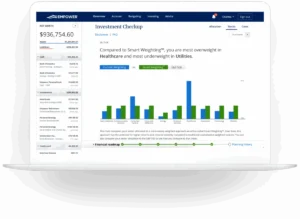
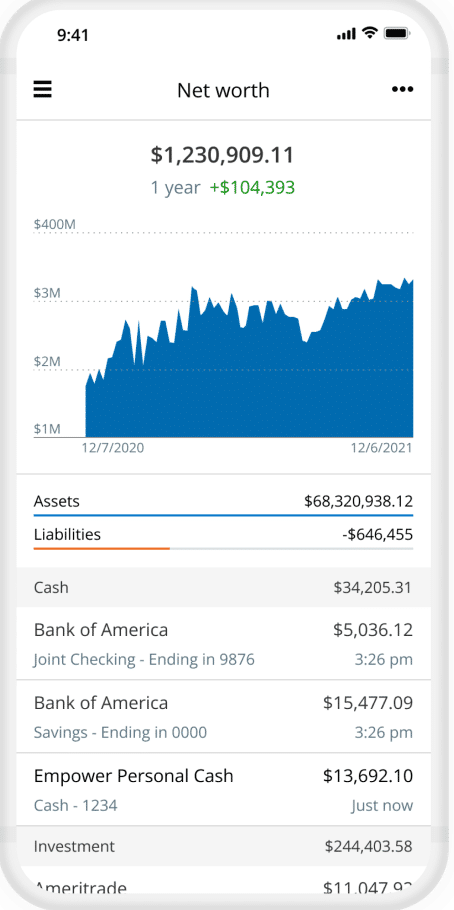
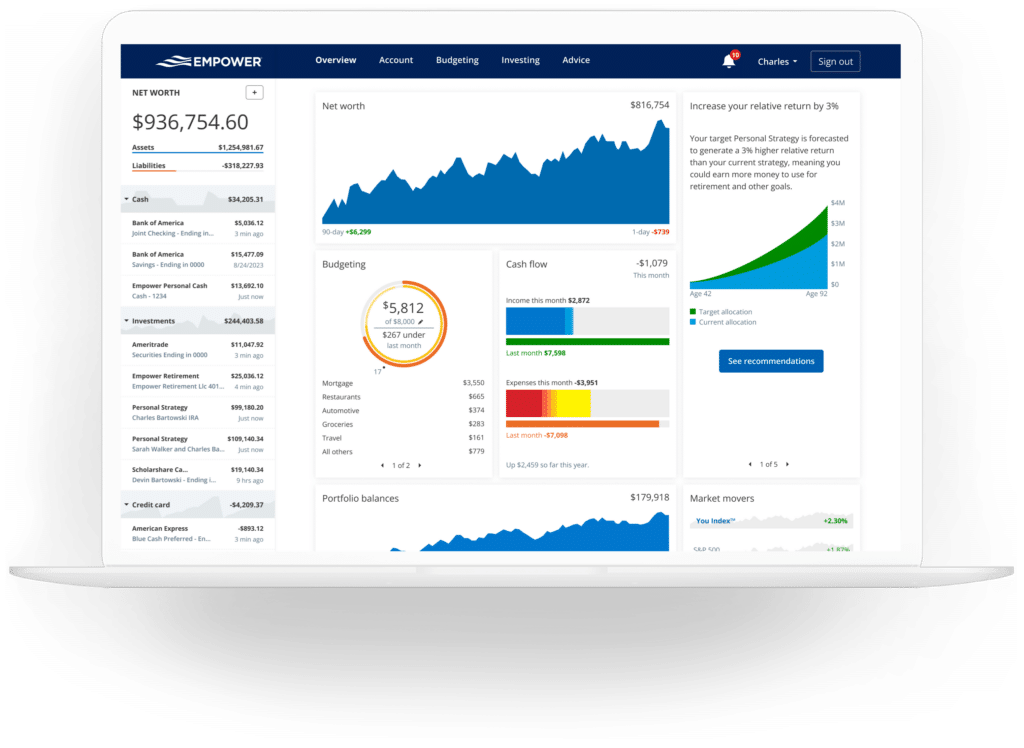
If your primary motivation for using Mint was to monitor your net worth and asset allocation rather than just grocery spending, Empower (formerly Personal Capital) remains the best free alternative.

- Core Capabilities: It excels at tracking investment accounts, retirement savings, and monitoring how management fees impact your long-term wealth.
- Target Audience: Perfect for those who view finance through the lens of long-term wealth accumulation rather than day-to-day transaction logging.
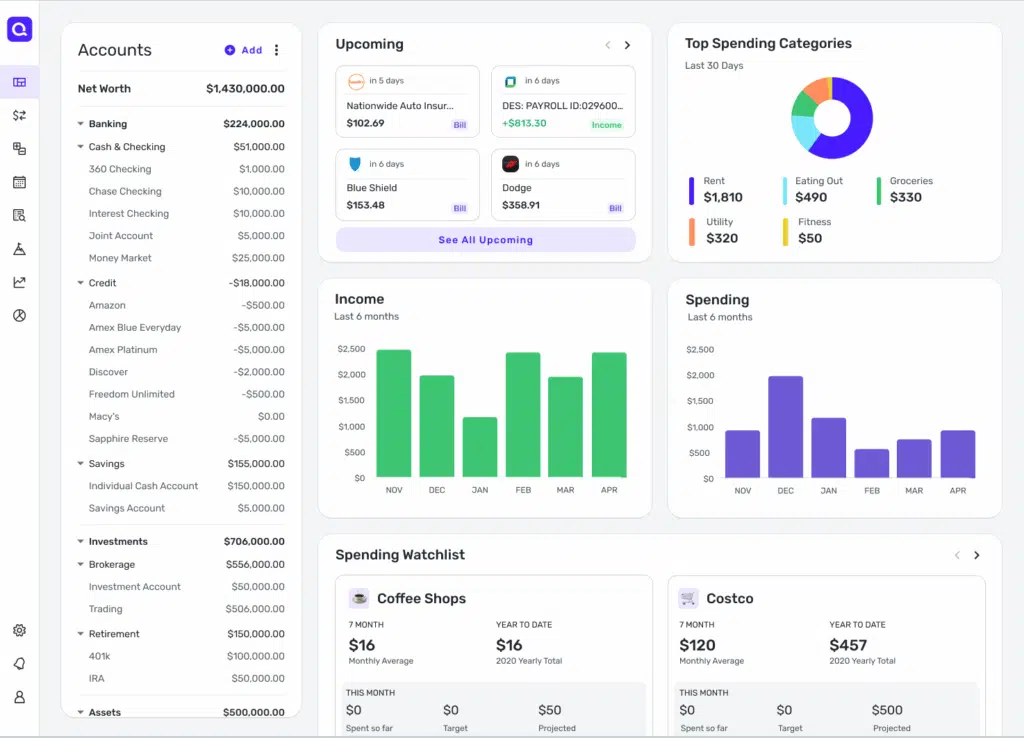
3. Quicken Simplifi: The Smartphone-Centric Choice
Built from the ground up by the legacy giant Quicken, Simplifi is not a legacy desktop port; it is a modern, mobile-first budgeting engine.
- Key Advantage: It uses automated algorithms to generate a "Spending Plan" based on your actual recurring income and upcoming bills. It is arguably the most intuitive app for mobile-first users.
4. Rocket Money: The Budgeting Optimizer
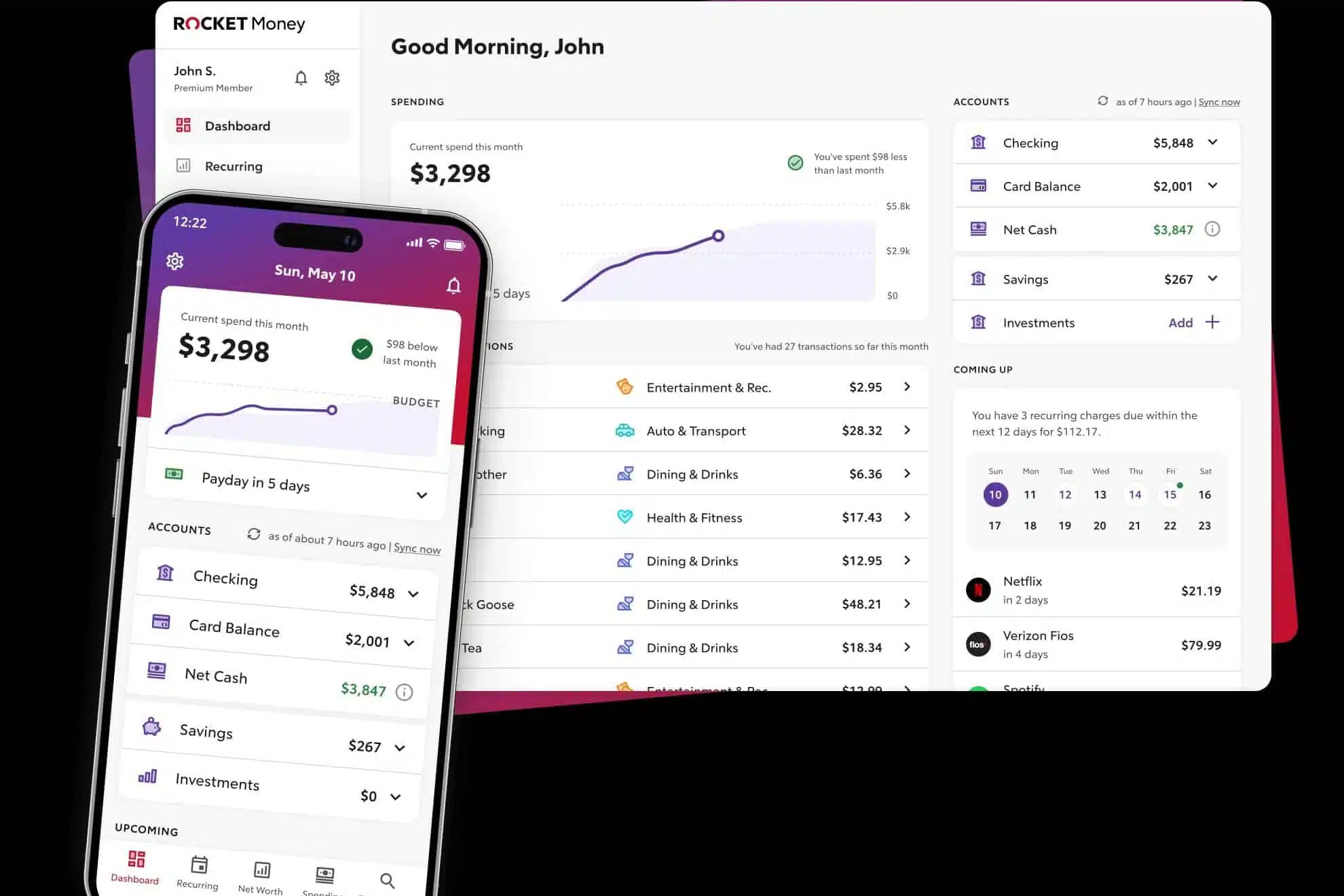
Rocket Money has gained massive popularity for its user-friendly interface and unique focus on "subscription management."
- The "Mint-Killer" Feature: It automatically identifies recurring charges and offers tools to help cancel unwanted subscriptions. If your goal is to plug "leaks" in your monthly cash flow, this is the app to beat.
5. Origin: The Comprehensive Financial Advisor
Origin represents the cutting edge of the sector, integrating Artificial Intelligence (AI) to provide personalized financial guidance.
- Beyond Budgeting: Origin includes features like tax filing assistance and access to Certified Financial Planners (CFPs). It functions more as a holistic financial operating system than a simple tracker.
6. Tiller Money: The Spreadsheet Powerhouse
For users who prefer raw data over flashy infographics, Tiller is the only choice. It automatically pulls your financial data directly into a customizable Google Sheet or Microsoft Excel file.
- The Learning Curve: It is not a plug-and-play app. It is a tool for those who love data and want to build their own custom reporting structures.
7. You Need A Budget (YNAB): The Behavioral Coach
YNAB is not just an app; it is a philosophy. Based on the principle of "zero-based budgeting"—where every dollar is assigned a job—it forces users to be intentional with their money.
- The Trade-off: It has a steeper learning curve and a higher price point than its competitors, making it better suited for those who feel their current spending is out of control and require a behavioral reset.
Supporting Data and Methodology
In evaluating these platforms, my methodology focused on four critical pillars: Data Connectivity, Budgeting Robustness, Investment Tracking, and User Experience.
The current landscape shows a clear divide: while free apps like Empower provide excellent high-level snapshots, premium apps like Monarch and YNAB provide the granularity required for active, hands-on budgeters. Data security remains a paramount concern across all platforms, with most employing bank-level 256-bit encryption and multi-factor authentication (MFA).
Implications for the Consumer
The closure of Mint marks a pivotal shift in the "Freemium" model of financial software. For years, the industry was propped up by data aggregation and affiliate marketing, allowing tools to be free. The modern trend is shifting toward a subscription-based model. While this adds a monthly cost to your household budget, the trade-off is often a more robust, ad-free experience that prioritizes user privacy over data monetization.
When selecting your replacement, consider the following:
- Do you need investment tracking? If yes, gravitate toward Empower or Monarch.
- Do you want to stop overspending? YNAB is the strongest behavioral tool.
- Do you want the best "look and feel"? Monarch and Rocket Money currently lead the pack in design.
Conclusion: Picking the Right Tool
There is no single "best" alternative, only the best tool for your specific financial goals. The most important step in the post-Mint era is to avoid "analysis paralysis." Pick an app that aligns with your primary goal—whether that is paying down debt, tracking investments, or simply knowing where your money went at the end of the month—and commit to a 30-day trial.
Managing your finances is a journey, not a destination. While the loss of Mint is a disruption, it provides an excellent opportunity to re-evaluate your relationship with your money and adopt a tool that serves your current life stage more effectively. Whether you land on the power-user capabilities of Tiller or the sleek automation of Monarch, the most successful budgeter is the one who remains consistent with the platform they choose.