The Sovereignty of the CEO: How Tech Oligarchs Are Dismantling Corporate Democracy
By Quinn Slobodian
July 15, 2026
CAMBRIDGE — One of the most impressive, and perhaps most alarming, feats of the current generation of tech oligarchs is that they have successfully "hacked" not just computer code or global supply chains, but the very institutional bedrock of the 20th-century firm.
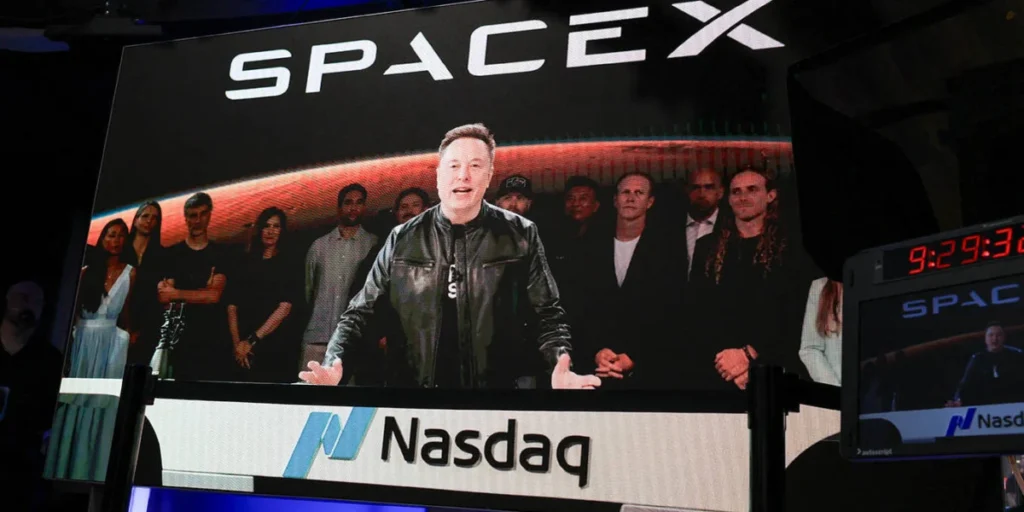
For decades, the public corporation was defined by a delicate, albeit imperfect, balance of power: shareholders owned the company, a board of directors represented those owners, and professional managers executed the strategy. Today, that model is effectively dead. The recent SpaceX Initial Public Offering (IPO) serves as the definitive, chilling culmination of this evolution, signaling an era where tech titans can tap into the vast liquidity of public markets while remaining entirely immune to the traditional oversight that once defined corporate accountability.
The Main Facts: The End of Shareholder Democracy
The SpaceX IPO was not merely a financial event; it was a constitutional one for the modern firm. By utilizing a sophisticated structure of "super-voting" shares, Elon Musk has managed to achieve the impossible: he has successfully liquidated portions of his equity to public investors while retaining absolute, autocratic control over the company’s trajectory.
In traditional corporate governance, the "one share, one vote" principle ensured that if a CEO failed to deliver, the collective will of the shareholders could, in theory, remove them. This was the mechanism of the market’s conscience. SpaceX has dismantled this. Under the new prospectus, Musk’s shares carry weighted voting rights that render external investor activism functionally impossible. He has effectively decoupled the ownership of capital from the exercise of power.
This is not an isolated incident. It is the final stage of a multi-year campaign to shield the tech elite from the "tyranny of the quarterly report" and the meddling of institutional shareholders, creating a new class of corporate entity that functions more like a private fiefdom than a public company.
Chronology: The Erosion of Accountability
The transformation of the tech firm did not happen overnight. It was a calculated, decade-long transition toward what some analysts are calling "Founder-Centric Capitalism."
- 2012: Meta (then Facebook) sets the industry standard by introducing a dual-class share structure during its IPO, granting Mark Zuckerberg controlling interest despite owning a minority of the total equity.
- 2018: Google and other Silicon Valley giants refine the model, normalizing the idea that public shareholders are essentially passive financiers who provide capital but forfeit any meaningful say in governance.
- 2023: As global interest rates rise, tech oligarchs begin searching for ways to raise capital without diluting their vision or submitting to ESG (Environmental, Social, and Governance) mandates.
- 2025: The "Super-Voting" loophole is codified in major exchange rules, effectively allowing founders to maintain "sovereign" status indefinitely.
- July 2026: The SpaceX IPO launches. By offering shares that provide financial participation but zero voting power, Musk demonstrates that the market is willing to pay a premium for the privilege of subsidizing an oligarch’s personal mission, even if they have no seat at the table.
Supporting Data: The Concentration of Power
The shift is reflected in the stark divergence between corporate valuation and democratic participation.
According to data from the Securities and Exchange Commission (SEC) filings, the average voting power of a CEO in the tech sector has increased by 42% since 2010. Conversely, the success rate of shareholder proposals—a key tool for institutional investors to influence corporate policy—has dropped to an all-time low of 14% among companies with dual-class or super-voting structures.
Furthermore, the "Governance Gap" has widened. As of Q2 2026, the top five tech firms in the U.S. now control more combined market capitalization than the bottom 200 companies in the S&P 500, yet the decision-making for these giants is concentrated in the hands of fewer than ten individuals. When investors buy into these firms, they are not buying a voice in a company; they are essentially buying a bond that pays out based on the oligarch’s personal performance, with no recourse if the company veers into unethical or catastrophic territory.
Official Responses and Industry Reaction
The response from the financial establishment has been fractured. Wall Street banks, naturally, are largely silent; they have reaped record fees from the complex IPO structures that have become the hallmark of the tech oligarchy.
"The market is speaking," said a representative from a major investment firm on Wall Street. "Investors are signaling that they prefer the stability and long-term vision of a singular, visionary leader over the messy, short-term pressures of shareholder activism. The ‘Musk Model’ is simply a response to the demand for decisive leadership."
Conversely, the investor advocacy community has sounded the alarm. The Council of Institutional Investors (CII) issued a scathing report earlier this month, stating: "The SpaceX structure is a fundamental betrayal of the public market contract. It creates an environment of total impunity, where the leader is shielded from the consequences of their own actions. This is not capitalism; it is a corporate autocracy."
The SEC, currently hamstrung by a legislative climate that prioritizes "innovation" over "oversight," has signaled that it has no immediate plans to challenge the legality of these voting structures, noting that as long as the risks are disclosed to the investor, the governance structure is a matter of private contract.
Implications: The Rise of Corporate Sovereignty
The implications of this shift are profound and unsettling. If the largest, most influential companies in the world are effectively immune to the mechanisms of democracy, what happens when their interests diverge from the public good?
1. The Death of the Board of Directors
The board of directors was meant to be the fiduciary watchdog. In the current model, the board has become a captive audience, hand-picked by the CEO and unable to override the oligarch’s super-voting shares. This renders the board a ceremonial vestige rather than a governing body.
2. The Distortion of Market Signals
Shareholder activism served as an early warning system. When shareholders voiced concerns about human rights, labor practices, or environmental impact, they forced companies to adapt. By removing this pressure, tech oligarchs have created "echo chamber" corporations, where internal dissent is silenced and bad decisions go unchecked until they reach the point of systemic failure.
3. The Political Dimension
We are witnessing the emergence of companies that possess the economic power of nation-states but operate without any of the constitutional checks and balances of a government. When Elon Musk or his peers make decisions that affect global communication, transportation, or satellite infrastructure, there is no democratic process to challenge them. They are, in every sense, corporate sovereigns.
4. A Precedent for the Future
The success of the SpaceX model ensures that every upcoming tech startup will attempt to replicate it. We are moving toward a future where the public market is essentially a giant crowdfunding platform for the whims of a handful of billionaires.
The "hack" is complete. The institutional form of the 20th-century firm has been rewritten, not by lawmakers or regulators, but by the very people who stand to benefit most from its dismantling. The question remains: can the public—the very people who provide the capital that fuels these empires—find a way to reassert control, or have we entered a permanent era of oligarchic rule?
As we look toward the remainder of 2026, the SpaceX IPO stands as a monument to our new reality. It is a world where the market is no longer a forum for collective ownership, but a gallery for the singular, unchallenged visions of the few. Whether this leads to unparalleled technological advancement or institutional decay remains to be seen, but one thing is certain: the era of corporate accountability is officially in the rearview mirror.