The Price of Intelligence: How “RAMageddon” is Forcing Apple’s Hand
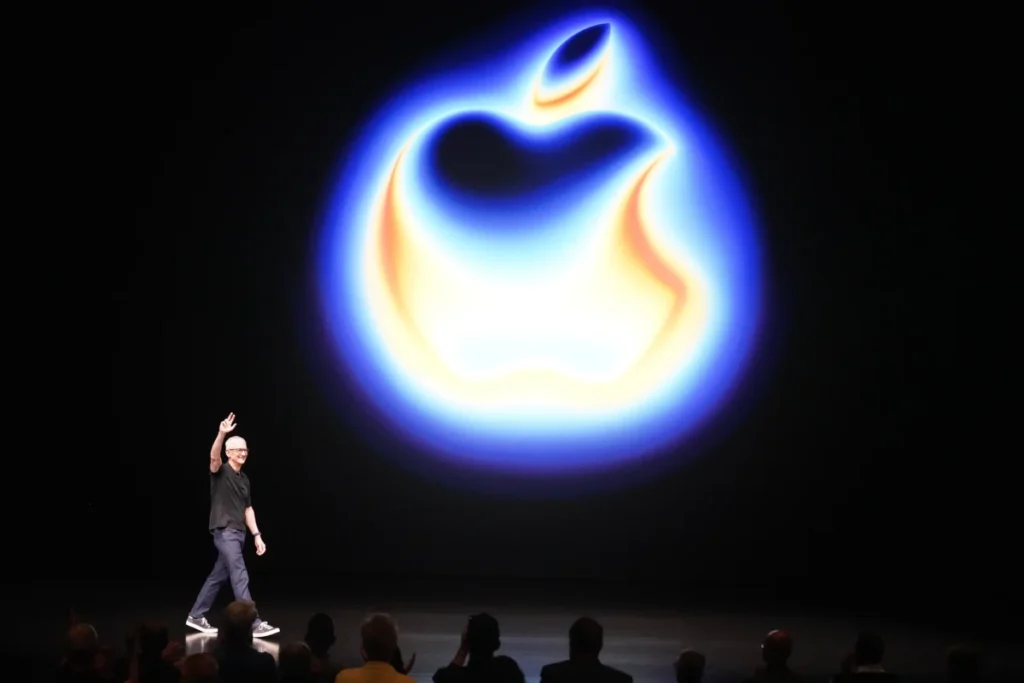
The technology industry is currently grappling with a phenomenon that analysts have dubbed "RAMageddon"—a term that has migrated from niche supply-chain forums to the boardrooms of the world’s most valuable companies. At the center of this storm is Apple, which is now warning consumers that the insatiable, energy-hungry requirements of artificial intelligence are triggering a global memory chip shortage, one that will inevitably force a price hike across the company’s iconic product lineup.
As outgoing CEO Tim Cook prepares to hand the reins to his successor, John Ternus, he has issued a candid, if somber, assessment of the market. In a recent interview with The Wall Street Journal, Cook signaled that Apple can no longer shield its customers from the rising costs of DRAM (dynamic random-access memory) and NAND (storage) chips. Despite the company’s massive purchasing power and its best efforts to absorb a fourfold increase in chip costs over the past year, Cook described the current economic landscape as "unsustainable."
The Anatomy of the Crisis: Why Memory Costs Are Skyrocketing
The global semiconductor market is currently undergoing its most significant shift since the advent of the smartphone. The culprit, ironically, is the very technology Apple is desperate to integrate: Artificial Intelligence.
Modern AI models, particularly Large Language Models (LLMs) that run on-device, require massive amounts of memory to function efficiently. Unlike traditional software, which can rely on smaller, tiered storage, AI inference—especially the type Apple is pushing for its "Apple Intelligence" suite—demands high-bandwidth, high-capacity memory chips.
When every major tech giant, from Microsoft and Google to Amazon and Meta, is racing to build out data centers for AI, the competition for the same supply of memory chips has become cutthroat. This "AI arms race" has effectively squeezed the supply chain dry. For Apple, which requires tens of millions of premium-grade chips to meet its annual manufacturing targets, the surge in demand has driven the market price of these components to historic highs.
Chronology of a Shortage: From Warning to Imminent Action
The writing has been on the wall for several months, though the gravity of the situation has only recently been made public.
- April 2026: During a quarterly earnings call, Tim Cook reported record-breaking sales but struck a cautionary tone regarding the supply chain. He noted that while demand for Apple hardware remained high, the "cost of inputs" was beginning to show signs of volatility.
- Late April 2026: Incoming CEO John Ternus, then in his final months of transition, publicly identified the quadrupling of memory costs as his first major "existential challenge" in the leadership role.
- June 2026: Apple faced a legal setback, settling a false advertising lawsuit for $250 million regarding previously promised but undelivered AI features. The pressure to succeed at the Worldwide Developers Conference (WWDC) reached a fever pitch.
- June 2026: WWDC showcased a significant overhaul of Siri and on-device AI. While the demonstration was hailed as a technical success, industry insiders noted that these features would necessitate significantly more RAM per device, further straining the company’s hardware margins.
- July 2026: Tim Cook’s recent confirmation that price increases are "unavoidable" marks the final transition from internal concern to public consumer expectation.
Supporting Data: The Math Behind the Markup
To understand the scale of the potential price hikes, one must look at the bill of materials (BOM) for Apple’s flagship devices. According to research from TechInsights, the cost of the memory and storage modules inside an iPhone Pro model has seen an unprecedented climb.
TechInsights estimates that to maintain the same profit margins that Apple shareholders have grown accustomed to, the company would need to add approximately $270 to the retail price of the next iPhone Pro model. Given that the current iPhone 17 Pro starts at $1,099, a price hike of that magnitude would push the base model into a new, potentially prohibitive, price tier.
While Apple has not confirmed the exact products impacted, the nature of the crisis suggests that the "Pro" tier of the iPhone and the higher-end configurations of the Mac and iPad are most vulnerable. Because these devices rely on the fastest, most expensive memory to handle complex AI tasks, they are the most exposed to the fourfold increase in component costs.
Official Responses and Strategic Pivot
Apple’s leadership has been notably transparent about the "unsustainable" nature of current chip costs, a move likely designed to manage investor expectations ahead of the September product launch.
In his Wall Street Journal interview, Cook emphasized that Apple has spent the better part of the year attempting to optimize its supply chain to avoid passing costs to the consumer. "We have absorbed, we have optimized, and we have negotiated," Cook noted, "but we have reached a point where the math simply doesn’t allow for further absorption without compromising the quality and performance that define the Apple brand."
The message from Cupertino is clear: The cost of the next generation of AI-enabled devices will be shared by the consumer. This is a significant pivot for a company that has historically relied on scale and vertical integration to stabilize prices despite component shortages.
Implications: A New Era for Consumer Electronics
The ripple effects of this shortage extend far beyond a price tag on a new iPhone.
1. The Death of the "Entry-Level" AI Device
As memory costs rise, the floor for what constitutes an "AI-ready" device rises as well. We may see a bifurcated market where Apple keeps older, non-AI-heavy models at lower prices while creating a new, premium tier for devices capable of running the latest on-device intelligence.
2. The Pressure on Apple Intelligence
Apple is currently in a "show-me-the-money" phase with its AI strategy. After the $250 million settlement for failing to deliver on previous AI promises, the company cannot afford for its new features to be buggy or slow. To ensure performance, they must include high-capacity memory, which brings us back to the cost issue. Consumers may find themselves paying a "premium" not just for the phone, but for the privilege of running the AI features they were promised years ago.
3. Competitor Response
If Apple raises its prices, the entire smartphone market is likely to follow. Competitors who purchase from the same supply chains—such as Samsung or manufacturers using Qualcomm chips—will face the same inflationary pressures. Consumers may find that "flagship" pricing, once considered to be $1,000, may soon become $1,300 or higher across the board.
4. A Test for the New CEO
For John Ternus, this is a baptism by fire. His ability to navigate the supply chain crisis, manage consumer backlash regarding price hikes, and successfully roll out the AI-integrated product ecosystem will define his early tenure as CEO. He is inheriting a company at the height of its financial power but also at the center of a technological bottleneck that is entirely out of its control.
Conclusion: The Hidden Cost of Innovation
The "RAMageddon" crisis highlights a fundamental truth of the modern digital economy: there is no such thing as "free" intelligence. As we transition into an era where our devices are expected to act as proactive, intelligent assistants, the hardware required to sustain that intelligence is becoming more complex and more expensive to produce.
For the average consumer, the upcoming September launch event will be about more than just new features and sleek designs. It will be a litmus test for the market. Will consumers accept a $200–$300 price hike in exchange for the promise of smarter devices? Or will the "RAMageddon" finally cause the high-end smartphone market to plateau?
As Apple prepares for this pivotal moment, one thing is certain: the era of cheap, high-performance silicon is ending, and the price of innovation is being added to the bill.