The Perfect Storm: India’s Economic Resilience Tested by Global and Climatic Headwinds
By Shishir Gupta
June 15, 2026
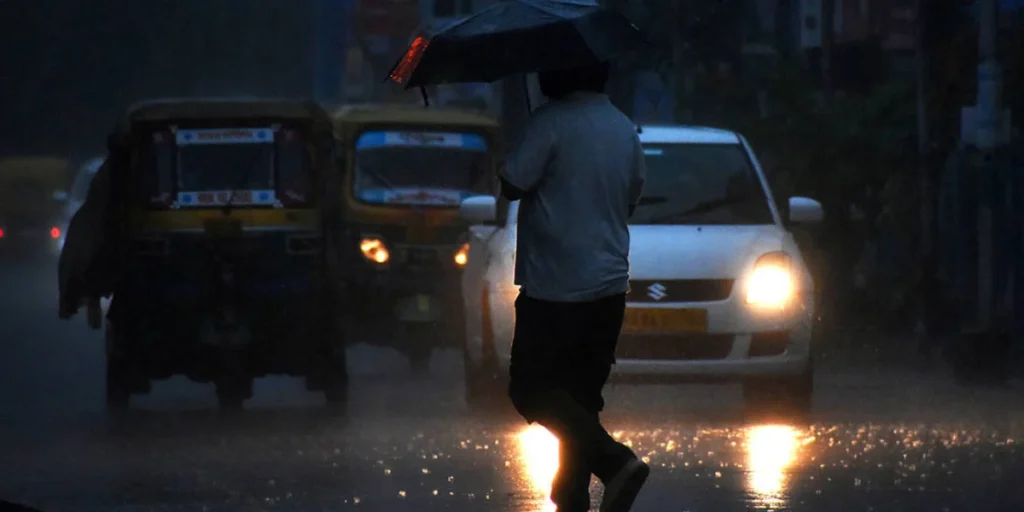
As the global economic landscape shifts beneath the weight of geopolitical fragmentation and environmental volatility, India finds itself at a critical juncture. While recent years have been defined by the nation’s emergence as a high-growth beacon, the current climate presents a complex web of challenges. Elevated crude oil prices, the looming threat of a severe El Niño weather pattern, and the structural transformation of the global trade order are creating a "perfect storm" for the Indian economy.
However, beneath the surface of these mounting pressures lies a strategic opportunity. If managed with fiscal discipline and bold structural reforms, these external shocks could serve as the necessary catalyst for India to finalize its long-delayed economic agenda, effectively insulating the country against future global instability.
The Triad of Risks: A Macroeconomic Overview
The current discourse in New Delhi has been dominated by the depreciation of the Indian rupee and the subsequent debate over the optimal utilization of foreign exchange reserves. While these concerns are valid in an era of currency volatility, they are symptoms rather than the root cause. The true structural threats to India’s GDP growth trajectory are three-fold.
1. The Energy Price Trap
Crude oil remains the Achilles’ heel of the Indian economy. As an import-dependent nation, India is highly susceptible to price shocks in global energy markets. With geopolitical tensions constraining supply chains, sustained high prices for crude oil translate directly into higher inflation, wider trade deficits, and reduced consumer purchasing power. This persistent inflationary pressure limits the Reserve Bank of India’s (RBI) ability to lower interest rates, thereby dampening private investment.
2. The El Niño Threat
Agriculture continues to be the backbone of the Indian economy, employing nearly half the workforce. The prospect of a strong El Niño during the monsoon season represents a direct threat to food security and rural consumption. Reduced rainfall does not merely jeopardize crop yields; it fuels food inflation, which disproportionately affects lower-income households and hampers aggregate demand.
3. Trade Fragmentation and the IT Pivot
The rise of protectionist policies and the fragmentation of global trade routes are altering the cost of doing business internationally. Simultaneously, the Indian IT services sector—a cornerstone of the nation’s service exports—faces a structural transformation. The rapid integration of Generative AI is fundamentally changing the demand for traditional IT outsourcing, forcing a painful but necessary transition in the industry’s business model.
Chronology of Economic Headwinds: 2025–2026
To understand the current economic posture, one must look at the sequence of events that have led to this inflection point:
- Q3 2025: Initial signs of global trade fragmentation emerge as major economies shift toward "friend-shoring," raising the cost of imported inputs for Indian manufacturers.
- Q4 2025: Oil markets tighten due to regional conflicts, pushing the price of the Indian crude basket above the psychological threshold of $90 per barrel.
- Q1 2026: Reports from meteorological agencies suggest a 70% probability of a strong El Niño event, leading to downward revisions in rural growth projections.
- April 2026: The IT sector announces significant shifts in hiring strategies as AI-driven automation begins to displace traditional roles in BPO and software maintenance.
- June 2026: Current date. Government officials and central bankers hold high-level consultations to calibrate fiscal and monetary responses to the compounded impact of these factors.
Supporting Data: Gauging the Impact
Economic modeling suggests that these converging factors could shave 50 to 80 basis points off India’s projected GDP growth for the current fiscal year.
| Indicator | Current Status | Projected Impact (FY26) |
|---|---|---|
| Crude Oil Price | ~$92/barrel | Increased import bill of $15B+ |
| Monsoon Rainfall | 12% below long-period average | Potential 2% drop in agricultural GVA |
| IT Services Export Growth | Slowing to 4-5% | Pressure on current account balance |
| Core Inflation | Persistent at 5.2% | Restricted monetary easing space |
The data indicates that while the Indian economy has maintained a growth rate superior to most G20 nations, the quality of this growth is being tested. The reliance on IT services as a growth engine is hitting a plateau, necessitating a pivot toward manufacturing and value-added exports.
Official Responses and Strategic Calibration
The government, in coordination with the Reserve Bank of India (RBI), has adopted a "wait-and-watch" approach characterized by tactical interventions rather than broad-based stimulus.
Finance Ministry officials have signaled that the priority remains fiscal consolidation. "We are committed to maintaining our fiscal deficit targets despite the rising costs of imports," stated a senior official in the Ministry of Finance. "The strategy is to focus on supply-side reforms that reduce the cost of logistics and energy, rather than resorting to temporary cash transfers that could trigger further inflation."
The RBI, meanwhile, has kept the repo rate steady, emphasizing that the central bank remains vigilant against the "spillover effects" of global volatility. Governor-level communications have stressed the importance of strengthening the "real" economy—specifically through the Production Linked Incentive (PLI) schemes—to reduce dependency on volatile external markets.
Implications: A Blessing in Disguise?
The premise that these adverse conditions could act as a "blessing in disguise" rests on the theory of induced reform. Historically, India’s most significant economic pivots have occurred during times of acute distress. The 1991 Balance of Payments crisis, for instance, forced the country to dismantle the "License Raj."
The Reform Agenda
For the current crisis to be a catalyst, policymakers must accelerate the following:
- Energy Diversification: The shock of high oil prices should accelerate the transition to Green Hydrogen and domestic renewable energy storage. By lowering the cost of energy through home-grown solutions, India can insulate itself from the volatility of the Middle Eastern energy markets.
- Agricultural Resilience: El Niño is a recurring reality. The government must move beyond rain-fed agriculture by investing heavily in micro-irrigation, climate-resilient crop varieties, and decentralized cold-storage infrastructure to minimize post-harvest losses.
- Upskilling the Workforce: The disruption in the IT sector due to AI is an opportunity to re-skill the massive labor pool. If India can pivot its IT workforce from low-end maintenance to high-end AI development and data architecture, it can regain its competitive edge in the global services market.
- Trade Liberalization: Fragmentation is a challenge, but it also opens doors for India to position itself as a reliable alternative to other manufacturing hubs. By streamlining land and labor laws, India can attract the supply chain diversification that many multinational corporations are currently seeking.
Conclusion: Navigating the Path Forward
The narrative of the Indian economy is currently caught between the fear of stagnation and the potential for structural evolution. While the headwinds of 2026 are undeniable, they are not insurmountable. The challenge lies in the political will to enact deep-seated reforms that move the country away from its current dependencies.
If the Indian administration treats these shocks as a signal to deepen structural reforms, the economy will not only survive this period of volatility but emerge more resilient. The focus must shift from defending the rupee to building an economy that is fundamentally more productive, energy-efficient, and technologically sophisticated.
In the long run, the "perfect storm" may prove to be the most effective teacher, forcing a necessary alignment between India’s immense potential and its economic policy architecture. As the world watches, the decisions made in the corridors of New Delhi in the coming months will define India’s trajectory for the next decade. The era of easy growth is over; the era of strategic, reformed growth must now begin.