The Parable of the Wobbly Toilet: Why Avoidance in Management Is a Structural Hazard
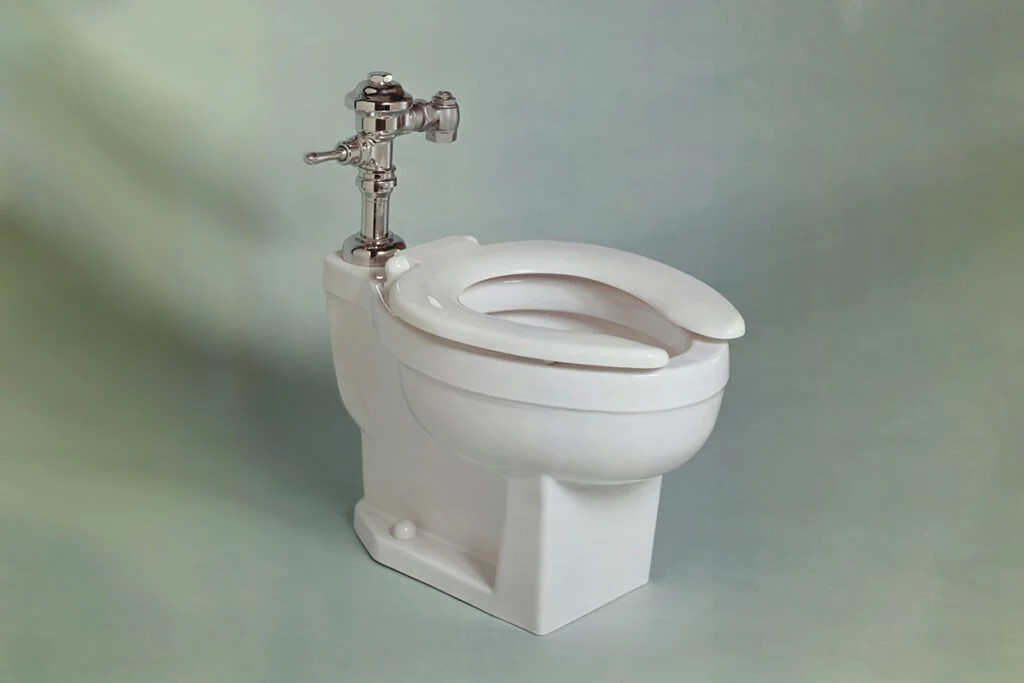
In the modern professional landscape—particularly within mission-driven nonprofits and high-pressure legal aid environments—the demands of daily operations often eclipse the necessity of long-term organizational health. Managers are frequently juggling urgent client crises, underfunded budgets, and the administrative burden of constant documentation. Amidst this high-stakes environment, subtle "wobbles" in team performance or interpersonal dynamics are frequently ignored.
The consequences of this systemic avoidance, however, are rarely contained. Just as a wobbly toilet in a residential bathroom might seem like a minor nuisance until it results in a collapsed ceiling and a flooded home, unresolved management issues often fester, eventually leading to catastrophic organizational failures.
The Anatomy of Avoidance: From Drip to Collapse
The parable of the wobbly toilet serves as a sobering metaphor for leadership. Like the author’s experience with a neglected bathroom fixture—which began with a minor tremor, progressed to a persistent drip, and culminated in a sewage-filled, structural collapse—management issues often follow a predictable trajectory.
The Chronology of Neglect
- The Detection: A supervisor notices a minor performance issue, such as inconsistent timekeeping or a slight lack of professional decorum.
- The Rationalization: The manager, citing "cognitive bandwidth" and the pressure of immediate client needs, decides that the issue is not urgent enough to address.
- The Festering: The problem remains unaddressed, signaling to the employee that the behavior is acceptable or, at the very least, beneath the supervisor’s notice.
- The Compound Effect: The initial issue breeds secondary problems—decreased morale, team friction, or systemic operational errors—that are significantly harder to resolve than the original fault.
- The Collapse: The underlying issue becomes a crisis, resulting in a performance action, a formal complaint, or an unexpected staff resignation.
When a ceiling finally caves in, the repair is exponentially more costly—in terms of money, time, and emotional labor—than the simple act of tightening a few bolts would have been months earlier.
The Equity Cost of "Kindness"
One of the most insidious arguments for avoiding direct feedback is the belief that it is an act of "kindness." Managers often fear that providing constructive criticism will hurt feelings, cause an employee to shut down, or destroy a fragile team dynamic. However, evidence suggests that this form of avoidance is rarely neutral and often exacerbates existing inequalities.
The Feedback Gap
Research consistently shows that feedback is not distributed equally across the workforce. Marginalized employees—including Black staff, people of color, women, and those with disabilities—are statistically less likely to receive consistent, developmental feedback. When a supervisor avoids "uncomfortable" conversations, they are effectively depriving these employees of the guidance they need to grow and succeed.
Instead of receiving coaching early in their tenure, these staff members are often held to an opaque standard until a crisis point is reached. This results in a "double standard" where one employee receives the patience and mentorship necessary to improve, while another is managed out of the organization for failing to meet expectations that were never clearly communicated. This is not just a management failure; it is an equity failure.
Understanding the Cognitive Load of Management
To address these systemic issues, organizations must acknowledge the reality of "cognitive bandwidth." In sectors like legal aid, supervisors are often operating under extreme chronic stress. When a manager’s mental resources are depleted by the daily trauma of advocating for marginalized populations, their capacity for proactive, nuanced communication diminishes.
The "False Dichotomy" of Supervision
There is a pervasive myth in the nonprofit world that time spent on supervision is time stolen from clients. This "false dichotomy" suggests that a manager must choose between being a good advocate and being a good leader. In reality, excellent supervision is a force multiplier. Robust staff engagement and clear feedback loops ensure that an organization functions efficiently, ultimately allowing it to serve more clients with greater impact.
Systemic Failures: When the Organization Owns the Wobble
It is a mistake to view management avoidance solely as an individual moral failing. Organizations frequently set their supervisors up for failure by promoting high-performing individual contributors to management roles without providing the necessary training or ongoing support.
The Infrastructure of Leadership
If an organization treats supervision as an "afterthought" rather than "infrastructure," it should not be surprised when its managers struggle. When a brilliant attorney is promoted to a supervisor role, they are suddenly expected to navigate complex human dynamics for which they have had no training. When they fail, the blame is often placed entirely on their shoulders, despite the fact that the organization provided them with neither the tools nor the culture of accountability to succeed.
To prevent the "ceiling collapse," organizations must:
- Normalize Feedback: Integrate consistent, low-stakes feedback into weekly routines so that growth is a standard part of the culture.
- Invest in Training: Recognize that management is a technical discipline, not just an innate personality trait.
- Address Bias: Explicitly monitor whether feedback is being distributed equitably across the team.
- Build Psychological Safety: Create an environment where asking for help or admitting to a mistake is rewarded, not penalized.
Crisis Management: Cleaning Up the Mess
When a manager finds themselves standing in the "mess"—the point at which a failure has already occurred—the instinct to panic is natural. However, the path to recovery requires a pivot from avoidance to transparency.
Stabilizing the Environment
- Stop the Damage: Do not attempt to analyze the cause immediately. Focus on containing the fallout and ensuring that immediate stakeholders (clients and team members) are protected.
- Name the Reality: Clarity is the antidote to fear. Address the team with honesty: "This is a serious issue, and we are going to fix it together."
- Sensemaking: Help the team understand the "why" and "what next." Reducing ambiguity prevents the spread of rumors and further anxiety.
- Strategic Repair: Once the immediate crisis has subsided, shift to long-term systemic fixes. This includes auditing the processes that led to the collapse and, if necessary, restructuring roles or training programs.
Conclusion: Tighten the Bolts Today
The metaphor of the wobbly toilet serves as a powerful reminder that leadership is a discipline of maintenance. The "drip" of poor performance or interpersonal tension is not a sign of a manager’s lack of compassion; rather, addressing it early is the highest form of professional empathy.
By choosing to lean into the discomfort of direct, clear, and kind communication, leaders can build organizations that are resilient rather than fragile. When supervision is treated as a core professional responsibility, the ceiling stays up, the floor remains dry, and the mission-driven work for which these organizations exist can flourish. Fix the wobbly toilet today, so that you do not have to manage a catastrophe tomorrow.