The Myth of Total Self-Sufficiency: A Seven-Year Reality Check on Homesteading
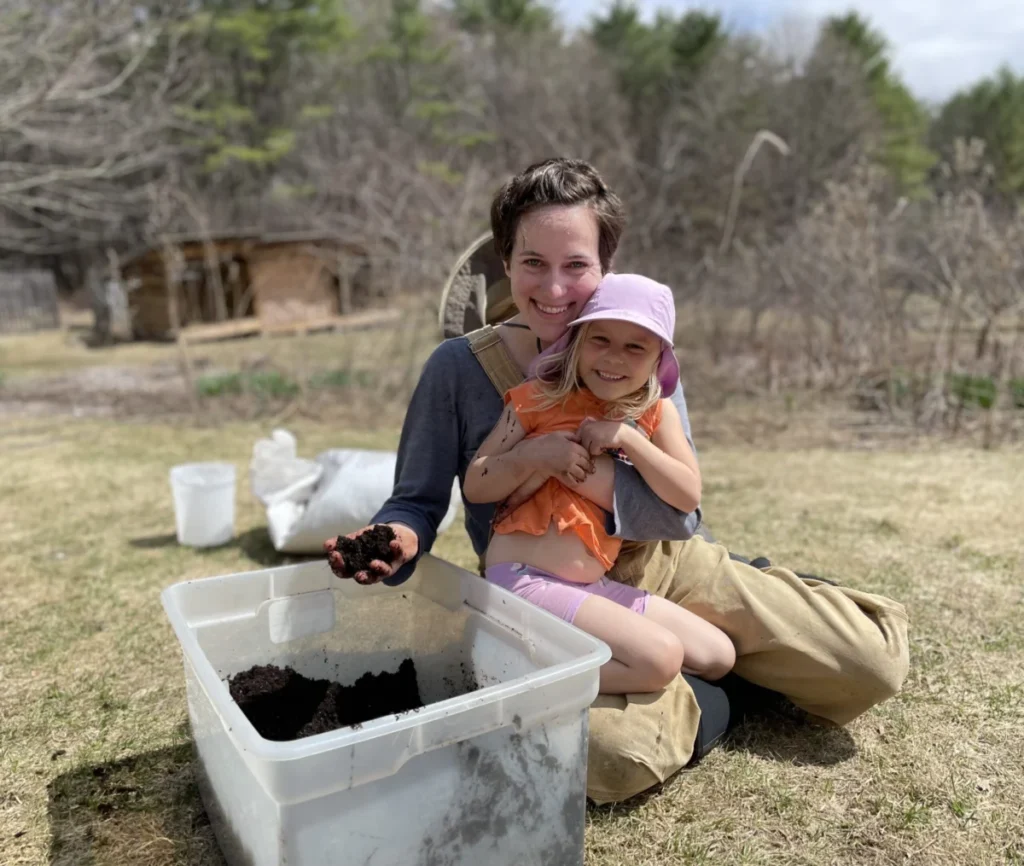
When the founders of the popular lifestyle blog Frugalwoods traded the urban bustle for a 66-acre homestead in the remote forests of Vermont in May 2016, they arrived with a vision that mirrored the romanticized pages of Little House on the Prairie. Like many aspiring homesteaders, their initial blueprint was ambitious: to cultivate a self-sustaining ecosystem where every fruit, vegetable, and protein source was harvested from their own land.
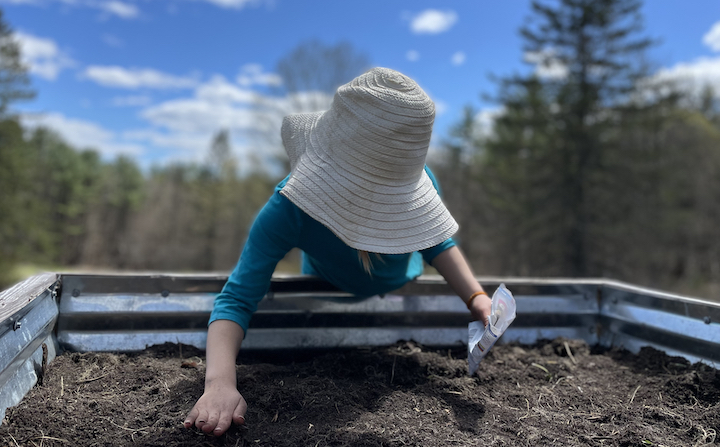
Seven years later, the reality of that transition has shifted from a quest for total autonomy to a nuanced lesson in balance. The journey has revealed that the "back-to-the-land" dream often masks the logistical, emotional, and physical demands of subsistence-level farming.
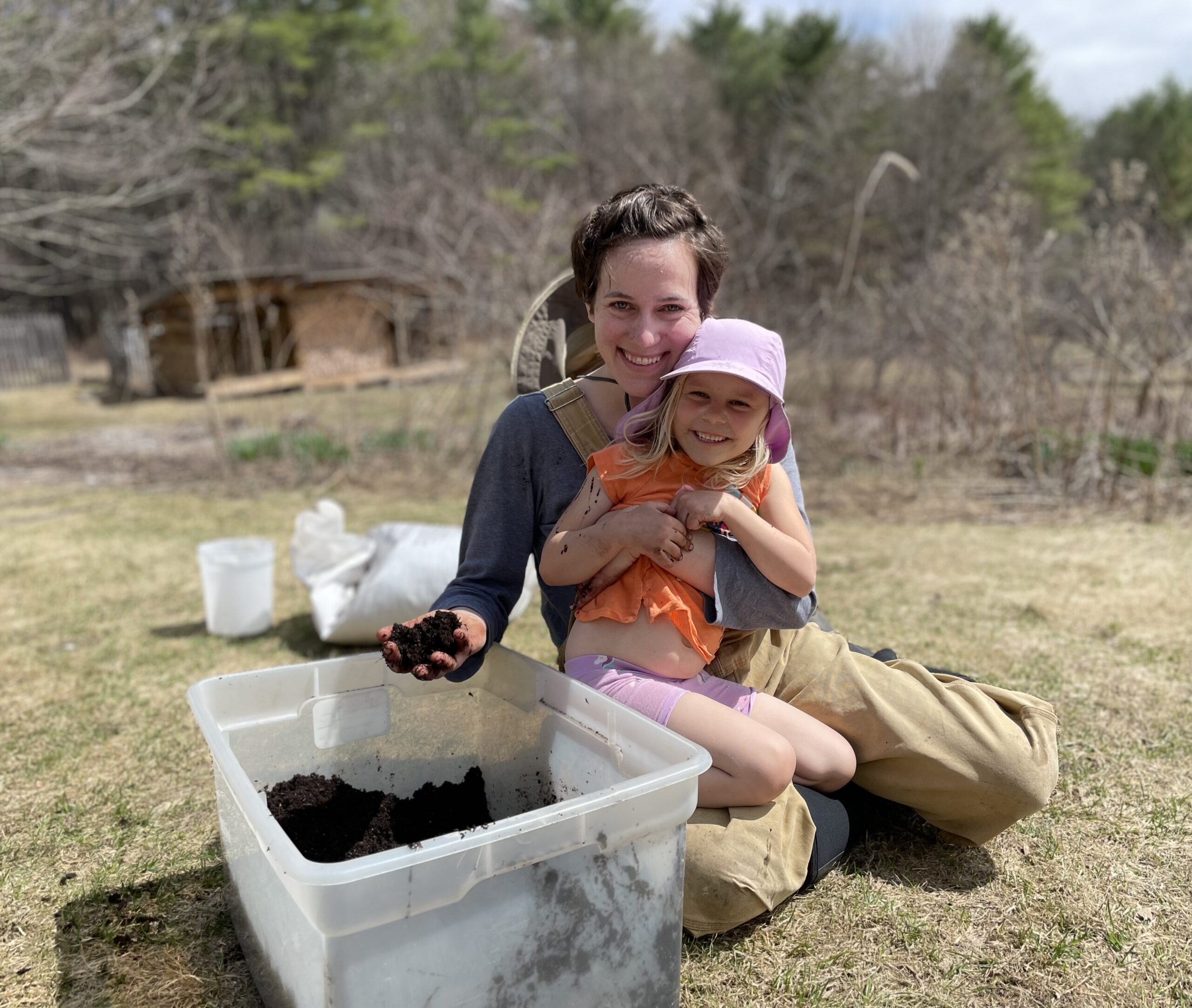
The Evolution of a Homesteading Philosophy
At the outset, the goal was binary: leave the city, move to the woods, and produce everything required for survival. The mental image was one of idyllic afternoons spent tending to rows of vegetables, followed by long winters sustained by a well-stocked larder filled with home-preserved goods.

However, the passage of time—marked by the ninth anniversary of the Frugalwoods project and the seventh anniversary of the rural transition—has brought a sobering, if liberating, reality check. The primary revelation? The realization that "doing it all" is not only unnecessary but potentially counterproductive to the very lifestyle of freedom and joy that prompted the move in the first place.

Chronology: From Idealism to Pragmatism
The transition from amateur gardener to seasoned rural resident was marked by several distinct phases of learning.

2016: The Arrival and Initial Ambition
Upon moving to their Vermont property, the couple held high hopes for a fully integrated food system. The vision included not just gardens, but livestock: meat chickens, pigs, and goats, along with a dairy cow for home-churned butter and cheese.

2018: The "Kale and Chard Apocalypse"
The pivotal turning point in their journey occurred in 2018. In an effort to prove that they could provide for their own nutritional needs, the homesteaders planted 80 kale and chard plants. The crop was overwhelmingly successful, but the resulting labor—harvesting, washing in makeshift baby pools, and processing for days—became a source of profound stress.

2019–2022: Scaling Down and Infrastructure Focus
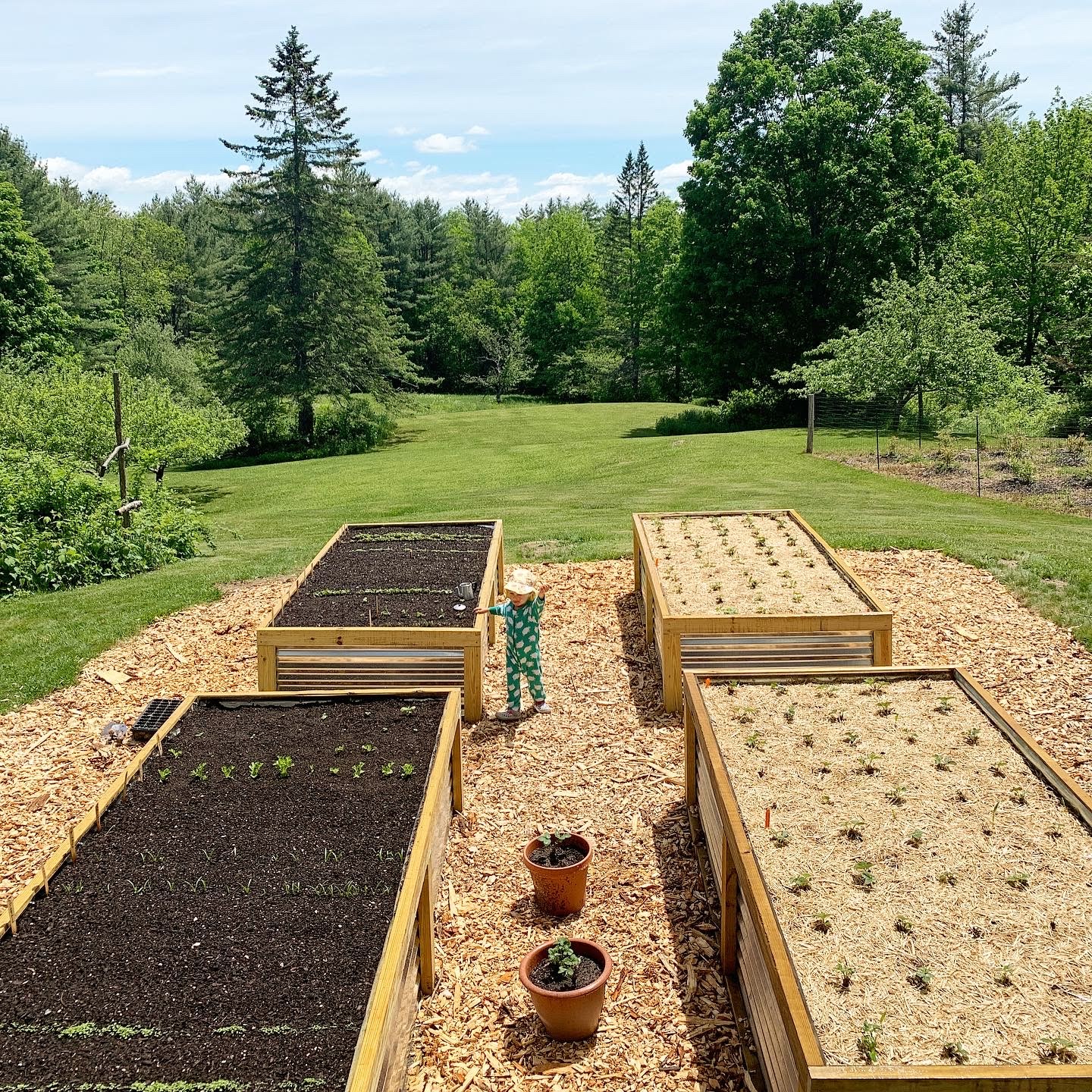
The couple shifted their focus toward building manageable infrastructure, such as raised beds near the home and permanent trellising systems using cattle panels. This period was defined by a transition from "subsistence mode" to "enjoyment mode."

2023: The Modern Equilibrium
Today, the homesteaders have embraced a hybrid model. They maintain specific garden areas for fresh consumption but have largely abandoned the pressure to preserve every ounce of yield. They have pivoted toward supporting local agricultural neighbors, recognizing that specialized farming is a full-time profession that requires a dedication they no longer wish to exert at the expense of their personal time.

Supporting Data: The Logistics of Food Production
The reality of rural living is often dictated by the "Clever Varmint Patrol" (CVP)—the local wildlife that competes for the harvest.
- Perennial Challenges: Fruit trees (apples, cherries, plums) require roughly six years to reach maturity. Even then, production is subject to the variables of weather, late frosts, and wildlife predation.
- The Harvesting Bottleneck: A recurring issue is that crops often ripen simultaneously. Without a professional-grade kitchen or a dedicated work crew, the volume of produce can quickly exceed the capacity for preservation, leading to food waste.
- The Cost of Perfection: The time investment required to preserve crops—processing, blanching, canning, and sealing—often amounts to a "second job." For individuals who moved to the country to escape the "rat race," this paradox of replacing corporate stress with agricultural stress has become a central point of reflection.
Official Perspective: The Redefinition of Success
The founders of Frugalwoods now view their homesteading efforts through a lens of privilege rather than necessity. They emphasize that they are not subsistence farmers, nor do they desire to be. The current management style is categorized into two main growing zones:

- The Porch-Side Raised Beds: Designed for proximity and convenience, these beds focus on high-yield, daily-use items like herbs, greens, and strawberries.
- The "Big" Vegetable Garden: A fenced, permanent structure used for annuals like tomatoes, beans, and squash. This space also serves an educational purpose, with each child tending their own row.
The official stance of the homesteaders is one of "Acceptance." They argue that the pressure to be the "perfect homesteader"—an image heavily curated by social media and lifestyle blogs—is a self-imposed trap. By choosing to buy what they cannot easily grow and focusing on the joy of gardening rather than the obligation of production, they have found a sustainable rhythm.

Implications for Future Homesteaders
The Frugalwoods experience serves as a case study for those considering a departure from urban life. The implications are clear:

- The Danger of Over-Commitment: New homesteaders often fall into the trap of over-planting. Success in the garden can lead to an overwhelming burden of preservation.
- Defining "Success": For many, success is not a pantry full of home-canned goods, but the time to engage in the community, enjoy the land, and maintain a healthy balance between productivity and leisure.
- Community Integration: Rather than attempting to be self-contained, the modern homesteader benefits from a symbiotic relationship with the local agricultural economy. Purchasing from neighbors supports the local food system and acknowledges the professional skill required for high-yield farming.
Ultimately, the lesson is that the "good life" is not found in the sheer quantity of food grown, but in the freedom to choose how one spends their hours. By shedding the, at times, crushing weight of self-imposed expectations, the homesteaders have arrived at a destination that is arguably more authentic than the one they initially envisioned: a life of intentional living, where the garden is a source of nourishment and recreation, not a mandate for survival.