The Myth of the Self-Sufficient Homestead: Lessons from Seven Years in the Vermont Woods
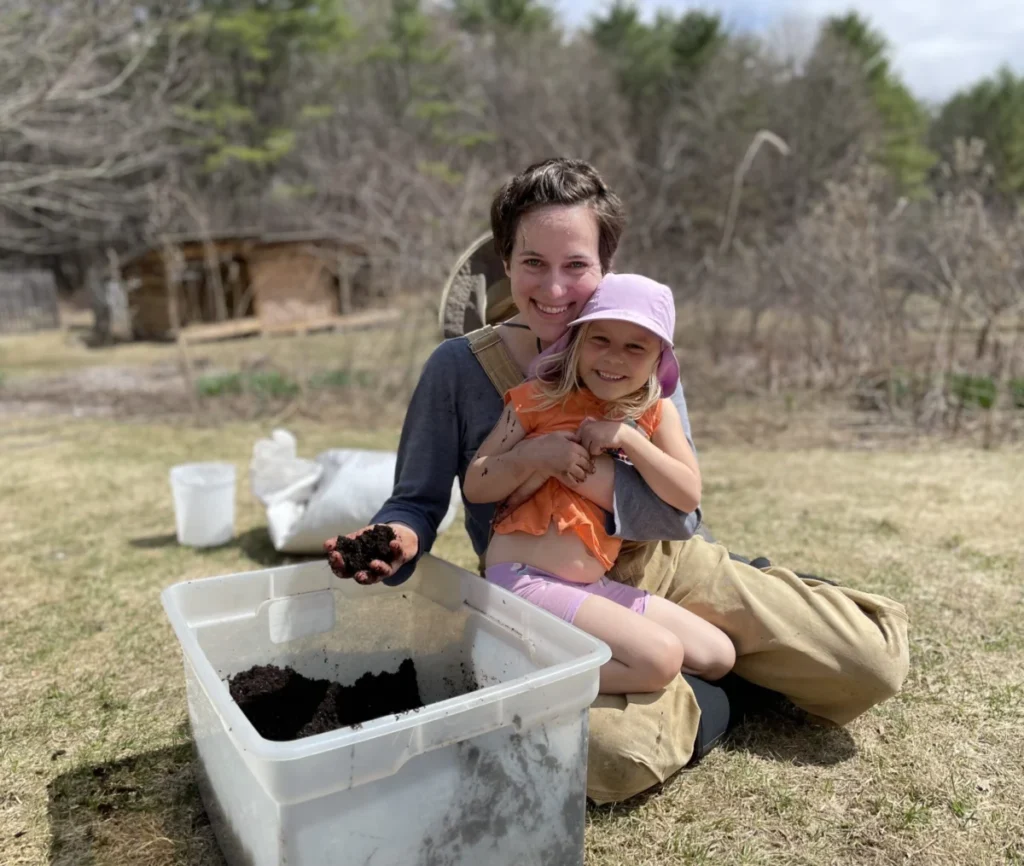
When the Frugalwoods—a family known for their commitment to extreme financial independence and rural living—first purchased their 66-acre homestead in the Vermont wilderness in May 2016, they carried with them a vision as lush as the forest surrounding their new home. It was a vision of total self-sufficiency: a "modern-day, free-range, organic paradise" where they would harvest, preserve, and consume their own food, year-round.
Seven years later, that vision has undergone a radical transformation. Through a process of trial, error, and the humbling reality of agricultural labor, the family has come to a different conclusion: the pursuit of total self-sufficiency can be as stifling as the corporate "rat race" it was intended to replace.
The Romanticized Ideal vs. The Practical Reality
The initial aspiration was clear: to move away from city life, reduce dependence on external food systems, and embrace a lifestyle akin to an idyllic, modernized Little House on the Prairie. The family envisioned themselves gracefully harvesting vegetables, canning surplus in a sunlit kitchen, and enjoying the fruits of their labor while snow fell outside.
"I had a powerful imagination," the family reflects in a recent retrospective. "I thought perhaps we’d raise meat chickens, pigs, goats, and have a dairy cow for milk from which I’d churn my own butter and make my own cheese."
However, the reality of rural life quickly introduced a more nuanced truth. While the goal of total self-sufficiency is technically possible—and practiced by many dedicated homesteaders—it is a demanding, full-time occupation that leaves little room for other pursuits. The family discovered that the "gargantuan assumption" that they could and should grow all their own food was not just difficult; it was fundamentally at odds with their goal of achieving freedom, time, and space.
A Chronology of Discovery: From "Kale Apocalypse" to Equilibrium
The shift in perspective was not instantaneous. It was forged in the heat of a particularly challenging harvest season in 2018.

2016: The Arrival
The Frugalwoods settled onto their property with high expectations. The initial phase was defined by massive infrastructure projects—clearing land, building fences, and establishing the layout of their gardens. This was a time of high energy and immense optimism, characterized by the belief that hard work would directly correlate to a life of complete independence.
2018: The Kale & Chard Apocalypse
The turning point arrived with the "Kale and Chard Apocalypse." In a bid to maximize their harvest, the family planted 80 kale and chard plants. The crop was, by all accounts, a massive success—but it was also the catalyst for a crisis.

The task of harvesting, washing, and processing these greens became a multi-day, grueling ordeal. The family found themselves using a children’s wading pool as a makeshift washing station. The effort required to process just this one crop revealed the hidden labor costs of the homesteading dream. Even worse, despite their exhaustive efforts, the family could not consume the mountain of greens they had preserved, leading to the heartbreaking necessity of composting the excess.
2020: The Infrastructure Pivot
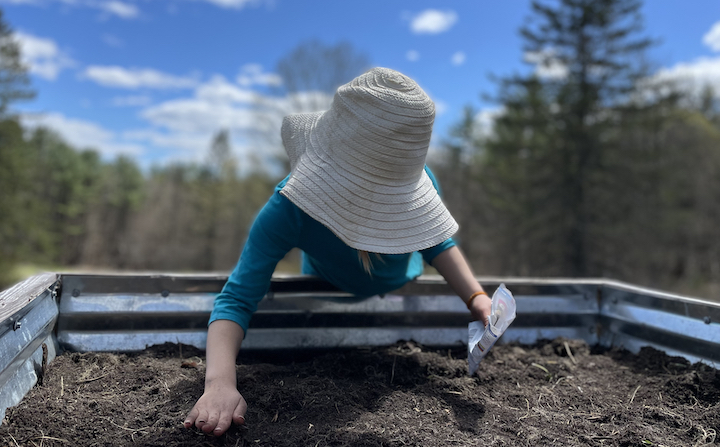
Recognizing the unsustainable nature of their previous approach, the family began to refine their methods. In 2020, they focused on infrastructure that supported convenience rather than raw volume. This included the construction of raised beds situated in close proximity to their back porch, making the act of harvesting for dinner a matter of seconds rather than a planned expedition.

2023: The State of Acceptance
Today, seven years into their rural journey, the family has reached a state of equilibrium. The "big" garden remains for seasonal vegetables, and they continue to manage an orchard of perennial fruit trees, but the pressure to be a "perfect homesteader" has dissipated. They now prioritize balance, choosing to support local farmers for the bulk of their needs and focusing their own gardening on what brings them joy rather than what is necessary for survival.
Supporting Data: The Logistics of Modern Homesteading
The Frugalwoods’ experience highlights several critical factors that often escape those dreaming of a rural exodus.

- The Time-Bound Nature of Nature: Agriculture does not respect human schedules. Crops ripen when they ripen. If a family is not ready to "drop everything" and spend a full day harvesting, the yield is often lost to pests or decay.
- The "Clever Varmint Patrol" (CVP): Wildlife remains a significant competitor for resources. The family notes that despite their best efforts with netting and cages, local wildlife—from insects to larger animals—frequently claims the harvest before the humans can.
- The Multi-Year Ramp-Up: Perennial food sources, such as fruit trees and berry bushes, require years of maintenance before they yield a harvest. This creates a long-term investment risk where weather, pests, or disease can nullify years of effort in a single season.
- The Perils of Over-Preserving: The family discovered that "over-gifting" preserved food is a genuine social phenomenon. There is a practical limit to how many jars of pickles or quarts of tomato sauce a household can consume or realistically give away.
The Philosophical Implications: Redefining "Success"
The most profound implication of this journey is the family’s re-evaluation of their core values. They moved to the woods to escape external pressures and the "rat race." They eventually realized that by chaining themselves to the garden, they were merely replicating the stress and anxiety of a traditional corporate office.
"I’ve learned that chaining myself to my vegetable garden is really no different than chaining myself to my desk and computer," they admit.

The transition from a "perfectionist" model to one of "conscious moderation" has allowed the family to reclaim the very things they sought when they left the city: joy, time, and freedom. They now view their garden as a hobby and a learning experience for their children, rather than a primary source of sustenance. By supporting their neighbors—who have the infrastructure and the expertise to farm professionally—the Frugalwoods have become part of a larger, more sustainable community network.
Conclusion: The Final Stage of Gardening
The family characterizes their current stance as the "final stage" of every gardener: Acceptance.

Acceptance that they do not enjoy spending every summer hour weeding or every autumn hour canning. Acceptance that they do not need to be subsistence farmers to justify their lifestyle. And perhaps most importantly, acceptance that the value of their rural life is not measured in the number of jars in the basement, but in the memories made at the lake, the live music enjoyed at a neighbor’s farm, and the freedom to define their own version of success.
For those looking to follow in their footsteps, the lesson is clear: the most successful homestead is not necessarily the one that provides the most food, but the one that best sustains the spirit of those living on the land.