The High Cost of Compassion: A Candid Look at the Challenges of Rescue Dog Adoption
For many, the decision to welcome a rescue animal into a home is viewed as an act of pure altruism—a chance to provide a second lease on life for a creature in need. However, behind the heartwarming social media posts and the idealized image of family companionship lies a complex, often grueling reality that many prospective pet owners fail to anticipate.
Recently, a family’s journey with a hound named Genevieve, affectionately known as "Gigi," has sparked a wider conversation about the logistical, emotional, and financial realities of dog ownership. What began as a rescue mission in the woods of Vermont transformed into a four-month odyssey that challenged the family’s lifestyle, tested their financial resources, and ultimately forced a heartbreaking but necessary decision.
The Arrival of Gigi: A Rescue in the Woods
The story of Gigi began in late September 2022, when she was discovered in a friend’s yard. The dog was emaciated, covered in lacerations, and lacked any form of identification. After exhaustive efforts to locate a potential owner—including checking for a microchip and circulating her photograph—it became clear that the hound had likely been separated from a hunting pack.

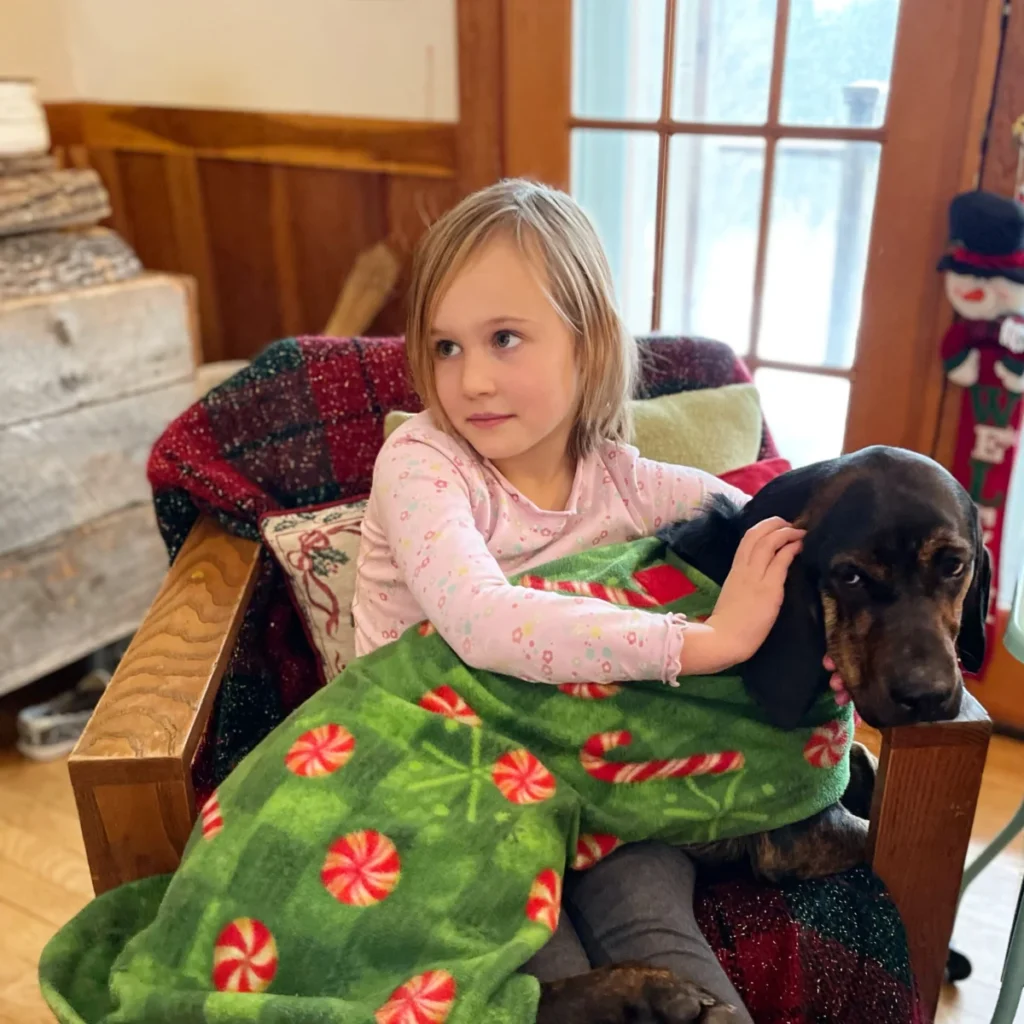
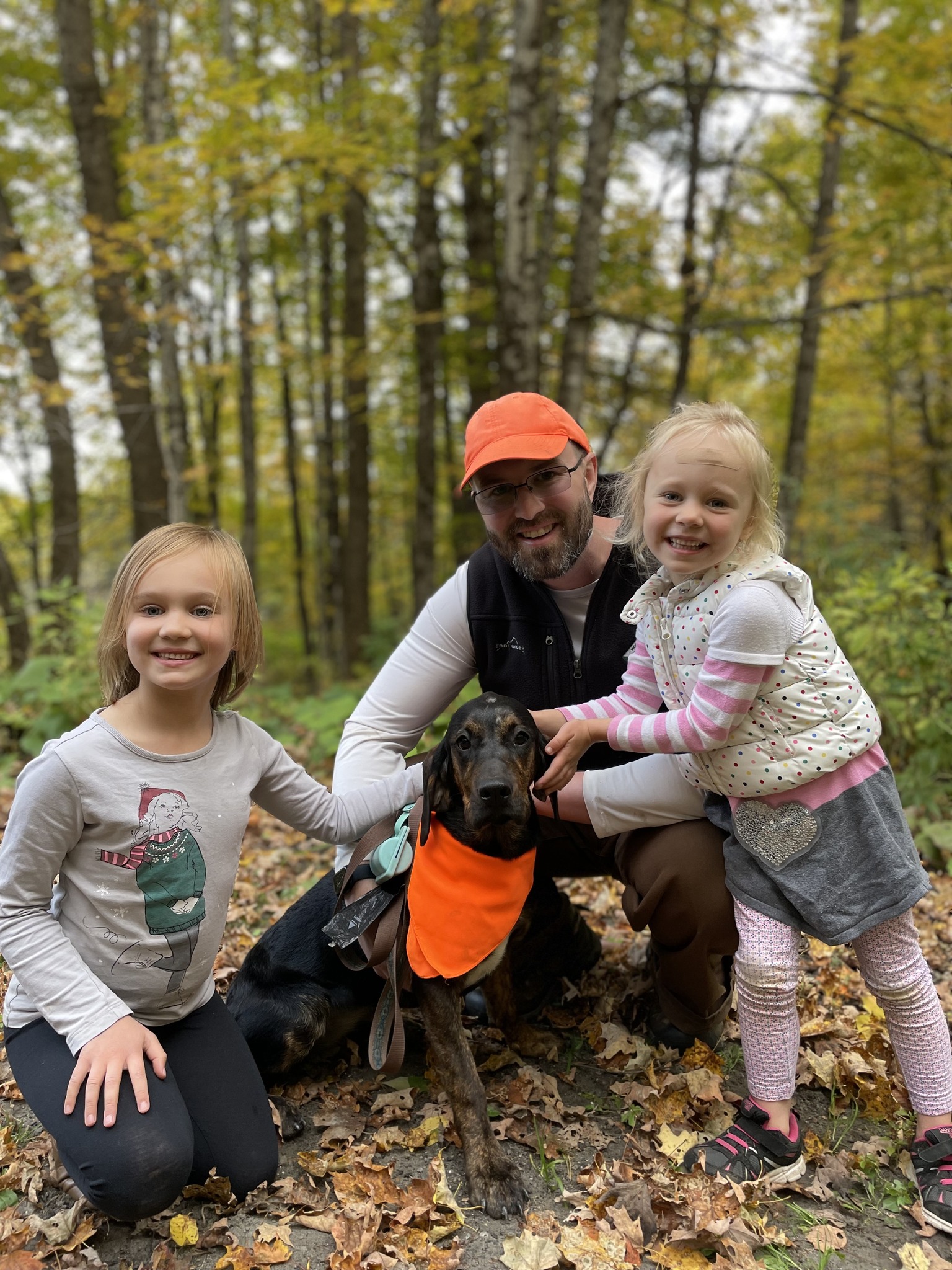
The family, already known for their thoughtful approach to lifestyle and finance, felt a profound connection to the animal. Recognizing that the temporary solution of a local shelter might not provide the stability she needed, they opened their home to her on October 3, 2022. Gigi was, by all accounts, a charming and affectionate addition to the household. She excelled at hiking, remained quiet, and bonded deeply with the children. Yet, beneath the surface of her calm demeanor, a severe psychological barrier existed: she could not be left alone.
The "Cannot-Be-Left-Alone" Saga: A Chronological Struggle
The family’s attempt to integrate Gigi was met with a persistent, non-negotiable challenge: extreme separation anxiety. Despite their prior experience with crate training—a method that had proven successful with their previous greyhound—Gigi’s reaction to her owner’s absence was immediate and severe.
Behavioral Intervention (Month 1)
The family initially approached the issue as a behavioral hurdle. They enlisted the services of a professional dog trainer, implementing a strict desensitization regimen. This involved leaving the house for mere seconds and gradually increasing the duration of absence. Despite their diligence, Gigi’s threshold for panic remained at roughly five minutes. Even under the guidance of an expert, the dog’s response to isolation remained unchanged, leaving trainers perplexed by the discrepancy between her calm behavior with humans and her absolute terror when left in her crate.
The Technological Experiment (Month 2)
Transitioning from behavioral to technological solutions, the family installed a high-definition monitoring system to observe her behavior. This was quickly followed by an interactive "camera-treat-dispenser." The goal was to provide positive reinforcement remotely, rewarding the dog for calm behavior while the family was away. The technology, while sophisticated, failed to mitigate the physiological and psychological distress Gigi experienced during the family’s absence.
The Medical Route (Months 3–4)
Finally, the family turned to veterinary medicine. A series of visits resulted in a progression of prescriptions, ranging from mild anti-anxiety medications to sedatives and tranquilizers. Despite consistent medical intervention, none of the treatments provided the necessary relief. Every departure resulted in the same outcome: panic, pacing, and house-soiling, requiring the family to spend significant time cleaning the crate and the dog upon every return.
Financial Transparency: The True Cost of Pet Ownership
A striking element of this case is the family’s decision to maintain rigorous financial records of their endeavor. Over the course of four months, the attempt to rehabilitate Gigi cost the family $2,373.25. This figure serves as a sobering reminder of the hidden expenses associated with pet rescue.

Breakdown of Expenses:
- Medical Care: Costs included the initial vet intake, vaccinations, de-worming, microchipping, and a series of subsequent visits for medication, totaling over $900.
- Administrative & Foster Support: The family donated $600 to the rescue organization that eventually facilitated her rehoming to cover the costs of her spaying and care.
- Training & Equipment: Investments in professional training, cameras, treat dispensers, and high-quality gear (such as winter booties and vests) added nearly $400 to the total.
- Maintenance: Routine expenses, including food, toys, and winter supplies, accounted for the remainder.
This total is a stark contrast to the estimated $930 annual cost of their previous dog, demonstrating that when a pet has complex medical or behavioral needs, the financial burden can escalate rapidly.
Implications for Modern Families
The necessity of the family’s decision to surrender Gigi to a foster-based rescue organization highlights a critical lesson in family dynamics. They realized that their lifestyle—one that included school events, travel, and family outings—was being held hostage by the dog’s needs.

The rescue organization later discovered that Gigi’s anxiety was rooted in a lack of a pack structure. In a new home with other dogs, her anxiety dissipated entirely. This revelation underscored a fundamental truth: some animals are not suited for solo-living environments, regardless of the amount of love or financial resources provided.
For the family, the decision was a painful exercise in setting boundaries. They were forced to weigh their desire to provide a home for a rescue animal against their responsibility to their children and their own mental well-being. They concluded that they could not continue a lifestyle where one parent was perpetually sidelined to act as a caregiver, nor could they subject their children to the stress of a perpetually distressed pet.
Reflections on Lessons Learned
The primary lesson extracted from this experience is the importance of "head over heart" decision-making. The family acknowledges that they rushed into the adoption process, driven by emotion rather than a cold assessment of their capacity to manage a dog with high-needs separation anxiety.
"I feel like a failure of a dog parent," the author noted, yet this sentiment is tempered by the reality of the outcome. Gigi is now thriving in a pack-heavy environment, and the family has regained their freedom to participate in community and family life. They have since adopted a "dog-sitting" model, where they care for friends’ dogs on a temporary basis. This allows them to foster companionship for their children without the permanent, high-pressure constraints that nearly broke their family dynamic.
Conclusion: A Nuanced Perspective on Rescue
This story is not a cautionary tale against adoption, but rather an illumination of the complexities involved. It serves as a reminder that the "rescue" process is often a two-way street; the animal must be a fit for the environment, and the environment must be capable of supporting the animal.
As the family navigates the aftermath—including the recent, unrelated struggle of repairing their home after the devastating Vermont floods—they remain committed to their core values. They have learned that control is an illusion, and that being a responsible parent and pet owner sometimes means acknowledging when a situation is unsustainable. Their transparency regarding the financial and emotional costs of this experience provides a valuable, albeit difficult, perspective for any family considering adding a four-legged member to their home. It is a testament to the fact that, at its core, responsible pet ownership is rooted in the honesty to recognize when the needs of the animal and the needs of the family are fundamentally misaligned.