The Heartbreak of Letting Go: An In-Depth Look at the Reality of Pet Ownership
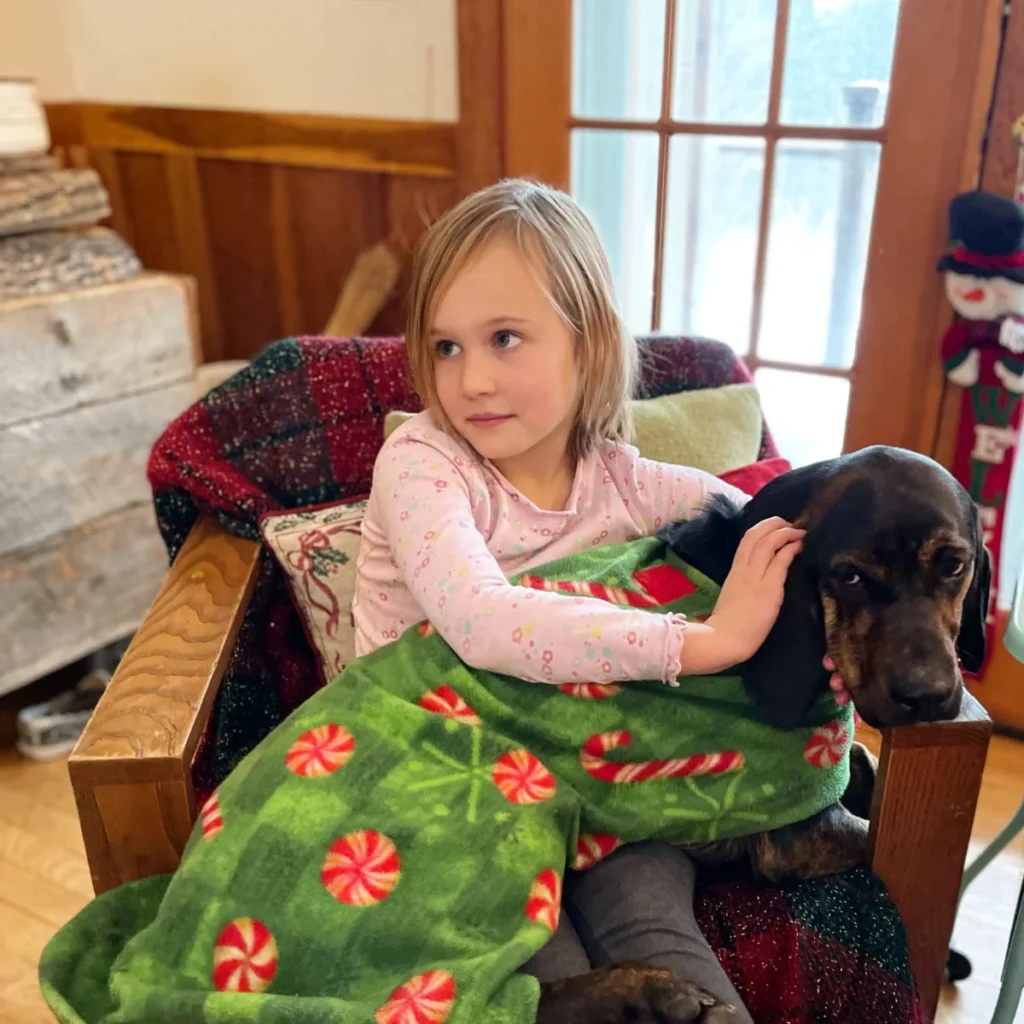
For many families, the addition of a dog is synonymous with joy, companionship, and a sense of completeness. However, the reality of integrating an animal into a household—particularly one with a complex history—can be far more fraught than the romanticized versions often portrayed on social media. For the family behind the popular personal finance blog Frugalwoods, a recent, painful experience with a rescue hound named Genevieve, or "Gigi," has sparked a wider conversation about the emotional and financial costs of pet adoption, as well as the importance of aligning a pet’s needs with a family’s lifestyle.
The Arrival and Initial Connection
The story of Gigi began in late September 2022, when she was discovered in a friend’s yard, emaciated and covered in scratches. Despite diligent efforts to locate her original owners, she arrived with no collar, no tags, and no microchip. Given her physical state and the rural surroundings, it was widely theorized that Gigi was a former bear-hunting hound who had become separated from her pack.
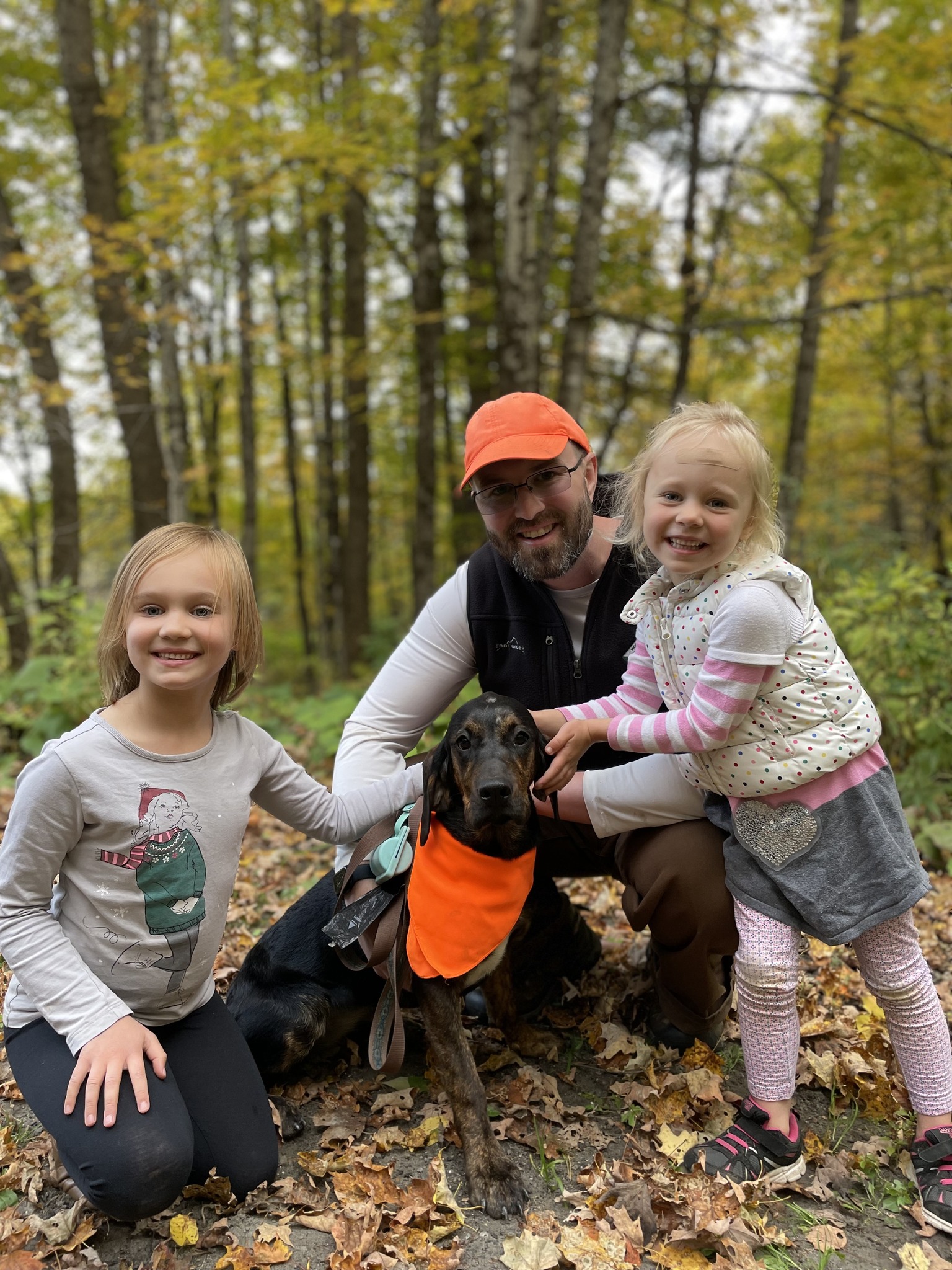
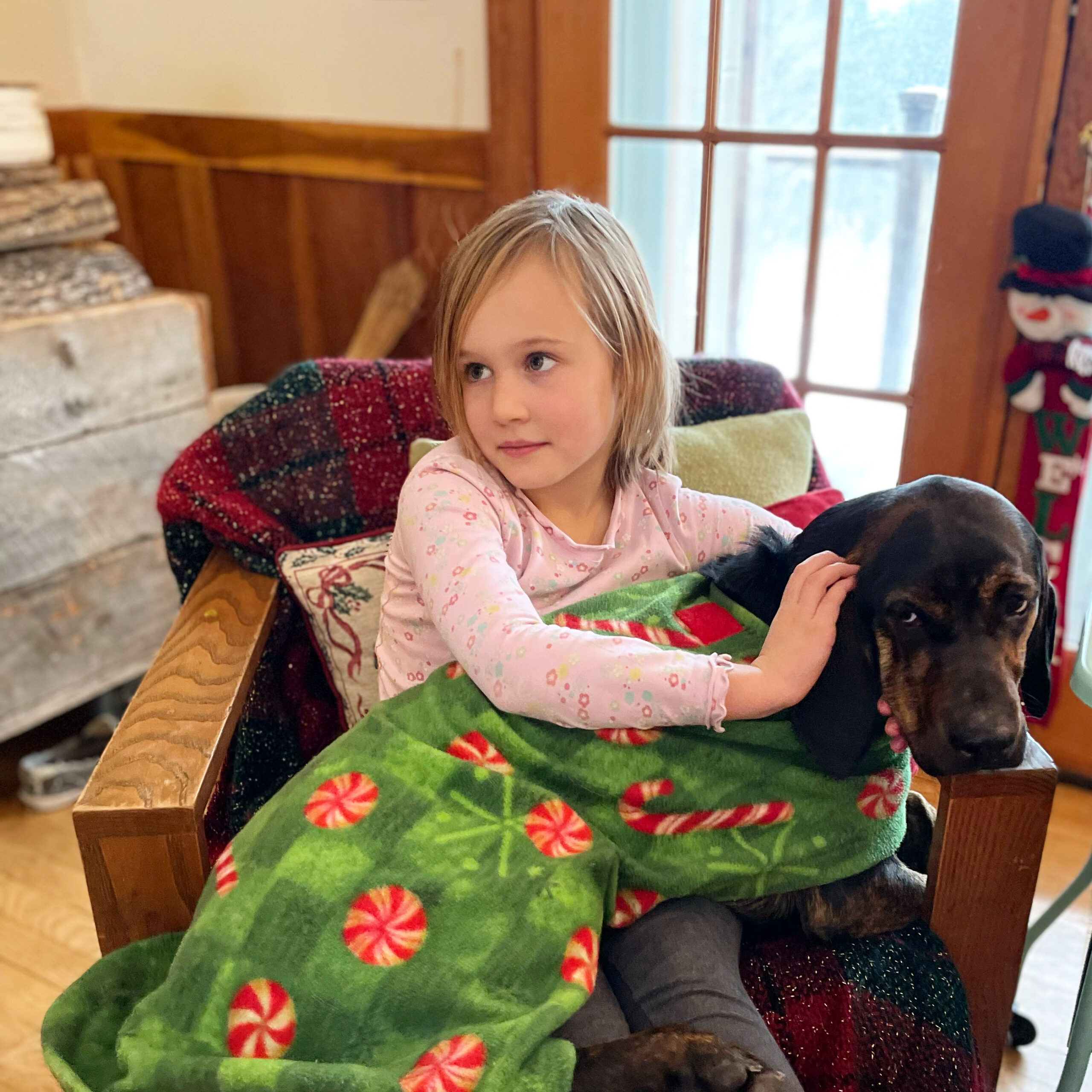
After a few days of care by friends who were unable to permanently house a second dog, the Frugalwoods family met the hound. The connection was immediate. Recognizing the potential for a shelter to be a difficult environment for such a sensitive animal, the family chose to intervene, bringing her into their home on October 3, 2022. For a time, it seemed like a perfect match; Gigi was affectionate, loved hiking, and quickly endeared herself to the family’s two children.

A Chronology of Crisis: The Struggle with Separation Anxiety
While the daytime hours were filled with companionship, a darker reality emerged the moment the family attempted to leave the house. Despite having successfully crate-trained previous pets, the family quickly discovered that Gigi’s separation anxiety was severe and, for a long time, insurmountable.
The Behavioral Training Phase
Initially, the family operated under the assumption that this was a behavioral issue that could be corrected with consistency. They engaged a professional dog trainer, who implemented a strict regimen. The process involved desensitization techniques, such as leaving the home for mere seconds and returning to praise the dog for calm behavior. Despite months of dedication, they were unable to extend her comfort levels beyond a five-minute threshold. The trainer, while experienced, admitted to being perplexed by the severity of the panic response in an otherwise well-adjusted dog.
The Technological and Medical Interventions
As behavioral training hit a wall, the family transitioned to a technological approach. They installed cameras to monitor her behavior, hoping to better understand the triggers for her distress. Following this, they utilized a remote-controlled treat dispenser, which allowed them to reward the dog for calm behavior while they were away. Neither tool successfully mitigated the panic.
Finally, the family turned to medical professionals. Through a series of veterinary visits, they explored various pharmaceutical interventions, ranging from anti-anxiety medications to sedatives and tranquilizers. Despite these efforts, none of the prescribed treatments provided the necessary relief for the dog or the family. Each time the house was left unattended for more than five minutes, the cycle of panic—pacing, destruction, and loss of bowel control—continued.
Supporting Data: The Hidden Financial Burden
One of the most revealing aspects of this ordeal is the financial transparency provided by the family. While many prospective pet owners focus on the cost of adoption fees or initial supplies, this case serves as a stark reminder of the "invisible" expenses that arise when a pet has special needs.
The family documented a total expenditure of $2,373.25 over the four-month period they cared for Gigi. This figure includes:

- Medical and Veterinary Care: $1,053.38 for initial check-ups, vaccinations, de-worming, microchipping, and various rounds of failed medications.
- Support and Training: $150.00 for professional training sessions.
- Equipment and Supplies: $367.66 for specialized items, including cameras, treat dispensers, crates, and high-visibility gear for hiking.
- Operational Costs: $800.21 covering food, toys, bedding, licensing, and a donation to the rescue organization that ultimately rehomed her.
For comparison, the family’s previous pet, a greyhound named Gracie, cost approximately $930 annually. This contrast underscores that pet ownership is an unpredictable financial commitment, one that can fluctuate wildly based on the health and behavioral needs of the animal.
Official Responses and The Decision to Rehome
After four months of exhaustion—both emotional and physical—the family reached a breaking point. It became clear that their lifestyle as an active family with two young children could not be reconciled with a dog that required 24/7 supervision. The decision to relinquish Gigi was made not out of malice, but out of a realization that they were unable to provide the specific environment she required to thrive.
They contacted a foster-based rescue organization, which was able to find a home for Gigi that better suited her needs. The rescue discovered that Gigi thrived when placed in an environment with other dogs, confirming the suspicion that she was a pack-oriented animal. She has since been successfully adopted into a family with multiple dogs, where she is reportedly doing well.

Implications for Modern Families
This story carries profound implications for anyone considering adopting a pet. It challenges the "rescue" narrative that suggests love alone can solve deep-seated trauma or behavioral issues.
1. The Reality of "Pack" Mentality
For breeds like hounds, which are often bred for group work, the requirement for a "pack" is not just a preference; it is a fundamental need. The failure to address this during the initial adoption process highlights the need for prospective owners to research the specific breed history and personality traits of a potential pet.
2. The Impact on Human Relationships
The family noted that their time with Gigi placed significant strain on their dynamics. They found themselves unable to participate in communal activities, such as attending school events, church, or family outings, because someone always had to remain at home. This led to internal conflict and stress, which the children began to notice. The case serves as a reminder that a pet should enhance, not restrict, the well-being of the family unit.
3. The Ethics of "Failing" a Pet
The family expressed feelings of failure, yet their transparency invites a more compassionate look at the ethics of rehoming. By acknowledging that they were not the right home for Gigi and ensuring she was placed in a setting where she could succeed, they arguably made the most responsible choice for the animal’s long-term health.
Moving Forward: The "Dog Aunt" Model
In the wake of this experience, the family has opted to abstain from pet ownership, focusing instead on the freedom of their children’s current age. However, they have found a middle ground that allows them to interact with dogs without the full-time burden: dog-sitting. By caring for friends’ pets, they provide a service to their community while enjoying the companionship of a dog on a temporary basis.
This solution—the "dog aunt" model—offers a sustainable alternative for those who love animals but cannot accommodate the unpredictability of full-time ownership. It highlights that there are many ways to engage with the animal kingdom beyond the traditional model of lifelong, sole-responsibility ownership.

Ultimately, the story of Gigi is a poignant reminder that while pets are a source of immense joy, they are also living beings with histories and needs that do not always align with our own. True responsible ownership is defined not only by the love we give, but by our willingness to be honest about our limitations and to prioritize the best interests of the animal—even when that means letting go.