The Geopolitical Crucible: Oman, Iran, and the Battle for the Strait of Hormuz
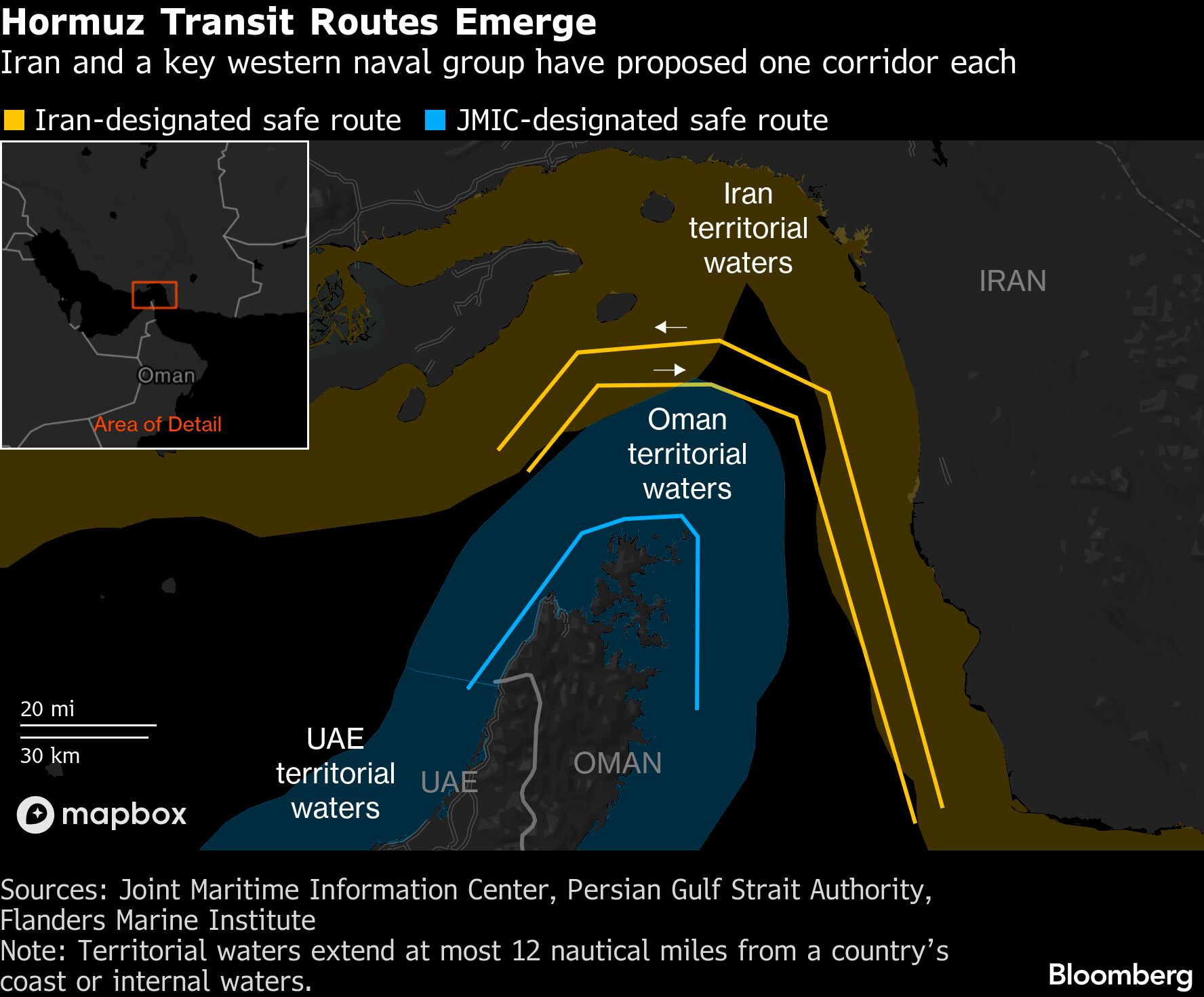
The Strait of Hormuz, the world’s most critical maritime chokepoint, has emerged as the epicenter of a precarious post-war negotiation. As the dust settles from nearly four months of intense conflict between the United States, its allies, and Iran, a new, volatile reality is taking shape. Oman, long considered the "Switzerland of the Middle East" for its deft neutrality, has signaled to European officials that a return to the pre-war status quo regarding the transit of commercial vessels is increasingly unlikely.
Behind closed doors, Omani authorities have floated the possibility of implementing transit fees for ships navigating the narrow waterway. While Muscat insists it will remain in strict accordance with international maritime law, the proposal has sent shockwaves through global markets and diplomatic corridors, raising fears that a tolling system—jointly managed with Tehran—could become the new normal for global energy security.
The Strategic Shift: A New Era for Maritime Transit
For decades, the Strait of Hormuz has operated under the principle of free and unimpeded passage. As the conduit for a significant portion of the world’s oil and liquefied natural gas (LNG), its security is synonymous with global economic stability. However, the recent conflict, which saw Iranian forces mine parts of the waterway and launch targeted attacks on commercial shipping, has irrevocably altered the regional security architecture.
Omani officials, speaking on condition of anonymity, have indicated they are currently analyzing international models for managing maritime chokepoints, including the Malacca Strait in Southeast Asia. While the Malacca Strait does not impose mandatory tolls, it does facilitate a system of cost-sharing for security and navigational services. Oman’s interest in such a model suggests a desire to formalize "service fees" for de-polluting the strait or providing maritime guidance. Whether these fees will eventually be classified as mandatory remains the central question haunting shipping conglomerates and commodity traders alike.
Chronology of a Crisis: From Conflict to Fragile Peace
The escalation of the crisis followed a period of sustained aerial bombardment of Iran by the United States and Israel, which began in late February. In retaliation, Tehran moved to effectively shutter the Strait of Hormuz, using military force to threaten commercial traffic. The following timeline outlines the rapid deterioration and subsequent efforts at stabilization:
- Late February 2026: The onset of US-Israeli airstrikes against Iran triggers a retaliatory closure of the Strait of Hormuz by Iranian naval forces, characterized by the mining of transit lanes and direct threats to commercial vessels.
- March – May 2026: A period of sustained maritime insecurity ensues. Global oil prices experience extreme volatility, and insurance premiums for tankers skyrocket.
- June 2026 (Early): President Donald Trump and the Iranian government sign an interim peace agreement, leading to a de-escalation of hostilities and a tentative resumption of tanker traffic.
- Mid-June 2026: Despite the peace deal, sporadic violence persists, including the targeting of the container ship Ever Lovely.
- Late June 2026: Oman sends conflicting diplomatic signals, simultaneously discussing joint traffic management with Iran while pledging to uphold international law in joint statements with the US and the Gulf Cooperation Council (GCC).
Official Responses and Diplomatic Friction
The diplomatic maneuvering surrounding the Strait has been marked by profound incoherence. Muscat’s dual-track diplomacy has left Western observers bewildered. In a statement released Tuesday, Oman and Iran announced they would discuss the operational costs associated with the waterway. Yet, just forty-eight hours later, Oman joined a GCC-US statement explicitly rejecting any "tolls, fees, or attempts to assert control" over the strait.
US Secretary of State Marco Rubio, currently on a regional tour, has attempted to project confidence. Speaking from Bahrain, Rubio characterized Oman’s commitment to a toll-free strait as "good news," yet analysts remain skeptical. The pressure on Muscat is immense; as a neighbor to both the US and a still-militarily capable Iran, Oman is effectively caught between a rock and a hard place.
"Oman’s balancing act has worked in the past," says Bader Al-Saif, an assistant professor at Kuwait University. "But with the two sides at war and constantly trying to outmaneuver one another, this behavior will eventually bite them. They are being forced to navigate a landscape where their neutrality is no longer viewed as a virtue, but as a point of contention."
Meanwhile, the Iranian leadership has adopted a bifurcated stance. While publicly claiming they are not seeking to impose formal tolls, they have informed shipping lines that vessels must apply for Iranian-backed insurance policies. Tehran has signaled that these policies will be offered free of charge for only the next 60 days, a timeframe many analysts view as a precursor to the imposition of de facto "protection money."
Supporting Data: The Economic and Strategic Stakes
The economic implications of any fee structure are staggering. With millions of barrels of oil and vast quantities of LNG flowing through the Strait of Hormuz daily, the introduction of even minor transit fees could result in an annual fiscal burden amounting to tens of billions of dollars for the global economy.
- Traffic Volume: While transit levels have begun to recover following the interim peace deal, they remain significantly below pre-war baselines.
- Security Overhead: The cost of maritime security in the Persian Gulf has surged, with insurance providers factoring in the lingering threat of mines and renewed military hostilities.
- The Malacca Precedent: While the Malacca Strait is often cited by proponents of the Omani fee model, experts point out that the management between Indonesia, Malaysia, and Singapore is rooted in regional cooperation rather than unilateral state coercion. Applying a similar model to the geopolitically charged waters of the Gulf carries a high risk of systemic failure.
Implications for Global Stability
The debate over the Strait of Hormuz is not merely about shipping logistics; it is a fundamental test of the post-war international order. As U.S. and Iranian negotiators move toward a more permanent peace settlement, the issue of "freedom of navigation" remains the primary stumbling block.
Secretary of State Rubio has been unequivocal, stating that a permanent peace requires Iran to renounce all claims to tolling or fees. The alternative, according to Western officials, is the disintegration of the rules-based maritime order. If Iran and Oman are permitted to redefine the Strait of Hormuz as a controlled, fee-based waterway, it sets a dangerous precedent. Governments across the globe could soon follow suit, applying similar restrictions to other critical maritime chokepoints, leading to what Rubio described as "inevitable chaos."
As French President Emmanuel Macron prepares to meet with Sultan Haitham bin Tariq in Paris, the international community is watching closely. The meeting is expected to focus on ensuring "free and unconditional passage." However, for Oman, the challenge is survival. Tehran remains the dominant military force in the Persian Gulf, and the threat of a return to hostilities serves as a grim reminder that in the shadow of the Strait, sovereignty is often dictated by the ability to project power.
Whether the Strait of Hormuz emerges from this conflict as a public utility or a toll-funded enterprise will define the economic trajectory of the coming decade. For now, the maritime world waits in a state of high alert, knowing that the peace is as thin as the waters of the Strait itself.