The Gatekeeper Gambit: The Supreme Court, the USPS, and the Battle for American Democracy
The United States Supreme Court recently delivered a significant, if narrow, rebuke to an administrative maneuver that would have fundamentally transformed the role of the U.S. Postal Service (USPS) in federal elections. By blocking a controversial executive order that sought to impose federal oversight on mail-in ballots, the Court has temporarily halted an attempt to centralize election administration. However, experts warn that the decision is merely a ceasefire in a much larger, multi-front war over the future of American voting rights and the constitutional balance of power between the states and the federal government.
At its heart, the dispute is not about the logistics of mail delivery; it is about the structural integrity of the American electoral process. The executive order in question did not explicitly ban mail-in voting—a move that would likely have faced immediate and insurmountable constitutional challenges—but it sought to establish the USPS as a federal "gatekeeper," capable of filtering, tracking, and potentially rejecting ballots based on criteria established by the executive branch.
The Mechanics of Control: How the Order Would Have Altered Voting
The directive issued by the administration proposed a radical shift in how the Postal Service interacts with state-run elections. Under the proposed rule, states would have been compelled to provide the federal government with granular, real-time data regarding voter eligibility for mail-in and absentee ballots.
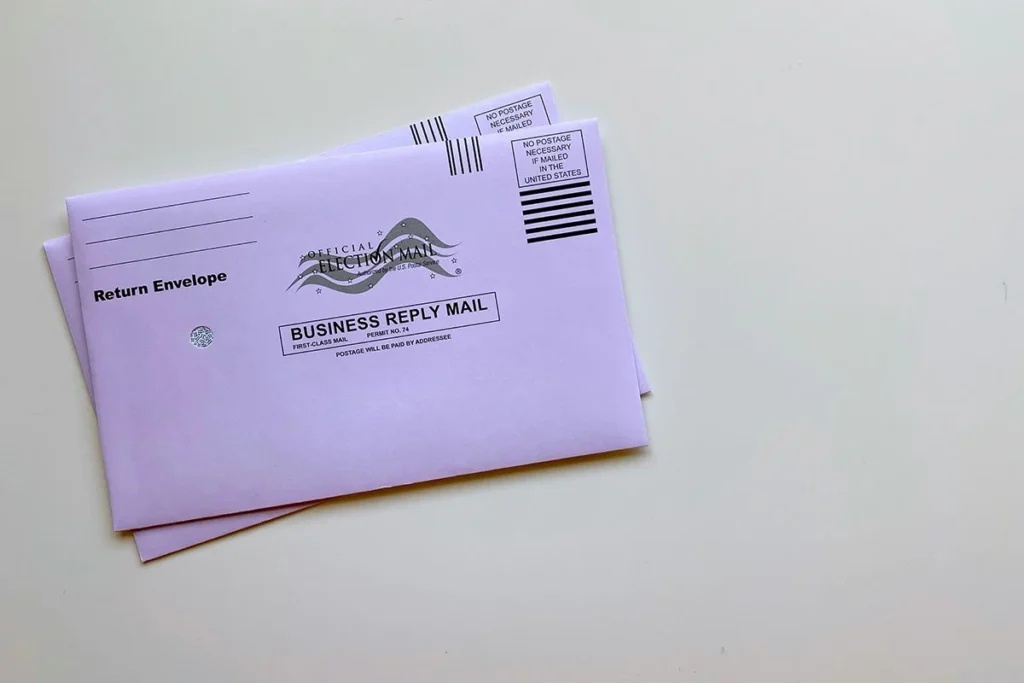
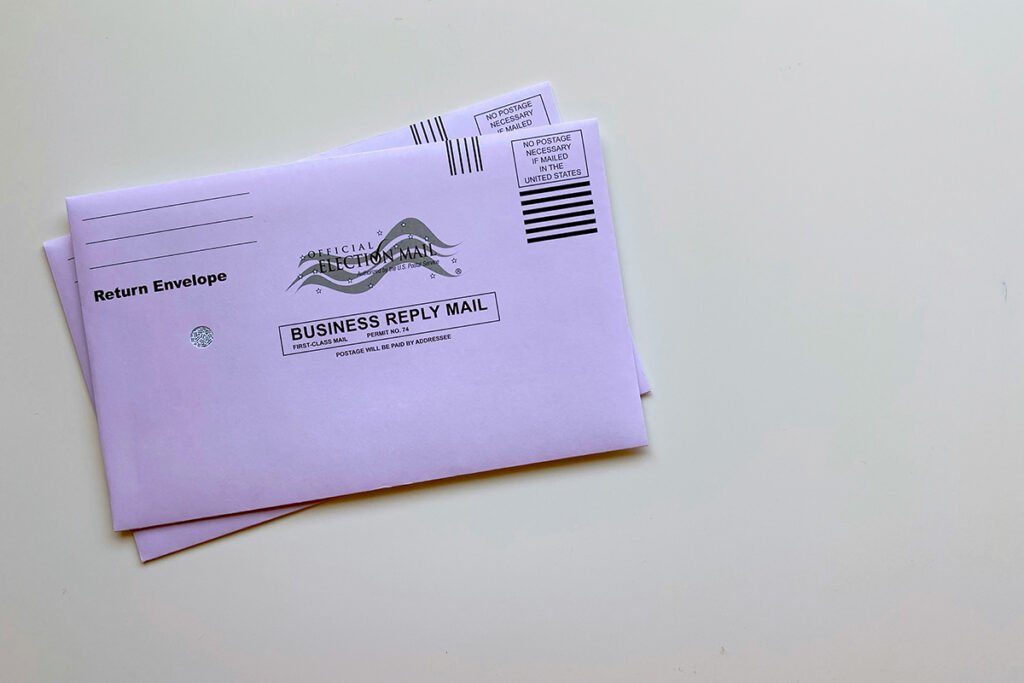
The USPS, historically a neutral carrier of the mail, would have been transformed into a verification node. The order mandated the use of standardized "Official Election Mail" envelopes, embedded with unique, government-issued barcodes. The system was designed to allow the USPS to cross-reference these barcodes against state-approved lists of eligible voters. If a ballot did not align perfectly with the federal data—or if a barcode was misread or flagged by the system—the Postal Service would have been empowered to delay or outright reject the delivery of that ballot to the local election board.
Democracy advocates were quick to point out the inherent dangers in this technical structure. A single, minor barcode error or a data mismatch in a massive federal database could, theoretically, lead to the systematic disqualification of entire batches of ballots. By positioning the USPS as an arbiter of "legitimacy," the administration was attempting to inject a layer of federal intervention into a process that has been the constitutional prerogative of individual states for over two centuries.
Chronology of a Constitutional Collision
The path to the Supreme Court was marked by a rapid series of legal and logistical alarms.
- Initial Implementation: Following the announcement of the executive order, civil rights organizations and state attorneys general filed emergency injunctions, arguing that the USPS lacked the legal authority to act as an election overseer.
- The Whistleblower Revelations: As litigation proceeded, a series of whistleblower reports emerged from within the USPS. These reports revealed that the proposed "ballot tracking portal" was not only under-tested but fraught with critical technical flaws that would have inevitably resulted in millions of ballots being stranded in the postal system.
- Lower Court Injunctions: Multiple federal district courts issued preliminary injunctions, recognizing that the confusion caused by these new rules would likely result in mass disenfranchisement ahead of the midterms.
- Supreme Court Intervention: Faced with an looming election deadline, the Supreme Court opted to keep these lower court injunctions in place. The Court’s decision was largely grounded in the doctrine of "practical consequences"—the notion that changing the rules of an election just weeks before voting begins creates an unacceptable risk of chaos and voter suppression.
While the ruling provides a reprieve, it stopped short of declaring the executive order unconstitutional. This silence from the Court has created a vacuum of uncertainty, leaving the door ajar for future administrations to pursue similar policies through more refined, long-term litigation or legislative channels.
Supporting Data: The Myth of Fraud vs. The Reality of Disruption
The administration justified these measures through the lens of "election integrity," claiming that a more robust federal tracking system would mitigate the risks of fraudulent ballots. However, these claims have been consistently refuted by the non-partisan consensus of election officials, civil society organizations, and academic researchers.
Data from the Brennan Center for Justice and other watchdog groups confirm that, in the United States, voter fraud is an exceedingly rare phenomenon. Statistical evidence shows that the rate of fraud in mail-in voting is statistically negligible—often less than 0.0001%—and certainly not high enough to justify the systemic overhaul proposed by the administration.
Conversely, the data on potential disruption is staggering. By forcing states to abandon established, successful mail-in protocols in favor of a centralized, unproven federal system, the policy would have likely caused significant delays. In an era where election cycles are increasingly fast-paced, any delay in ballot processing creates a "trust gap." When voters cannot verify that their ballots were counted, or when election results are delayed by administrative bottlenecks, public confidence in democratic institutions suffers.
Official Responses and the "Bully Pulpit"
The legal and political community has been vocal in its opposition to these tactics. Maryam Jazini Dorcheh, vice president of litigation at Common Cause, characterized the administration’s strategy as a deliberate effort to create confusion. "This administration is afraid of accountability," she stated. "They know mail ballots are safe and secure. These attempts to undermine confidence in the process are calculated to create uncertainty, which can then be weaponized to challenge the legitimacy of election results."
Anna Baldwin of the Campaign Legal Center echoed this sentiment, framing the administration’s efforts as a "win-win" for those who wish to sow discord. "Even when they lose in court, they win because they have successfully injected chaos into the conversation. They force us to spend our time and resources defending the right to vote rather than participating in it."
Justice Brett Kavanaugh’s concurring opinion has served as a particular point of concern for legal scholars. By suggesting that the executive branch may, in fact, possess the latent authority to manage aspects of election administration, the Court has signaled that the constitutional boundary between state and federal power remains a fluid, contested space.
Implications for the Future of American Democracy
The struggle over the USPS and mail-in ballots is a symptom of a much deeper shift in the American landscape. Since 2020, there has been a sustained, coordinated effort to reframe the administration of elections as a matter of "national security" rather than a local civil function.
1. The Erosion of Public Institutions
The role of the Department of Justice’s Civil Rights Division has shifted. Where it once served as the primary defender of voting access, many advocates now fear it is being repurposed to facilitate the surveillance of voter rolls and the implementation of restrictive federal standards. As public institutions become more polarized, the burden of protecting democracy is shifting onto the shoulders of the nonprofit sector.
2. The Rise of the Nonprofit Sentinel
Nonprofits have become the new front line of American democracy. Organizations like the League of Women Voters and the Institute for Policy Studies are no longer just focused on advocacy; they are now managing the mechanics of democracy—registering voters, providing legal aid, and conducting massive public education campaigns to counteract the misinformation spread by political actors.
3. The 2028 Horizon
As the country looks toward the 2028 presidential election, the issues of ballot access and federal oversight will remain central. The debate is no longer about whether mail-in voting works—the data confirms it does—but about who has the power to define the rules of participation.
Marcia Johnson, chief of activation and justice at the League of Women Voters, notes that the rhetoric of the "bully pulpit" has a cumulative effect. "When you hear for years that your vote might be stolen, or that the system is rigged, it changes your relationship with your government," Johnson said. "Our job is to fill that gap with facts, but we are effectively fighting a war against cynicism."
Conclusion
The Supreme Court’s decision to block the USPS rule was a victory for the status quo, but it is not a solution to the underlying pressures on the American democratic system. The attempt to turn the Postal Service into a political gatekeeper was a trial balloon for a broader, more ambitious project: the consolidation of federal control over local elections.
For voters, the takeaway is clear: the mechanisms of democracy are under pressure, and the institutions meant to protect them are being tested. The resilience of the American electoral system will likely depend not just on the rulings of the Supreme Court, but on the continued vigilance of the civil society organizations and citizens who recognize that, in a democracy, the right to vote is not merely a privilege—it is the foundational pillar upon which all other rights rest. As the political landscape continues to evolve, the battle over mail-in ballots will be remembered as the moment the struggle for the control of American democracy entered a new, more intensive, and more consequential phase.