The Frugal Frontier: Balancing Modern Parenting, Intentional Spending, and Financial Literacy
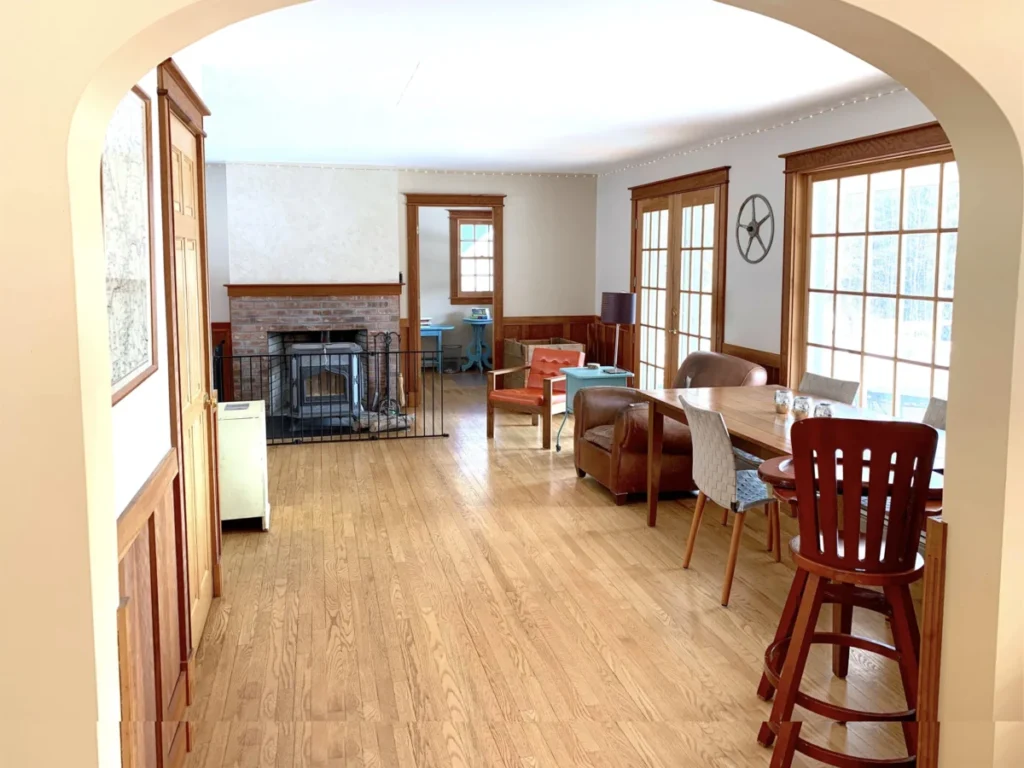
In an era where the cost of living dominates the national conversation, one family’s monthly expense report offers a compelling case study in intentional living. For the Frugalwoods family, a household based in Vermont, fiscal responsibility is not merely a method of survival; it is a philosophy that integrates deep-rooted values, environmental stewardship, and a commitment to long-term financial independence. Their May expense report, totaling $4,641.49, provides a transparent look at how a modern family navigates the costs of raising children while maintaining a disciplined, minimalist-adjacent lifestyle.
The Literary Hearth: A Hobbit in the Home
The central narrative of the Frugalwoods’ recent home life is rooted in the shared love of literature. Mr. Frugalwoods, a long-time devotee of J.R.R. Tolkien, has curated a reading progression for his daughter, "Kidwoods," designed to foster literacy and critical thinking. Having moved through the gentle worlds of Fern Hollow and the adventurous Redwall series, the seven-year-old recently began reading The Hobbit aloud to her father.

This afternoon ritual has evolved into a cornerstone of their daily routine. What began as a school assignment has blossomed into an advanced reading habit that allows the parents to monitor both her phonetic progress and her emotional development. Mrs. Frugalwoods notes that the text provides a constructive framework for discussing complex social interactions, such as bullying and character ethics. While the youngest member of the family, "Littlewoods," is currently frustrated by her own inability to join the reading circle, the household remains committed to this analog, high-engagement tradition.
The Philosophy of the "Used" Economy
Beyond the warmth of the home, the Frugalwoods’ fiscal strategy relies heavily on the "secondary market." During the Vermont yard sale season, the family actively seeks out pre-owned goods, ranging from clothing to household tools. This is not a matter of necessity alone; it is a calculated effort to combat the psychological fatigue associated with the "paradox of choice."

Mrs. Frugalwoods cites research from NPR suggesting that the endless array of consumer options in modern society often leads to lower satisfaction and higher stress. By defaulting to the used market, the family reduces the cognitive load of decision-making. Furthermore, their commitment to second-hand goods serves as a tangible form of environmentalism. By extending the lifecycle of products, they minimize the carbon footprint associated with manufacturing and shipping new consumer goods.
This approach also fosters a sense of "kismet"—the joy of the hunt—while simultaneously avoiding the "endowment effect," where people overvalue items simply because they purchased them new. By normalizing hand-me-downs, the family argues that they are building a stronger sense of community and reducing the time spent in the endless loop of retail shopping.
Financial Mechanics: The Data Behind the Lifestyle
The Frugalwoods’ May expenditure of $4,641.49 is a comprehensive reflection of a month spent in rural Vermont. While the total may seem significant to some, it includes several non-recurring annual costs and investments in home infrastructure.
A Breakdown of May Expenditures
| Item | Amount | Notes |
|---|---|---|
| Groceries | $879.72 | Primary household food consumption. |
| Restaurants | $493.81 | Dining out and social outings. |
| Household/Home Improvement | $469.98 | Maintenance items, cleaning supplies, and clothing. |
| Preschool | $420.00 | Educational costs for the children. |
| String Trimmer | $293.15 | Investment in property maintenance. |
| Wardrobe (Mr. FW) | $223.91 | Seasonal clothing updates. |
| Beer & Wine | $204.54 | Social and home leisure. |
| Gas for Cars | $181.69 | Transportation costs. |
| Annual Beach Pass | $150.00 | Local recreation investment. |
| Vermont DMV | $140.00 | Annual vehicle registration. |
Other notable line items include $126.94 for a pole saw attachment for tree pruning and $71.99 for gym rings to improve upper-body strength. The transparency of these costs serves as an "expense report" for their readers, encouraging others to audit their own spending habits to find areas for optimization.

Strategic Financial Management
The Frugalwoods employ a rigorous financial stack designed to maximize every dollar. Their strategy is threefold: leveraging credit card rewards, utilizing high-yield savings accounts, and minimizing fixed costs through alternative service providers.
Credit Card Optimization
The family utilizes a Fidelity Rewards Visa, which offers 2% cash back on all purchases. In May, their $4,081.76 in credit card spending resulted in $81.64 in direct cash back. Mrs. Frugalwoods emphasizes that this is "earning money while doing nothing," provided the card balance is paid in full every month to avoid interest charges.

The Power of High-Yield Savings
A recurring theme in the Frugalwoods’ financial advice is the danger of "lazy money." By keeping emergency funds in high-yield savings accounts (such as American Express Personal Savings), the family earns interest at rates currently hovering around 4%. They illustrate the math clearly: a $5,000 deposit earning 4% generates $200 in annual passive income, whereas the same amount in a standard, low-interest account would generate zero.
MVNOs: The "TJ Maxx" of Telecom
Perhaps the most striking example of their cost-cutting is their cell phone bill. By utilizing a Mobile Virtual Network Operator (MVNO), the family pays only $28.24 per month for two lines. An MVNO resells access to major cellular networks at a fraction of the cost, proving that premium service is not required to maintain connectivity.

Implications for the Modern Consumer
The Frugalwoods’ approach raises significant implications for the average household. By treating personal finance as a holistic system—rather than a series of isolated transactions—they demonstrate that one can live a high-quality life while spending significantly less than the national average.
Their model suggests that the path to financial freedom involves:

- Systematization: Using tools like Empower (formerly Personal Capital) to track net worth and spending in real-time.
- Intentionality: Distinguishing between essential upgrades (like a necessary string trimmer for property maintenance) and impulsive retail therapy.
- Community and Education: Prioritizing investments in education and shared experiences over material accumulation.
When faced with common expenses—such as replacing broken cabinet hinges or toilet paper roll holders, which they attribute to the wear and tear of raising children—the Frugalwoods treat these as expected costs of homeownership rather than surprises. They approach these repairs with a "fix-it" mindset, sourcing parts online and performing the labor themselves.
Conclusion: The Path Forward
The Frugalwoods do not claim to be immune to spending; in fact, they openly acknowledge their expenditures on restaurants and coffee shops. Their philosophy is not one of deprivation, but of optimization. By "saving where it is easy," they create the financial bandwidth to spend in areas that bring them genuine joy and long-term value.

As they look toward the future, the family continues to advocate for a life defined by conscious choices. Whether it is a Saturday morning spent at a yard sale or an evening spent reading Tolkien by the fire, the Frugalwoods provide a blueprint for a life that is both fiscally sound and rich in experience. For those looking to gain control over their financial future, their advice remains constant: know where your money is, make it work for you, and never underestimate the value of a well-lived, intentional life.