The Architect of Agency: LaTosha Brown and the Battle for the Soul of American Democracy
As the United States approaches its 250th anniversary, the nation finds itself caught in a profound existential paradox. While the rhetoric of the semiquincentennial celebrations highlights the ideals of "life, liberty, and the pursuit of happiness," the reality on the ground for millions of marginalized citizens is one of shrinking access and systemic exclusion. At the center of this struggle stands LaTosha Brown, a visionary activist who views the ballot box not merely as a civic duty, but as the fundamental, sacred exercise of human agency.
The Gamble Legacy: A Personal History of Disenfranchisement
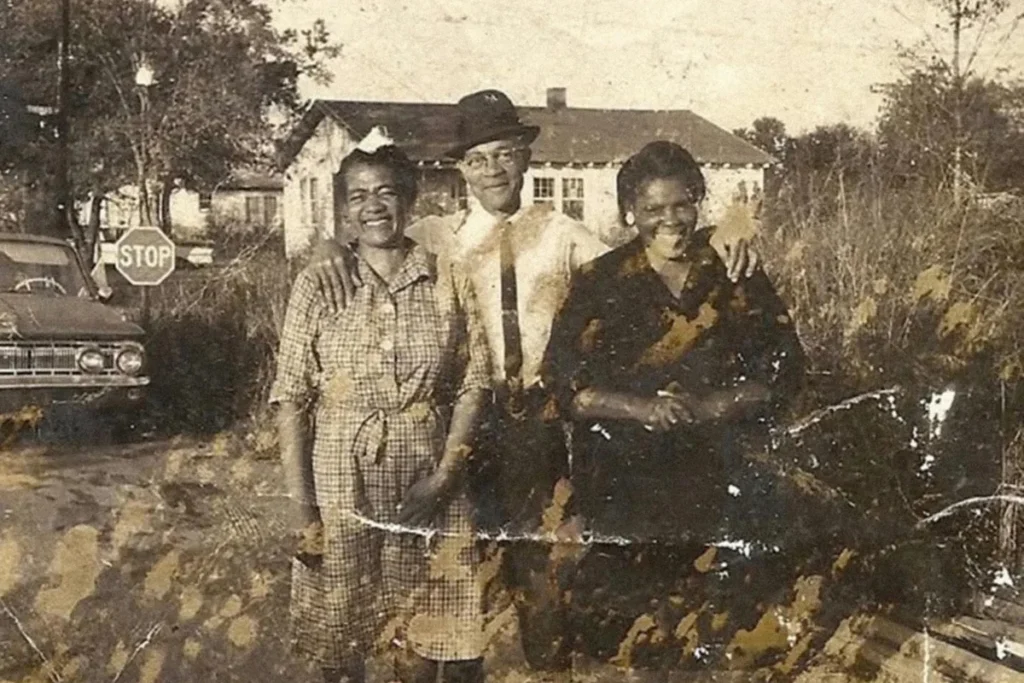
To understand the urgency of LaTosha Brown’s work, one must look to her lineage. Her grandparents, Joseph and Nellie Gamble, were born in Jim Crow Alabama in 1905 and 1910, respectively. For the majority of their adult lives, the promise of American democracy remained an unreachable mirage, blocked by a phalanx of poll taxes, literacy tests, and violent intimidation.
For the Gambles, the eventual ability to vote was never a casual affair. Joseph Gamble famously kept his poll tax receipts in his wallet—physical proof of the "fee" he had to pay to exercise a right that was constitutionally guaranteed to others for free. On Election Day, the couple would don their "Sunday best," treating the polling place with the reverence of a cathedral. As a child, Brown watched her grandmother Nellie take her to the polls, allowing her to pull the lever. In those small, deliberate moments, a seed was planted: voting was the ultimate manifestation of power.
This upbringing forged in Brown a lifelong obsession with the mechanics of power—who holds it, who is denied it, and the moral imperative of reclaiming it. This realization led her to co-found Black Voters Matter in 2016, a transformative organization that has since become the tip of the spear for voting rights activism across the American South.
Chronology: From the Edmund Pettus Bridge to Modern Gerrymandering
The trajectory of voting rights in America is a jagged line, marked by hard-won victories and systematic retrenchment.
- 1776–1860s: The "founding" of the nation explicitly excluded non-white, non-landowning populations, establishing a template of exclusion that would define the next two centuries.
- 1965: The passage of the Voting Rights Act (VRA) served as the "crown jewel" of the Civil Rights Movement. Born from the blood shed on the Edmund Pettus Bridge, the VRA provided the federal oversight necessary to prevent states from disenfranchising Black citizens.
- 2016: LaTosha Brown co-founds Black Voters Matter, formalizing a decade-long effort to build political infrastructure in states like Alabama, Georgia, Mississippi, Louisiana, and Florida.
- 2026: In a devastating blow to the legacy of the Civil Rights Movement, the Supreme Court issues a landmark ruling that effectively dismantles the remaining protections of the VRA. Within hours, Southern legislatures begin aggressive, race-based redistricting efforts to consolidate power and dilute the influence of Black voters.
The Structural Assault: Data and Political Realignment
The recent Supreme Court decision has triggered a rapid, tactical transformation of the American electoral map. By authorizing the dismantling of majority-Black districts, Republican-led legislatures have effectively stripped Black communities of their ability to elect candidates of their choosing.
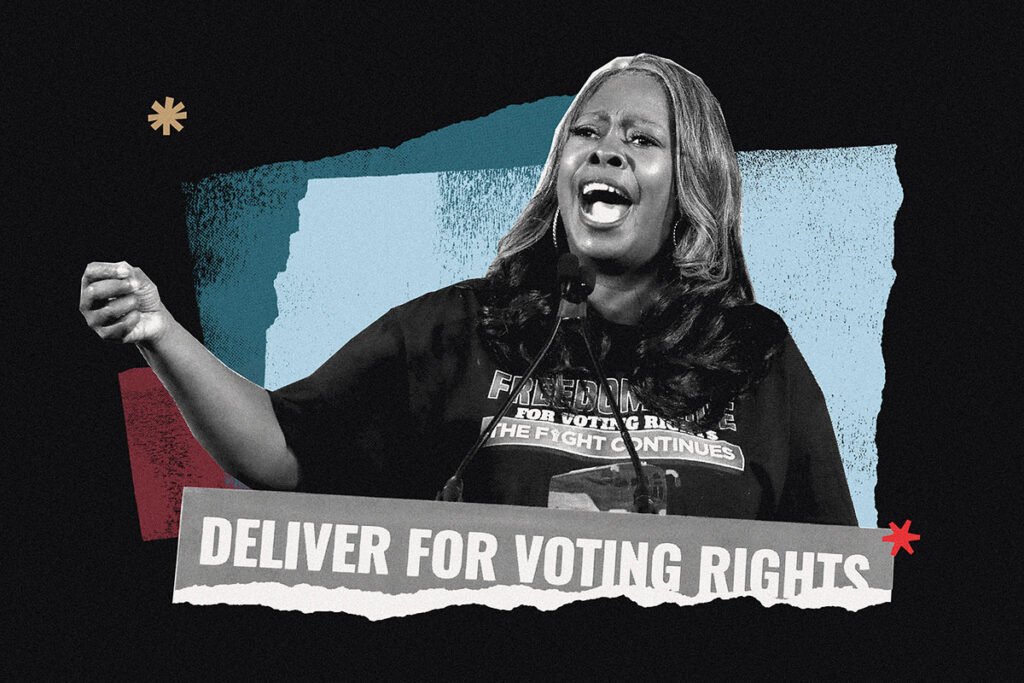
Data from recent election cycles shows that Black voters have been the most consistent defenders of democratic institutions, yet their electoral weight is being systematically neutralized through gerrymandering. In Louisiana, Alabama, and Tennessee, the redrawing of congressional lines has rendered the "consent of the governed"—the very foundation of the Declaration of Independence—a conditional privilege rather than an inherent right.
Critics and legal scholars point out that this is not a coincidence but a calculated strategy to ensure political survival at the expense of representation. By creating "safe" districts that favor one party, the political establishment has effectively insulated representatives from the need to engage with diverse constituencies, leading to a profound erosion of accountability.
Official Responses and the "Freedom Summer" Counter-Offensive
The reaction from the activist community has been one of defiance rather than despair. When news of the Supreme Court ruling reached Brown, she was with her 92-year-old aunt, Ella Gamble Wilmer. The elderly woman’s tears—"I never thought we’d be back here"—served as a catalyst for Brown’s renewed intensity.
"All they did is put more gas in my tank," Brown remarked.
In response, Black Voters Matter has launched "Freedom Summer," a direct homage to the 1964 Mississippi voter registration drives. The initiative involves:
- Multi-State Mobilization: Organizing events in at least a dozen major cities to register and educate voters ahead of the midterm elections.
- Faith-Based Outreach: Partnering with clergy and community leaders to reach deep into marginalized neighborhoods where traditional political messaging fails to penetrate.
- The "Bus" Strategy: Utilizing a 45-foot mobile headquarters emblazoned with the slogans "WE GOT POWER!" and "WE WON’T BLACK DOWN!" to create a visible, defiant presence in rural and urban corridors.
Implications: The Shift from Citizenship to Foundership
The implications of this struggle extend far beyond the next election cycle. LaTosha Brown argues that the current political system, as it stands, is "woefully insufficient." She posits that the American public must move past a passive understanding of citizenship.
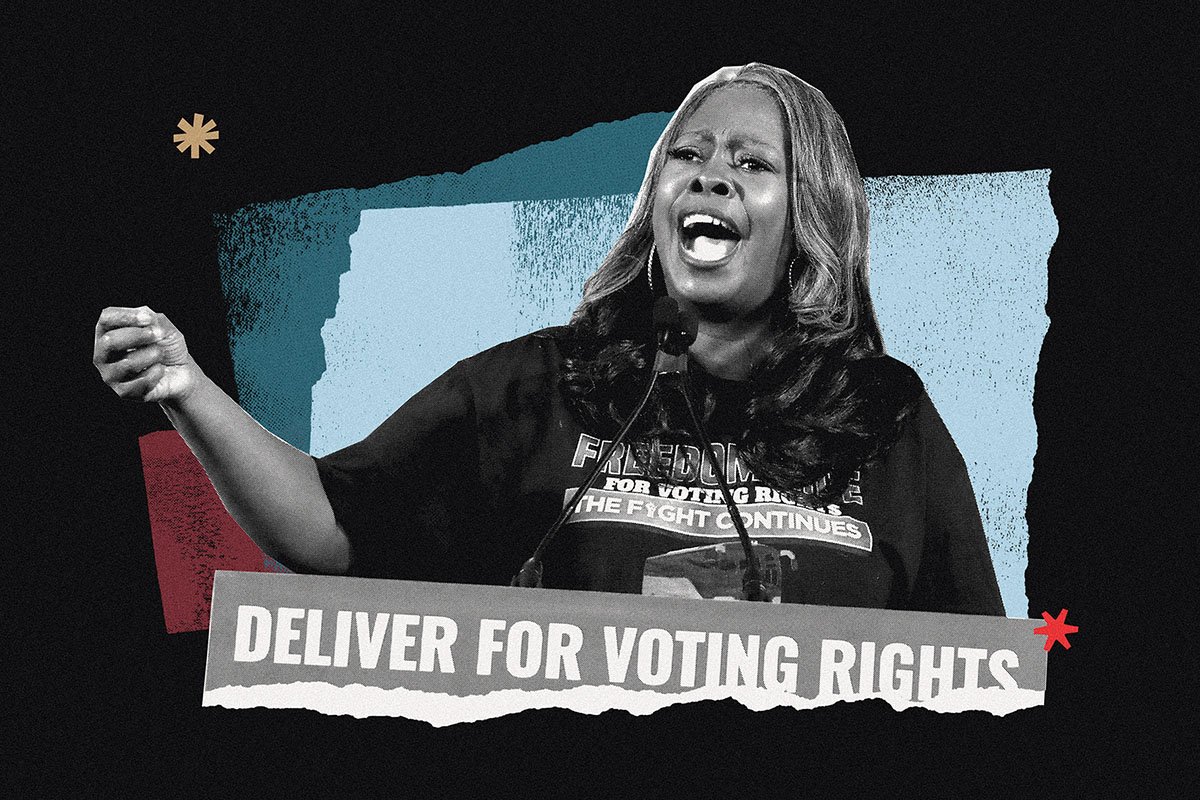
"We have to shift from seeing ourselves just as citizens of this nation and start seeing ourselves as founders," Brown states. "In this moment, where everything is being torn down, we should be spending a lot of time and energy around organizing ourselves and our visions around what will we build next."
This sentiment underscores a growing realization among civil rights advocates: the 250th anniversary of the United States is not merely a celebration of the past, but an urgent call to redesign the future. If the existing institutions are being used to facilitate exclusion, the only path forward is to build new, more resilient structures of democratic participation.
Conclusion: The Sacred Nature of the Vote
For LaTosha Brown, the struggle is deeply personal and fundamentally human. She views the right to vote as the physical manifestation of human agency—the evidence of one’s humanity in a society that has historically sought to diminish it.
As the country stares down its 250th year, the central question remains: will the United States continue to define itself by its history of exclusion, or will it finally evolve into a truly inclusive democracy? The answer, according to Brown, lies in the hands of those who refuse to let their voices be silenced. To vote is to belong, and to belong is to demand that the promises of 1776 are finally honored for every citizen, without exception.
As we look toward the next 250 years, the legacy of the Gambles and the work of leaders like LaTosha Brown serve as a reminder: the work of perfecting the union is never finished. It is a persistent, daily commitment to ensuring that the "consent of the governed" is not just a phrase on parchment, but a lived reality for every American.