TechCrunch Mobility: The High-Stakes Evolution of Autonomous Systems and Industry Consolidation
Welcome back to TechCrunch Mobility, your essential briefing on the rapidly shifting landscape of transportation technology and the deepening integration of artificial intelligence into our daily commutes. As we navigate the complexities of an industry in flux, this week’s coverage centers on the intensifying scrutiny surrounding automated driving systems, significant logistical shifts in the robotaxi market, and the ripple effects of regulatory changes on the future of vehicle design.
Note to our readers: Please be advised that there will be no issue of TechCrunch Mobility next week due to the July 4th holiday. We will return to your inbox the following week.
The Core Conflict: Tesla’s Automated Driving Under the Microscope
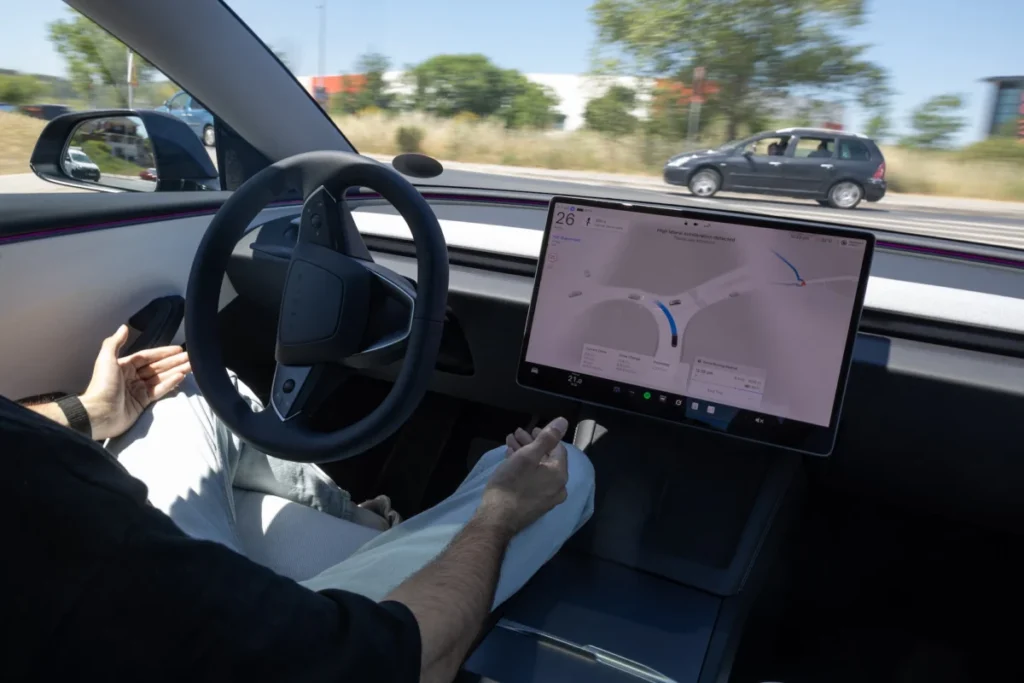
The central narrative dominating the mobility sector this week is the intensifying federal and public scrutiny of Tesla’s Full Self-Driving (FSD) (Supervised) technology. Following a tragic, high-profile fatal crash in Texas that resulted in the death of a 76-year-old woman, the industry is once again confronting the gap between consumer expectation and technological capability.
The Texas Incident: Conflicting Narratives
The crash gained national attention when the driver involved alleged that Autopilot—Tesla’s foundational, yet now-discontinued, driver-assistance suite—was active at the moment of impact. The collision, which saw the vehicle strike a residential home, has triggered an immediate and aggressive response from both the National Highway Traffic Safety Administration (NHTSA) and the National Transportation Safety Board (NTSB), both of which have launched formal investigations.

Tesla, however, has pushed back against the narrative that its technology was at fault. Ashok Elluswamy, Tesla’s vice president of AI software, took to X (formerly Twitter) to provide a counter-account. Elluswamy asserted that the vehicle was not using Autopilot but rather FSD (Supervised), and that the driver had manually overridden the system by depressing the accelerator pedal to 100% capacity while navigating a residential zone. While Tesla’s internal logs suggest a manual override, the lack of an independent, third-party audit of the vehicle’s telemetry leaves room for ambiguity that only the federal probes are likely to resolve.
A Pattern of Legal and Regulatory Challenges
This incident is not an isolated event but rather the latest in a series of setbacks for Tesla’s FSD branding. Simultaneously, the company has settled a separate lawsuit regarding a 2023 fatal crash involving FSD (Supervised). This broader legal pressure coincides with a separate, ongoing NHTSA investigation into whether Tesla’s computer vision systems can adequately process and respond to environmental hazards such as sun glare, fog, and airborne dust. As Tesla attempts to rebrand itself as a primary AI and robotics entity, the real-world performance of FSD remains its most visible—and most heavily scrutinized—revenue driver.
The Waymo Expansion: Data-Driven Growth and Strategic Imports
While Tesla faces a storm of regulatory pushback, Waymo continues to execute a methodical expansion strategy. A recent research report from New York-based firm MoffettNathanson, which utilized Bill of Lading data to track shipping activity, reveals the scale of Waymo’s "Ojai" robotaxi program.
The Ojai Robotaxi Program
The Ojai project is a high-stakes partnership between Waymo and Zeekr, a brand under China’s Geely Holding Group. The vehicles are designed in Sweden, manufactured in China, and shipped to the United States, where Waymo integrates its proprietary sixth-generation hardware. This hardware suite—comprised of 13 cameras, four lidar sensors, six radar units, and an array of external audio receivers—represents the current gold standard for sensor fusion.

By analyzing customs documents, MoffettNathanson identified the importation of specific Zeekr models (labeled CM1e or CME) intended for Waymo’s fleet. The data suggests that Waymo is currently importing approximately 300 vehicles per month, placing them on a trajectory to bring 3,156 units into the U.S. this year. This level of investment underscores Waymo’s commitment to scaling its commercial robotaxi operations despite the complex geopolitical climate surrounding Chinese-made automotive components.
Market Consolidation and Infrastructure Deals
The broader ecosystem of autonomous and electric mobility continues to attract significant capital, signaling that while the technology is maturing, the infrastructure supporting it is just as critical.
- Aseon Labs: The Silicon Valley startup raised $10 million in a seed round led by Crane Venture Partners to develop autonomous "pitstops"—mobile pods designed to clean, inspect, and charge robotaxis, solving the critical "last-mile" maintenance challenge for fleet operators.
- Infrastructure Debt: Terawatt Infrastructure has secured a $300 million senior secured credit facility to expand its full-stack charging platform, which serves major autonomous fleets like Waymo.
- Sector Partnerships: CaoCao and May Mobility have announced a strategic partnership to pioneer robotaxi services in European markets, a move that signals the beginning of a truly global rollout for autonomous ride-hailing services.
- Public Markets: Elroy Air, known for its heavy-cargo autonomous drones, is moving toward a $1 billion public listing via a merger with a special-purpose acquisition company (SPAC), reflecting continued investor interest in autonomous logistics.
- AI for Repair: Partly, which focuses on AI-driven supply chain solutions for automotive repair, secured $50 million in a Series B round, highlighting the critical need for digitized parts sourcing as modern vehicles become increasingly software-defined.
Regulatory Shifts and Industry Implications
The regulatory landscape is shifting to accommodate a future without traditional human-controlled vehicles. The U.S. Department of Transportation has proposed changes that would allow for the removal of brake pedals in vehicles designed exclusively for autonomous operation. This shift acts as a significant tailwind for companies like Tesla and Zoox, which have long envisioned vehicle architectures that prioritize passenger space over manual control interfaces.
Safety Standards and Competitive Moats
However, this regulatory shift is being met with increased private-sector safety requirements. Lyft CEO David Risher recently announced a new "multi-sensor safety standard" for its network. The core implication of this policy is that vehicles relying solely on camera-based systems (like the Tesla Cybercab or current FSD-equipped vehicles) may be excluded from the Lyft platform. By mandating redundant sensor suites, Lyft is positioning itself as a platform that prioritizes hardware-level safety, effectively creating a barrier to entry for camera-only autonomous systems.

Corporate Realignment
The industry is also undergoing significant belt-tightening. Lucid Motors, facing the pressures of scaling production, has announced a second round of layoffs this year, cutting 18% of its workforce as part of a strategy to simplify operations and sharpen execution. This contraction, paired with the recent move by the U.S. government to bar Polestar from selling its newer models in the U.S. due to restrictions on Chinese-connected car technology, paints a picture of an industry navigating a complex web of economic, political, and technological constraints.
Looking Ahead: The Road to Commercialization
As we look toward the remainder of the year, several indicators suggest a pivotal period for the mobility sector:
- Geographic Expansion: Waymo’s entry into Germany and the release of its waitlist in Nashville signify that the "commercialization phase" is no longer confined to specific, favorable tech hubs in the U.S.
- Product Refinement: Zoox is actively upgrading its custom-built robotaxis in preparation for large-scale production, indicating that bespoke, purpose-built hardware may soon overtake retrofitted consumer vehicles in the robotaxi space.
- Human Capital: The movement of executive talent—such as OpenAI poaching Uber India’s president, Prabhjeet Singh—highlights the ongoing cross-pollination between the generative AI sector and the physical mobility industry.
In summary, the mobility sector is moving beyond the "hype" phase and into a period defined by rigorous federal oversight, massive infrastructure spending, and a clear divide in the technological approaches—camera-only versus sensor-fused—to solving the challenge of autonomy. As always, we will continue to track these developments as they unfold.
Got a tip for us? Email Kirsten Korosec at [email protected], reach out via Signal at kkorosec.07, or contact Sean O’Kane at [email protected].