Shadows of the Estate: What Netflix’s East of Eden Teaches Us About Family Wealth, Inheritance, and the Great Wealth Transfer
Main Facts: The Intersection of Classic Literature and Modern Financial Realities
As John Steinbeck famously wrote in his 1952 American masterpiece East of Eden, "Perhaps it takes courage to raise children." While the novel is primarily celebrated as a sweeping, tragic exploration of the human condition and a retelling of the Cain-and-Abel myth, it also functions as a profound meditation on parenting, legacy, and how money can profoundly twist relationships within families despite the best of intentions.
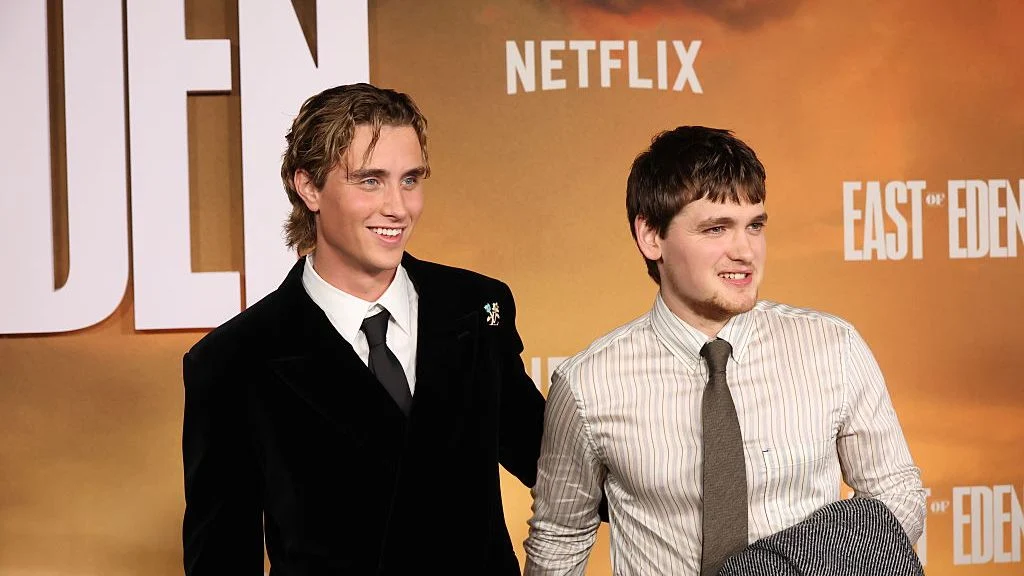
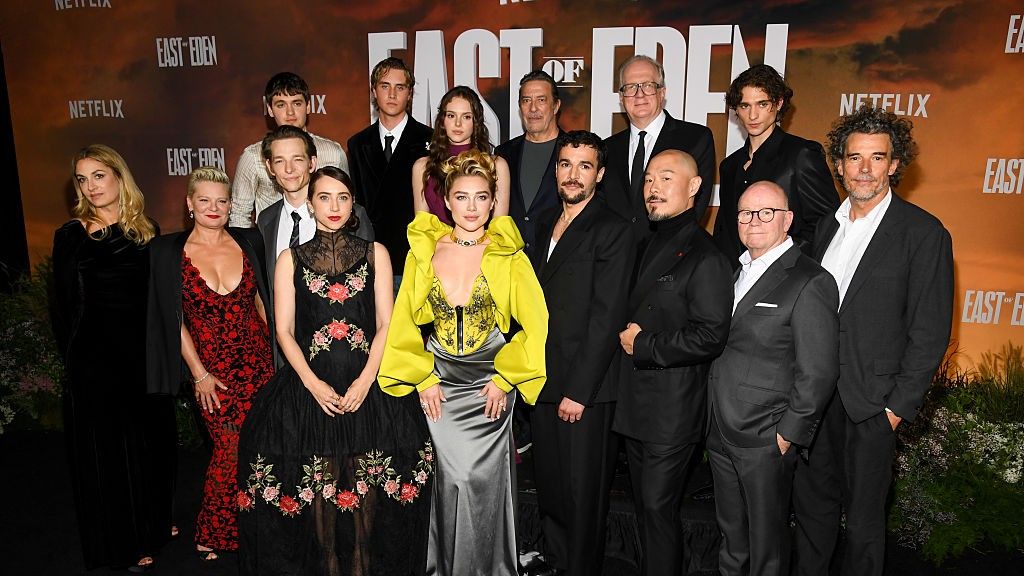
With a major new screen adaptation of East of Eden now streaming on Netflix, cultural intersections between classic literature and modern personal finance are coming to light. Partnering with sister site CinemaBlend, journalists sat down with key cast members—including Hoon Lee, Joseph Zada, and Joe Anders—to discuss how the themes of the novel mirror real-world anxieties surrounding inheritances, sibling rivalry, and estate planning.
In the series, Zada and Anders portray the younger generation of brothers, Cal and Aron. Where Aron (played by Anders) is characterized by a trusting, gentle nature, Cal (played by Zada) is famously calculating, scheming, and deeply suspicious. Their dynamic is a vivid reminder of real-world statistics: according to a joint Kiplinger-Morning Consult survey, 33% of adult children expect that receiving an inheritance will ultimately create conflict with their siblings. Cal and Aron are, essentially, the archetype of the squabbling heirs for whom professional trusts and corporate executors were invented.
Chronology: From Steinbeck’s Salinas Valley to the Modern Streaming Era
To understand the weight of modern inheritance anxieties, it is helpful to look at how family wealth struggles have evolved from the page to the screen:
- 1952: John Steinbeck publishes East of Eden, set in the Salinas Valley of California, exploring generational curses, parental favoritism, and the destructive psychological impact of unmanaged wealth and expectations.
- 1955: Elia Kazan directs the iconic cinematic adaptation starring James Dean as Cal, cementing the turbulent brotherly rivalry in Hollywood history.
- The Modern Era (2020s): Financial planners note a massive cultural shift known as the "Great Wealth Transfer," where trillions of dollars are set to pass from Baby Boomers to Millennials and Gen Z.
- Present Day: Netflix releases its new serialized adaptation of East of Eden. To mark the occasion, entertainment and financial journalists interview the cast, bridging the gap between dramatic fiction and the very real financial vulnerabilities of modern families.
Supporting Data: Confidence vs. Competence in the Great Wealth Transfer
When CinemaBlend asked Anders and Zada how their characters might fare if their parents handed over control of the family businesses, the actors offered stark insights into sibling dynamics.
"I think I would’ve killed that," Zada joked, embodying Cal’s aggressive self-assurance. Turning to his on-screen brother, Zada added, "I don’t know about you, dude. You’re a little all over the place. I think you really wouldn’t have done very well. You would’ve thought that you would’ve done great."
"Aron would’ve been totally convinced he was doing amazingly," Anders agreed. "And then I think he would’ve had a wake-up call at some point."
This fictional "wake-up call" is mirrored across modern households. According to survey data from Kiplinger and Morning Consult:
- 70% of adult children report feeling completely confident in their ability to manage an inheritance.
- 33% of adult children expect that an inheritance will spark disputes with their brothers or sisters.
- 8% of adult children believe their parents’ estate includes business assets, whereas only 2% of parents actually report having business assets in their estate plans.
- 54% of parents state that real estate (including their primary residence) is part of their estate, compared to just 32% of the younger generation who realize the same.
These wide discrepancies highlight a dangerous disconnect: a profound lack of communication between generations regarding what will actually be inherited, leaving heirs uniquely unprepared for the administrative and emotional reality of receiving wealth.
Official Responses: Wealth Experts Weigh In on the "Confidence Gap"
The disconnect between how capable heirs feel and how prepared they actually are is a central concern for financial institutions navigating the Great Wealth Transfer.
"Confidence and competence are different things," notes Valerie Galinskaya, managing director and head of the Merrill Center for Family Wealth®, during a Kiplinger Conversation on inheritance. Galinskaya stresses that this exact gap is why parents must initiate early, open, and transparent conversations about their estates with their children long before a tragedy or retirement forces the issue.
Without proactive communication, families risk repeating the tragedies seen in literature. Financial advisors point out that simply accumulating wealth is only half the battle; teaching the next generation how to manage, preserve, and respect that wealth is equally critical.
When survey respondents were asked how they planned to utilize an expected inheritance, one typical answer encapsulated the ambition of the younger generation: "I hope to use it to get a nice family business going for our future generations."
However, experts caution that starting or sustaining a multi-generational business is rarely simple. As each successive wave of heirs steps forward with their own distinct hopes, flaws, and business acumen, even historically successful enterprises frequently fail to survive the transition past the second generation.
Implications: Building "Money Muscles" Before the Inheritance Arrives
The broader implications for families navigating modern estate planning are clear: money left without guidance can easily morph from a blessing into a curse.
As the Netflix adaptation of East of Eden reminds audiences, good intentions are never enough to shield a family from the corrosive effects of unmanaged expectations, jealousy, and secrecy. To avoid falling into the traps highlighted by Steinbeck’s tragic narrative, financial experts recommend several proactive steps:
- Start Conversations Early: Parents should introduce financial literacy concepts and estate discussions across different life stages, helping children build their "money muscles" well before any inheritance changes their bank accounts.
- Manage Expectations Transparently: Eliminating surprises regarding what actually exists within an estate—whether it’s real estate, business assets, or liquid savings—prevents the shocks that lead to sibling warfare.
- Separate Confidence from Competence: Acknowledge that feeling ready to handle money is not the same as having the technical or emotional skill set required to sustain a legacy. Professional guidance, family trusts, and clear legal boundaries can protect heirs from themselves.
Ultimately, while an inheritance is intended as a final act of love and support from a parent to a child, East of Eden serves as a timeless warning. Without open communication, financial education, and deliberate preparation, what is meant to secure a family’s future can easily become the very thing that tears it apart.