Senate Investigation Targets Cantor Fitzgerald Over Tether Ties and Lutnick Family Profits
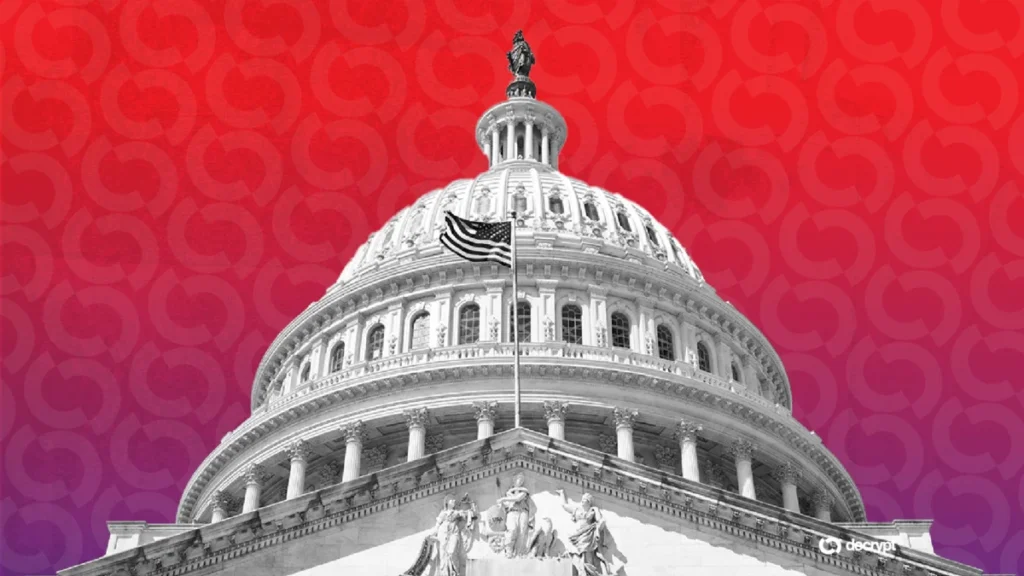
WASHINGTON — In an escalating clash between Capitol Hill and the cryptocurrency sector, Senator Richard Blumenthal has launched a formal inquiry into Wall Street powerhouse Cantor Fitzgerald, demanding exhaustive records regarding its sprawling business relationship with Tether, the issuer of the world’s largest stablecoin, USDT.
The investigation, spearheaded by Blumenthal in his capacity as the ranking Democrat on the Senate Permanent Subcommittee on Investigations, focuses heavily on the financial gains reaped by Commerce Secretary Howard Lutnick’s family. It also questions the adequacy of Cantor Fitzgerald’s anti-money laundering and sanctions-compliance procedures in safeguarding the U.S. financial system.
While the inquiry is framed as a request for information rather than a formal subpoena, it underscores mounting bipartisan and Democratic scrutiny over the intersection of high-ranking government officials, traditional Wall Street institutions, and the rapidly growing digital asset economy.
Main Facts of the Inquiry
At the heart of Senator Blumenthal’s October 8 letter—addressed to Brandon Lutnick, chairman of Cantor Fitzgerald and son of the Commerce Secretary—is the deep commercial entanglement between the Wall Street brokerage and Tether, the company behind USDT, a digital token pegged 1:1 to the U.S. dollar that serves as the lifeblood of global crypto trading.
Cantor Fitzgerald acts as the primary custodian for Tether, holding the vast reserves of cash, U.S. treasuries, and other assets intended to back every single USDT token in circulation. Although Tether officially operates out of El Salvador, the vast majority of its multi-billion-dollar reserve assets reside securely within the United States under Cantor’s stewardship.
Blumenthal’s investigation centers on several key pillars:
- Financial Entanglement and Profits: The probe seeks to uncover the exact financial footprint of the partnership, focusing on how much profit Cantor Fitzgerald and the Lutnick family have generated from managing Tether’s reserves.
- National Security Concerns: The inquiry examines whether Cantor’s custody practices adequately screen for illicit financing, terrorist fundraising, and compliance with U.S. sanctions laws.
- Ethics and Self-Enrichment: The probe questions potential conflicts of interest tied to Howard Lutnick’s transition from running Cantor Fitzgerald to leading the Department of Commerce under the Trump administration, including asset transfers and loan structures involving his family trust.
"Disturbingly, Cantor Fitzgerald’s lucrative business arrangements with Tether come at the expense of America’s national security," Blumenthal wrote in the letter, adding that the firm has profited immensely from handling assets linked to high-risk jurisdictions and illicit financial flows.
Chronology of Events
To understand the context of Senator Blumenthal’s latest move, it is necessary to trace the timeline of events connecting Cantor Fitzgerald, Tether, and the highest levels of government administration:
- February 2025: Howard Lutnick steps down as the chief executive of Cantor Fitzgerald following his confirmation by the U.S. Senate as the Secretary of Commerce in the Trump administration. Leadership of the firm transitions to his son, Brandon Lutnick.
- Early 2025 (Coinciding with the Leadership Transition): Reports emerge detailing a strategic loan from Tether to a trust established for Howard Lutnick’s four children. This loan reportedly facilitated the children’s buyout of their father’s substantial equity stake in Cantor Fitzgerald.
- April 2025: Highlighting potential conflicts of interest and national security vulnerabilities, Senators Elizabeth Warren and Ron Wyden send formal inquiries to Howard Lutnick and Tether, pressing for details regarding the mysterious family trust loan.
- September 2025: Democratic staff of the Senate Permanent Subcommittee on Investigations publish a comprehensive and damning report titled "Tethered to Terrorism." The report alleges that USDT has served as a primary conduit for sanctions evasion, revealing that 84% of 846 crypto wallets targeted for seizure due to links with Iran and its proxy networks exclusively or predominantly utilized USDT.
- October 8, 2025: Senator Blumenthal formally issues his information request letter to Cantor Fitzgerald Chairman Brandon Lutnick, setting an strict compliance deadline of October 23, 2025, and demanding the preservation of all documents tied to the Tether partnership.
Supporting Data and Financial Metrics
The inquiry highlights staggering figures concerning the explosive growth of both Tether and Cantor Fitzgerald’s balance sheets over recent years, alongside data regarding illicit financial networks.
The Lutnick Family Windfall
According to estimates cited in Blumenthal’s letter, Howard Lutnick has accumulated more than $250 million in personal income since President Donald Trump returned to office. This total includes a massive $192 million direct distribution from Cantor Fitzgerald.
Concurrently, the firm’s private 5% equity stake in Tether has experienced a meteoric rise. Valued at approximately $600 million when the partnership was initially forged, that same stake is now estimated to be worth roughly $10 billion. This asset appreciation occurs alongside tens of millions of dollars in annual management fees that Cantor collects for holding and investing Tether’s massive cash reserves.
The "Tethered to Terrorism" Findings
The Senate subcommittee’s underlying data reveals heavy reliance on USDT by actors seeking to evade Western economic restrictions:
- Out of 757 crypto wallets designated by Israel’s counter-terror finance bureau, 87% transacted primarily in USDT.
- Out of 101 wallets designated by the U.S. Treasury Department’s Office of Foreign Assets Control (OFAC) for links to Iranian proxies, 57% utilized USDT.
In response to growing pressure regarding illicit networks, Tether has frequently pointed to its proactive security measures. The company publicly reported that it has frozen approximately $550 million in Iran-linked digital assets over the course of the year. This includes a major freeze of $344 million in April, followed by an additional $130 million frozen in July. However, the stablecoin issuer has largely avoided directly addressing allegations regarding systemic vulnerabilities in its broader distribution ecosystem.
Official Responses and Scope of the Request
While the letter does not accuse Cantor Fitzgerald of violating specific statutory laws or constitute a formal finding of criminal wrongdoing, its investigative scope is remarkably broad.
Blumenthal has demanded that Cantor Fitzgerald surrender a wide array of internal communications and documentation by October 23, 2025. Specifically, the requests include:
- Compliance and Due Diligence: Detailed records concerning Cantor’s "Know Your Customer" (KYC) protocols and anti-money laundering (AML) checks applied to Tether, as well as evaluations of how the firm ensures compliance with U.S. banking regulations and sanctions laws.
- Internal Deliberations: Documentation showing whether Cantor executives have ever considered terminating their business relationship with Tether due to compliance risks or adverse press coverage.
- White House and Regulatory Interactions: Howard Lutnick’s personal records and communications concerning Tether from his tenure at Cantor, explicitly targeting any lobbying efforts, discussions with the White House, state and federal regulators, or engagements with the President’s Council of Advisors on Digital Assets.
- Asset Transfers and Loans: The exact legal structures, terms of loans, and strategic plans utilized to transfer asset ownership from Howard Lutnick to his children during his transition into the federal government.
Neither Cantor Fitzgerald nor representatives for Secretary Howard Lutnick had issued a formal public rebuttal to the October 8 letter at the time of publication, though industry advocates have consistently defended stablecoins as a legitimate and efficient technological innovation for global commerce.
Broader Implications for Crypto and the Administration
This congressional investigation carries significant political and economic implications that extend far beyond a single Wall Street brokerage.
1. The Politicization of Digital Assets
The inquiry highlights a deepening partisan divide over cryptocurrency regulation in Washington. While the current administration has generally signaled a welcoming approach toward digital asset firms and blockchain innovation, congressional Democrats are leveraging oversight committees to scrutinize potential ethical lapses, conflicts of interest, and national security risks. By linking mainstream financial institutions like Cantor Fitzgerald directly to cryptocurrency issuers, investigators are attempting to force traditional Wall Street gatekeepers to bear greater responsibility for policing illicit crypto transactions.
2. Heightened Scrutiny on Stablecoins
As USDT remains the foundational liquidity layer for international crypto trading, any legislative or regulatory blowback against its primary banking partners poses systemic risks to the broader digital economy. If institutional custodians like Cantor Fitzgerald face intense compliance pressure from Congress and federal regulators, it could force traditional financial institutions to reevaluate their participation in the crypto sector, potentially causing a liquidity squeeze for stablecoin issuers.
3. Ethics and Executive Branch Transparency
The investigation places the personal and professional dealings of Commerce Secretary Howard Lutnick under an unsparing spotlight. By questioning the mechanics of the family trust buyout and the hundreds of millions in distributions received during a period of unprecedented growth for Tether, lawmakers are drawing a direct line between public service and private crypto-wealth accumulation.
As the October 23 deadline approaches, the response—or lack thereof—from Cantor Fitzgerald will likely set the tone for future congressional oversight of the burgeoning crypto-banking nexus, testing the limits of government accountability in an era where traditional finance and digital assets are deeply intertwined.